High Frequency Inverter Technology: Advanced Power Conversion Solutions for Modern Applications

Get a Free Quote

Our representative will contact you soon.
Email
Mobile/WhatsApp
Name
Company Name
Message
0/1000

high frequency inverter

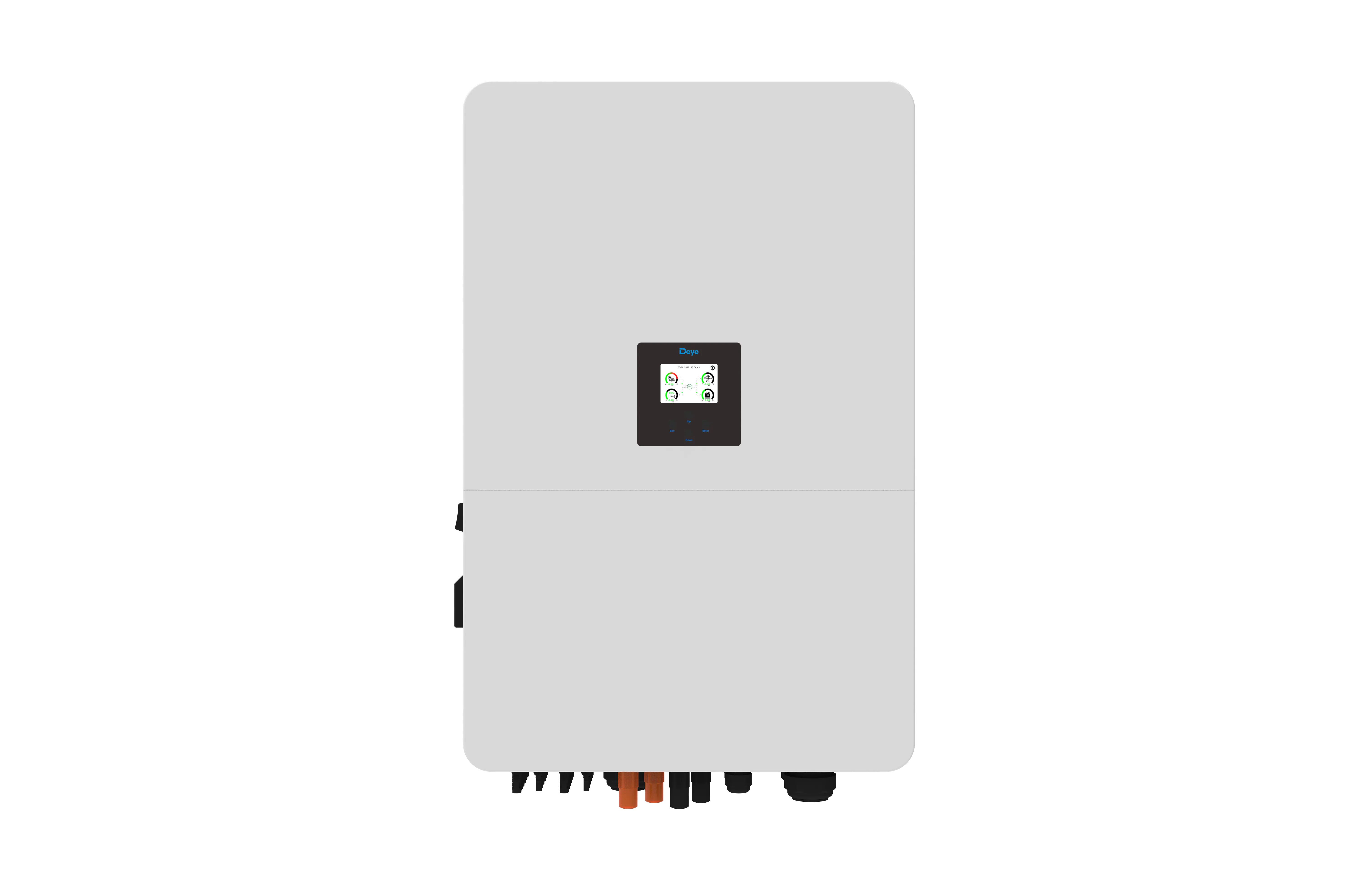
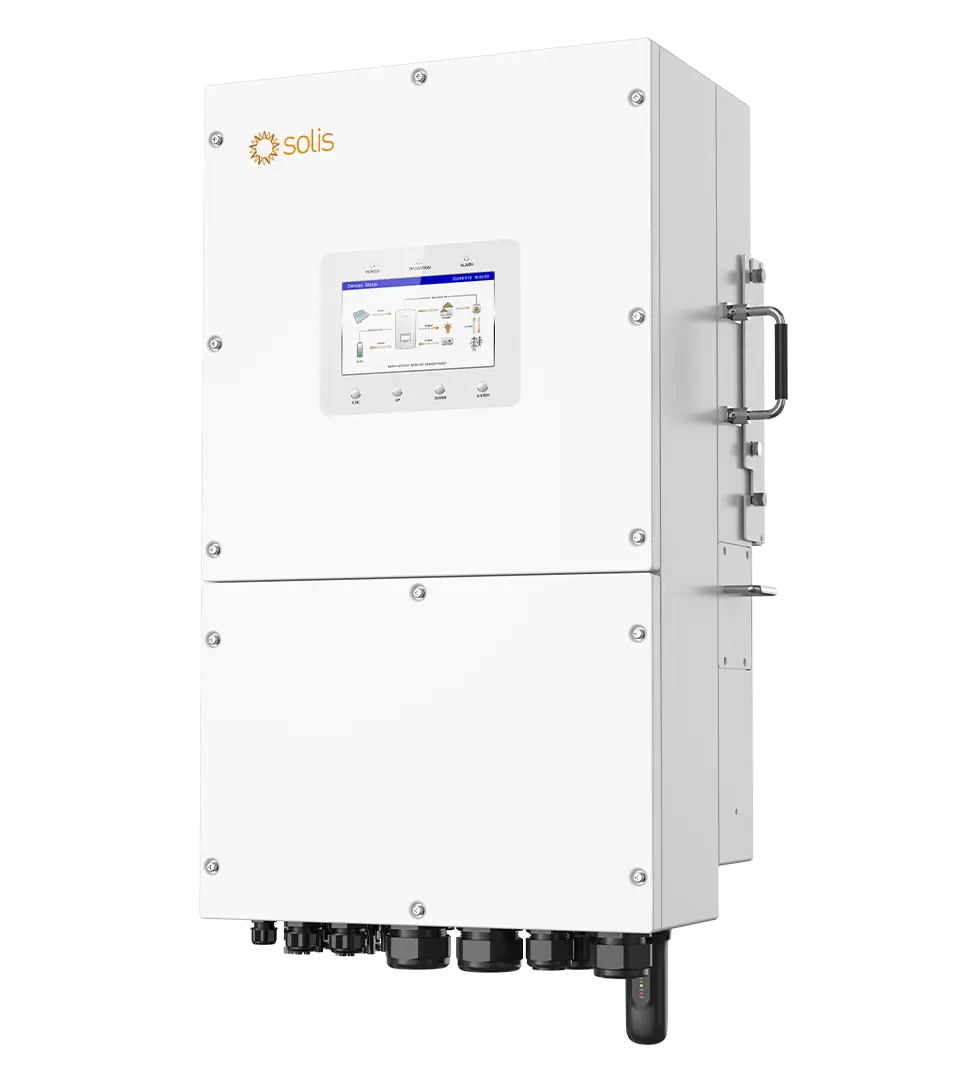
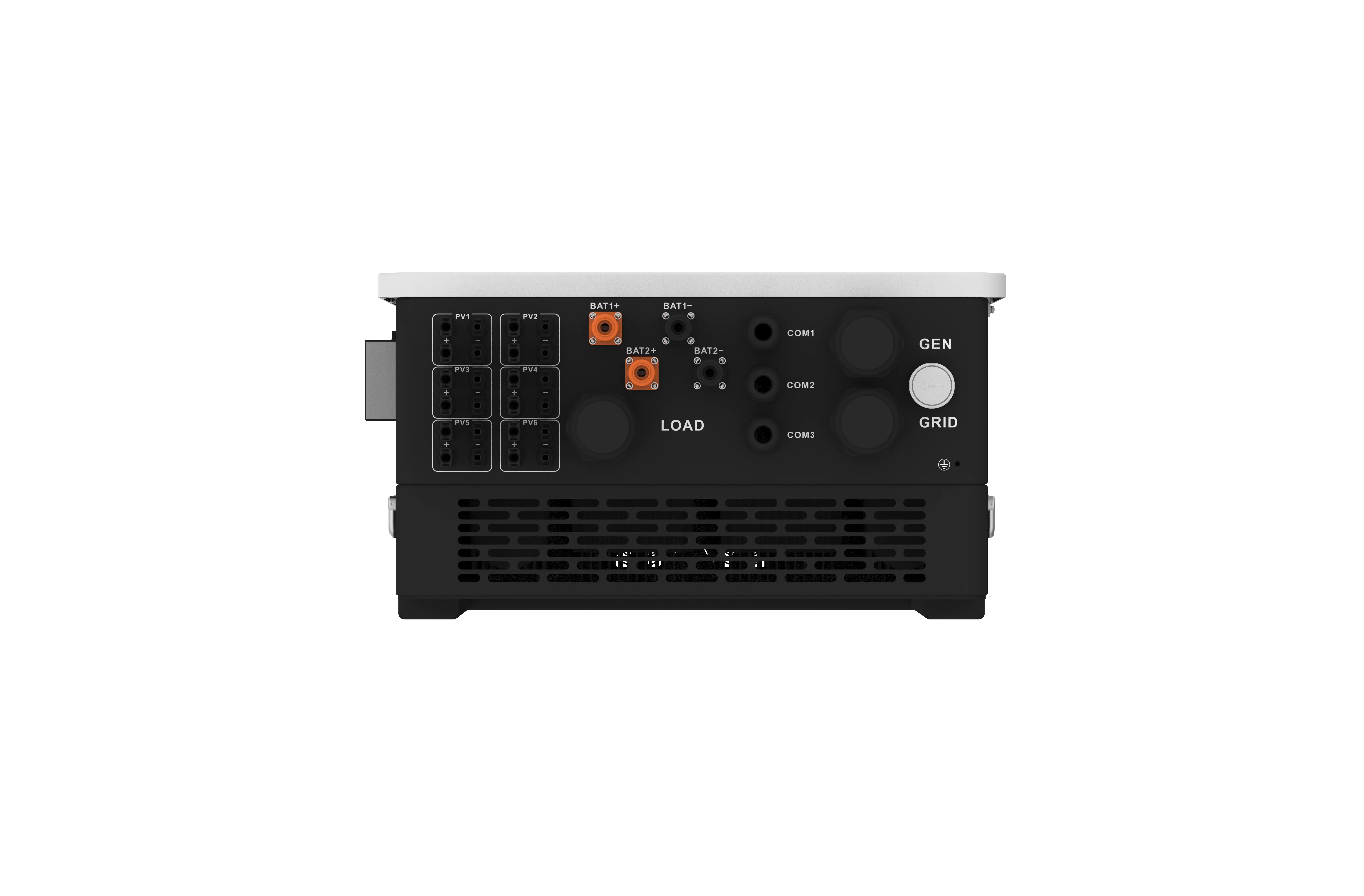
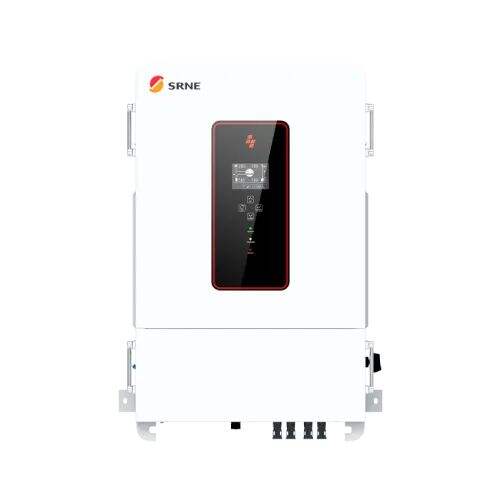
A high frequency inverter represents a cutting-edge power conversion technology that transforms direct current (DC) electricity into alternating current (AC) power using advanced switching techniques operating at frequencies typically ranging from 20kHz to 100kHz or higher. Unlike traditional low-frequency inverters that operate at 50Hz or 60Hz, these sophisticated devices utilize rapid switching mechanisms to achieve superior performance characteristics and enhanced efficiency levels. The core functionality of a high frequency inverter centers around its ability to convert stored battery power or solar panel output into usable household electricity with remarkable precision and reliability. The technological architecture incorporates high-speed semiconductor switches, typically MOSFETs or IGBTs, which rapidly alternate the current flow direction to create the desired AC waveform. This rapid switching process enables the production of pure sine wave output that closely mimics utility grid power, making it compatible with sensitive electronic equipment and appliances. Modern high frequency inverters feature sophisticated control circuits that monitor input voltage, output current, temperature, and load conditions in real-time, automatically adjusting parameters to maintain optimal performance. The compact design philosophy allows manufacturers to create lightweight, space-efficient units that deliver substantial power output while minimizing installation footprint. Advanced filtering systems eliminate unwanted harmonics and electromagnetic interference, ensuring clean power delivery that protects connected devices from damage. Smart protection mechanisms safeguard both the inverter and connected equipment against overcurrent, overvoltage, undervoltage, short circuits, and thermal overload conditions. Applications span residential solar systems, recreational vehicles, marine installations, emergency backup power systems, telecommunications infrastructure, and industrial automation equipment. The versatility of high frequency inverter technology makes it indispensable for off-grid living, mobile power solutions, and renewable energy integration projects worldwide.

New Product Releases

High frequency inverter technology delivers exceptional efficiency ratings that translate directly into cost savings and extended battery life for users. The advanced switching mechanisms achieve conversion efficiencies exceeding 95 percent, meaning minimal energy loss during the DC to AC conversion process. This superior efficiency reduces heat generation, eliminating the need for large cooling systems and enabling more compact designs that save valuable installation space. The lightweight construction makes these units ideal for mobile applications where weight constraints matter significantly. Users benefit from reduced fuel consumption in generator-hybrid systems and longer operating times from battery banks due to the minimal power waste. The pure sine wave output produced by high frequency inverters ensures compatibility with all types of electrical equipment, from basic household appliances to sophisticated medical devices and computer systems. This clean power delivery prevents equipment damage, reduces electromagnetic interference, and eliminates the annoying humming or buzzing sounds associated with modified sine wave inverters. The rapid response time of high frequency inverter systems provides seamless power switching during utility outages, protecting sensitive electronics from power disruptions. Advanced monitoring capabilities allow users to track power consumption, battery status, and system performance through digital displays or smartphone applications, enabling proactive maintenance and optimized energy management. The modular design philosophy enables easy system expansion by connecting multiple units in parallel or series configurations to meet growing power demands. Robust protection features automatically disconnect loads during fault conditions, preventing costly equipment damage and ensuring user safety. The reduced electromagnetic emissions make high frequency inverters suitable for installation in residential areas without causing interference to radio, television, or communication equipment. Lower maintenance requirements result from fewer mechanical components and improved thermal management, reducing long-term ownership costs. The fast switching frequency enables smaller transformer cores and filtering components, contributing to the overall compact footprint and reduced material costs. These inverters operate silently compared to traditional alternatives, making them perfect for noise-sensitive environments like hospitals, schools, and residential neighborhoods.

Latest News

Solar Product Tech Advances In 2025

20

Jan

Solar Product Tech Advances In 2025

View More
2025 Global Solar Market Demand (Emerging Markets)

20

Jan

2025 Global Solar Market Demand (Emerging Markets)

View More
Solar Products & Rural Electrification 2025

20

Jan

Solar Products & Rural Electrification 2025

View More

Get a Free Quote

Our representative will contact you soon.
Email
Mobile/WhatsApp
Name
Company Name
Message
0/1000

high frequency inverter

Superior Power Quality and Equipment Protection

Superior Power Quality and Equipment Protection

The most compelling feature of high frequency inverter technology lies in its ability to generate exceptionally clean, stable electrical power that surpasses utility grid quality in many instances. The sophisticated pulse-width modulation control system creates a pure sine wave output with total harmonic distortion levels typically below 3 percent, ensuring optimal performance of connected equipment. This superior power quality becomes particularly crucial when operating sensitive electronic devices such as medical equipment, computer servers, laboratory instruments, and telecommunications hardware that require stable, noise-free electricity for proper functioning. The clean power output eliminates voltage spikes, frequency fluctuations, and harmonic distortions that can cause premature equipment failure, data corruption, or operational malfunctions. Users experience significantly reduced electromagnetic interference that could otherwise disrupt wireless communications, radio reception, and electronic control systems. The high frequency inverter continuously monitors and regulates output voltage within tight tolerances, typically maintaining regulation within plus or minus 2 percent even under varying load conditions. This precise voltage control protects motors from overheating, prevents flickering in LED lighting systems, and ensures consistent performance of variable-speed drives and electronic ballasts. The advanced filtering systems incorporated into high frequency inverter designs effectively suppress switching noise and radio frequency emissions, making these units suitable for installation in residential areas without causing interference to neighboring electronic equipment. The rapid response time to load changes, measured in milliseconds, ensures that power-hungry equipment receives immediate current delivery without experiencing voltage dips or surges that could trigger protective shutdowns. This instantaneous response capability proves essential for applications involving motor starting, welding equipment, or medical devices where power interruptions could have serious consequences. The stable frequency output, maintained within plus or minus 0.1 Hz tolerance, ensures proper operation of timing-dependent equipment and prevents synchronization issues in multi-device installations. Users benefit from extended equipment lifespan, reduced maintenance costs, and improved operational reliability when powered by high frequency inverter systems compared to conventional power sources or lower-quality inverter technologies.
Exceptional Efficiency and Energy Optimization

Exceptional Efficiency and Energy Optimization

High frequency inverter technology achieves remarkable energy conversion efficiency that directly impacts operational costs and environmental sustainability for users across diverse applications. The sophisticated switching topology, operating at frequencies between 20kHz and 100kHz, minimizes conduction and switching losses that plague traditional low-frequency designs, resulting in conversion efficiencies consistently exceeding 95 percent under normal operating conditions. This exceptional efficiency means that for every 100 watts of DC input power, users receive more than 95 watts of usable AC output power, with less than 5 watts lost as heat during the conversion process. The reduced energy waste translates into extended battery runtime in off-grid applications, lower fuel consumption in generator-hybrid systems, and decreased electricity costs in grid-tie installations with net metering capabilities. The high switching frequency enables the use of smaller magnetic components, including transformers and inductors, which inherently exhibit lower core losses and improved efficiency characteristics compared to bulky low-frequency alternatives. Advanced control algorithms continuously optimize switching patterns based on real-time load conditions, automatically adjusting the modulation strategy to maintain peak efficiency across the entire power output range from light loads to full capacity operation. This intelligent efficiency optimization ensures that users benefit from maximum energy savings regardless of their power consumption patterns throughout the day. The reduced heat generation resulting from high efficiency operation eliminates the need for large cooling fans or complex heat sinks, further reducing parasitic power consumption and improving overall system efficiency. The compact thermal design enables installation in confined spaces without compromising reliability or requiring extensive ventilation systems. Users operating solar panel systems particularly benefit from the high efficiency characteristics, as every photon of captured sunlight converts into maximum usable electricity without significant conversion losses. The improved efficiency also reduces stress on battery systems by minimizing charging cycles and depth of discharge requirements, ultimately extending battery lifespan and reducing replacement costs. Environmental benefits include reduced carbon footprint and lower overall energy consumption, supporting sustainable energy initiatives and green building certification requirements for commercial and residential installations seeking to minimize their environmental impact.
Compact Design and Versatile Installation Options

Compact Design and Versatile Installation Options

The revolutionary compact design of high frequency inverter technology represents a paradigm shift from bulky traditional inverter systems, offering unprecedented installation flexibility and space optimization for users with limited mounting areas or mobile applications. The high switching frequency operation enables dramatic size and weight reductions by utilizing smaller magnetic components, compact filtering circuits, and efficient heat dissipation systems that eliminate the need for oversized enclosures. Modern high frequency inverters deliver substantial power output in packages that are typically 50 to 70 percent smaller and lighter than equivalent low-frequency alternatives, making them ideal for recreational vehicles, marine installations, emergency backup systems, and residential applications where space constraints present significant challenges. The lightweight construction, often weighing less than half of comparable traditional units, simplifies installation procedures and reduces structural support requirements, enabling mounting on lightweight walls, vehicle frames, or temporary structures without reinforcement needs. The streamlined form factor allows for creative installation solutions including wall-mounting, rack-mounting, or integration into existing electrical panels without requiring dedicated equipment rooms or extensive modifications to existing infrastructure. Users benefit from flexible orientation options, as many high frequency inverter models operate effectively in vertical, horizontal, or angled mounting positions, accommodating unique installation environments and space constraints. The reduced electromagnetic footprint minimizes interference with nearby electronic equipment, allowing installation in close proximity to sensitive devices without causing operational disruptions or requiring special shielding measures. Advanced thermal management systems efficiently dissipate heat through strategically placed ventilation channels and heat-conductive materials, enabling reliable operation in ambient temperatures up to 50 degrees Celsius without performance degradation. The modular construction philosophy facilitates easy system expansion through parallel or series connections, allowing users to scale their power capacity as energy demands grow without replacing existing equipment or extensive system redesign. Weatherproof enclosure options extend installation possibilities to outdoor applications including solar panel installations, backup power systems, and telecommunications sites exposed to environmental conditions. The reduced noise generation, typically below 45 decibels during normal operation, makes high frequency inverters suitable for installation in noise-sensitive environments such as bedrooms, offices, hospitals, and residential neighborhoods where traditional inverter noise levels would be unacceptable for continuous operation.

Get a Free Quote

Our representative will contact you soon.
Email
Mobile/WhatsApp
Name
Company Name
Message
0/1000