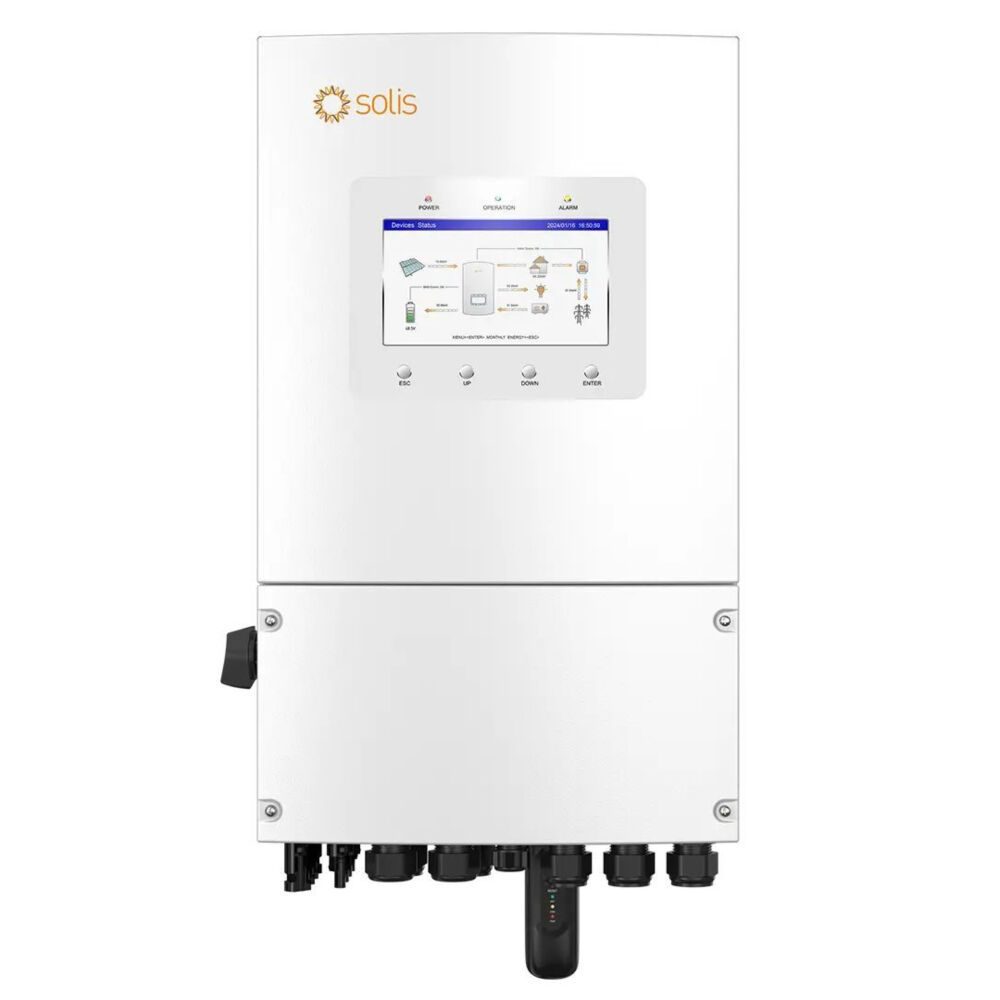
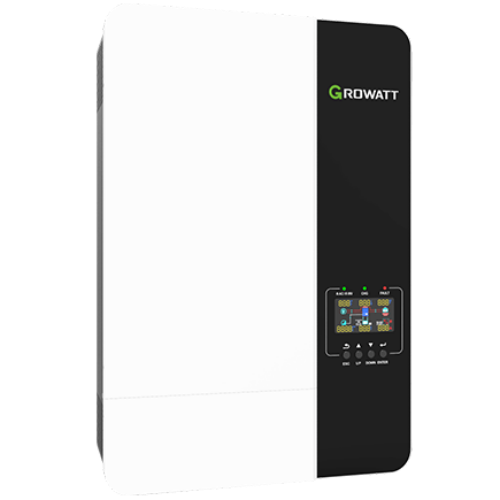
korkealaatuinen akku-invertteri
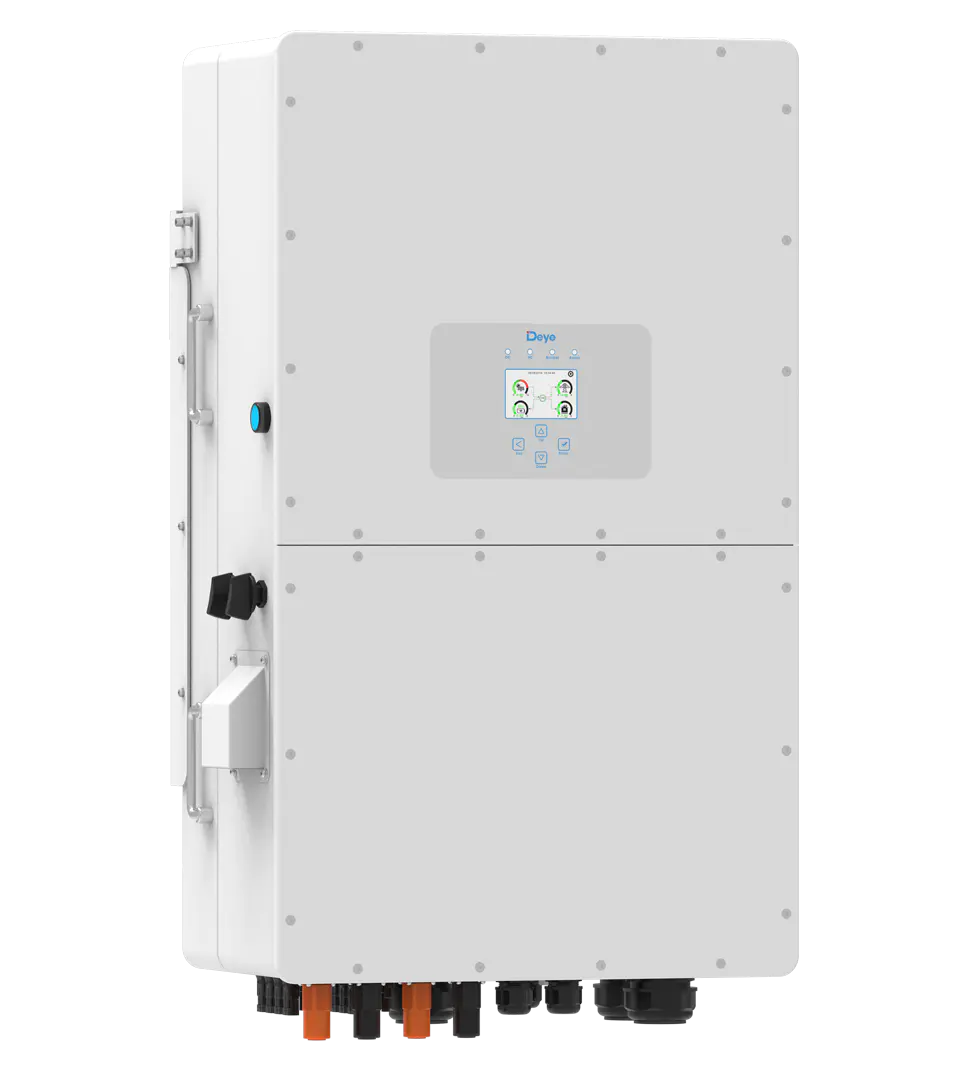
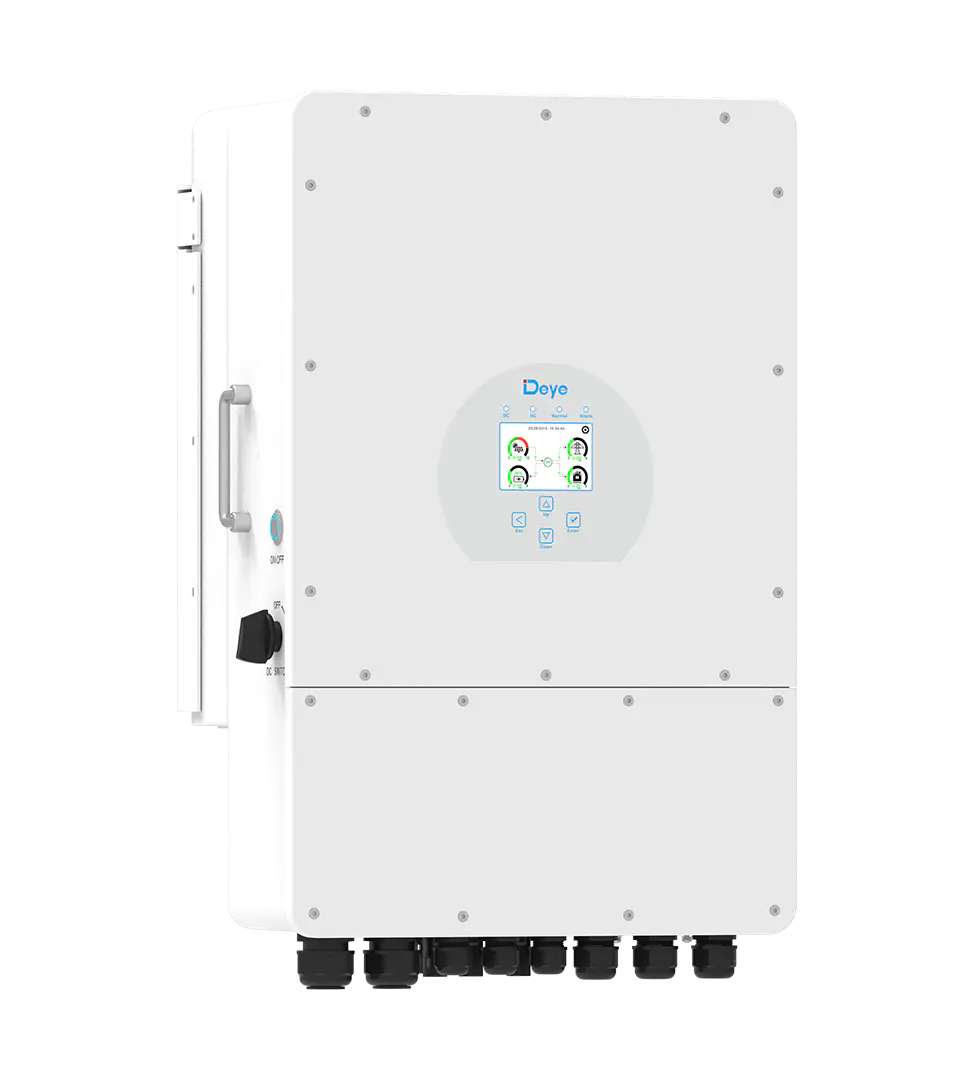
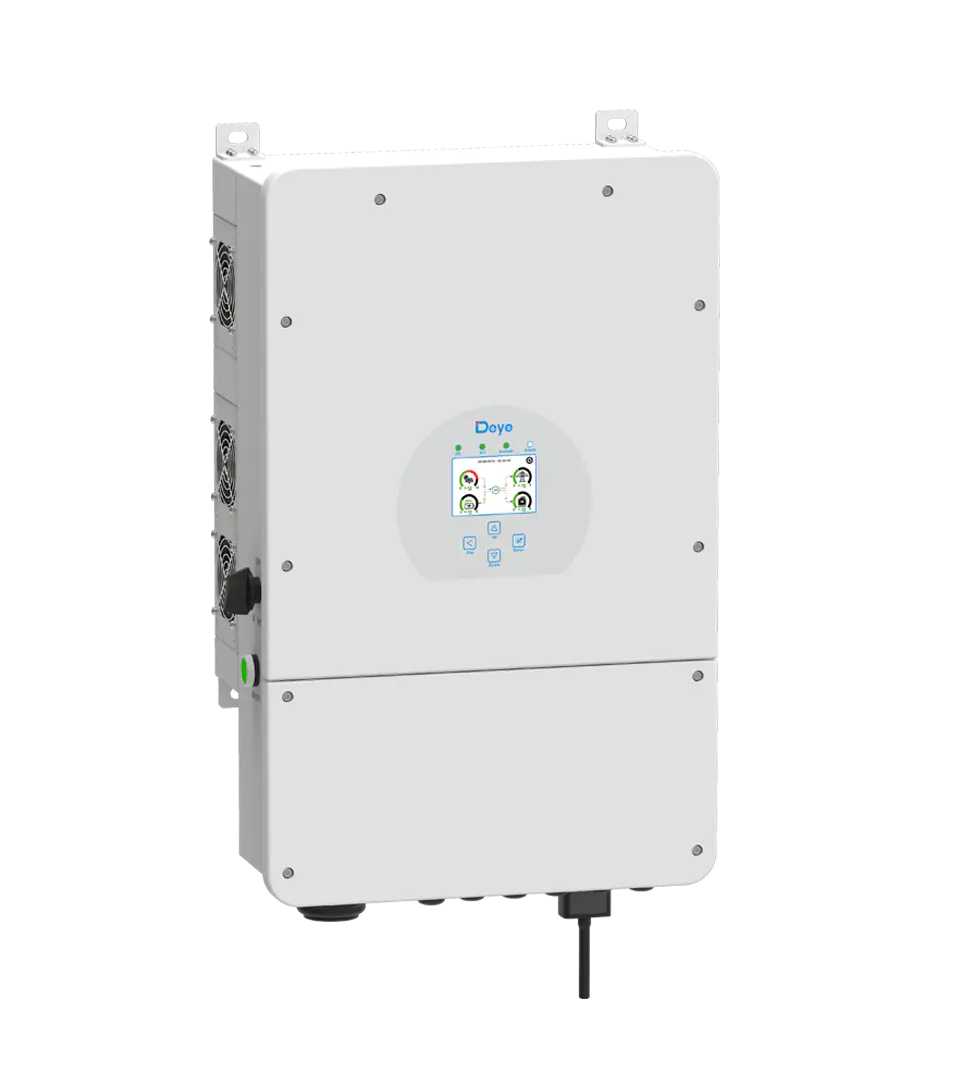
Korkealaatuinen akku-invertteri toimii keskitävänä sillana varattujen sähköenergiavarantojen ja käytännöllisen sähköenergian käytön välillä nykyaikaisissa energiakäyttöjärjestelmissä. Tämä kehittynyt laite muuntaa tasavirtaa (DC) akuista vaihtovirraksi (AC), jolla voidaan kytkeä kotitalouksien sähkölaitteet, kaupalliset laitteet ja teollisuuskoneet käyttöön. Korkealaatuinen akku-invertteri edustaa edistynyttä insinööritaitoa ja takaa luotettavan ja tehokkaan tehomuunnoksen erilaisiin sovelluksiin – kotitalouksien varavoimajärjestelmistä suurimittaisiin uusiutuvan energian asennuksiin. Korkealaatuisen akku-invertterin ydinominaisuus on akkupankkien tasajännitteen muuntaminen puhtaaksi ja vakaa vaihtojännitteeksi, joka vastaa sähköverkon vaatimuksia. Tämä muuntoprosessi hyödyntää edistynyttä puolijohdeteknologiaa ja älykkäitä ohjausjärjestelmiä jännitteen tarkkaa säätöä, taajuuden vakautta ja aaltomuodon laatua varten. Nykyaikaiset korkealaatuiset akku-invertteriyksiköt sisältävät mikroprosessoripohjaisia ohjausjärjestelmiä, jotka seuraavat tulo-olosuhteita, säätävät lähtöparametrejä ja tarjoavat kattavan järjestelmänsuojan. Nämä laitteet tarjoavat useita toimintatapoja, kuten verkkoliitosta, erillistä verkosta toimivaa toimintaa ja hybridiratkaisuja, jotka integroituvat saumattomasti aurinkopaneeleihin, tuuliturbiineihin ja sähköverkkoon. Korkealaatuisen akku-invertterin teknologinen arkkitehtuuri sisältää kehittyneitä voimatekniikan komponentteja, sähkömagneettisen häiriön suodattimia sekä lämmönhallintajärjestelmiä. Edistyneemmissä malleissa on maksimaalisen tehopisteen seuranta-algoritmeja, akkujen latausohjaimia ja älykkäitä energianhallintaprotokollia. Turvallisuusominaisuuksiin kuuluvat ylijännitesuojaus, alajännitekatkaisu, ylikuumenemisen aiheuttama pysäytys ja oikosulkusuojamekanismit. Korkealaatuisia akku-inverttereitä käytetään kotitalouksien energiavarastointijärjestelmissä, kaupallisissa varavoimaratkaisuissa, matkailuautojen asennuksissa, merenkulun sovelluksissa ja hätävoimajärjestelmissä. Nämä monikäyttöiset laitteet tukevat erilaisia akkukemiallisia ratkaisuja, kuten litiumioni-, lyijy-happo- ja uusia akkuteknologioita, mikä tekee niistä olennaisia komponentteja nykyaikaisen energiainfrastruktuurin kehityksessä ja kestävän sähköntuotannon aloitteissa.
 EN
EN