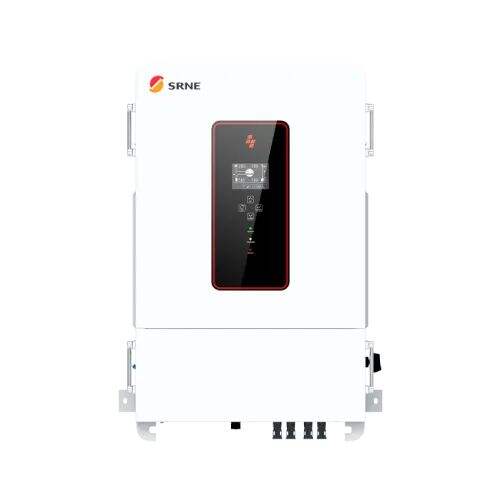
Grid Solar Inverter Solutions - Advanced Technology for Maximum Energy Efficiency and Grid Integration

Get a Free Quote

Our representative will contact you soon.
Email
Mobile/WhatsApp
Name
Company Name
Message
0/1000

grid solar inverter

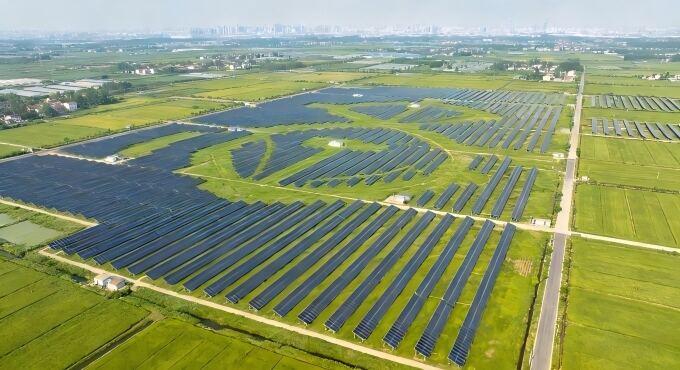
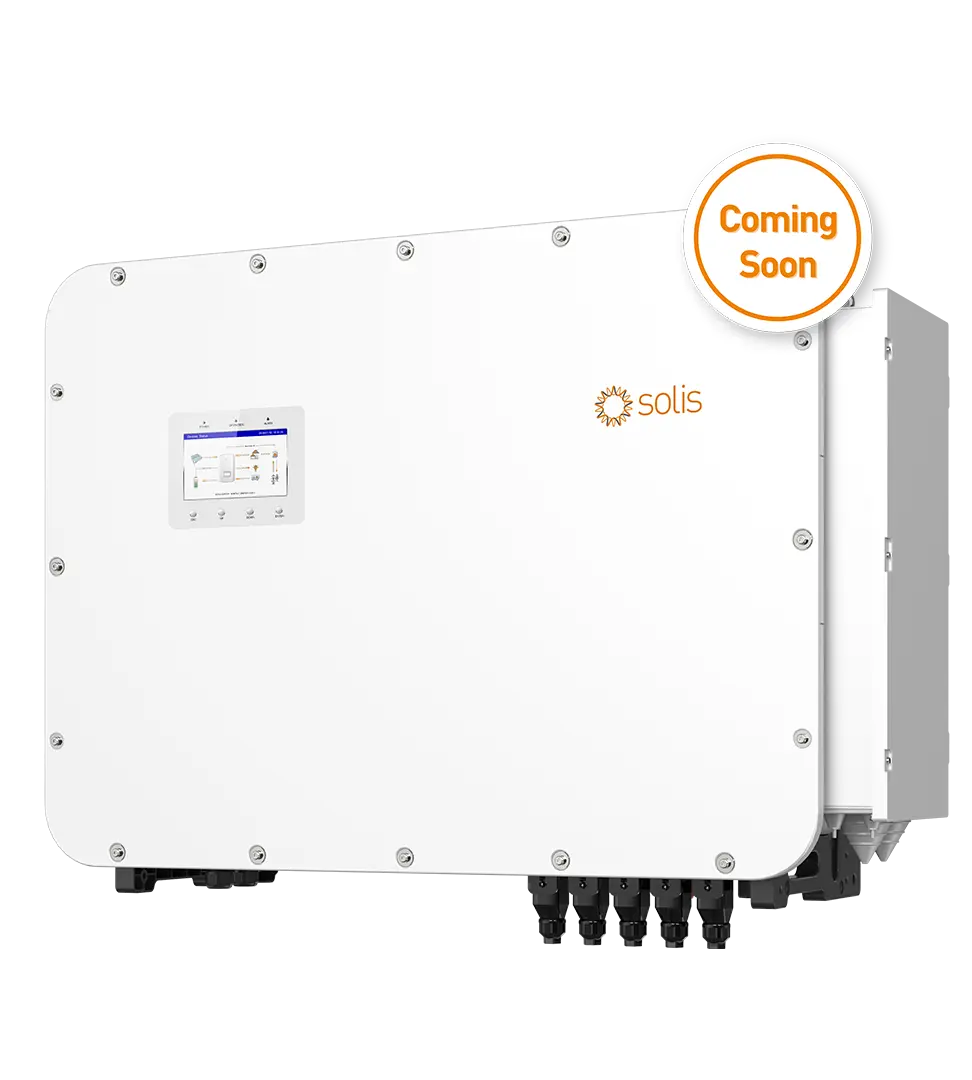
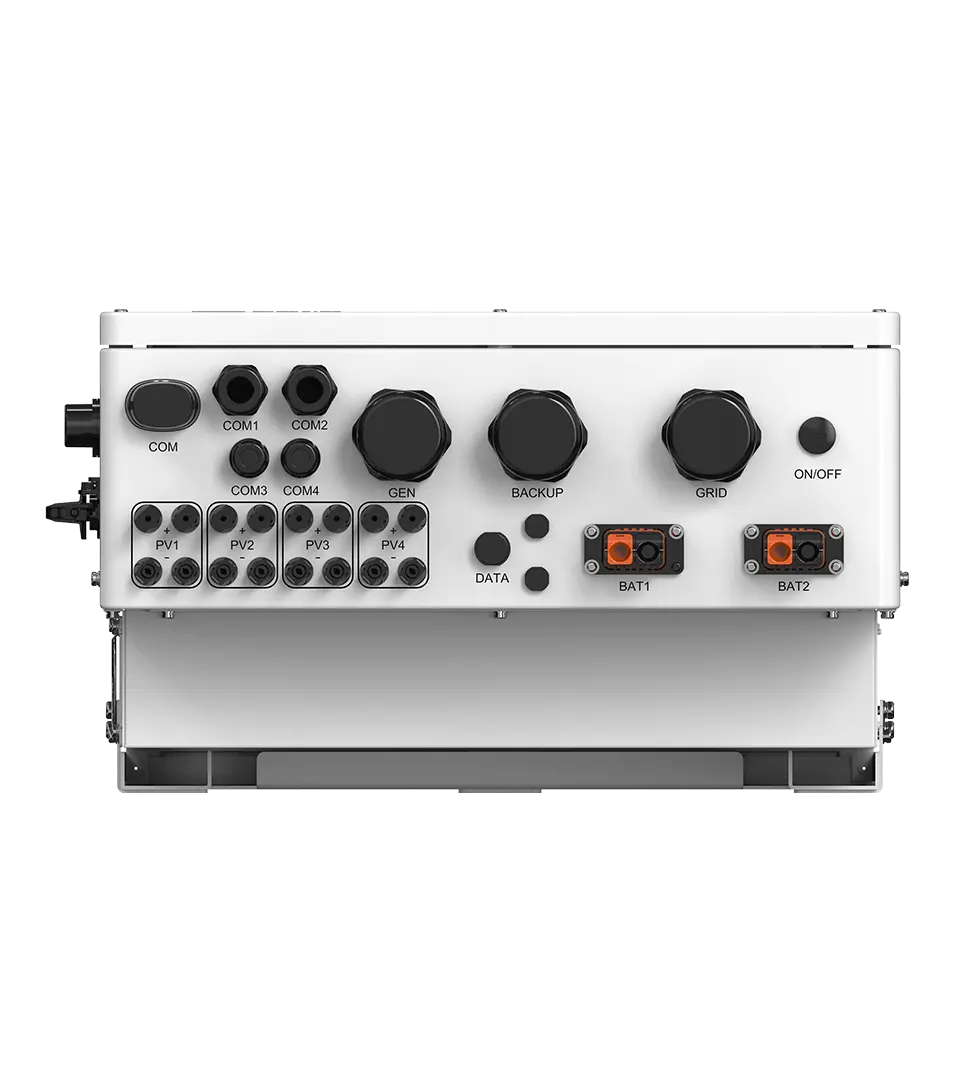
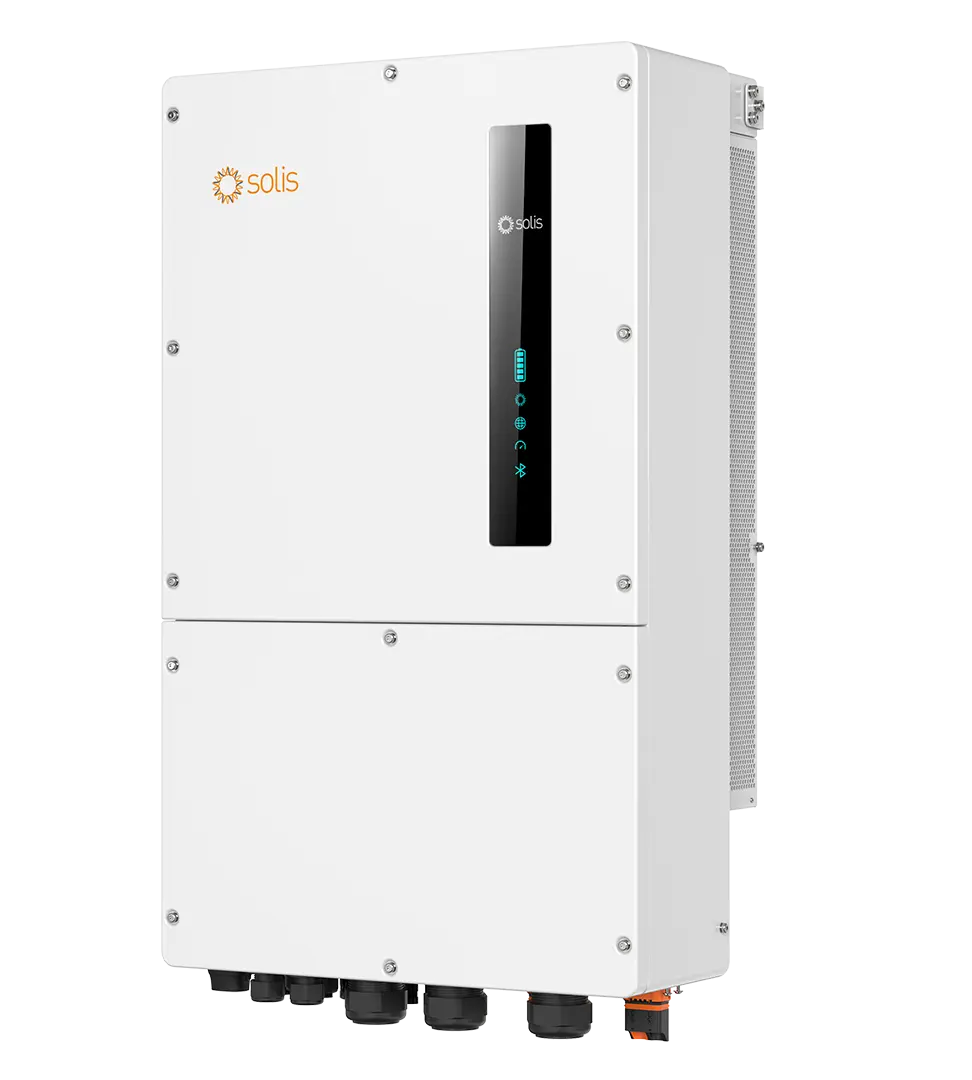
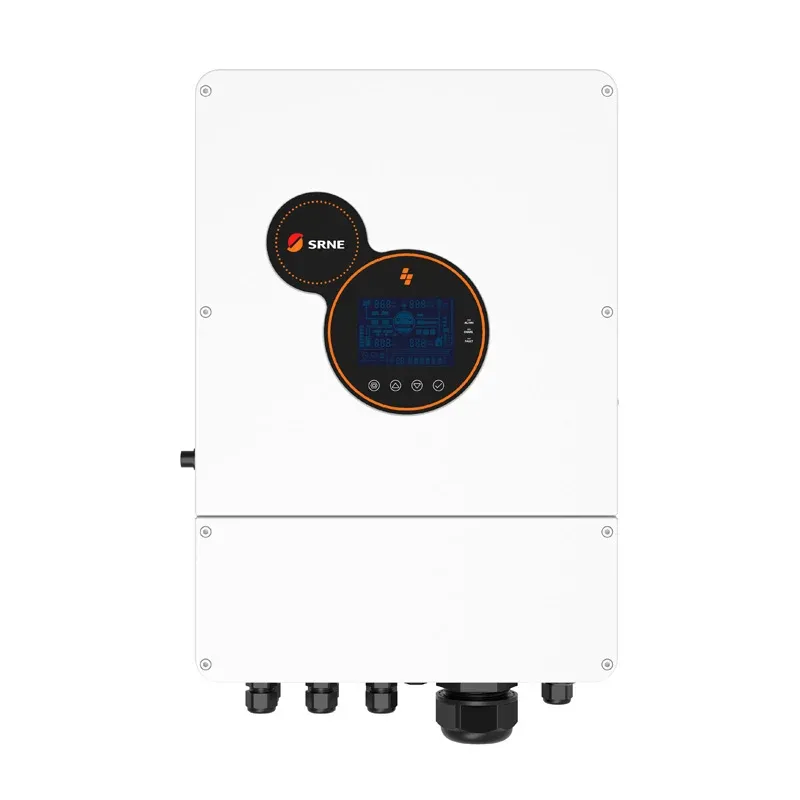
A grid solar inverter serves as the critical bridge between solar panels and the electrical grid, converting direct current (DC) electricity generated by photovoltaic panels into alternating current (AC) electricity that seamlessly integrates with utility power systems. This sophisticated device operates as the central nervous system of solar energy installations, ensuring optimal power conversion while maintaining strict safety standards and grid compliance requirements. The grid solar inverter incorporates advanced power electronics and intelligent control systems that continuously monitor solar panel performance, environmental conditions, and grid parameters to maximize energy harvest and maintain system stability. Modern grid solar inverter units feature maximum power point tracking technology that automatically adjusts operating parameters to extract the highest possible energy output from solar arrays under varying weather conditions and shading scenarios. These devices include comprehensive protection mechanisms such as anti-islanding protection, overvoltage safeguards, undervoltage monitoring, and frequency regulation to prevent equipment damage and ensure grid safety. The grid solar inverter also provides real-time monitoring capabilities through integrated communication interfaces, allowing users to track energy production, system performance metrics, and diagnostic information remotely via smartphone applications or web-based platforms. Advanced grid solar inverter models support reactive power control, voltage regulation, and grid stabilization functions that contribute to overall power system reliability and efficiency. Installation flexibility represents another key characteristic, with grid solar inverter options ranging from centralized systems for large commercial projects to distributed micro-inverters for residential applications. The technology incorporates weather-resistant enclosures designed to withstand harsh environmental conditions while maintaining consistent performance throughout extended operational lifespans typically exceeding twenty years of reliable service.

New Product Recommendations

Grid solar inverter technology delivers substantial cost savings by eliminating monthly electricity bills and providing long-term energy independence for homeowners and businesses seeking sustainable power solutions. The financial benefits extend beyond immediate utility bill reductions, as grid solar inverter systems generate renewable energy credits and potential income through net metering programs that compensate users for excess electricity fed back into the utility grid. These devices operate with exceptional efficiency ratings often exceeding 97 percent, ensuring minimal energy losses during the conversion process while maximizing return on solar panel investments. The grid solar inverter provides unmatched reliability through robust engineering and comprehensive warranty coverage that protects users against unexpected repair costs and system downtime. Environmental benefits represent another compelling advantage, as grid solar inverter installations significantly reduce carbon footprint and contribute to cleaner air quality by displacing fossil fuel consumption with clean solar energy generation. The technology offers remarkable scalability, allowing users to start with smaller systems and expand capacity over time to accommodate growing energy needs or budget considerations. Grid solar inverter systems require minimal maintenance compared to traditional generators or mechanical equipment, with most units operating maintenance-free for decades while providing consistent power conversion performance. The devices enhance property values by installing modern renewable energy infrastructure that appeals to environmentally conscious buyers and demonstrates forward-thinking energy management. Smart monitoring capabilities built into grid solar inverter units provide valuable insights into energy consumption patterns, helping users optimize electricity usage and identify opportunities for additional energy savings. The technology supports energy security by reducing dependence on volatile utility rates and providing protection against future electricity price increases that continue affecting traditional power consumers. Grid solar inverter installations qualify for various government incentives, tax credits, and rebate programs that substantially reduce initial investment costs while accelerating payback periods. The devices operate silently without producing noise pollution, making them ideal for residential neighborhoods and commercial areas where quiet operation is essential. Advanced grid solar inverter models include battery backup capabilities that provide emergency power during utility outages, ensuring critical appliances and systems remain operational when grid power is unavailable.

Latest News

Solar Product Tech Advances In 2025

20

Jan

Solar Product Tech Advances In 2025

View More
2025 Global Solar Market Demand (Emerging Markets)

20

Jan

2025 Global Solar Market Demand (Emerging Markets)

View More
Solar Products & Rural Electrification 2025

20

Jan

Solar Products & Rural Electrification 2025

View More

Get a Free Quote

Our representative will contact you soon.
Email
Mobile/WhatsApp
Name
Company Name
Message
0/1000

grid solar inverter

Maximum Power Point Tracking Technology

Maximum Power Point Tracking Technology

The maximum power point tracking technology integrated within grid solar inverter systems represents a revolutionary advancement that dramatically improves solar energy harvest efficiency and overall system performance. This sophisticated algorithm continuously monitors solar panel voltage and current characteristics throughout the day, automatically adjusting operating parameters to extract the highest possible power output under constantly changing environmental conditions. The grid solar inverter uses advanced microprocessors and intelligent control circuits to perform thousands of calculations per second, identifying the optimal operating point where solar panels deliver maximum power generation. This technology becomes particularly valuable during partial shading conditions, cloud cover, or temperature fluctuations that would otherwise significantly reduce energy production in conventional systems. The maximum power point tracking capability ensures that grid solar inverter installations consistently outperform fixed-parameter systems by up to 30 percent in real-world applications. The technology adapts to different solar panel types and configurations, making grid solar inverter units compatible with various photovoltaic technologies including monocrystalline, polycrystalline, and thin-film panels. Advanced grid solar inverter models feature multiple maximum power point tracking channels that optimize individual panel strings independently, preventing underperforming panels from affecting the entire array output. This intelligent power optimization extends beyond basic voltage regulation, incorporating predictive algorithms that anticipate changing conditions and preemptively adjust parameters to maintain peak performance. The maximum power point tracking technology built into grid solar inverter systems provides significant economic benefits by maximizing energy production and accelerating return on investment timelines for solar installations of all sizes.
Advanced Grid Synchronization and Safety Features

Advanced Grid Synchronization and Safety Features

Grid solar inverter systems incorporate sophisticated synchronization technology and comprehensive safety mechanisms that ensure seamless integration with utility power networks while maintaining the highest levels of operational safety and reliability. The advanced grid synchronization capabilities enable grid solar inverter units to precisely match utility frequency, voltage, and phase characteristics before connecting to the electrical grid, preventing power quality issues and equipment damage. These devices continuously monitor grid conditions using high-precision sensors and control circuits that detect voltage fluctuations, frequency deviations, and harmonic distortions within milliseconds of occurrence. The grid solar inverter automatically disconnects from the utility grid whenever abnormal conditions are detected, protecting both the solar system and utility infrastructure from potential damage or safety hazards. Anti-islanding protection represents a critical safety feature that prevents grid solar inverter systems from continuing to energize utility lines during power outages, eliminating risks to utility workers performing maintenance or repairs. The technology includes comprehensive surge protection, lightning arrestors, and electromagnetic interference filters that safeguard sensitive electronic components against environmental hazards and electrical disturbances. Advanced grid solar inverter models feature rapid shutdown capabilities that immediately de-energize DC wiring systems when activated, enhancing firefighter safety and code compliance requirements. Ground fault detection circuits continuously monitor electrical isolation integrity, automatically shutting down the system if dangerous ground fault conditions develop. The grid solar inverter incorporates temperature monitoring, overcurrent protection, and thermal management systems that prevent overheating and ensure reliable operation across wide temperature ranges. Communication interfaces built into grid solar inverter units provide real-time status updates and diagnostic information to utility operators, supporting grid stability and enabling proactive maintenance scheduling.
Smart Monitoring and Remote Management Capabilities

Smart Monitoring and Remote Management Capabilities

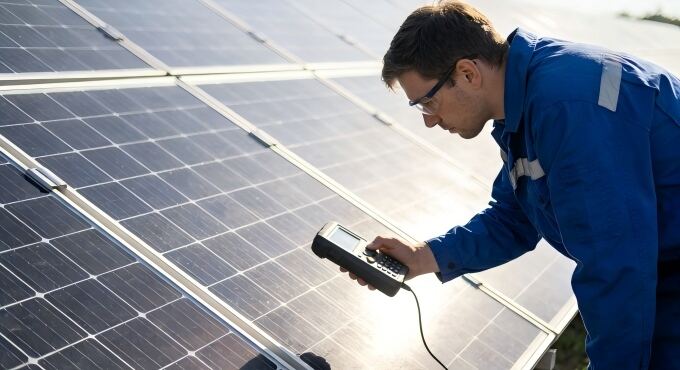
Modern grid solar inverter technology features comprehensive smart monitoring and remote management capabilities that revolutionize how users interact with and optimize their solar energy systems through advanced digital connectivity and intelligent data analytics. The integrated monitoring platform provides real-time visibility into energy production, consumption patterns, and system performance metrics accessible through intuitive smartphone applications and web-based dashboards. Grid solar inverter units continuously collect and analyze operational data including power output, efficiency ratings, environmental conditions, and equipment status to identify optimization opportunities and potential maintenance needs. The smart monitoring system generates detailed performance reports and historical trend analysis that help users understand energy production patterns and validate expected return on investment calculations. Advanced grid solar inverter models include predictive maintenance features that analyze system behavior patterns to identify potential issues before they impact performance or require costly repairs. The remote management capabilities allow authorized technicians to diagnose problems, adjust system parameters, and perform software updates without requiring on-site visits, reducing service costs and minimizing system downtime. Weather integration features combine local meteorological data with grid solar inverter monitoring to provide accurate energy production forecasts and optimize system operation based on predicted conditions. The technology supports integration with smart home automation systems, enabling grid solar inverter installations to coordinate with energy storage systems, electric vehicle chargers, and intelligent appliances for comprehensive energy management. Mobile notifications and alert systems keep users informed about system status, maintenance requirements, and performance milestones through customizable messaging preferences. The grid solar inverter monitoring platform includes energy usage analytics that help identify opportunities to shift consumption to peak production periods, maximizing self-consumption and reducing grid dependency. Advanced cybersecurity protocols protect grid solar inverter communication systems against unauthorized access while ensuring data privacy and system integrity throughout the operational lifecycle.

Get a Free Quote

Our representative will contact you soon.
Email
Mobile/WhatsApp
Name
Company Name
Message
0/1000