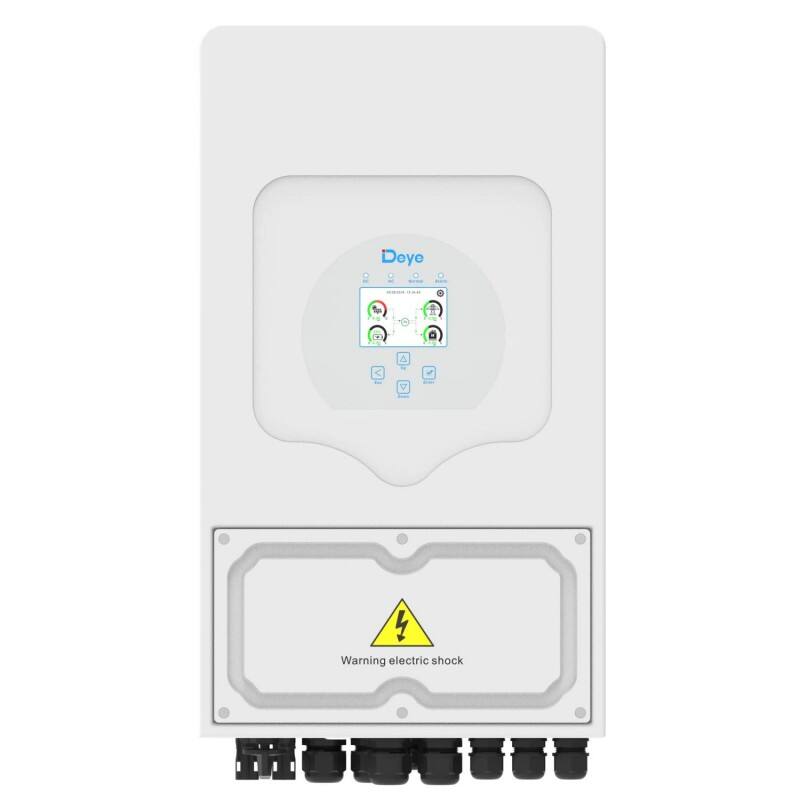
Solar Cooling System: Revolutionary Energy-Efficient Air Conditioning Technology

Get a Free Quote

Our representative will contact you soon.
Email
Mobile/WhatsApp
Name
Company Name
Message
0/1000

solar cooling system

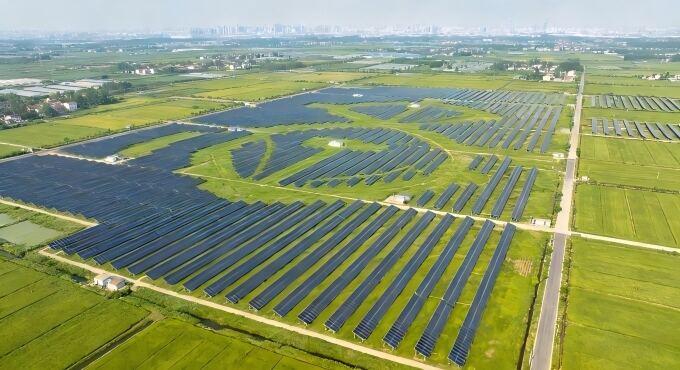
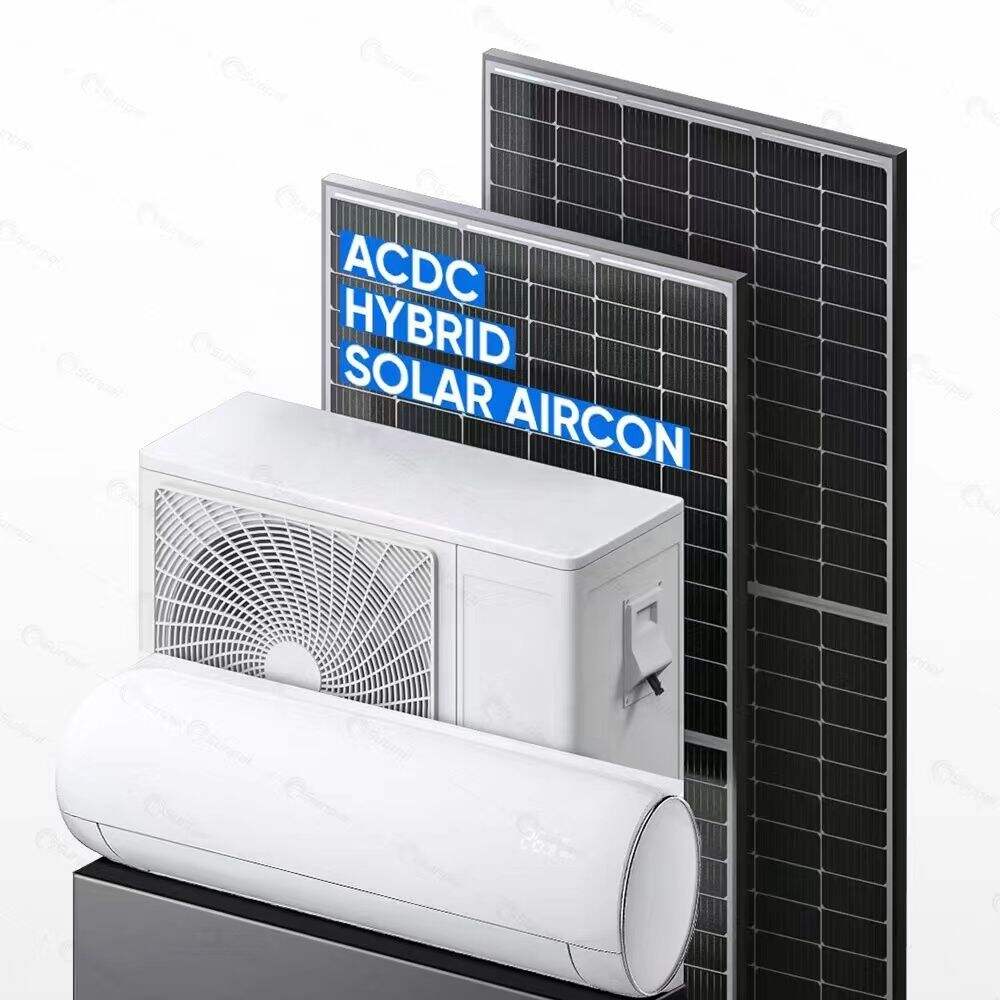
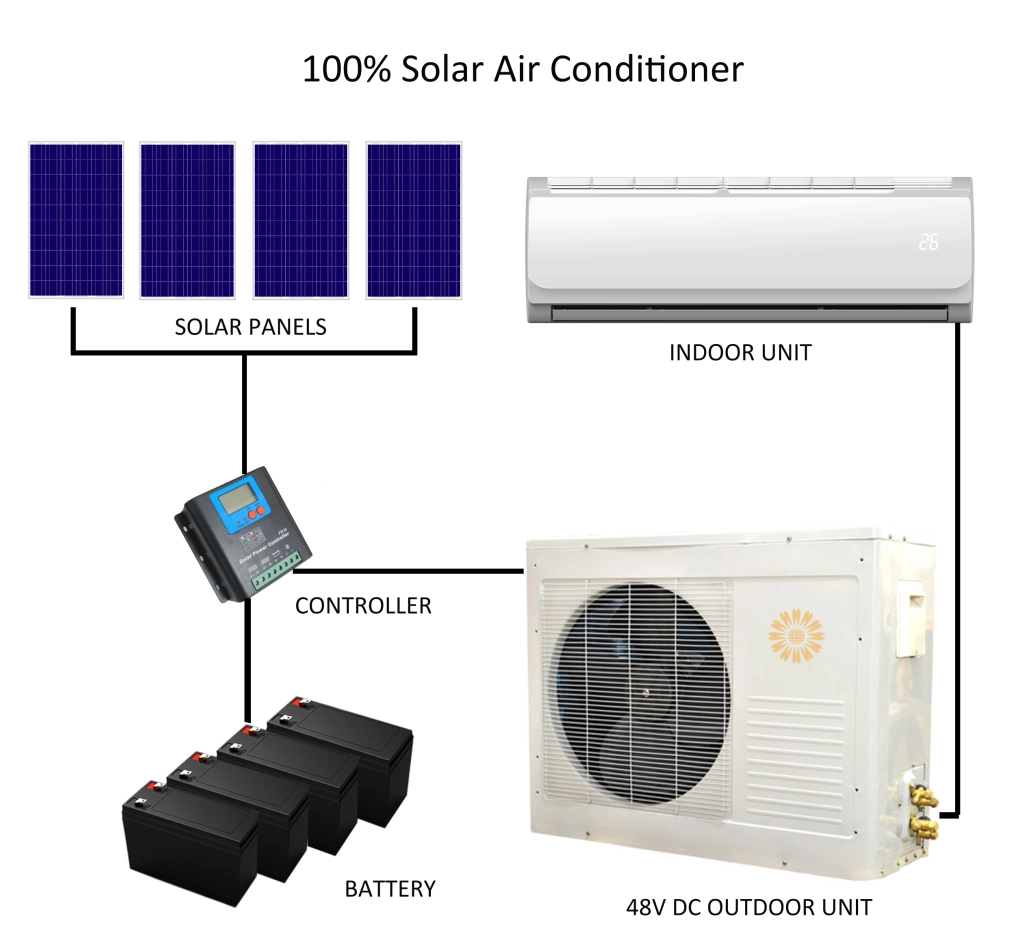
The solar cooling system represents a revolutionary approach to temperature control that harnesses renewable solar energy to provide efficient cooling solutions for residential, commercial, and industrial applications. This innovative technology transforms solar radiation into cooling power through advanced thermodynamic processes, offering an environmentally sustainable alternative to conventional air conditioning systems. The solar cooling system operates on the principle of absorption or adsorption cooling, utilizing solar collectors to capture sunlight and convert it into thermal energy that drives the cooling cycle. The main functions of a solar cooling system encompass space cooling, dehumidification, and temperature regulation across various building types and climates. These systems integrate seamlessly with existing HVAC infrastructure while reducing dependence on grid electricity and fossil fuels. The technological features of modern solar cooling systems include high-efficiency solar collectors, advanced heat exchangers, intelligent control systems, and desiccant wheels for humidity control. These components work together to create a comprehensive cooling solution that adapts to varying solar conditions and cooling demands throughout the day. Applications for solar cooling systems span across multiple sectors, including residential homes, office buildings, hospitals, schools, data centers, and manufacturing facilities. The technology proves particularly effective in regions with abundant sunshine and high cooling demands, where traditional cooling methods consume substantial amounts of electricity. Solar cooling systems can be configured as standalone units or integrated with existing cooling infrastructure to create hybrid solutions that maximize efficiency and reliability. The versatility of these systems allows for customization based on specific cooling requirements, building characteristics, and local climate conditions, making them suitable for both new construction projects and retrofit applications in existing structures.

New Products

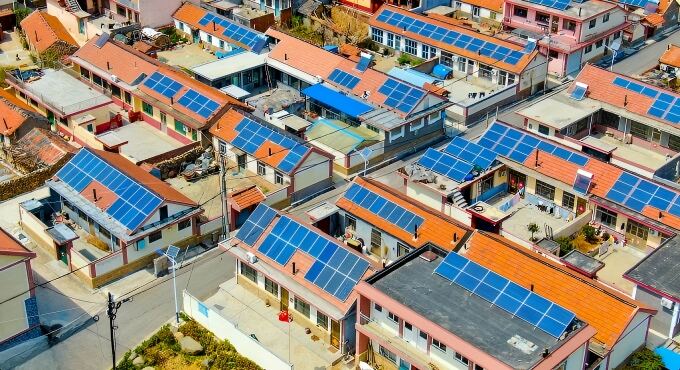
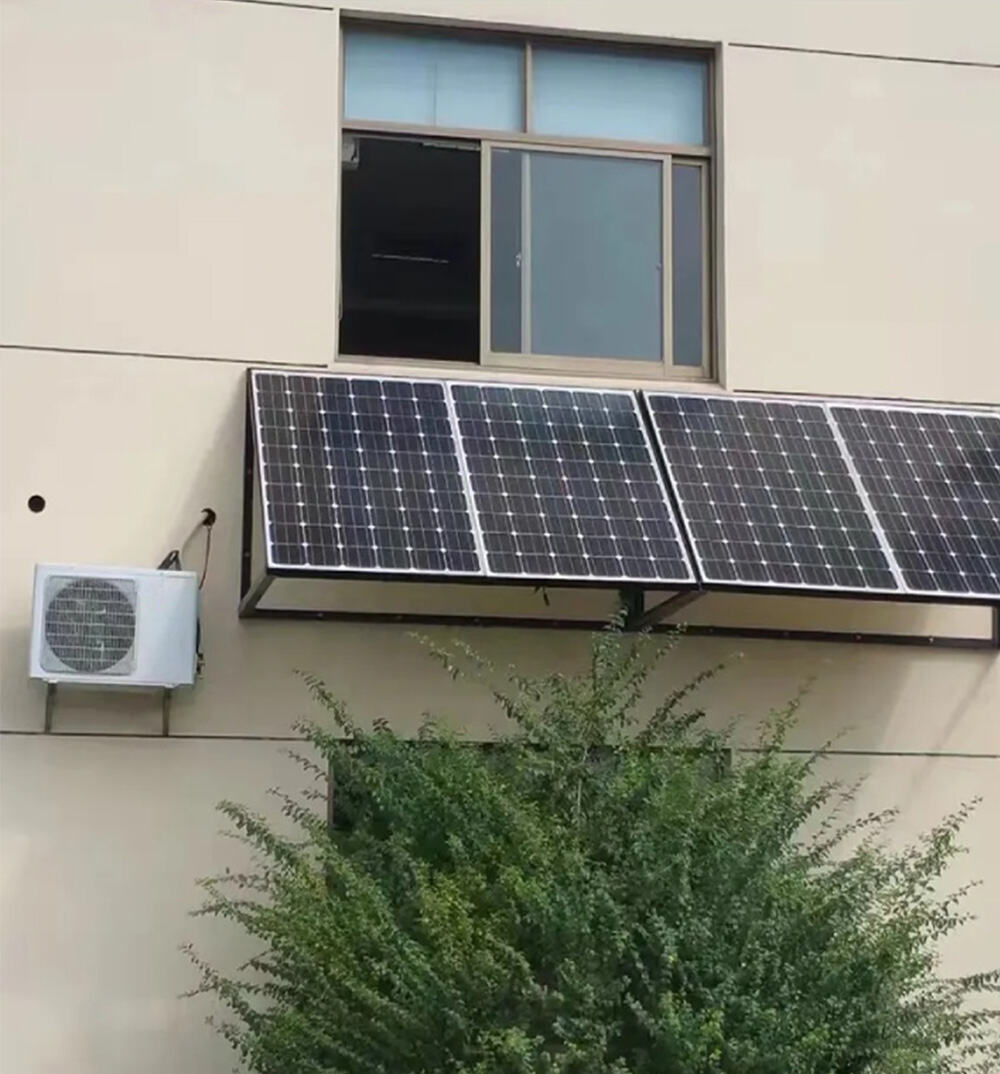
Solar cooling systems deliver remarkable cost savings by dramatically reducing electricity bills, as they operate primarily on free solar energy rather than expensive grid power. Property owners experience immediate financial benefits through lower monthly utility costs, while also qualifying for various government incentives, tax credits, and rebates designed to encourage renewable energy adoption. The environmental advantages are equally compelling, as solar cooling systems produce zero direct emissions during operation, significantly reducing carbon footprints and contributing to cleaner air quality in communities. These systems help combat climate change by decreasing reliance on fossil fuel-powered electricity generation, making them an essential component of sustainable building practices. The reliability of solar cooling systems exceeds expectations, with most units operating efficiently for 20-25 years with minimal maintenance requirements. Unlike traditional air conditioning systems that suffer from frequent breakdowns and costly repairs, solar cooling technology features fewer moving parts and operates at lower pressures, resulting in enhanced durability and reduced maintenance costs. Energy independence becomes a reality with solar cooling systems, as property owners gain protection against rising electricity rates and power outages that commonly affect conventional cooling systems. The technology provides consistent cooling performance even during peak demand periods when utility costs reach their highest levels. Installation flexibility represents another significant advantage, as solar cooling systems can be mounted on rooftops, ground-mounted in available spaces, or integrated into building facades depending on site conditions and aesthetic preferences. The modular design allows for scalable installations that can grow with changing cooling needs over time. Improved indoor air quality results from advanced filtration and dehumidification capabilities built into most solar cooling systems, creating healthier living and working environments. The quiet operation of these systems eliminates the noise pollution associated with traditional air conditioning units, contributing to more peaceful indoor and outdoor spaces. Solar cooling systems also increase property values, as energy-efficient buildings command higher market prices and attract environmentally conscious buyers and tenants who prioritize sustainability features.

Practical Tips

Solar Product Tech Advances In 2025

20

Jan

Solar Product Tech Advances In 2025

View More
2025 Global Solar Market Demand (Emerging Markets)

20

Jan

2025 Global Solar Market Demand (Emerging Markets)

View More
Solar Products & Rural Electrification 2025

20

Jan

Solar Products & Rural Electrification 2025

View More

Get a Free Quote

Our representative will contact you soon.
Email
Mobile/WhatsApp
Name
Company Name
Message
0/1000

solar cooling system

Zero Operating Cost Technology

Zero Operating Cost Technology

The solar cooling system transforms sunlight directly into cooling power, eliminating ongoing electricity costs that typically account for the largest expense in traditional air conditioning operations. This groundbreaking technology captures solar energy through high-performance collectors during peak sunshine hours, storing thermal energy that continues providing cooling even when the sun sets. Property owners experience immediate financial relief as monthly utility bills drop significantly, often by 60-80 percent compared to conventional cooling methods. The system pays for itself through energy savings within 5-7 years, after which it provides completely free cooling for the remainder of its 20+ year lifespan. Advanced energy storage capabilities ensure consistent cooling performance throughout day and night cycles, maintaining comfortable indoor temperatures without drawing power from the electrical grid. The financial predictability offered by solar cooling systems protects property owners from volatile electricity rates and seasonal price spikes that commonly affect traditional cooling costs. Smart monitoring systems track energy production and consumption in real-time, allowing users to optimize system performance and maximize cost savings. The technology proves especially valuable for commercial properties with high cooling demands, where electricity costs can represent a substantial portion of operating expenses. Government incentives and tax credits further enhance the financial benefits, often covering 30-50 percent of initial installation costs and accelerating return on investment timelines. Long-term maintenance costs remain minimal due to the robust design and fewer mechanical components compared to traditional cooling systems, ensuring sustained savings throughout the system's operational life. The economic advantages extend beyond direct cost savings, as properties equipped with solar cooling systems command higher resale values and attract quality tenants willing to pay premium rents for energy-efficient spaces.
Environmental Sustainability Champion

Environmental Sustainability Champion

The solar cooling system stands as a powerful solution for reducing environmental impact while maintaining optimal indoor comfort levels across residential and commercial applications. This technology eliminates carbon emissions associated with electricity-powered cooling, preventing thousands of pounds of CO2 from entering the atmosphere annually. Each installed solar cooling system equivalent to planting 100+ trees in terms of environmental benefit, making it a crucial tool in fighting climate change at the individual property level. The system operates on abundant renewable solar energy, reducing dependence on fossil fuel power plants that contribute to air pollution and greenhouse gas emissions. Advanced refrigerants used in solar cooling systems feature low global warming potential, further minimizing environmental impact compared to traditional cooling methods that rely on harmful chemical refrigerants. Water conservation represents another environmental advantage, as solar cooling systems require minimal water usage compared to evaporative cooling methods commonly used in arid regions. The manufacturing process of solar cooling components increasingly utilizes recycled materials and sustainable production methods, creating a complete lifecycle of environmental responsibility. End-of-life recyclability ensures that system components can be repurposed rather than contributing to landfill waste when replacement becomes necessary after decades of service. The technology supports grid stability by reducing peak electricity demand during hot summer days when air conditioning usage typically strains power infrastructure and increases the risk of blackouts. Community-wide adoption of solar cooling systems creates measurable improvements in local air quality, particularly in urban areas where traditional cooling systems contribute to heat island effects and smog formation. The environmental benefits multiply when solar cooling systems integrate with other renewable energy technologies, creating comprehensive sustainable building solutions that demonstrate corporate environmental responsibility and attract environmentally conscious customers and employees.
Advanced Performance Engineering

Advanced Performance Engineering

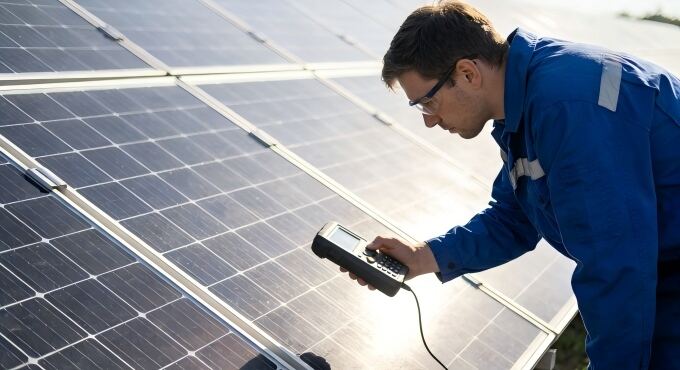
The solar cooling system incorporates cutting-edge engineering innovations that deliver superior performance, reliability, and efficiency compared to conventional cooling technologies. Precision-engineered solar collectors utilize advanced selective coatings and optical designs to maximize solar energy capture, achieving efficiency ratings exceeding 75 percent even under challenging weather conditions. Intelligent control systems continuously monitor solar radiation, ambient temperature, and cooling demand to automatically optimize system operation and maximize energy utilization throughout varying daily conditions. The technology features sophisticated thermal storage capabilities that maintain cooling capacity during cloudy periods and nighttime hours, ensuring consistent comfort without performance interruptions. Advanced heat exchangers constructed from corrosion-resistant materials provide exceptional heat transfer efficiency while withstanding harsh environmental conditions for decades of reliable operation. The system design incorporates multiple redundancies and fail-safes to ensure continuous operation even if individual components require maintenance, minimizing downtime and maintaining occupant comfort. Precision temperature control capabilities allow users to maintain exact comfort levels while automatically adjusting to changing occupancy patterns and external conditions. The modular architecture enables seamless integration with existing HVAC systems, allowing property owners to maintain backup cooling capacity during system maintenance or extreme weather events. State-of-the-art sensors throughout the system provide real-time performance data and predictive maintenance alerts, preventing unexpected failures and optimizing long-term reliability. The engineering excellence extends to quiet operation features that eliminate noise pollution commonly associated with traditional air conditioning systems, creating peaceful indoor and outdoor environments. Advanced filtration and air purification capabilities built into solar cooling systems improve indoor air quality by removing pollutants, allergens, and humidity that can cause health problems and building damage. Remote monitoring and diagnostic capabilities allow technicians to identify and resolve performance issues quickly, often without requiring on-site visits, reducing maintenance costs and system downtime while ensuring optimal performance throughout the system's operational lifetime.

Get a Free Quote

Our representative will contact you soon.
Email
Mobile/WhatsApp
Name
Company Name
Message
0/1000