 EN
EN

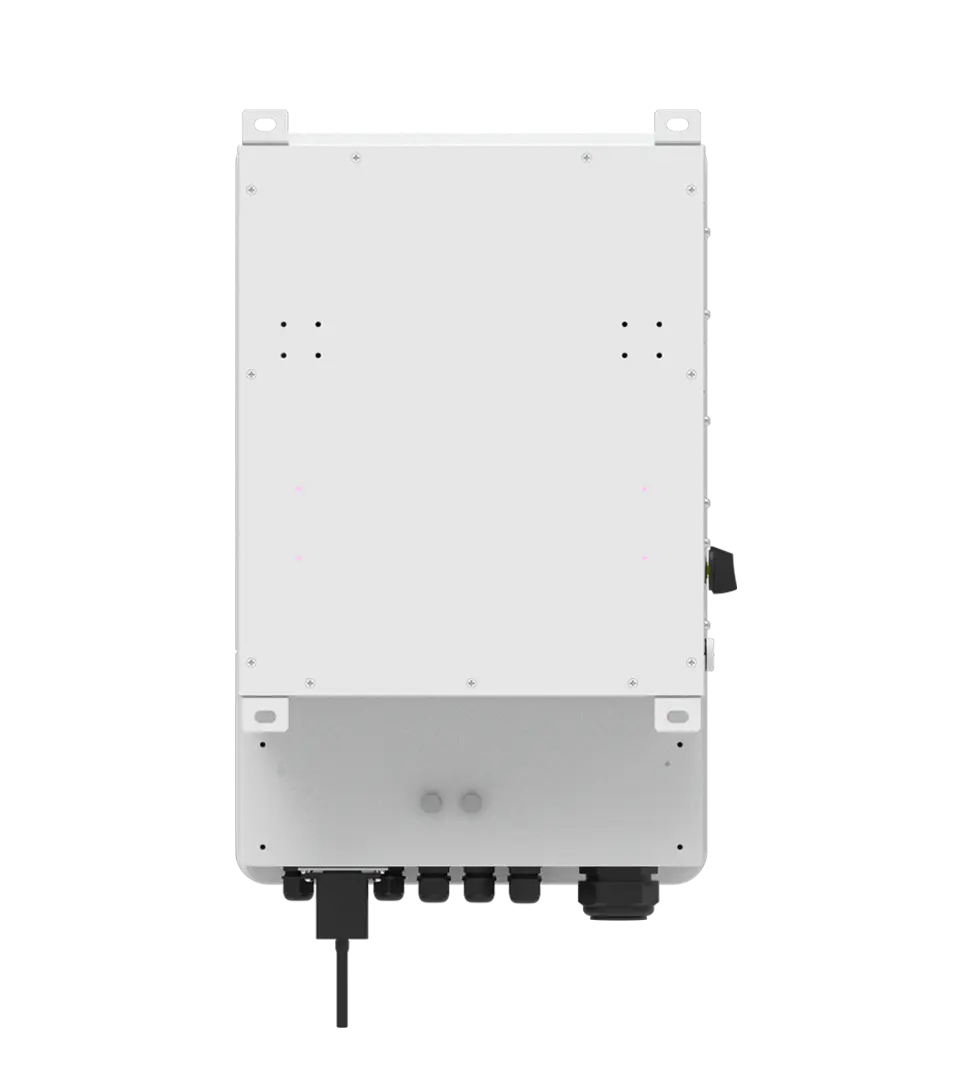
Installing a hybrid inverter in 2026 involves several cost factors that homeowners and businesses must carefully consider. The total investment typically ranges from $2,500 to $8,000 for residential installations, while commercial projects can reach $15,000 or more depending on system complexity and capacity requirements. Understanding these costs helps property owners make informed decisions about their energy storage and solar power investments.
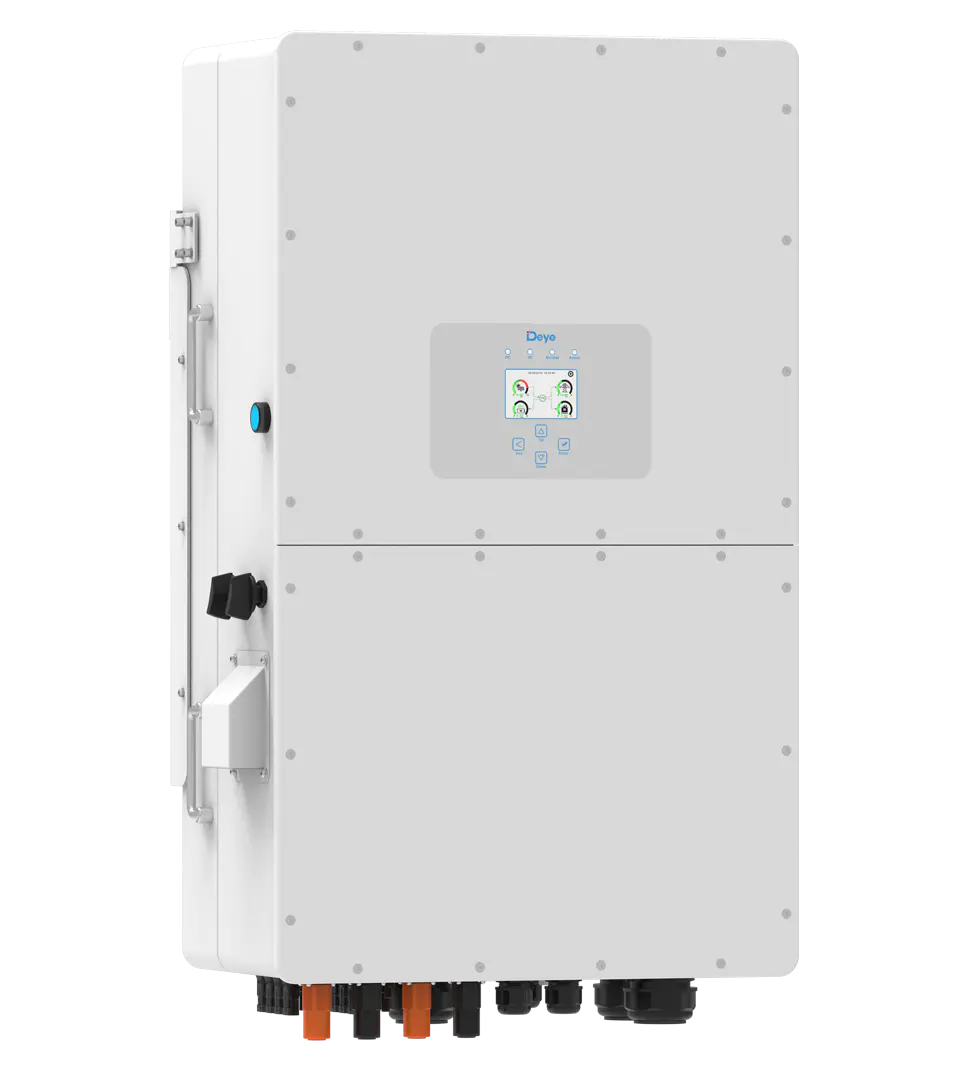
The cost of hybrid inverter installation extends beyond the equipment price itself, encompassing labor, permits, electrical upgrades, and ongoing maintenance considerations. Market conditions in 2026 reflect increased availability of advanced hybrid inverter technologies, improved manufacturing efficiency, and competitive pricing structures that benefit consumers seeking reliable energy solutions.
Equipment Costs and Pricing Factors
Hybrid Inverter Unit Pricing
The core hybrid inverter unit represents the largest single expense in most installation projects. Entry-level hybrid inverter systems suitable for small residential applications typically cost between $1,200 and $2,500, offering basic functionality with standard efficiency ratings. Mid-range units priced from $2,500 to $4,500 provide enhanced features such as advanced monitoring capabilities, higher power ratings, and improved surge protection.
Premium hybrid inverter models command prices between $4,500 and $7,000, delivering superior efficiency ratings, extended warranty coverage, and sophisticated grid-tie capabilities. These high-end systems often incorporate cutting-edge technology including artificial intelligence optimization, predictive maintenance features, and seamless integration with smart home energy management systems.
Power Rating Impact on Cost
The power capacity of a hybrid inverter directly influences its purchase price and installation complexity. Smaller residential units rated at 3-5 kW typically cost less initially but may require multiple units for larger homes or businesses. Standard 5-8 kW hybrid inverter systems represent the sweet spot for most residential applications, balancing cost efficiency with adequate power handling capability.
Commercial-grade hybrid inverter installations often require 10 kW or higher ratings, with costs scaling proportionally. Larger systems benefit from economies of scale in both equipment pricing and installation efficiency, making them cost-effective for businesses with substantial energy demands. The relationship between power rating and cost follows a generally linear progression, though bulk purchasing can reduce per-kilowatt expenses.
Installation Labor and Professional Services
Electrical Work Requirements
Professional electrical installation represents a significant portion of total hybrid inverter costs, typically accounting for 20-35% of the project budget. Certified electricians must handle all grid connections, safety disconnects, and code compliance requirements, with hourly rates ranging from $75 to $150 depending on regional market conditions and project complexity.
Complex installations requiring electrical panel upgrades, new circuit installations, or extensive conduit work can increase labor costs substantially. Properties with older electrical systems may need additional safety upgrades to support modern hybrid inverter technology, adding $500 to $2,000 to the total project cost.
Permit and Inspection Fees
Municipal permits and inspection fees vary significantly across jurisdictions but typically range from $200 to $800 for residential hybrid inverter installations. These costs cover plan review, electrical permits, and mandatory safety inspections required before system activation. Some localities have streamlined permitting processes that reduce both time and cost for standard installations.
Commercial hybrid inverter projects often face more complex permitting requirements, with fees reaching $1,500 or more for larger installations. Engineering reviews, structural assessments, and utility interconnection studies may add additional costs but ensure system safety and regulatory compliance throughout the installation process.
System Configuration and Component Integration
Battery Storage Integration Costs
Hybrid inverter systems require compatible battery storage to maximize their functionality, adding substantial cost to the overall installation. Lithium-ion battery packs suitable for residential applications typically cost $400 to $800 per kWh of storage capacity, with most homes requiring 10-20 kWh for adequate backup power during outages.
The integration complexity between the hybrid inverter and battery storage affects installation labor costs significantly. Systems with standardized communication protocols and plug-and-play connectivity reduce installation time and associated labor expenses, while custom configurations may require additional programming and testing phases.
Monitoring and Control Systems
Modern hybrid inverter installations benefit from sophisticated monitoring systems that track performance, identify maintenance needs, and optimize energy usage patterns. Basic monitoring packages add $200 to $600 to the installation cost but provide valuable insights into system performance and potential issues.
Advanced monitoring solutions with smartphone connectivity, predictive analytics, and automated reporting capabilities can cost $600 to $1,200 additional. These systems often pay for themselves through improved efficiency and early problem detection, making them worthwhile investments for most hybrid inverter applications.
Market Trends Affecting 2026 Pricing
Technology Advancement Impact
Technological improvements in hybrid inverter design and manufacturing continue to drive down costs while improving performance capabilities. Enhanced semiconductor efficiency, simplified installation procedures, and standardized component interfaces reduce both equipment and labor expenses for consumers in 2026.
Mass production scaling and increased competition among manufacturers contribute to more favorable pricing structures across all hybrid inverter categories. These market dynamics benefit consumers through improved price-performance ratios and extended warranty coverage that reduces long-term ownership costs.
Regional Cost Variations
Geographic location significantly influences hybrid inverter installation costs due to varying labor rates, permit fees, and local electrical code requirements. Urban markets with higher living costs typically see installation prices 15-25% above rural areas, though increased competition may offset some of these differences.
Regional incentive programs, utility rebates, and tax credits can substantially reduce net hybrid inverter installation costs in certain areas. These financial incentives often change annually, making timing an important consideration for cost-conscious consumers planning their installations.
Long-term Cost Considerations and Return on Investment
Maintenance and Operational Expenses
Ongoing maintenance costs for hybrid inverter systems remain relatively low, typically requiring annual inspections costing $150 to $300 and occasional firmware updates provided by manufacturers. Quality hybrid inverter units often operate maintenance-free for 10-15 years with proper installation and environmental protection.
Battery replacement represents the most significant long-term cost, with lithium-ion systems typically requiring replacement after 10-12 years of service. Planning for eventual battery replacement helps property owners understand the total cost of ownership and budget appropriately for future expenses.
Energy Savings and Payback Period
Hybrid inverter systems generate savings through reduced grid electricity consumption, peak demand charge avoidance, and emergency backup capabilities during power outages. Typical payback periods range from 6-12 years depending on local electricity rates, usage patterns, and available incentive programs.
Properties with time-of-use electricity rates benefit most from hybrid inverter installations, as stored energy can offset expensive peak-hour grid consumption. These economic advantages become more pronounced as utility rates continue increasing and hybrid inverter technology becomes more efficient and affordable.
FAQ
What is the average total cost for a complete hybrid inverter installation in 2026?
A complete residential hybrid inverter installation typically costs between $8,000 and $15,000 including equipment, battery storage, labor, and permits. This price range covers most standard installations with 5-8 kW hybrid inverter capacity and 10-15 kWh of battery storage, providing adequate backup power for average households.
Are there financing options available for hybrid inverter installations?
Yes, multiple financing options exist including solar loans, home equity lines of credit, and manufacturer financing programs. Many installers offer zero-down payment plans with competitive interest rates, while federal and state tax credits can significantly reduce the effective cost of hybrid inverter systems.
How do hybrid inverter costs compare to traditional string inverters?
Hybrid inverter systems cost approximately 40-60% more than traditional string inverter installations due to their advanced functionality and battery integration capabilities. However, the additional investment provides backup power, energy storage, and grid independence benefits that traditional inverters cannot deliver.
Can I install a hybrid inverter myself to save on labor costs?
Hybrid inverter installation requires licensed electrical work and permits in most jurisdictions, making professional installation mandatory for safety and code compliance. Attempting DIY installation typically voids equipment warranties and may create safety hazards or insurance complications that outweigh any potential cost savings.