 EN
EN

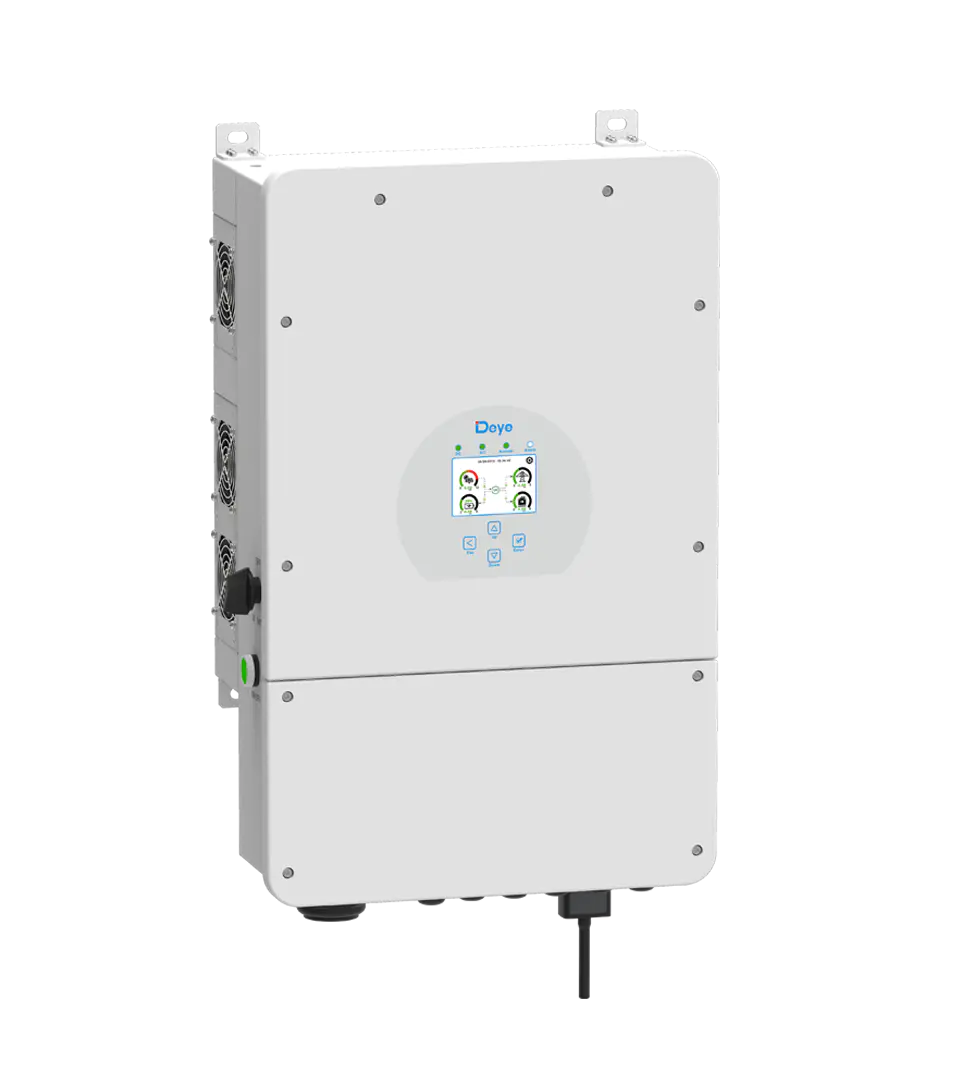
A hybrid inverter represents a fundamental shift in residential and commercial energy management. Unlike traditional inverters that handle only one power source, a hybrid inverter integrates multiple energy sources into a single, intelligent system. This hybrid inverter technology combines solar panels, battery storage, and grid power to create a resilient, cost-effective energy solution that adapts to your household or facility's changing demands throughout the day and night.
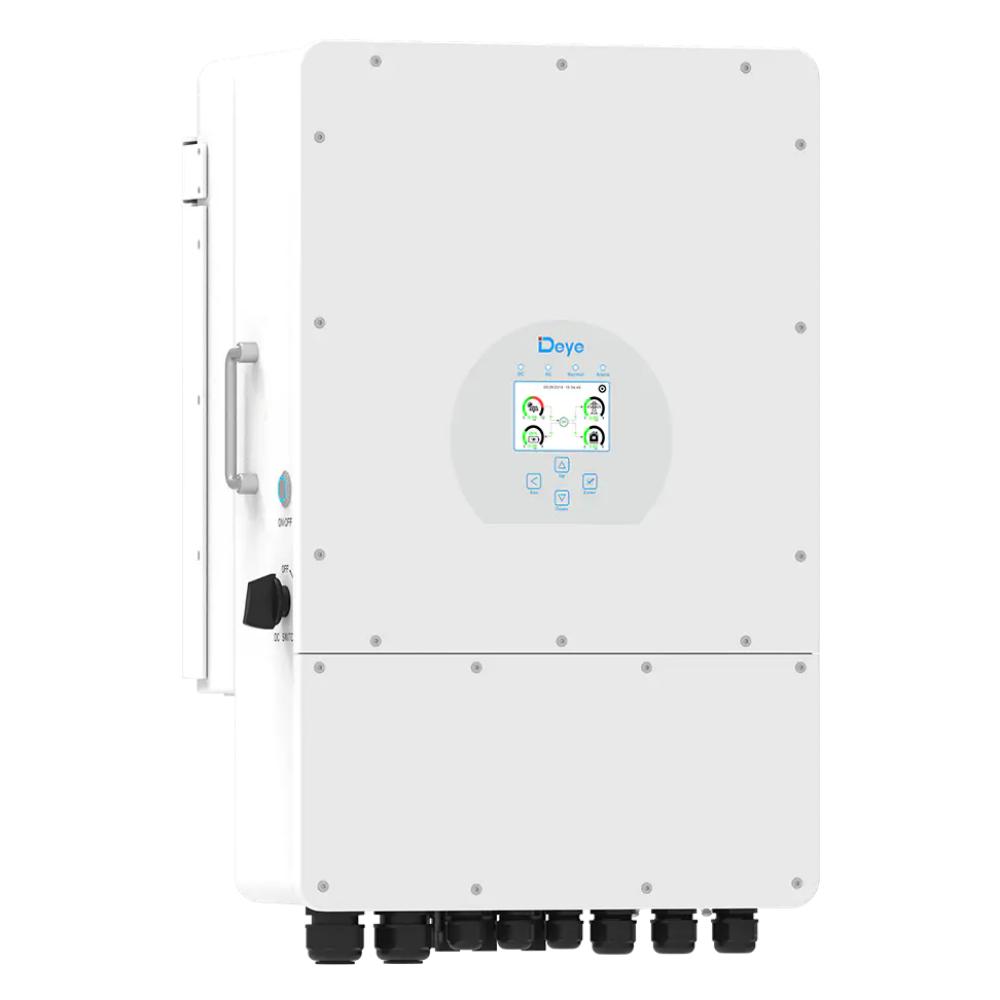
The hybrid inverter operates as the central intelligence of your energy ecosystem. By managing power flow between solar generation, battery storage, and grid connection in real-time, a hybrid inverter ensures you always draw power from the most efficient source available. This seamless coordination reduces your reliance on the grid, maximizes self-consumption of solar energy, and provides backup power during outages, making the hybrid inverter an essential component for modern energy independence.
Core Function and Operating Principles of a Hybrid Inverter
Three-Way Power Management
A hybrid inverter manages three distinct power sources simultaneously. During peak sunlight hours, your hybrid inverter converts direct current from solar panels into alternating current for home use while simultaneously charging connected battery systems. When solar production declines in the evening, the hybrid inverter intelligently switches to discharge stored battery energy, supplying your home without drawing from the grid. If battery reserves deplete or demand exceeds solar generation plus battery capacity, the hybrid inverter seamlessly connects to the grid as a backup power source, ensuring uninterrupted supply.
DC and AC Conversion Technology
The hybrid inverter performs complex electrical conversions at lightning speed. It transforms solar panel output from direct current to alternating current compatible with household appliances. Simultaneously, this hybrid inverter manages the charging and discharging of battery banks by converting between AC and DC as needed. This dual-conversion capability distinguishes a hybrid inverter from simpler string inverters, which only handle solar-to-AC conversion without battery integration or advanced power routing logic.
Key Advantages and Energy Management Benefits
Maximizing Solar Self-Consumption
A hybrid inverter fundamentally changes your relationship with solar energy production. Rather than exporting excess daytime solar generation back to the grid at low rates, a hybrid inverter prioritizes charging your battery system first, storing that energy for evening use when grid electricity is most expensive. This optimization means your hybrid inverter captures economic value from every kilowatt-hour your panels generate, directly reducing your annual electricity bills and accelerating your return on investment in renewable energy infrastructure.
Uninterrupted Power Supply and Resilience
Grid outages create critical vulnerabilities for homes dependent solely on the utility. A hybrid inverter provides automatic backup by switching to battery power within milliseconds of detecting a grid failure. This hybrid inverter capability ensures essential appliances, refrigeration, lighting, and communication devices continue operating during blackouts. For businesses and industrial applications, this hybrid inverter feature prevents production losses, protects sensitive equipment, and maintains customer service continuity during power disruptions.
Time-of-Use Optimization
In regions with time-of-use electricity pricing, a hybrid inverter delivers exceptional financial performance. Your hybrid inverter learns utility rate schedules and automatically shifts consumption patterns, charging batteries during low-rate off-peak hours and prioritizing battery discharge during expensive peak-rate periods. This automated intelligence built into your hybrid inverter can reduce electricity costs by 15 to 25 percent annually, depending on local utility rate structures and energy consumption patterns.
System Architecture and Integration
Component Interaction and Data Flow
A hybrid inverter connects directly to solar arrays, battery banks, and the utility grid through dedicated electrical pathways. The hybrid inverter contains embedded monitoring and control circuitry that continuously measures voltage, current, and temperature across all connected systems. This hybrid inverter architecture enables sophisticated algorithms to make power-routing decisions in real-time, typically executing dozens of optimization calculations every second to balance competing objectives of cost reduction, battery longevity, and load satisfaction.
Advanced Features and Scalability
Modern hybrid inverter designs incorporate wireless monitoring, mobile app connectivity, and cloud-based analytics that track your energy production and consumption patterns continuously. Many hybrid inverter systems support stacking multiple units in parallel to increase capacity for larger installations or expanding energy demands. This hybrid inverter scalability allows your system to grow with your needs, whether you add more solar panels, expand battery storage, or increase household electrical loads over time without requiring complete system replacement.
Practical Applications Across Residential and Commercial Sectors
Residential Energy Independence
Homeowners deploy hybrid inverter systems to achieve multiple objectives simultaneously: reducing electricity bills, gaining energy independence, and improving home resilience. Your hybrid inverter enables you to time-shift energy consumption, leveraging stored solar power during expensive evening hours instead of drawing from the grid. For families in regions with frequent outages, unreliable grid infrastructure, or high electricity costs, a hybrid inverter installation transforms energy security and provides quantifiable cost savings within the first five to seven years of operation.
Commercial and Industrial Applications
Businesses leverage hybrid inverter technology to control operational costs and enhance facility reliability. Industrial hybrid inverter systems smooth demand charges, which often represent 30 to 40 percent of commercial electricity expenses. By strategically deploying your hybrid inverter to discharge batteries during peak demand periods, businesses reduce demand charges significantly without modifying production schedules. Data centers, manufacturing facilities, and hospitality venues rely on hybrid inverter backup capabilities to maintain operations during grid disturbances and maximize profitability from renewable energy investments.
FAQ
How does a hybrid inverter differ from a traditional solar inverter?
A traditional solar inverter converts DC solar energy to AC power for home use or grid export, but lacks battery management capabilities. A hybrid inverter performs this conversion while simultaneously managing battery charging, discharging, and grid interaction. Your hybrid inverter enables energy storage integration, backup power provision, and sophisticated power optimization that traditional inverters cannot deliver. This fundamental architectural difference makes a hybrid inverter suitable for systems requiring storage, resilience, and advanced energy management beyond basic solar conversion.
What battery types work with a hybrid inverter?
Most hybrid inverter systems support lithium-ion battery banks due to their high efficiency, compact form factor, and declining costs. A hybrid inverter can also integrate with lead-acid or lithium iron phosphate batteries, though compatibility depends on specific hybrid inverter model specifications and voltage requirements. Before selecting batteries, verify that your chosen hybrid inverter supports your preferred battery chemistry and confirm voltage compatibility, as mismatches between hybrid inverter specifications and battery system parameters can cause operational failures or safety hazards.
Can a hybrid inverter operate independently without grid connection?
Yes, a hybrid inverter can function in off-grid or grid-isolated mode, relying entirely on solar generation and battery storage to supply all household electricity needs. Your hybrid inverter manages this operation by balancing instantaneous solar production against load demands and charging batteries when solar output exceeds consumption. Off-grid hybrid inverter operation requires oversized solar arrays and battery capacity to account for seasonal production variations and multi-day cloudy periods. Grid-connected hybrid inverter systems offer greater reliability since the grid provides backup when local resources deplete, making grid-connected configurations more practical for most residential applications.