 EN
EN

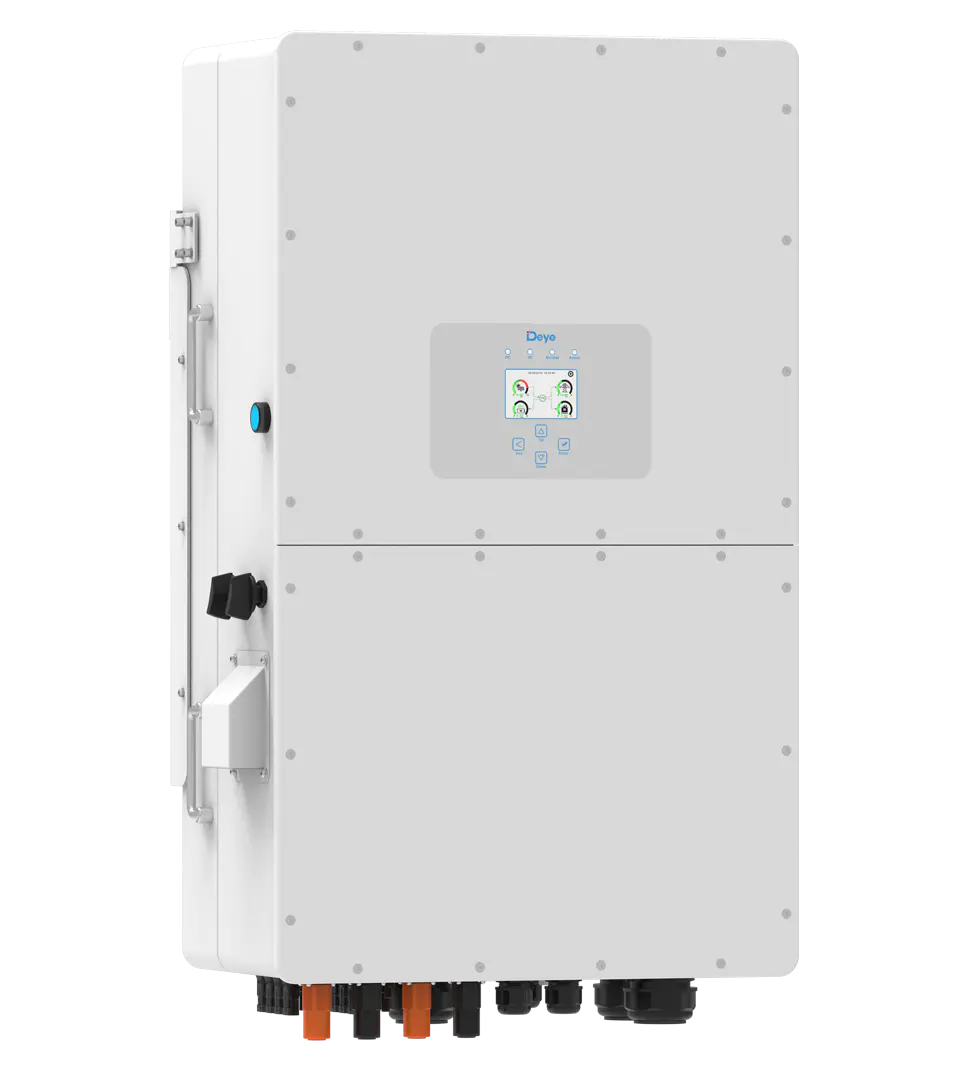
Choosing the right hybrid inverter is one of the most critical decisions in designing a solar power system. A hybrid inverter converts DC electricity from your solar panels and battery storage into AC power for your home or business, making its sizing essential for system reliability and efficiency. Undersizing a hybrid inverter leads to power limitations and inability to handle peak loads, while oversizing wastes capital and reduces overall system performance. This guide walks you through the exact process of sizing a hybrid inverter for your specific solar system requirements.
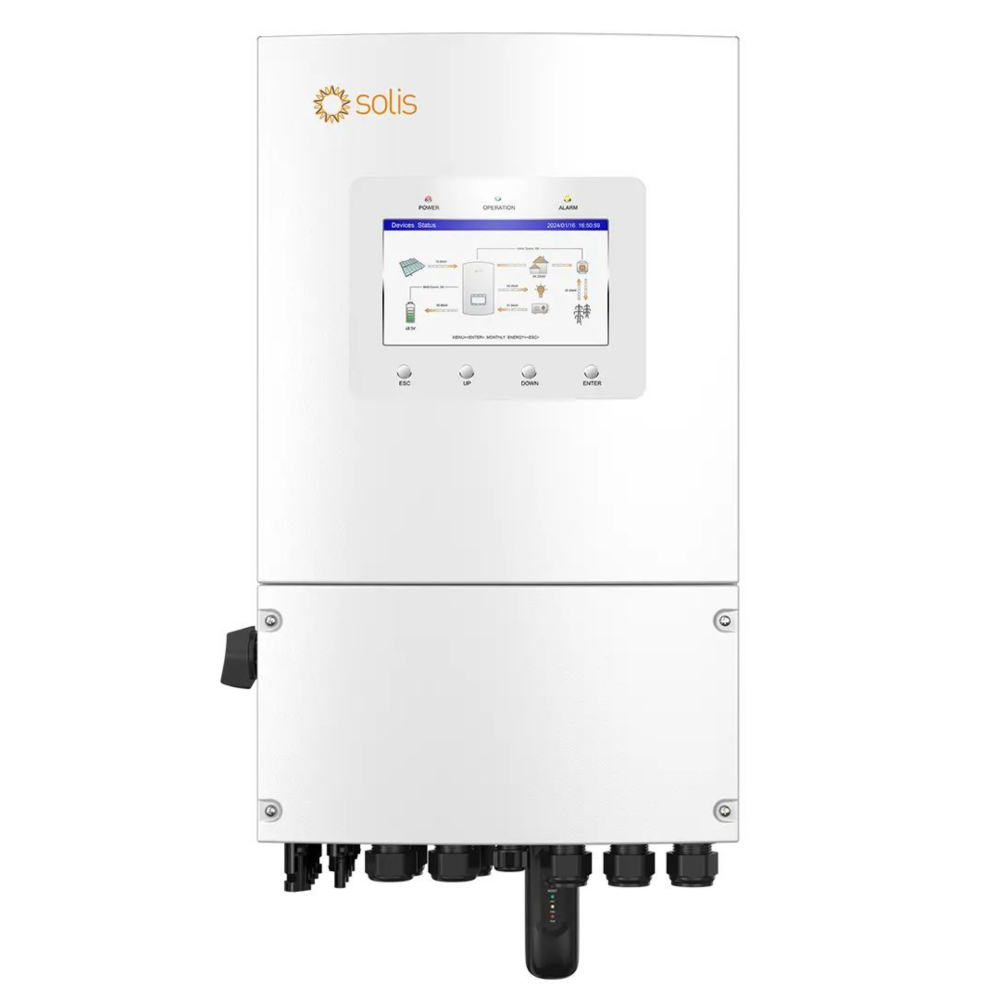
The process of sizing a hybrid inverter involves understanding your electrical load profile, solar generation capacity, and battery storage needs. A properly sized hybrid inverter ensures seamless energy management, allows your system to handle simultaneous charging and discharging cycles, and maintains stable voltage and frequency. Without proper sizing, you risk system downtime, equipment damage, and inability to meet your energy independence goals during peak demand periods or grid outages.
Understanding Hybrid Inverter Capacity and Power Ratings
Continuous Power Rating Versus Peak Power Capacity
Every hybrid inverter carries two critical power ratings: continuous power output and peak power handling. The continuous power rating indicates how much power a hybrid inverter can supply consistently without overheating or shutting down. Peak power capacity, often two to three times higher than continuous rating, tells you how much instantaneous power a hybrid inverter can deliver for brief periods when starting motors or running multiple high-demand appliances simultaneously. When sizing a hybrid inverter, your continuous load should never exceed the continuous power rating, and your total peak loads should stay within the peak power specification. Most commercial hybrid inverter manufacturers provide these ratings in kilowatts (kW), making comparison straightforward across different models and brands.
Voltage and Frequency Stability in Hybrid Inverter Selection
A properly rated hybrid inverter maintains steady 120/240V AC output (or 230V depending on your region) and 50 or 60Hz frequency, depending on your grid standard. Undersized hybrid inverter systems struggle to regulate voltage during high-demand periods, causing lights to flicker and sensitive electronics to malfunction. The hybrid inverter must be sized with enough capacity margin to handle voltage sag during peak loads without triggering protection shutdowns. This means your hybrid inverter rating should exceed your expected maximum load by at least 20 to 30 percent, creating a safety buffer that keeps your hybrid inverter operating within its optimal efficiency range and extends its operational lifespan.
Calculating Your Total Electrical Load Requirements
Assessing Continuous and Peak Load Demands
Begin by cataloging every electrical device in your home or facility, noting their power consumption in watts and whether they run continuously or intermittently. Refrigerators, water heaters, and HVAC systems typically run 24/7, while televisions, computers, and charging devices operate sporadically. Sum your continuous loads first, as this number directly determines your minimum hybrid inverter capacity. Next, identify which devices might run simultaneously during peak periods, then add their wattages to establish your peak power requirement. This calculation guides your hybrid inverter size selection, ensuring the device can support both your baseline and surge power demands without compromise.
Accounting for Motor Starting Inrush Currents
Motors in compressors, pumps, and air conditioning systems draw 3 to 7 times their running current when starting, lasting typically 2 to 10 seconds. Your hybrid inverter must handle this inrush surge without tripping its protection circuits or limiting power to other loads. When sizing a hybrid inverter for systems with multiple motors, add the starting current of the largest motor to your continuous load total, then verify the hybrid inverter peak capacity covers this scenario. This inrush consideration often requires selecting a hybrid inverter one size category larger than simple load addition would suggest, ensuring reliable motor startup and preventing nuisance shutdowns during normal operation.
Matching Hybrid Inverter to Battery and Solar Capacity
Aligning Battery Charging and Discharging Rates
The hybrid inverter's charging and discharging rates must align with your battery system specifications. If your battery bank stores 10 kWh and your hybrid inverter can discharge at 5 kW, the battery will deplete in approximately 2 hours at full load. Conversely, if your solar array produces 8 kW and your hybrid inverter charger accepts only 5 kW input, you're wasting 3 kW of potential charging power during peak sunlight. A properly sized hybrid inverter allows maximum solar utilization and enables your battery to charge and discharge at rates that match your lifestyle and system design. Review your battery manufacturer's recommended charge/discharge rates and select a hybrid inverter that respects these limits while providing the continuous power your load profile demands.
Coordinating Solar Array Size with Hybrid Inverter Rating
Your solar array's DC input capacity should not exceed your hybrid inverter's maximum DC input rating, typically specified in kilowatts or amps. A hybrid inverter designed for 10 kW AC output usually accepts 12 to 14 kW DC input from solar panels, accounting for inverter efficiency and allowing some overpaneling to boost winter performance. Exceeding this DC input limit causes the hybrid inverter to throttle or disconnect from the array, wasting solar energy and preventing full system utilization. When planning solar expansion or designing a new system, ensure your hybrid inverter sizing accommodates your current and future solar generation capacity, preventing expensive equipment replacement as your energy goals evolve. This forward-looking approach to hybrid inverter selection maximizes your initial investment and simplifies system upgrades.
Practical Sizing Methodology and Real-World Considerations
Step-by-Step Hybrid Inverter Selection Process
Start by documenting your maximum simultaneous load in watts, then add 25 percent for safety margin and future expansion. If your peak load is 6 kW, target a hybrid inverter rated at 7.5 to 8 kW continuous output. Cross-check this against your battery's maximum discharge rate and your solar array's DC production; the hybrid inverter must accommodate both without limitation. Verify that the hybrid inverter's input voltage range matches your battery system voltage (48V, 96V, or 192V are common), and confirm the charger specifications align with your charging preferences and grid conditions. Finally, review manufacturer documentation for efficiency curves, confirming that your hybrid inverter operates near peak efficiency at your typical load levels, rather than idling underutilized at low power levels.
Environmental and Installation Factors Affecting Hybrid Inverter Sizing
Temperature, altitude, and cooling conditions significantly impact hybrid inverter performance and deration requirements. A hybrid inverter rated at 10 kW at sea level and 25°C ambient temperature might derate to 8 kW when installed at high altitude or in hot climates without adequate ventilation. If your installation location experiences temperatures above 40°C regularly, select a hybrid inverter with thermal derating considerations built into your sizing calculation. Ensure adequate ventilation and airflow around your hybrid inverter, as restricted cooling accelerates component aging and triggers automatic power reduction. These environmental factors mean a hybrid inverter suitable for one installation might be marginal for another, even if the electrical loads appear identical.
FAQ
What size hybrid inverter do I need for a 10 kW solar array?
A 10 kW solar array typically pairs with an 8 to 10 kW continuous-rated hybrid inverter. Your hybrid inverter sizing should match your actual load requirements first, not just your solar capacity. If your typical peak load is 6 kW, an 8 kW hybrid inverter provides adequate capacity with safety margin. The hybrid inverter's DC input rating must accept your array's maximum output; a quality hybrid inverter usually handles 12 to 14 kW DC input from a 10 kW nominal array, allowing for overpaneling to boost winter performance and system resilience.
Can I oversize my hybrid inverter without problems?
Oversizing a hybrid inverter reduces efficiency because the device operates below its optimal power range most of the time. A hybrid inverter rated at 15 kW running 5 kW loads typically operates at lower efficiency than a properly sized 8 kW hybrid inverter running the same loads. Oversizing a hybrid inverter also increases initial cost without proportional benefits and may create unnecessary complexity in system management. However, some intentional oversizing (10 to 20 percent above calculated load) provides headroom for future expansion and handles load growth without equipment replacement. The key is balancing practical future planning against the efficiency penalty of excessively oversized equipment.
How does battery voltage affect hybrid inverter sizing?
Your battery voltage directly determines which hybrid inverter models are compatible and influences sizing calculations. A 48V battery system requires a hybrid inverter designed for 48V input; you cannot use a 192V hybrid inverter regardless of power rating. Lower voltage systems (48V) require higher current ratings in the hybrid inverter's DC circuits, potentially affecting cable sizing and efficiency. Higher voltage systems (192V) use lower currents and offer better efficiency for given power levels, sometimes allowing smaller hybrid inverter models to handle identical loads. When sizing a hybrid inverter, verify voltage compatibility first, then proceed with capacity calculations, ensuring all components operate within their rated specifications and safety margins.