 EN
EN

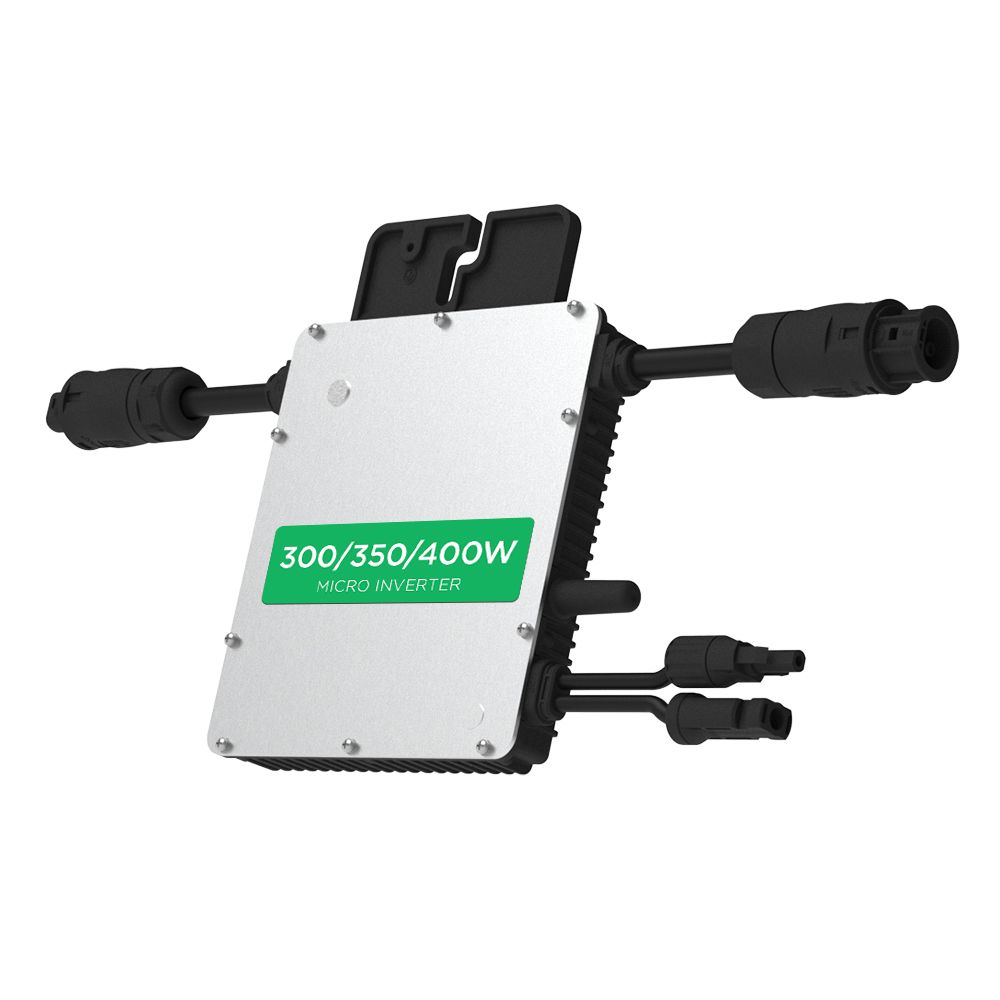
Understanding the cost of an inverter micro installation is essential for homeowners and businesses planning to transition to solar energy or upgrade their existing power systems. An inverter micro represents a compact, efficient solution for converting DC power generated by solar panels into usable AC power for residential and commercial applications. The total investment required for an inverter micro installation depends on several interconnected factors, including equipment specifications, installation complexity, site conditions, and labor costs in your region.
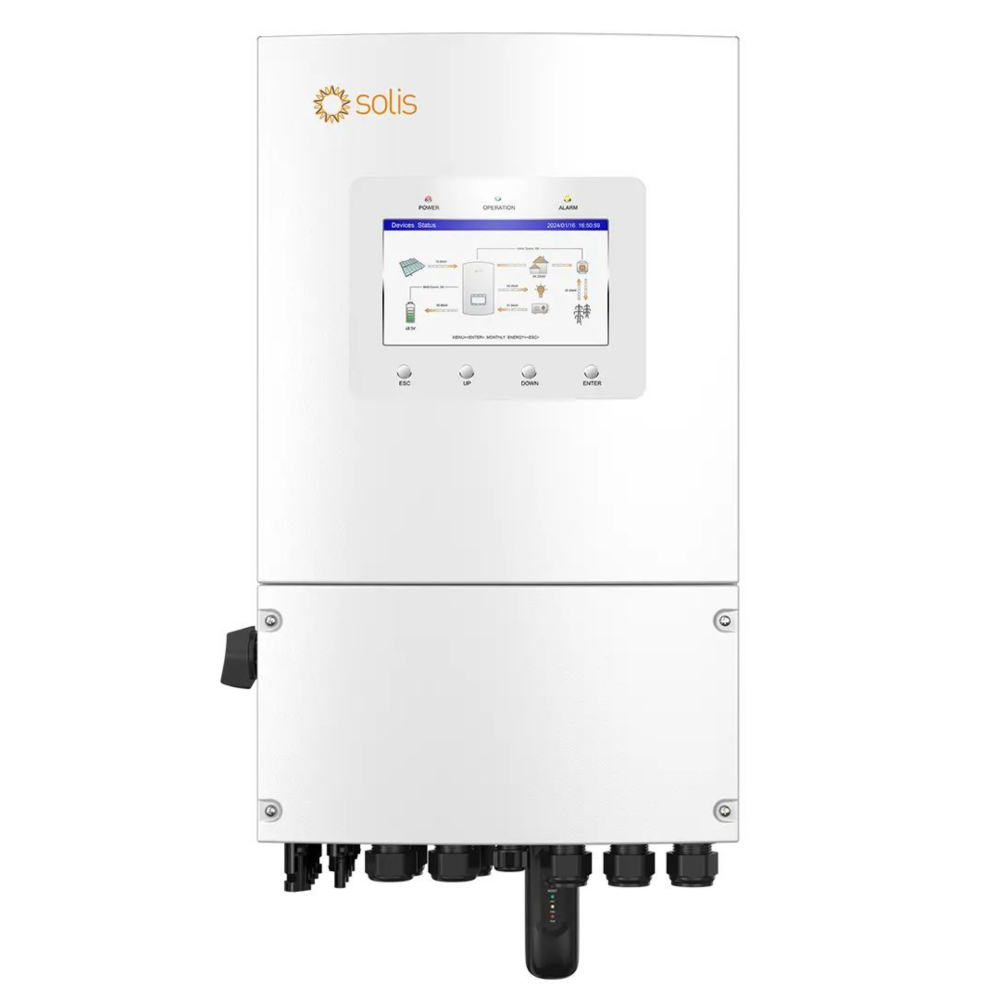
Pricing for an inverter micro installation typically ranges from $2,500 to $8,000 for small to medium residential systems, though larger commercial inverter micro deployments can exceed these amounts significantly. The final cost reflects not only the inverter micro equipment itself but also accompanying components, professional installation services, electrical permitting, and any necessary structural modifications to your property. Breaking down these cost components helps property owners make informed decisions and budget effectively for their energy transition projects.
Key Cost Components of Inverter Micro Installation
Equipment Costs for Inverter Micro Systems
The inverter micro unit represents the largest single component expense in most installations, typically accounting for 30 to 50 percent of the total project budget. Quality inverter micro devices engineered for high efficiency and long operational life range from approximately $1,200 to $3,500 per unit, depending on wattage capacity and advanced features. A residential inverter micro system might require one to three units, while commercial inverter micro installations often demand multiple units to handle aggregated electrical loads across larger facilities.
Supporting components required alongside your inverter micro include DC disconnect switches, AC breakers, monitoring hardware, and specialized cabling designed to handle the power conversion process safely and efficiently. These auxiliary materials and equipment typically add $400 to $1,000 to your total equipment investment. Battery storage systems, if integrated with your inverter micro installation for backup power capabilities, substantially increase costs but provide significant resilience benefits during grid outages or peak demand periods.
Labor and Installation Expenses
Professional installation labor for an inverter micro system typically ranges from $1,000 to $2,500, contingent upon your geographic location and the complexity of the installation environment. Electricians certified to install inverter micro equipment must comply with local electrical codes and safety standards, adding to the expertise and overhead required for the job. Installation complexity increases when existing electrical infrastructure requires upgrades, when mounting locations demand structural reinforcement, or when inverter micro systems must integrate with legacy power systems already in place at the property.
Site surveys, design work, and system configuration account for additional labor expenses that installers factor into inverter micro installation quotes. These preliminary services ensure that your inverter micro solution aligns with your property's electrical capacity, safety requirements, and performance objectives. Rushed installations or systems installed during peak season may incur premium labor charges, whereas off-season installations sometimes benefit from contractor discounts.
Site-Specific Factors Influencing Inverter Micro Pricing
Property Characteristics and Accessibility
The location and accessibility of your inverter micro installation point significantly impact labor time and material requirements. Installing an inverter micro on an easily accessible rooftop typically costs less than mounting the same equipment on a pitched roof at height or inside a confined basement space where structural reinforcement becomes necessary. Properties requiring trenching for electrical conduit, underwater cabling in wet environments, or installation in extreme weather zones face elevated inverter micro installation costs due to specialized equipment and safety precautions.
Existing electrical panel capacity directly influences whether your inverter micro system can connect to your current infrastructure or whether expensive panel upgrades become mandatory. Older residential properties with limited electrical capacity often require costly panel replacements before an inverter micro installation can proceed safely. Geographic isolation, difficult terrain, or remote properties increase mobilization costs for inverter micro installation crews, as contractors must transport equipment and personnel greater distances.
Regulatory and Permitting Requirements
Local building codes, electrical standards, and interconnection requirements determine the permitting expenses associated with your inverter micro installation. Some jurisdictions levy $200 to $800 in combined permit and inspection fees for inverter micro systems, while others require extensive documentation and third-party engineering reviews that can cost $500 to $1,500 or more. Grid interconnection fees for inverter micro systems that tie into utility networks may apply in certain regions, particularly for commercial installations.
Environmental and land-use regulations can mandate environmental assessments, archaeological surveys, or specialized technical reviews before an inverter micro installation receives final approval. Properties in coastal zones, wetland areas, or historic districts frequently encounter stricter regulatory pathways for inverter micro installations, extending timelines and increasing soft costs. Understanding your local regulatory landscape before committing to an inverter micro installation helps avoid unexpected delays and expenses.
Comparing Inverter Micro Installation Costs Across Scenarios
Residential Inverter Micro Installations
A typical residential inverter micro installation serving a single-family home with moderate power requirements falls in the $3,500 to $6,000 range when all costs converge. This budget encompasses a single or dual inverter micro unit rated between 3 and 8 kilowatts, basic monitoring equipment, installation labor, and modest permitting expenses in most North American jurisdictions. Homeowners should expect their inverter micro installation to take between three to seven business days from initial site survey through final system activation and testing.
Adding battery storage to a residential inverter micro installation raises total costs by $3,000 to $8,000 or more, depending on storage capacity and chemistry. Backup power capabilities gained through this inverter micro battery integration provide peace of mind during grid disruptions and can offset costs through time-of-use energy arbitrage in markets supporting this functionality. Many homeowners view the combined inverter micro and battery system as an integrated investment in energy independence rather than calculating inverter micro and storage costs separately.
Commercial and Multi-Unit Inverter Micro Deployments
Commercial properties implementing larger inverter micro installations often achieve better per-unit economics through bulk purchasing and consolidated installation labor, though absolute costs remain substantially higher. A commercial inverter micro system serving a mid-size office building or light industrial facility typically costs $8,000 to $20,000 when accounting for multiple inverter micro units, advanced monitoring, and more extensive electrical integration work. These larger inverter micro installations require engineering design services, more comprehensive permitting, and potentially utility coordination that adds significant soft costs beyond equipment and basic labor.
Multi-unit residential complexes, apartment buildings, and industrial facilities deploying inverter micro technology at scale benefit from specialized installation approaches that reduce per-unit costs through efficiency gains. A building-level inverter micro system with multiple units may cost $15,000 to $50,000 or more but provides proportionally better value than installing separate small inverter micro systems for each unit independently. Commercial inverter micro installations often qualify for tax credits, rebates, and accelerated depreciation benefits that improve the financial return profile compared to residential applications.
Optimizing Your Inverter Micro Installation Investment
Maximizing Available Rebates and Incentives
Federal investment tax credits, state incentive programs, and utility rebates can offset 25 to 50 percent of your total inverter micro installation costs in many locations. Understanding your eligibility for these financial mechanisms before finalizing your inverter micro installation plan significantly improves your return on investment. Contractors experienced with local incentive programs can guide you toward inverter micro equipment models and configurations that maximize rebate eligibility and accelerate your system's payback timeline.
Timing your inverter micro installation to coincide with incentive program deadlines or utilization windows ensures you capture maximum financial support. Some jurisdictions phase incentives based on cumulative installations or budget exhaustion, making early action advantageous for inverter micro system deployment. Researching current programs specific to your state, province, or municipality before requesting inverter micro installation quotes ensures your financial planning remains accurate and reflects actual net costs.
Selecting Appropriate Inverter Micro Sizing and Features
Choosing the correct inverter micro capacity prevents both undersizing that limits your system's output and oversizing that wastes capital on unnecessary equipment. Your inverter micro unit should match your property's typical peak load requirements with modest headroom for future expansion, not maximum theoretical loads that occur rarely. Consulting with qualified installers about appropriate inverter micro sizing ensures your investment aligns with realistic power consumption patterns and operational scenarios.
Advanced features available in premium inverter micro units—such as integrated monitoring, battery readiness, or grid support functions—add cost but may justify themselves through improved operational efficiency and future adaptability. Evaluating whether these additional inverter micro features align with your long-term energy goals prevents both unnecessary expense and future equipment replacement costs. Balancing initial inverter micro installation expense against operational flexibility and monitoring capability helps optimize your overall system value proposition.
FAQ
What is the average cost of a residential inverter micro installation?
A typical residential inverter micro installation costs between $3,500 and $6,000, including the inverter micro unit itself, electrical components, professional installation labor, and permitting fees. This budget assumes a single inverter micro unit rated for residential power requirements and straightforward installation conditions. Actual inverter micro installation costs vary based on your region's labor rates, local regulatory requirements, and your property's specific electrical characteristics.
How do commercial inverter micro installation costs differ from residential installations?
Commercial inverter micro installations typically cost $8,000 to $20,000 or significantly more depending on system size, number of inverter micro units required, and facility complexity. Commercial inverter micro projects benefit from bulk equipment pricing but face higher labor and design expenses due to more stringent code compliance and utility coordination requirements. Larger commercial inverter micro installations often achieve better per-unit economics than smaller residential systems.
Can I reduce my inverter micro installation costs through incentive programs?
Yes, federal tax credits, state rebates, and utility incentives can reduce your inverter micro installation costs by 25 to 50 percent in many jurisdictions. These inverter micro financial programs vary significantly by location and program year, so researching your specific eligibility before installation planning is essential. Working with installers familiar with available inverter micro incentive programs ensures your system qualifies for maximum financial support.