 EN
EN

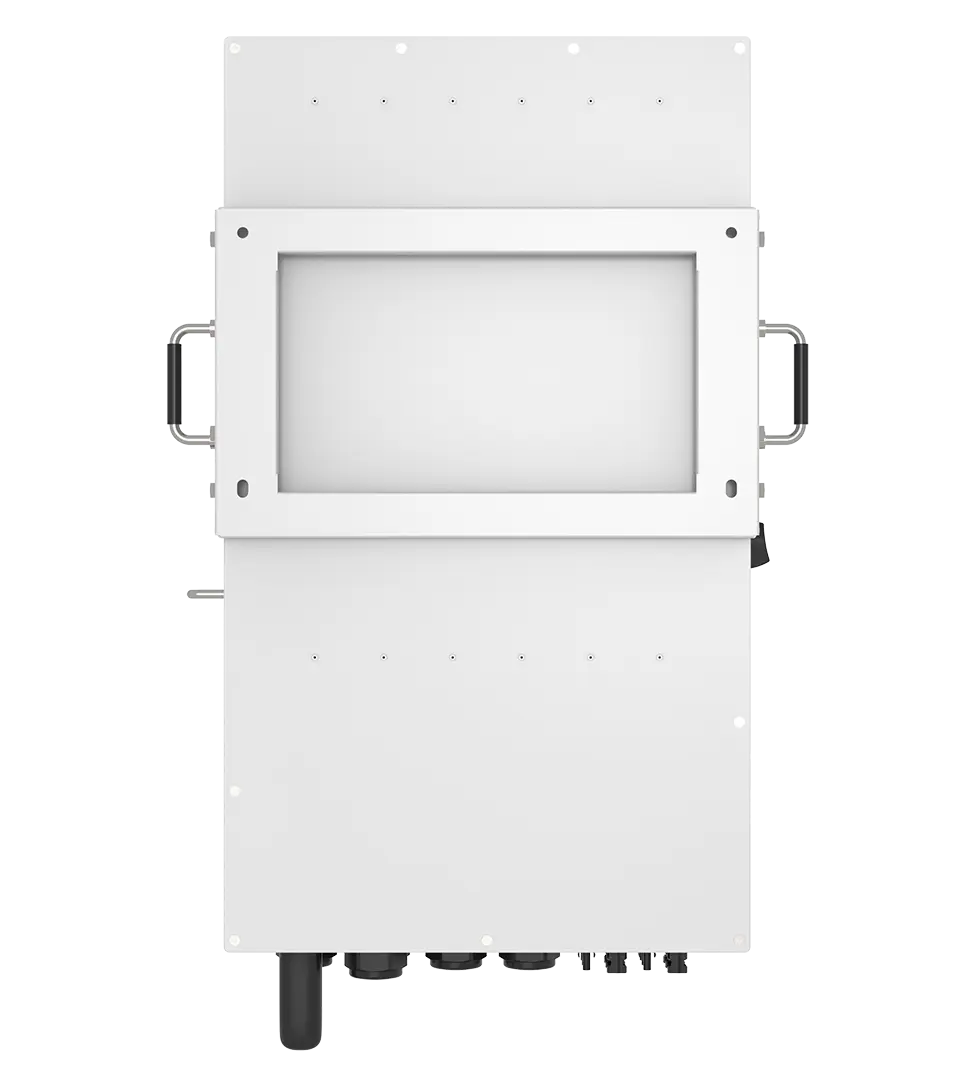
In today's interconnected world, uninterrupted power supply has become a critical necessity for modern households. A 5000 watt inverter represents a significant leap in residential backup power solutions, offering the capacity to maintain essential operations during grid outages while supporting multiple high-draw appliances simultaneously. This power rating strikes an optimal balance between capability and cost-effectiveness, making it an increasingly popular choice for homeowners seeking comprehensive energy security without the complexity of whole-house generator systems.
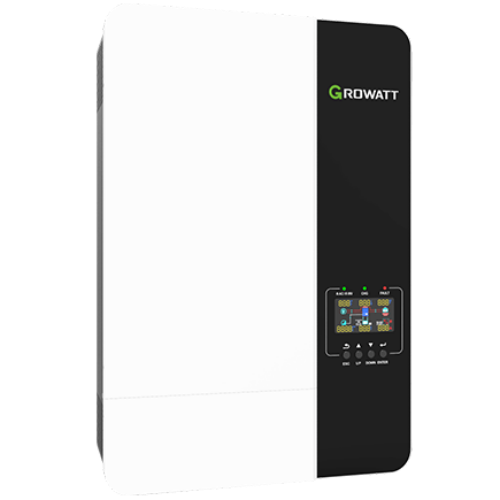
Understanding what makes a 5000 watt inverter essential requires examining the evolving demands of contemporary home electrical systems and the growing reliance on continuous power for work, communication, and daily comfort. Unlike smaller inverters that may only support basic lighting and electronics, a 5000 watt inverter opens up possibilities for maintaining refrigeration, heating systems, medical equipment, and home office setups during extended power disruptions. The essential nature of this power capacity becomes evident when considering the potential consequences of prolonged outages on food preservation, climate control, and remote work productivity.
Power Capacity Fundamentals
Understanding True Power Requirements
The 5000 watt capacity of a residential inverter system represents more than just a numerical specification – it defines the practical scope of electrical independence achievable in most homes. This power rating typically supports continuous operation of essential appliances including refrigerators, freezers, sump pumps, and furnace blowers while maintaining capacity for lighting, electronics, and communication devices. The significance of this capacity becomes clear when calculating the cumulative power draw of critical home systems during an emergency situation.
Most households discover that their essential power needs during outages range between 3000 to 4500 watts, making a 5000 watt inverter an ideal choice with built-in headroom for startup surges and occasional high-demand periods. Refrigerators alone can draw 800-1200 watts during compressor startup, while furnace blowers typically consume 600-900 watts continuously. Adding essential lighting, electronics, and occasional appliance use quickly approaches the full capacity of smaller inverter systems, highlighting why the 5000 watt threshold represents a practical minimum for comprehensive home backup power.
Surge Capacity and Starting Loads
The essential nature of a 5000 watt inverter extends beyond continuous power ratings to include surge capacity management for motor-driven appliances. Electric motors commonly found in refrigerators, air conditioners, and power tools can require three to five times their running wattage during startup sequences. A quality 5000 watt inverter typically provides surge capacity of 10,000 watts or more for several seconds, ensuring reliable startup of these essential appliances without system overload or nuisance shutdowns.
This surge handling capability becomes particularly crucial during seasonal weather events when multiple systems may cycle on simultaneously. Consider a scenario where a refrigerator compressor starts while the furnace blower is running and someone activates a power tool – without adequate surge capacity, the inverter system would trip offline precisely when backup power is most needed. The robust design parameters of 5000 watt inverter systems account for these real-world demand patterns, ensuring reliable operation under varying load conditions.
Modern Home Energy Dependencies
Critical Systems and Equipment
Contemporary homes rely on numerous electrical systems that previous generations considered optional luxuries but are now essential for health, safety, and productivity. Medical equipment such as CPAP machines, nebulizers, and medication refrigeration requires uninterrupted power to maintain life-supporting functions. Home security systems, garage door openers, and well water pumps represent safety and convenience features that become critical during emergency situations when normal infrastructure may be compromised.
The proliferation of remote work has further elevated the importance of reliable backup power for home offices. Internet routers, computers, monitors, printers, and communication devices must remain operational to maintain productivity and connectivity during extended outages. A 5000 watt inverter system provides sufficient capacity to support a complete home office setup while maintaining essential household functions, making it indispensable for professionals working from home or operating home-based businesses.
Climate Control and Comfort Systems
Heating and cooling systems represent major power consumers that significantly impact quality of life during extended outages. While central air conditioning systems typically exceed the capacity of residential inverters, strategic use of a 5000 watt inverter can maintain heating system operation through furnace blowers and circulation pumps. During winter outages, maintaining heating system operation prevents frozen pipes, structural damage, and potentially dangerous indoor temperature drops.
Hot water systems, whether electric or gas-powered with electric controls, benefit significantly from inverter backup power. Gas water heaters require electricity for ignition systems and safety controls, while circulation pumps for radiant heating systems depend entirely on electrical power. A 5000 watt inverter system ensures these comfort and safety systems remain operational during grid failures, maintaining habitability standards that smaller backup power solutions cannot achieve.
Economic and Practical Advantages
Cost-Effectiveness Compared to Alternatives
The economic justification for a 5000 watt inverter system becomes apparent when comparing total ownership costs against alternative backup power solutions. Whole-house generators require significant upfront investment in equipment, professional installation, automatic transfer switches, and ongoing maintenance including regular exercise cycles and fuel system upkeep. In contrast, a properly configured 5000 watt inverter system offers substantial backup power capability at a fraction of the initial investment while requiring minimal maintenance beyond battery care.
Fuel costs and storage considerations further emphasize the economic advantages of inverter-based backup power. Generator systems consume gasoline, diesel, or natural gas continuously during operation, creating ongoing operational expenses and fuel storage requirements. A 5000 watt inverter operating from battery storage eliminates fuel costs and storage concerns while providing silent operation that doesn't disturb neighbors or attract unwanted attention during extended outages.
Installation Flexibility and Scalability
Modern 5000 watt inverter systems offer installation flexibility that traditional generators cannot match. These units can be installed indoors or outdoors, require no fuel lines or exhaust systems, and can integrate with existing electrical panels through manual transfer switches or dedicated backup circuits. This flexibility allows homeowners to implement backup power solutions in locations where generators would be impractical or prohibited by local ordinances.
The modular nature of inverter systems enables gradual system expansion and battery capacity increases as needs evolve or budgets allow. Starting with a basic 5000 watt inverter and modest battery bank, homeowners can add battery capacity to extend runtime or incorporate solar charging systems for renewable energy integration. This scalability ensures the initial investment remains valuable even as energy needs change over time.
Integration with Renewable Energy
Solar Power Compatibility
A 5000 watt inverter serves as the central component in residential renewable energy systems, converting DC power from solar panels into usable AC electricity for household consumption. This dual functionality makes the inverter essential not only for backup power during outages but also for ongoing energy cost reduction through solar power generation. Modern hybrid inverters combine battery charging, solar power conversion, and grid-tie capabilities in a single unit, maximizing system efficiency and simplifying installation.
The capacity of a 5000 watt inverter aligns well with typical residential solar installations, supporting panel arrays ranging from 4000 to 6000 watts while maintaining headroom for system optimization and future expansion. This power rating enables homeowners to achieve significant grid independence during daylight hours while storing excess energy for evening use or emergency backup. The combination of solar generation and battery storage creates a comprehensive energy solution that provides both economic benefits and emergency preparedness.
Energy Management and Grid Independence
Advanced 5000 watt inverter systems include sophisticated energy management features that optimize power usage patterns and maximize battery life. These systems can prioritize critical loads during low battery conditions, automatically start backup generators when battery reserves reach preset levels, and integrate with time-of-use utility rates to minimize electricity costs. Such intelligent control capabilities make the inverter an essential component of modern home energy management rather than simply emergency backup equipment.
Grid independence capabilities become increasingly valuable as utility rates rise and grid reliability concerns grow. A properly configured 5000 watt inverter system can provide complete electrical independence for essential home systems during extended outages while contributing to overall energy cost reduction through peak shaving and load shifting during normal operation. This dual benefit justifies the system investment through both emergency preparedness value and ongoing operational savings.
FAQ
How long will a 5000 watt inverter run on batteries during a power outage?
Runtime depends on battery capacity and actual power consumption, but typical residential installations with 400-800 amp-hours of battery storage can operate essential loads for 8-24 hours. A 5000 watt inverter drawing 2000 watts continuously from an 800 amp-hour battery bank at 12 volts would provide approximately 4.8 hours of runtime, though actual performance varies based on battery type, temperature, and age.
Can a 5000 watt inverter power my entire house?
A 5000 watt inverter can power essential circuits in most homes but cannot typically support whole-house loads including central air conditioning, electric heating, or multiple high-draw appliances simultaneously. Strategic circuit selection focusing on critical loads like refrigeration, heating system blowers, lighting, and electronics allows comprehensive backup power for essential functions without exceeding inverter capacity.
What size battery bank do I need for a 5000 watt inverter?
Battery bank sizing depends on desired runtime and actual load requirements, but minimum recommendations start at 400 amp-hours for basic functionality. For extended outage protection, 800-1200 amp-hours provides 12-24 hours of runtime for essential loads. Lithium batteries offer higher efficiency and longer life but require larger initial investment compared to traditional lead-acid batteries.
Is professional installation required for a 5000 watt inverter system?
While some components can be installed by experienced homeowners, electrical connections to house panels and high-capacity battery systems typically require professional installation to ensure code compliance and safety. Licensed electricians should handle transfer switch installation, main panel connections, and final system commissioning to meet local electrical codes and insurance requirements.