 EN
EN

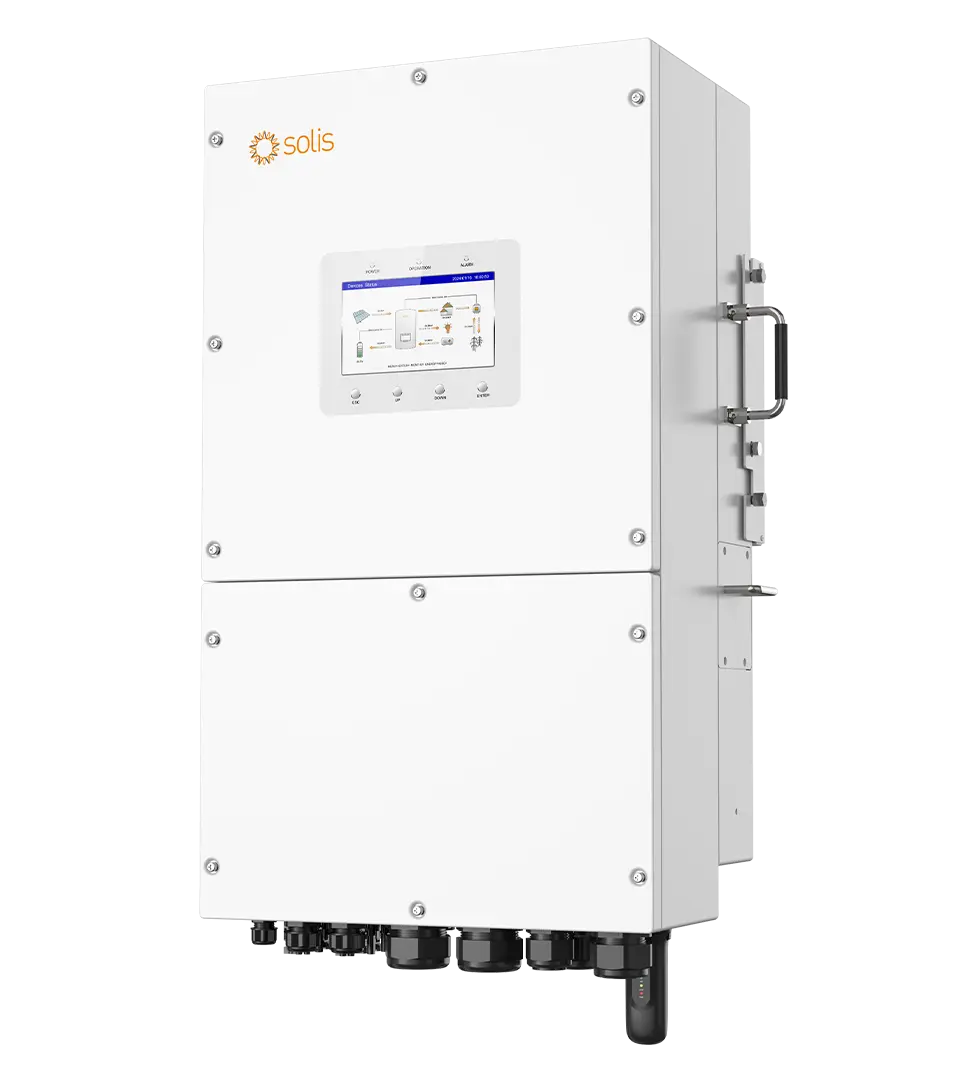
A 5000 watt inverter operates as a critical power conversion device that transforms direct current (DC) electricity from batteries or solar panels into alternating current (AC) electricity suitable for powering household appliances and commercial equipment. Understanding how a 5000 watt inverter works involves examining its internal components, conversion processes, and advanced control mechanisms that ensure reliable power delivery in modern electrical systems.
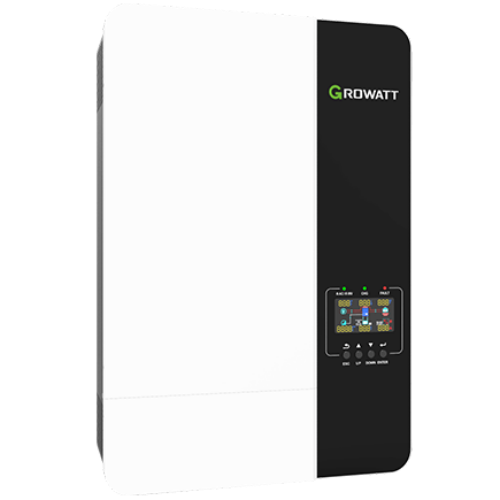
The fundamental operation of a 5000 watt inverter relies on sophisticated electronic switching circuits and power management systems that have evolved significantly by 2026. These devices incorporate advanced semiconductor technology, intelligent control algorithms, and enhanced safety features that make them more efficient and reliable than previous generations. The 5000 watt power rating indicates the maximum continuous power output the inverter can deliver under normal operating conditions.
Core Components and Architecture
Power Electronics and Switching Circuits
The heart of a 5000 watt inverter consists of high-frequency switching transistors, typically MOSFETs or IGBTs, that rapidly switch the DC input on and off to create a modified AC waveform. These switching components operate at frequencies ranging from 20 kHz to 100 kHz, allowing the inverter to efficiently convert DC power while minimizing losses. The switching circuit design in modern 5000 watt inverters incorporates advanced topologies such as full-bridge or half-bridge configurations that optimize power conversion efficiency.
Modern 5000 watt inverter designs utilize silicon carbide (SiC) or gallium nitride (GaN) semiconductors that offer superior switching characteristics compared to traditional silicon devices. These advanced materials enable faster switching speeds, reduced switching losses, and higher operating temperatures, resulting in more compact and efficient inverter designs. The power electronics section also includes gate driver circuits that control the precise timing and voltage levels applied to the switching transistors.
Protection circuits integrated within the switching section monitor current levels, temperature, and voltage conditions to prevent damage from overload conditions, short circuits, or thermal stress. These protection systems can rapidly shut down the 5000 watt inverter if dangerous operating conditions are detected, ensuring both equipment safety and user protection.
Transformer and Isolation Systems
Most 5000 watt inverters incorporate high-frequency transformers that provide electrical isolation between the DC input and AC output while stepping up or stepping down voltage levels as required. The transformer design utilizes ferrite cores optimized for high-frequency operation, enabling compact physical dimensions while maintaining high efficiency. The turns ratio of the transformer windings determines the output voltage relationship to the input voltage.
Advanced 5000 watt inverter models may employ transformerless designs that eliminate the isolation transformer to reduce weight, size, and cost while improving efficiency. However, transformerless designs require additional safety measures and grounding considerations to ensure electrical safety. The choice between transformer-based and transformerless designs depends on specific application requirements and safety standards.
Magnetic components within the 5000 watt inverter also include input and output inductors that filter current ripple and reduce electromagnetic interference. These inductors work in conjunction with capacitors to create effective filtering networks that ensure clean power delivery and compliance with electromagnetic compatibility standards.
Power Conversion Process and Control
DC to AC Conversion Mechanism
The power conversion process in a 5000 watt inverter begins with the conditioning of the DC input voltage through input filtering and voltage regulation circuits. The DC input, typically ranging from 12V to 48V depending on the system design, is processed through a DC-DC converter stage that optimizes the voltage level for the subsequent inversion process. This pre-processing stage ensures stable operation across varying input voltage conditions.
The actual DC to AC conversion occurs through pulse width modulation (PWM) techniques where the switching transistors rapidly turn on and off according to a predetermined pattern. The PWM control system generates switching signals that create a high-frequency AC waveform that approximates a sinusoidal output when filtered. Advanced 5000 watt inverters utilize space vector modulation (SVM) or other sophisticated PWM techniques to minimize harmonic distortion and improve efficiency.
Output filtering circuits consisting of inductors and capacitors smooth the high-frequency switching waveform to produce a clean sinusoidal AC output suitable for powering sensitive electronic equipment. The filter design must balance the trade-offs between filtering effectiveness, physical size, and dynamic response characteristics to maintain stable output under varying load conditions.
Digital Control and Monitoring Systems
Modern 5000 watt inverters incorporate sophisticated microprocessor-based control systems that continuously monitor input and output parameters while adjusting switching patterns to maintain optimal performance. These digital controllers execute complex algorithms that regulate output voltage, frequency, and waveform quality while providing protection functions and system diagnostics.
The control system typically includes analog-to-digital converters that sample voltage and current measurements at high rates, enabling real-time feedback control and rapid response to load changes. Digital signal processors (DSPs) or dedicated microcontrollers execute control algorithms that can adapt to different operating conditions and optimize performance parameters such as efficiency and harmonic distortion.
Advanced 5000 watt inverter control systems integrate communication capabilities that enable remote monitoring and control through various interfaces such as RS485, CAN bus, or wireless protocols. These communication features allow integration with building management systems, solar monitoring platforms, or grid management systems for enhanced functionality and operational visibility.
Efficiency and Performance Characteristics
Conversion Efficiency Optimization
The efficiency performance of a 5000 watt inverter depends on multiple factors including switching frequency, component selection, thermal management, and control algorithm optimization. Modern designs achieve peak efficiencies exceeding 95% through careful attention to minimizing switching losses, conduction losses, and magnetic losses throughout the power conversion chain.
Maximum power point tracking (MPPT) algorithms implemented in solar-connected 5000 watt inverters continuously optimize the operating point to extract maximum available power from solar panels under varying irradiance and temperature conditions. These algorithms utilize perturb-and-observe, incremental conductance, or other advanced techniques to maintain optimal power harvest efficiency.
Thermal management systems within 5000 watt inverters utilize heat sinks, cooling fans, and thermal interface materials to maintain semiconductor junction temperatures within safe operating limits. Proper thermal design ensures sustained high efficiency operation while preventing thermal cycling stress that could reduce component reliability and lifespan.
Load Response and Regulation
A well-designed 5000 watt inverter maintains tight voltage and frequency regulation across the full load range from no-load to maximum rated power output. The control system continuously adjusts switching patterns to compensate for load variations, input voltage changes, and environmental factors that could affect output quality.
Dynamic response characteristics determine how quickly the 5000 watt inverter can respond to sudden load changes such as motor starting currents or other transient events. Fast control loop response ensures stable output voltage during these challenging operating conditions while preventing voltage sags or overshoot that could damage connected equipment.
Overload capability allows properly designed 5000 watt inverters to briefly supply power levels exceeding the continuous rating to accommodate startup surges from inductive loads such as refrigerators, air conditioners, or power tools. This surge capability typically ranges from 150% to 200% of continuous rating for several seconds, depending on thermal design limitations.
Integration and Safety Features
Grid-Tie and Standalone Operation Modes
Many 5000 watt inverters offer both grid-tied and standalone operation capabilities, allowing flexible deployment in different system configurations. In grid-tie mode, the inverter synchronizes its output with the utility grid frequency and voltage while providing anti-islanding protection to ensure safe disconnection during grid outages.
Standalone mode operation enables the 5000 watt inverter to function independently as the primary AC power source for off-grid applications or backup power systems. In this mode, the inverter establishes its own voltage and frequency references while maintaining stable output characteristics under varying load conditions.
Hybrid operation modes allow seamless transitions between grid-tied and standalone operation depending on grid availability and system configuration requirements. Advanced 5000 watt inverters can automatically switch between operating modes while maintaining continuous power delivery to critical loads through sophisticated transfer switching mechanisms.
Protection and Fault Management
Comprehensive protection systems within 5000 watt inverters monitor multiple parameters including input overvoltage, undervoltage, overcurrent, overtemperature, and output short circuit conditions. These protection systems utilize both hardware and software-based detection methods to ensure rapid response to fault conditions while providing appropriate system shutdown and isolation.
Ground fault detection circuits monitor insulation resistance and leakage currents to identify potential safety hazards in the DC input circuits or AC output wiring. This protection is particularly important in solar applications where damaged cables or connectors could create dangerous conditions requiring immediate system shutdown.
Arc fault detection technology incorporated in advanced 5000 watt inverters can identify dangerous arcing conditions in DC wiring that could lead to fires if left undetected. These systems analyze current and voltage signatures to distinguish between normal switching transients and hazardous arc faults, providing an additional layer of safety protection.
FAQ
What is the typical efficiency range for a 5000 watt inverter?
Most modern 5000 watt inverters achieve peak efficiencies between 93% and 97%, with the highest efficiency typically occurring at 75% to 85% of rated load. The efficiency varies with load level, input voltage, and operating temperature, with lower efficiencies at very light loads due to fixed losses in control circuits and cooling systems.
Can a 5000 watt inverter handle motor starting currents?
Yes, quality 5000 watt inverters are designed to handle motor starting currents through surge capability that typically provides 150% to 200% of continuous rating for 5 to 10 seconds. This surge capacity accommodates the high inrush currents required by inductive loads such as refrigerators, air conditioners, and power tools during startup.
How does temperature affect 5000 watt inverter performance?
Temperature significantly impacts 5000 watt inverter performance, with higher temperatures reducing efficiency and potentially triggering thermal derating to protect components. Most inverters maintain full output up to 40°C to 50°C ambient temperature, with gradual power reduction above these thresholds. Proper ventilation and thermal management are essential for optimal performance in high-temperature environments.
What input voltage range can a 5000 watt inverter accept?
The input voltage range varies by design, with 12V systems typically accepting 10.5V to 15V, 24V systems accepting 21V to 30V, and 48V systems accepting 42V to 60V. Some 5000 watt inverters feature wide input voltage ranges or automatic voltage detection to accommodate different battery bank configurations and charging system variations.