 EN
EN

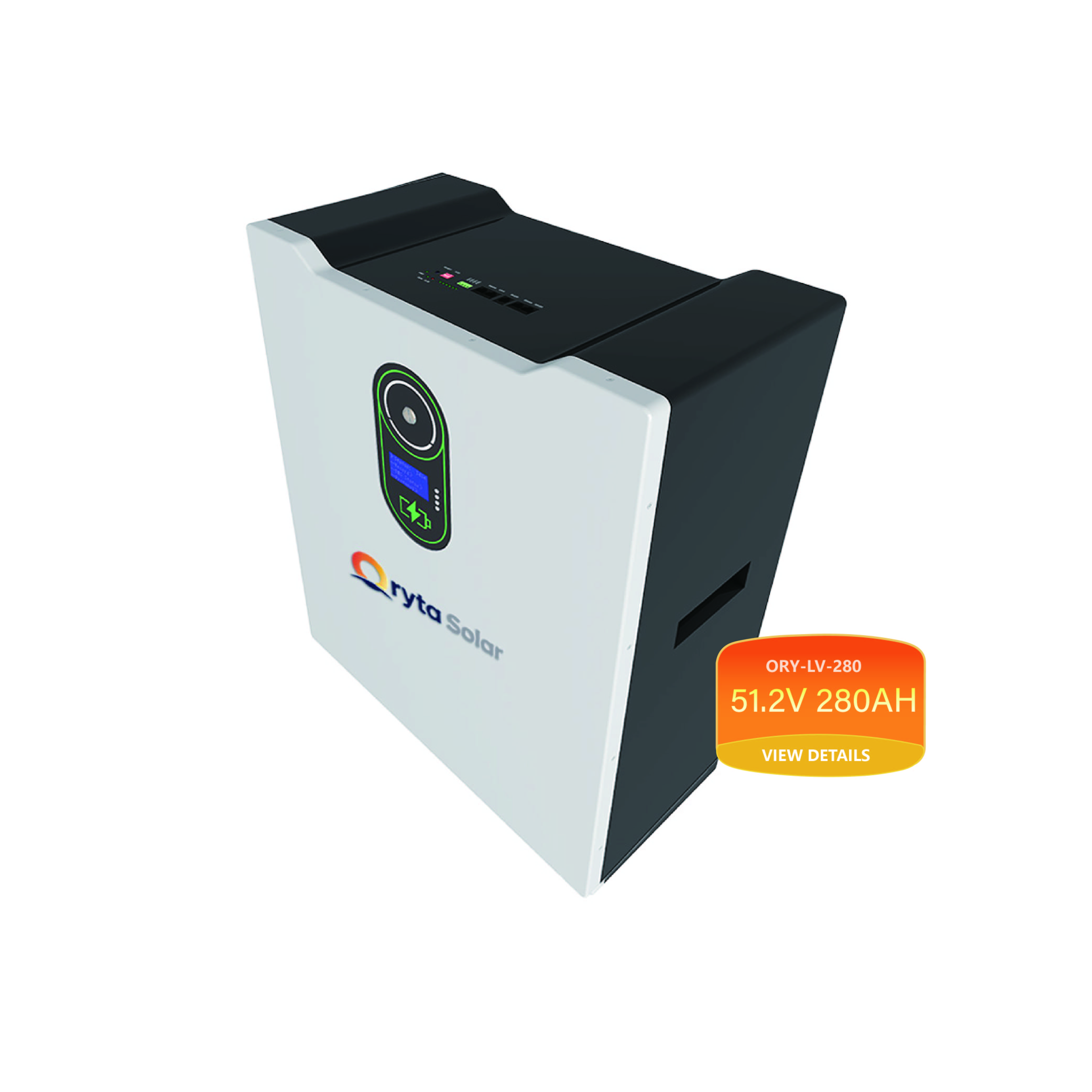
Choosing the right 48v lithium battery size involves careful evaluation of your specific power requirements, application demands, and system compatibility factors. The battery size directly impacts system performance, runtime duration, charging efficiency, and overall investment value. Understanding your power consumption patterns and load characteristics is fundamental to making an informed battery sizing decision that meets both current needs and future expansion requirements.
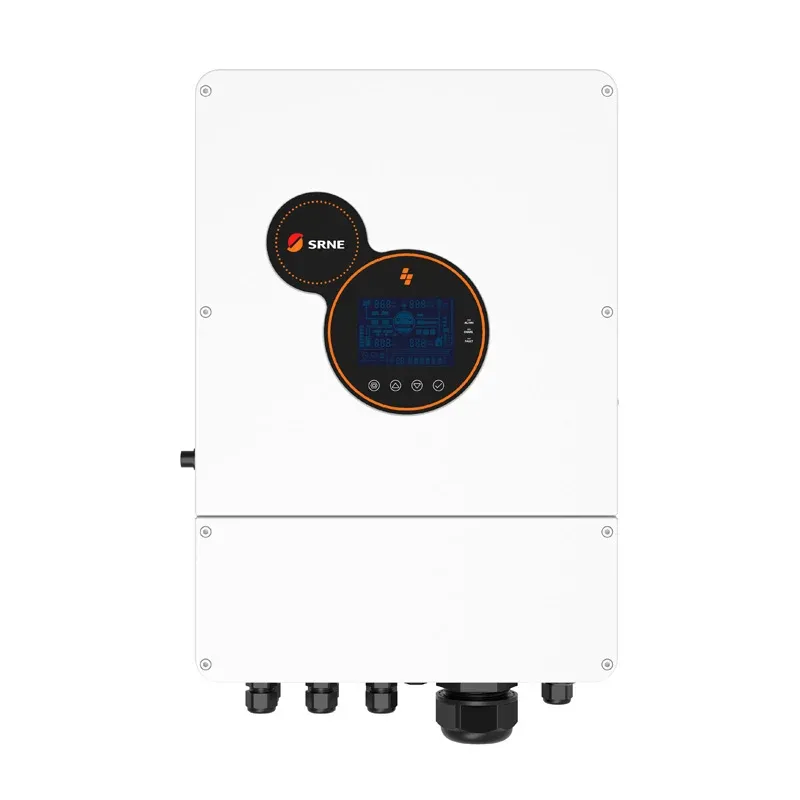
The selection process requires analyzing multiple technical parameters including amp-hour capacity, continuous discharge rates, peak power handling, physical dimensions, and integration requirements with existing electrical infrastructure. A properly sized 48v lithium battery ensures optimal system efficiency while avoiding oversizing costs or undersizing performance limitations that could compromise operational reliability and equipment longevity.
Understanding Your Power Requirements
Calculating Daily Energy Consumption
Accurate power requirement calculation forms the foundation of proper 48v lithium battery sizing. Begin by listing all electrical loads that will draw power from your battery system, including their individual power ratings and expected daily operating hours. This comprehensive load analysis helps determine the total daily energy consumption in kilowatt-hours, which directly translates to the minimum battery capacity needed for your application.
Consider both continuous loads that operate throughout the day and intermittent loads that cycle on and off based on operational demands. Factor in seasonal variations, peak usage periods, and any planned system expansions that might increase future power requirements. Creating a detailed load profile ensures your 48v lithium battery selection accommodates real-world usage patterns rather than theoretical calculations.
Include efficiency losses from inverters, charge controllers, and system wiring when calculating total energy needs. These conversion losses typically range from 10-20% depending on equipment quality and system design, requiring corresponding increases in battery capacity to maintain adequate runtime performance under actual operating conditions.
Identifying Peak Power Demands
Peak power analysis examines the maximum instantaneous power draw your system will experience, which often exceeds average consumption levels significantly. Motor starting currents, pump activation, heating element cycling, and simultaneous load operation create temporary but substantial power spikes that your 48v lithium battery must handle without voltage sag or system shutdown.
Document the starting surge requirements for inductive loads like motors, compressors, and transformers, as these components can draw 3-7 times their rated power during initial energization. Understanding peak demand characteristics ensures your battery selection includes adequate discharge rate capabilities to maintain stable voltage under maximum load conditions.
Evaluate the duration and frequency of peak power events to determine whether short-term high-rate discharge capability or sustained high-power output is more critical for your application. This analysis influences whether you prioritize maximum discharge rate specifications or sustained power delivery characteristics in your 48v lithium battery selection process.
Evaluating Battery Capacity Options
Amp-Hour Rating Considerations
The amp-hour rating of a 48v lithium battery indicates its energy storage capacity and directly correlates with system runtime under specific load conditions. Higher amp-hour ratings provide longer operation between charging cycles but also increase initial investment costs, physical size requirements, and installation complexity considerations that must align with your application constraints.
Calculate the minimum amp-hour requirement by dividing your daily energy consumption by the battery voltage, then add safety margins for capacity degradation over time, temperature effects, and unexpected load increases. Most applications benefit from 20-30% capacity oversizing to maintain adequate performance as the 48v lithium battery ages and experiences normal capacity reduction through cycling.
Consider the relationship between discharge depth and battery lifespan when selecting amp-hour capacity. Larger capacity batteries operated at lower depth of discharge percentages typically provide more total energy throughput over their service life, potentially offering better long-term value despite higher upfront costs.
Discharge Rate and C-Rating Analysis
The C-rating of a 48v lithium battery defines its maximum safe discharge rate relative to its capacity rating, directly impacting its ability to supply high-power loads without performance degradation. Understanding C-rating requirements ensures your battery selection can handle both average and peak power demands while maintaining voltage stability and thermal management within safe operating parameters.
Higher C-rated batteries can deliver more current relative to their capacity but often command premium pricing and may sacrifice energy density for power density. Evaluate whether your application prioritizes maximum discharge capability or extended runtime to guide the balance between C-rating specifications and amp-hour capacity in your 48v lithium battery selection.
Consider that sustained high-rate discharge can reduce overall battery efficiency and generate additional heat that requires management through ventilation or thermal regulation systems. Factor these secondary considerations into your sizing decision to ensure complete system compatibility and optimal performance characteristics.
Physical and Installation Constraints
Space and Weight Limitations
Physical installation constraints often influence 48v lithium battery sizing decisions as significantly as electrical requirements. Measure available installation space carefully, considering not only the battery dimensions but also clearance requirements for ventilation, maintenance access, electrical connections, and safety equipment that must accompany the battery installation.
Weight considerations become critical in mobile applications, elevated installations, or structures with load-bearing limitations. Compare the energy density specifications of different 48v lithium battery options to identify solutions that maximize energy storage within your weight constraints while maintaining structural safety and installation feasibility.
Evaluate modular battery configurations that allow capacity scaling through parallel connection of smaller units versus single large-capacity batteries. Modular approaches often provide installation flexibility, easier handling, and simplified replacement procedures while potentially offering redundancy benefits for critical applications.
Environmental and Operating Conditions
Operating environment characteristics directly impact 48v lithium battery performance, lifespan, and sizing requirements. Temperature extremes, humidity levels, vibration exposure, and ambient conditions affect battery efficiency, capacity availability, and thermal management needs that influence the optimal battery size selection for reliable operation.
Cold temperature operation reduces available capacity and discharge capability, requiring oversizing to maintain adequate performance during winter conditions or climate-controlled environment failures. Conversely, high-temperature environments may accelerate aging and require enhanced thermal management or capacity margins to ensure reliable service life.
Consider the impact of environmental conditions on charging requirements, as extreme temperatures may necessitate modified charging profiles or additional monitoring equipment that affects overall system design and battery integration requirements for your specific installation location.
System Integration and Compatibility
Inverter and Charger Matching
Proper 48v lithium battery sizing requires careful coordination with inverter and charging equipment specifications to ensure optimal system performance and component longevity. Inverter efficiency curves, battery charger capabilities, and system voltage regulation characteristics all influence the effective capacity and performance of your chosen battery configuration.
Verify that your selected 48v lithium battery capacity aligns with inverter input voltage ranges, low-voltage disconnect settings, and maximum charging current capabilities of your charging equipment. Mismatched components can result in premature battery aging, reduced system efficiency, or protection system nuisance trips that compromise operational reliability.
Consider future expandability requirements when sizing your initial 48v lithium battery installation. Plan for parallel battery additions, inverter upgrades, or charging system enhancements that may require coordination with your initial battery selection to maintain system compatibility and optimal performance characteristics.
Monitoring and Management Systems
Advanced 48v lithium battery systems benefit from integrated monitoring and management capabilities that influence sizing decisions and system optimization opportunities. Battery management systems provide real-time performance data, capacity tracking, and predictive maintenance insights that help validate your sizing decisions and optimize operational efficiency.
Evaluate whether your application requires remote monitoring capabilities, data logging functions, or integration with building management systems that may influence battery selection criteria beyond basic capacity and discharge rate specifications. These features often provide long-term value through improved system reliability and optimized maintenance scheduling.
Consider the communication protocols and interface requirements for your monitoring systems when selecting a 48v lithium battery solution. Standardized communication capabilities enable better system integration and future upgrade flexibility while providing enhanced visibility into battery performance and aging characteristics.
Economic and Lifecycle Considerations
Initial Investment vs. Long-term Value
48v lithium battery sizing decisions involve balancing initial investment costs against long-term operational value and replacement timing considerations. While larger capacity batteries require higher upfront investment, they often provide better cost-per-cycle performance and extended service life that can justify the additional expense through reduced lifetime costs.
Analyze the total cost of ownership including purchase price, installation costs, maintenance requirements, and expected replacement intervals when comparing different 48v lithium battery sizing options. Factor in energy savings from improved efficiency, reduced maintenance needs, and extended service life that lithium technology provides compared to alternative battery chemistries.
Consider financing options, tax incentives, and utility rebate programs that may influence the economic attractiveness of different battery sizes or technologies. These financial factors can significantly impact the optimal sizing decision and may favor larger installations that qualify for enhanced incentive programs.
Scalability and Future Expansion
Plan your 48v lithium battery sizing strategy with future expansion possibilities in mind, as electrical load growth, system upgrades, or changing operational requirements may necessitate additional capacity over time. Selecting battery systems with parallel expansion capabilities provides flexibility to accommodate future needs without complete system replacement.
Evaluate whether your initial 48v lithium battery installation should accommodate immediate expansion requirements or focus on current needs with planned future additions. This decision impacts electrical design, installation complexity, and component selection criteria that affect both initial costs and expansion feasibility.
Consider technology evolution trends and compatibility requirements when planning long-term battery sizing strategies. Standardized interfaces, proven expansion protocols, and manufacturer support commitments help ensure that future additions integrate seamlessly with your initial 48v lithium battery installation.
FAQ
How do I calculate the minimum amp-hour capacity needed for my 48v lithium battery?
Calculate minimum amp-hour capacity by dividing your daily energy consumption in watt-hours by 48 volts, then multiply by 1.2-1.3 to account for system inefficiencies and provide safety margin. For example, if you consume 2400 watt-hours daily, you need at least 2400÷48×1.25 = 62.5 amp-hours minimum capacity.
What C-rating should I look for in a 48v lithium battery for high-power applications?
For high-power applications, select a 48v lithium battery with a C-rating of at least 1C to 2C, which allows discharge at 1-2 times the battery capacity rating. Applications with motor starting or surge loads may require 3C or higher ratings to handle peak power demands without voltage sag or system protection trips.
Can I connect multiple smaller 48v lithium batteries instead of one large battery?
Yes, you can connect multiple smaller 48v lithium batteries in parallel to achieve desired capacity while maintaining 48-volt system voltage. This approach offers installation flexibility, easier handling, incremental expansion capability, and potential redundancy benefits, though it requires careful attention to battery matching and connection balancing.
How does temperature affect 48v lithium battery sizing requirements?
Cold temperatures can reduce available capacity by 20-30% or more, requiring oversizing for winter operation or unheated environments. Hot temperatures accelerate aging and may require derating or enhanced cooling. Size your 48v lithium battery with 15-25% additional capacity margin if operating in temperature extremes outside the optimal 20-25°C range.
Table of Contents
- Understanding Your Power Requirements
- Evaluating Battery Capacity Options
- Physical and Installation Constraints
- System Integration and Compatibility
- Economic and Lifecycle Considerations
-
FAQ
- How do I calculate the minimum amp-hour capacity needed for my 48v lithium battery?
- What C-rating should I look for in a 48v lithium battery for high-power applications?
- Can I connect multiple smaller 48v lithium batteries instead of one large battery?
- How does temperature affect 48v lithium battery sizing requirements?