 EN
EN

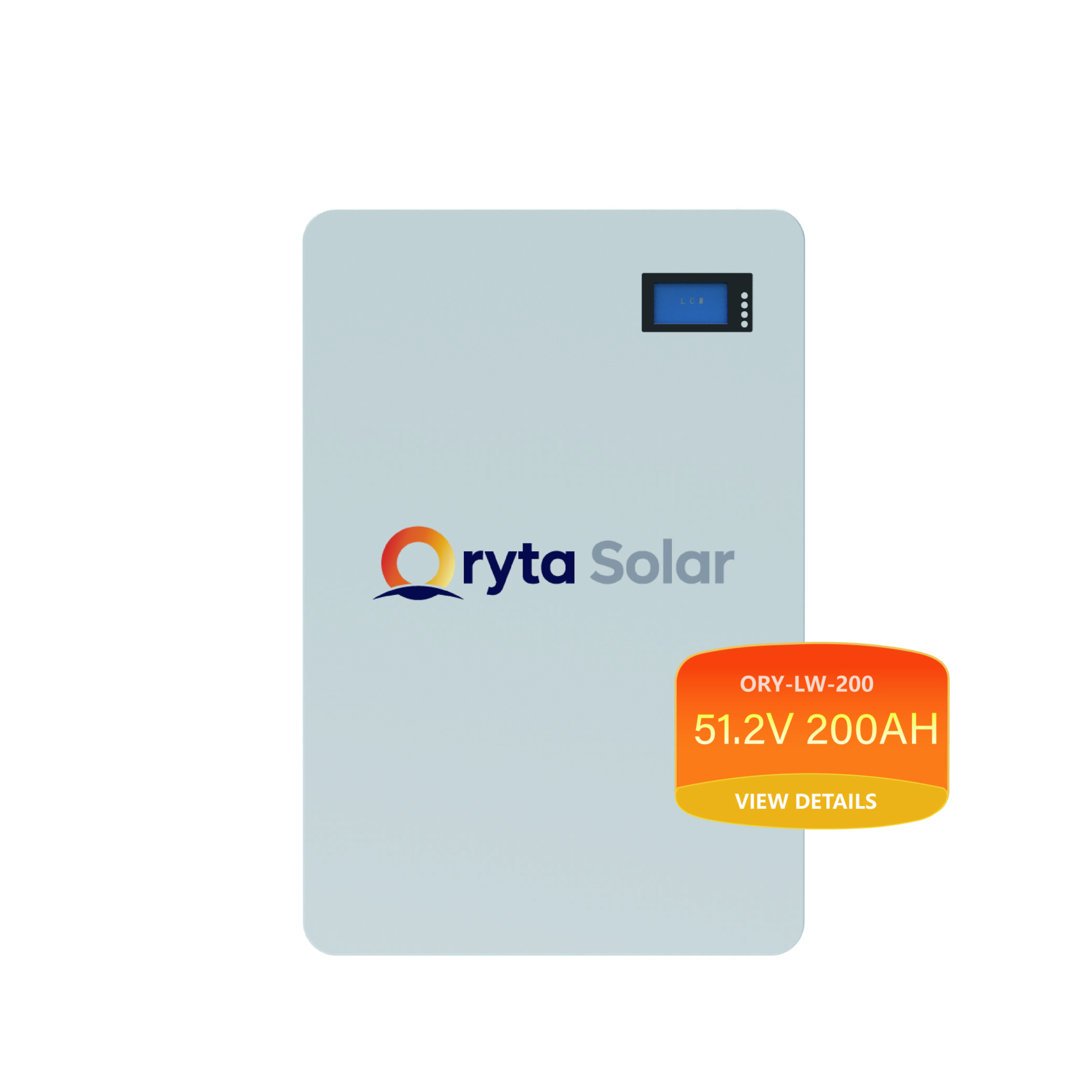
Determining the right time to upgrade to a 48v lithium battery system requires careful evaluation of your current energy storage needs, system performance, and long-term goals. Many property owners and businesses find themselves questioning whether their existing battery setup can adequately support their evolving power requirements, especially as energy demands increase and technology advances rapidly.
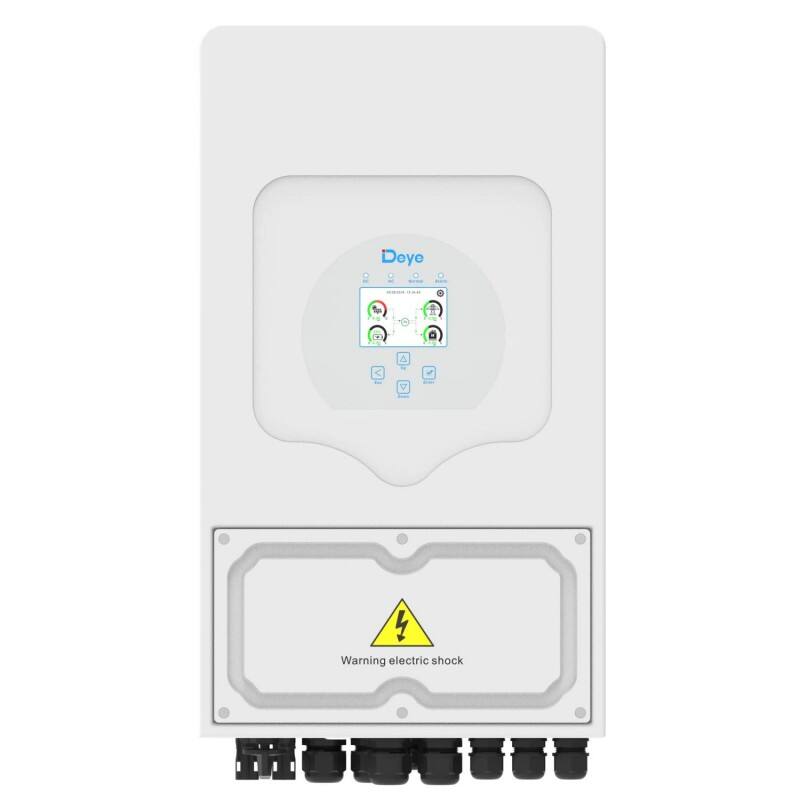
The decision to upgrade involves multiple factors including existing system limitations, changing energy consumption patterns, and the desire for improved efficiency and reliability. Understanding these timing considerations helps ensure you make the transition when it delivers maximum value and addresses your specific operational challenges most effectively.
System Performance Indicators That Signal Upgrade Time
Battery Capacity Degradation Signs
Your current battery system may be showing clear signs that indicate the optimal time for upgrading to a 48v lithium battery configuration. When existing lead-acid or older lithium batteries can no longer hold adequate charge, frequently require maintenance, or fail to meet daily energy demands, these performance issues suggest immediate upgrade consideration.
Noticeable decreases in backup power duration, frequent low-battery warnings, or inability to fully charge despite proper maintenance protocols all point toward battery degradation that warrants replacement. A 48v lithium battery system offers significantly improved capacity retention over time, maintaining consistent performance levels throughout its extended operational lifespan.
Temperature sensitivity issues with current batteries also indicate upgrade timing, especially if your installation experiences extreme weather conditions that compromise battery efficiency and longevity.
Increased Energy Demand Patterns
Growing energy consumption due to facility expansion, additional equipment installation, or changing operational hours creates compelling reasons to consider 48v lithium battery upgrades. When your current system struggles to meet peak demand periods or requires frequent cycling that stresses existing components, upgrading becomes strategically important.
Seasonal energy pattern changes, such as increased heating or cooling loads, may reveal current system limitations that a higher-capacity 48v lithium battery configuration can address more effectively. These batteries provide consistent output regardless of discharge depth, ensuring reliable power delivery during extended high-demand periods.
Business growth that requires reliable backup power for critical operations, especially in commercial or industrial applications, often necessitates the enhanced capabilities that modern lithium battery technology provides.
Economic and Financial Upgrade Triggers
Rising Maintenance and Replacement Costs
When maintenance expenses for existing battery systems begin escalating significantly, or when frequent component replacements become necessary, the financial case for upgrading to a 48v lithium battery system strengthens considerably. Traditional battery technologies often require regular maintenance schedules, electrolyte replacements, and terminal cleaning that add ongoing operational costs.
Calculating total cost of ownership reveals that despite higher initial investment, lithium battery systems typically deliver superior long-term value through reduced maintenance requirements, longer operational life, and improved efficiency. When current system maintenance costs approach significant percentages of replacement costs, upgrade timing becomes financially favorable.
Emergency replacement scenarios where sudden battery failures create urgent replacement needs often present opportunities to upgrade rather than simply replace with similar technology, especially when 48v lithium battery systems offer better integration with existing inverter infrastructure.
Energy Cost Management Considerations
Rising utility rates and time-of-use pricing structures create compelling reasons to upgrade battery systems for better energy cost management. A 48v lithium battery system enables more sophisticated energy storage strategies that can significantly reduce electricity costs through optimal charge and discharge timing.
Peak demand charge mitigation becomes increasingly important as utility companies implement higher demand charges, making battery systems essential for managing these costs effectively. Modern lithium batteries provide faster response times and more precise control capabilities for demand management applications.
Available incentives, rebates, or tax credits for energy storage installations may create limited-time opportunities that make upgrade timing particularly attractive from a financial perspective. These programs often have specific technology requirements that favor advanced lithium battery systems.
Technology Advancement and Integration Factors
Solar System Expansion Requirements
Plans to expand existing solar installations often necessitate corresponding battery system upgrades to maximize the value of increased renewable energy generation. A 48v lithium battery system provides the capacity and efficiency needed to store larger amounts of solar energy for later use during peak demand periods or grid outages.
Integration compatibility with modern solar inverters and energy management systems favors lithium battery technology, which offers better communication capabilities and more precise monitoring features. These advanced integration capabilities enable optimized system performance and easier troubleshooting when issues arise.
Smart home or building automation systems increasingly require battery storage with sophisticated control interfaces that older battery technologies cannot provide effectively. Modern 48v lithium battery systems integrate seamlessly with these advanced control platforms.
Grid Independence and Resilience Goals
Growing concerns about grid reliability, extreme weather events, or desired energy independence create strong motivations for upgrading to more capable battery storage systems. A 48v lithium battery configuration provides the reliability and capacity needed for extended off-grid operation during emergencies or planned grid disconnection.
Critical load support requirements, such as medical equipment, security systems, or essential business operations, demand the consistent performance characteristics that lithium battery technology delivers. These applications cannot tolerate the performance variations or maintenance requirements associated with older battery technologies.
Backup power duration requirements that exceed current system capabilities indicate clear upgrade timing, especially when extended outages are possible or when gradual expansion of critical loads has outgrown existing battery capacity.
Installation and Infrastructure Readiness
Physical Space and Infrastructure Assessment
Available installation space often determines optimal upgrade timing for 48v lithium battery systems, which typically require less physical space than equivalent lead-acid installations while providing superior energy density. When space constraints limit expansion with existing battery technology, lithium systems offer compelling space efficiency advantages.
Electrical infrastructure compatibility assessment reveals whether existing wiring, protection systems, and ventilation can support upgraded battery configurations without significant additional investment. Proper infrastructure readiness ensures smooth transition and optimal system performance after upgrade completion.
Environmental conditions in installation areas may favor lithium battery technology, which operates effectively across wider temperature ranges and requires minimal ventilation compared to traditional battery types. These environmental advantages often justify upgrade timing even when existing batteries remain functional.
Professional Installation and Support Availability
Access to qualified installation professionals experienced with 48v lithium battery systems affects optimal upgrade timing, as proper installation ensures system safety, performance, and warranty compliance. Scheduling installation during periods when qualified technicians are available prevents delays and ensures optimal results.
Manufacturer support, warranty coverage, and local service availability for lithium battery systems provide additional upgrade timing considerations. Establishing relationships with reliable service providers before urgent replacement needs arise ensures better long-term system support.
Training requirements for operational staff or maintenance personnel may influence upgrade timing, allowing adequate time for proper education about new battery system operation, monitoring, and basic troubleshooting procedures.
Long-term Strategic Planning Considerations
Future Energy Requirements and Growth Plans
Anticipated facility expansions, equipment additions, or operational changes over the next five to ten years should influence 48v lithium battery upgrade timing and sizing decisions. Planning for future needs prevents premature system obsolescence and ensures adequate capacity for projected requirements.
Electric vehicle charging integration, heat pump installations, or other electrification projects create additional energy storage requirements that may justify upgrading to higher-capacity lithium battery systems before these loads are actually installed.
Business continuity planning and disaster preparedness strategies often require more robust backup power capabilities than existing systems provide, making battery upgrades essential components of comprehensive risk management approaches.
Technology Evolution and Future-Proofing
Emerging energy management technologies, smart grid integration capabilities, and communication standards increasingly favor modern battery systems with advanced monitoring and control features. Upgrading to 48v lithium battery systems ensures compatibility with future technological developments.
Regulatory changes regarding energy storage, safety standards, or grid interconnection requirements may create compliance deadlines that influence upgrade timing decisions. Staying ahead of regulatory changes prevents forced upgrades under less favorable circumstances.
Market trends toward increased electrification and renewable energy adoption suggest that advanced battery storage will become increasingly valuable over time, supporting the case for earlier rather than later upgrade timing.
FAQ
How long do 48v lithium battery systems typically last before requiring replacement?
Most quality 48v lithium battery systems provide 10-15 years of reliable service with proper maintenance and operation within recommended parameters. This significantly exceeds the typical 3-5 year lifespan of lead-acid batteries, making the longer-term investment value compelling despite higher initial costs.
Can existing solar inverters work with new 48v lithium battery installations?
Many modern solar inverters are compatible with 48v lithium battery systems, but compatibility verification is essential before upgrading. Professional assessment ensures proper voltage matching, communication protocols, and charging profiles that optimize battery performance and longevity while maintaining system safety.
What happens to my old batteries when I upgrade to a lithium system?
Proper disposal or recycling of old batteries is crucial for environmental responsibility and often required by local regulations. Many battery suppliers and installers offer take-back programs or can arrange proper recycling through certified facilities that handle various battery chemistries safely and responsibly.
Is it better to upgrade all batteries at once or phase the installation over time?
Complete system replacement typically provides better performance integration, warranty coverage, and cost efficiency compared to phased installations. However, budget constraints or operational requirements may necessitate phased approaches, which require careful planning to ensure compatibility between old and new battery technologies during transition periods.
Table of Contents
- System Performance Indicators That Signal Upgrade Time
- Economic and Financial Upgrade Triggers
- Technology Advancement and Integration Factors
- Installation and Infrastructure Readiness
- Long-term Strategic Planning Considerations
-
FAQ
- How long do 48v lithium battery systems typically last before requiring replacement?
- Can existing solar inverters work with new 48v lithium battery installations?
- What happens to my old batteries when I upgrade to a lithium system?
- Is it better to upgrade all batteries at once or phase the installation over time?