 EN
EN

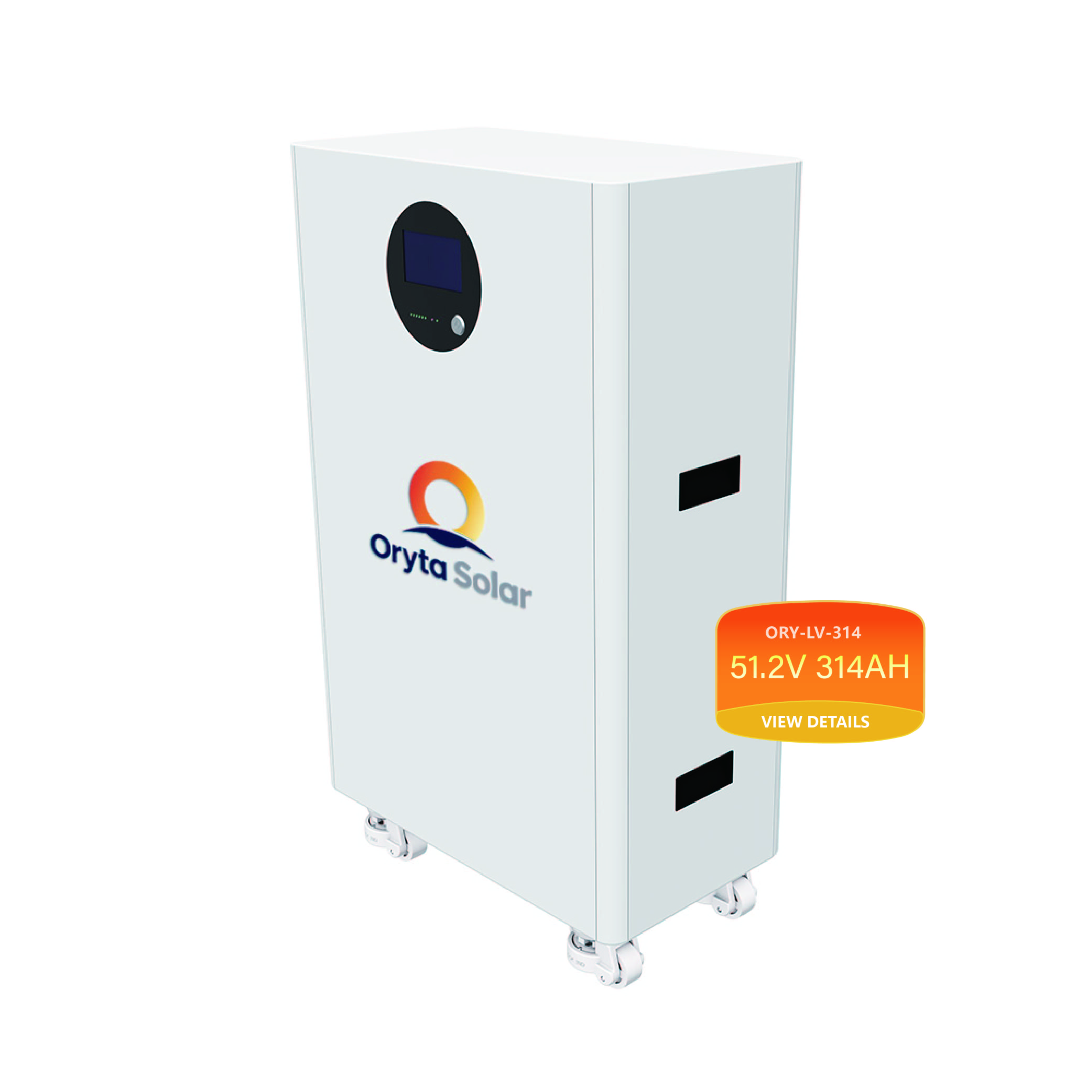
A 48v lithium battery represents a sweet spot in energy storage technology, offering the perfect balance between power output, safety, and versatility across numerous applications. Understanding which applications truly maximize the potential of a 48v lithium battery system requires examining power requirements, voltage compatibility, and operational efficiency factors that make this battery configuration particularly well-suited for specific use cases.
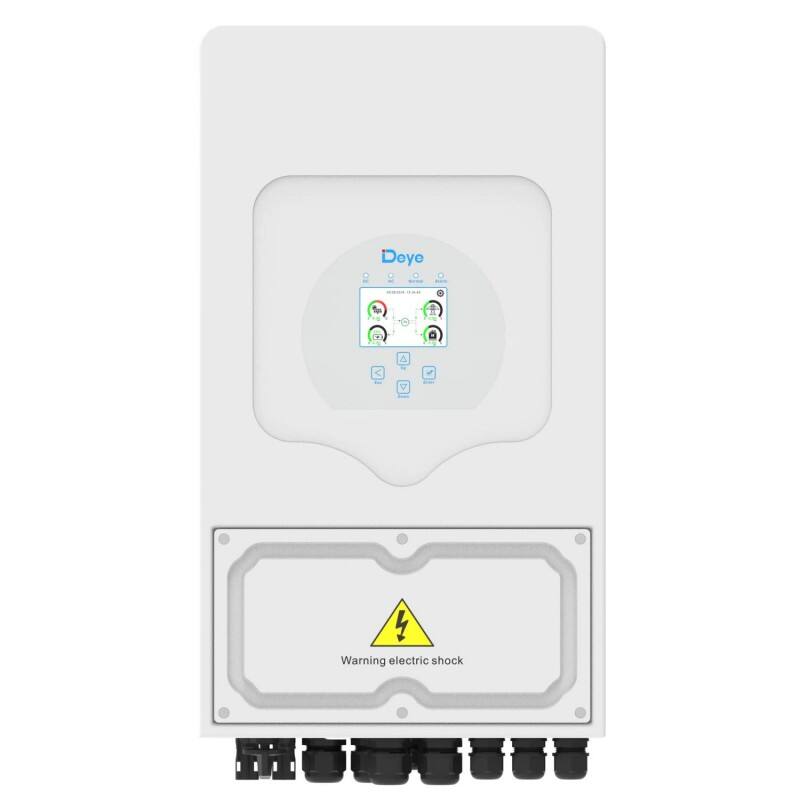
The 48v lithium battery architecture delivers exceptional performance in applications that demand consistent power delivery, scalable energy storage, and reliable operation under varying load conditions. From residential energy storage systems to commercial backup power solutions, the 48v configuration provides optimal compatibility with modern inverter technology while maintaining safety standards that make it suitable for both indoor and outdoor installations.
Residential Energy Storage Applications
Solar Power Storage Systems
Residential solar installations represent one of the most effective applications for 48v lithium battery systems. The voltage level aligns perfectly with most residential solar inverters, creating an efficient energy conversion pathway that minimizes power losses during charging and discharging cycles. Homeowners benefit from the 48v lithium battery's ability to store excess solar energy generated during peak sunlight hours for use during evening periods or cloudy days.
The modular nature of 48v lithium battery configurations allows homeowners to scale their energy storage capacity based on household consumption patterns. A typical residential setup might start with a single 48v lithium battery unit and expand to multiple parallel connections as energy needs grow. This scalability makes the 48v lithium battery particularly attractive for homes with varying seasonal energy demands or those planning to increase their electrical load through electric vehicle charging or additional appliances.
Safety considerations make the 48v lithium battery especially suitable for residential environments. The voltage level remains below the 60v threshold that typically requires special electrical handling procedures, while still providing sufficient power for meaningful energy storage. Modern 48v lithium battery systems incorporate advanced battery management systems that monitor cell temperatures, voltages, and charging states to prevent dangerous conditions that could affect household safety.
Backup Power Solutions
Home backup power applications showcase another area where 48v lithium battery technology excels. During power outages, a properly configured 48v lithium battery system can seamlessly provide electricity to essential household circuits through an automatic transfer switch. The battery's rapid response time ensures that sensitive electronics and appliances experience minimal disruption during the transition from grid power to battery backup.
The energy density advantages of 48v lithium battery technology become particularly apparent in backup power scenarios. Compared to traditional lead-acid backup systems, a 48v lithium battery can deliver the same power output while occupying significantly less space and requiring minimal maintenance. This compact footprint allows homeowners to install backup power systems in basements, garages, or utility rooms without dedicating excessive space to battery storage.
Backup power duration depends on both the capacity of the 48v lithium battery system and the electrical load being supported. A well-designed system can provide several hours of power for essential circuits including lighting, refrigeration, and communication devices. The ability to selectively power critical loads makes 48v lithium battery systems particularly effective for maintaining household functionality during extended outages.
Commercial and Industrial Applications
Telecommunications Infrastructure
Telecommunications equipment represents a critical application area where 48v lithium battery systems provide exceptional value. Cell towers, data centers, and communication hubs require uninterrupted power to maintain network connectivity, making reliable backup power essential for operational continuity. The 48v lithium battery configuration matches the standard voltage requirements of most telecommunications equipment, eliminating the need for additional voltage conversion components.
Remote telecommunications sites particularly benefit from 48v lithium battery technology due to the challenging maintenance requirements of these locations. Unlike traditional battery technologies that require regular water additions or ventilation systems, a 48v lithium battery operates maintenance-free for years while delivering consistent performance across wide temperature ranges. This reliability reduces the frequency of costly service visits to remote tower sites.
The rapid recharge capability of 48v lithium battery systems proves invaluable in telecommunications applications where backup power may be needed repeatedly during grid instability periods. Solar panels or small wind generators can efficiently recharge a 48v lithium battery system between outages, ensuring that backup power remains available when needed most. The battery's ability to handle frequent charge-discharge cycles without performance degradation makes it ideal for sites experiencing regular power disruptions.
Uninterruptible Power Supply Systems
Commercial uninterruptible power supply applications showcase the technical advantages of 48v lithium battery technology in mission-critical environments. Data centers, medical facilities, and industrial control systems rely on UPS systems to bridge power interruptions and provide clean, stable electricity during grid fluctuations. The 48v lithium battery offers superior power density and faster response times compared to traditional UPS battery technologies.
The compact design of 48v lithium battery systems enables UPS installations in space-constrained commercial environments. Server rooms and equipment closets can accommodate more powerful backup systems without requiring additional floor space or structural modifications. This space efficiency becomes particularly valuable in urban commercial buildings where real estate costs make every square foot important for revenue generation.
Monitoring and management capabilities built into modern 48v lithium battery systems provide commercial users with detailed information about battery health, remaining runtime, and maintenance requirements. These advanced monitoring features allow facility managers to optimize UPS performance and schedule maintenance activities during planned downtime periods rather than experiencing unexpected battery failures during critical operations.
Mobile and Transportation Applications
Electric Vehicle Systems
Electric vehicles represent a growing application segment where 48v lithium battery technology provides specific advantages for auxiliary power systems and mild hybrid configurations. While high-voltage battery packs power the main drive motors, 48v lithium battery systems handle auxiliary loads including air conditioning, power steering, and electrical accessories. This dual-voltage approach optimizes energy efficiency while maintaining safety in vehicle electrical systems.
Golf carts and low-speed electric vehicles particularly benefit from 48v lithium battery configurations due to the perfect balance between power output and weight reduction. A 48v lithium battery system can propel these vehicles for extended distances while weighing significantly less than equivalent lead-acid battery banks. The weight reduction improves vehicle handling and allows for increased passenger or cargo capacity.
Marine applications showcase another transportation sector where 48v lithium battery systems deliver exceptional performance. Electric boats and hybrid marine vessels utilize 48v lithium battery technology for propulsion systems and house power applications. The battery's resistance to vibration and ability to operate in challenging marine environments makes it particularly suitable for recreational and commercial boating applications.
Recreational Vehicle Power
Recreational vehicles and mobile homes represent ideal applications for 48v lithium battery systems due to the combination of space constraints and diverse electrical loads. RV owners require reliable power for lighting, appliances, entertainment systems, and climate control while maintaining the ability to recharge the battery system through solar panels, alternator charging, or shore power connections. The 48v lithium battery provides sufficient capacity for extended off-grid camping while occupying minimal storage space.
The lightweight characteristics of 48v lithium battery technology prove particularly valuable in RV applications where weight distribution affects vehicle handling and fuel efficiency. Replacing traditional lead-acid house batteries with a 48v lithium battery system can reduce overall vehicle weight by several hundred pounds while providing equivalent or superior electrical performance. This weight reduction allows RV owners to carry additional supplies or equipment without exceeding vehicle weight ratings.
Temperature tolerance makes 48v lithium battery systems well-suited for RV applications that may encounter extreme weather conditions during travel. Unlike lead-acid batteries that lose significant capacity in cold weather, a properly designed 48v lithium battery maintains performance across wide temperature ranges. Internal heating systems in advanced battery designs ensure reliable operation even in freezing conditions common during winter RV travel.
Off-Grid and Remote Power Applications
Remote Monitoring Systems
Remote monitoring applications in industries such as oil and gas, environmental monitoring, and agricultural management require reliable power sources that can operate unattended for extended periods. A 48v lithium battery system provides the energy storage capacity needed to power monitoring equipment, data transmission systems, and environmental sensors in locations where grid power is unavailable or unreliable.
Weather monitoring stations exemplify the ideal application for 48v lithium battery technology in remote environments. These installations must continuously operate instruments that measure temperature, humidity, wind speed, and precipitation while transmitting data to central collection points. The 48v lithium battery provides sufficient capacity to maintain operations during extended periods of reduced solar charging while supporting the power requirements of communication equipment and environmental sensors.
Pipeline monitoring systems utilize 48v lithium battery installations to power leak detection equipment, pressure sensors, and communication systems along remote pipeline routes. The battery's ability to provide reliable power without maintenance visits makes it particularly valuable for monitoring systems located in challenging environments where access is difficult or expensive. Solar panels typically recharge the 48v lithium battery during daylight hours, ensuring continuous operation of critical safety monitoring equipment.
Emergency Communication Systems
Emergency communication systems depend on 48v lithium battery technology to maintain connectivity during disasters and emergency situations when grid power may be unavailable for extended periods. Emergency services, disaster response teams, and public safety organizations require reliable communication equipment that can operate independently of commercial power infrastructure. The 48v lithium battery provides the energy storage necessary to support radio repeaters, emergency broadcast systems, and coordination centers during crisis situations.
Amateur radio operators utilize 48v lithium battery systems to power emergency communication networks that provide backup communication capabilities during natural disasters. The battery's ability to support high-power radio transmissions while maintaining charge capacity for extended operations makes it essential for emergency communication preparedness. Portable 48v lithium battery systems can be quickly deployed to establish temporary communication hubs in areas where permanent infrastructure has been damaged.
Public safety applications benefit from the rapid deployment capabilities of 48v lithium battery systems during emergency response operations. Mobile command centers, temporary lighting systems, and portable communication equipment can be powered by transportable 48v lithium battery installations that provide reliable electricity without the noise and fuel requirements of generator systems. This quiet operation proves particularly valuable during search and rescue operations where generator noise could interfere with communication or detection efforts.
FAQ
What makes a 48v lithium battery better than 12v or 24v configurations for specific applications?
A 48v lithium battery offers superior efficiency for higher power applications compared to 12v or 24v systems because it can deliver the same power with lower current flows. This reduced current requirement means smaller wire sizes, reduced electrical losses, and improved overall system efficiency. Applications requiring more than 2000 watts typically benefit from 48v configurations due to these electrical advantages.
Can a 48v lithium battery system be safely installed in residential environments?
Yes, 48v lithium battery systems are considered safe for residential installation when properly designed and installed according to manufacturer specifications. The 48v voltage level remains below most electrical codes' requirements for special handling procedures while providing sufficient power for meaningful energy storage. Modern battery management systems ensure safe operation through temperature monitoring, overcharge protection, and cell balancing functions.
How long does a 48v lithium battery typically last in different applications?
A 48v lithium battery generally provides 10-15 years of service life in typical applications, though actual lifespan depends on usage patterns, charging practices, and environmental conditions. Daily cycling applications like solar storage may see 8-12 years of service, while backup power applications with infrequent use can extend battery life to 15+ years. Proper maintenance and avoiding extreme temperatures help maximize battery lifespan across all applications.
What factors should be considered when sizing a 48v lithium battery system for specific applications?
Sizing a 48v lithium battery system requires analyzing daily energy consumption, peak power requirements, backup duration needs, and recharge capabilities. Applications with high instantaneous power demands may need additional battery capacity to handle surge loads, while applications with consistent moderate loads can be sized more closely to average consumption. Temperature conditions, charging source availability, and expansion plans also influence proper system sizing decisions.
Table of Contents
- Residential Energy Storage Applications
- Commercial and Industrial Applications
- Mobile and Transportation Applications
- Off-Grid and Remote Power Applications
-
FAQ
- What makes a 48v lithium battery better than 12v or 24v configurations for specific applications?
- Can a 48v lithium battery system be safely installed in residential environments?
- How long does a 48v lithium battery typically last in different applications?
- What factors should be considered when sizing a 48v lithium battery system for specific applications?