 EN
EN

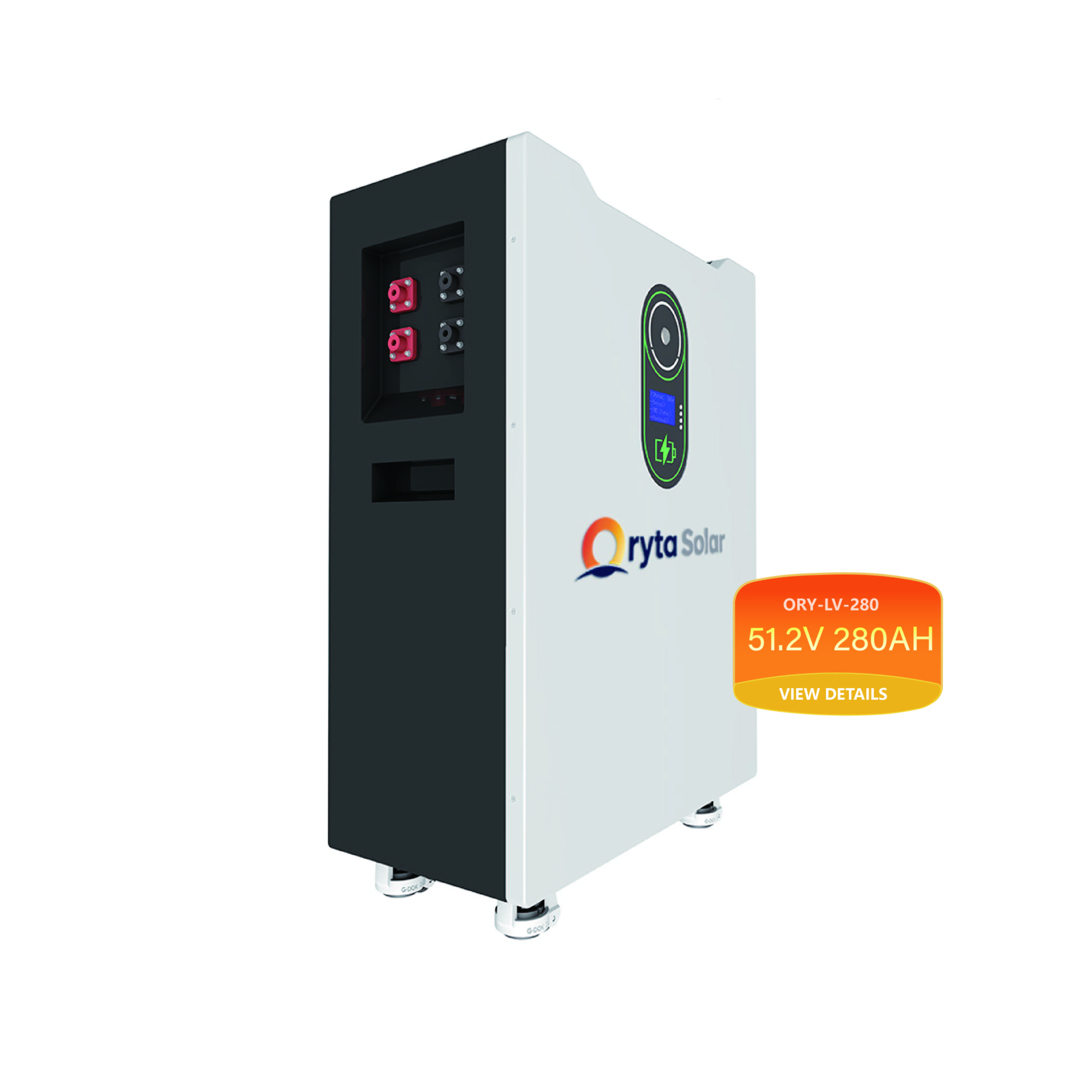
The lifespan of a 48v lithium battery in daily use depends on several critical factors including discharge depth, charging patterns, temperature conditions, and the specific battery chemistry employed. Understanding these variables helps determine realistic expectations for battery longevity and enables better planning for energy storage applications where consistent performance is essential.
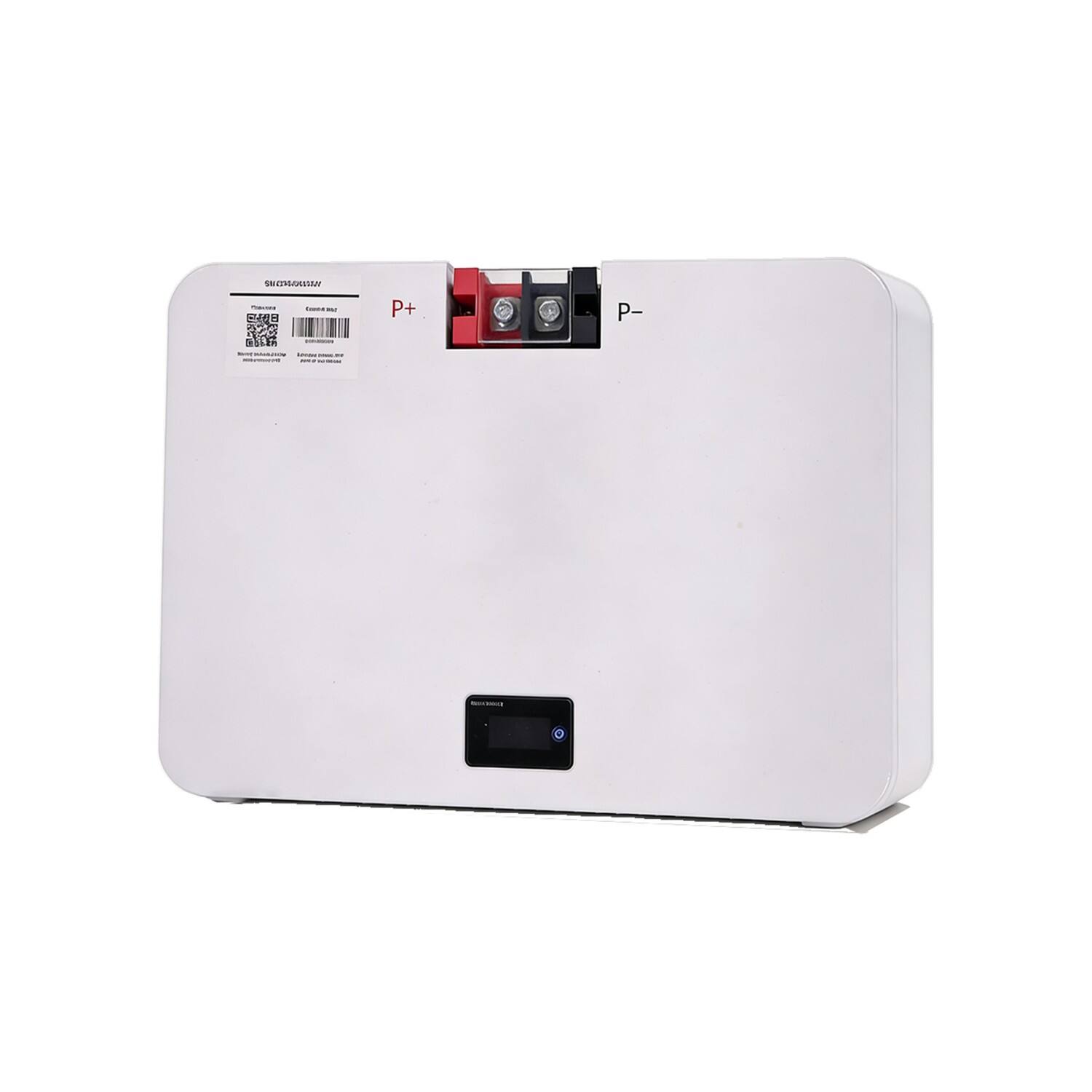
Most quality 48v lithium battery systems deliver between 3,000 to 5,000 charge cycles when operated under optimal conditions with proper depth of discharge management. This translates to approximately 8 to 15 years of daily use depending on how deeply the battery is discharged each day and the specific application requirements that drive the usage patterns.
Battery Chemistry Impact on Daily Lifespan
Lithium Iron Phosphate Performance Characteristics
Lithium iron phosphate chemistry in a 48v lithium battery configuration typically provides the longest operational lifespan for daily use applications. These batteries can withstand 4,000 to 6,000 deep discharge cycles while maintaining above 80% capacity retention. The stable chemistry resists thermal runaway and demonstrates excellent calendar life even under frequent cycling conditions.
The inherent stability of LiFePO4 chemistry means that a 48v lithium battery using this technology can operate reliably in temperatures ranging from -20°C to 60°C without significant degradation. This temperature tolerance directly impacts daily usability since extreme conditions often accelerate capacity loss in other lithium chemistries.
Daily cycling with LiFePO4-based 48v lithium battery systems shows minimal capacity fade during the first 2,000 cycles, making this chemistry particularly suitable for applications requiring consistent daily performance over extended periods.
Lithium Nickel Manganese Cobalt Considerations
NMC chemistry in 48v lithium battery applications offers higher energy density but typically provides 2,000 to 3,000 cycles before reaching 80% capacity retention. This reduced cycle life directly affects the practical daily use duration, particularly in applications where deep discharge occurs regularly.
The energy density advantage of NMC chemistry allows for more compact 48v lithium battery designs, which can be beneficial in space-constrained installations. However, the trade-off in cycle life means that daily use applications may require battery replacement sooner than with LiFePO4 alternatives.
Temperature sensitivity in NMC-based 48v lithium battery systems requires more careful thermal management to achieve optimal daily use longevity. Operating temperatures above 45°C can significantly accelerate capacity degradation in daily cycling applications.
Depth of Discharge Effects on Daily Usage Duration
Shallow Discharge Benefits
Limiting daily discharge depth to 50% or less can extend a 48v lithium battery lifespan significantly, often doubling the achievable cycle count. This approach requires larger capacity systems but provides substantial long-term value through extended operational life and reduced replacement frequency.
Shallow discharge operation allows a 48v lithium battery to maintain higher voltage levels throughout the discharge cycle, which improves efficiency in connected equipment and reduces stress on battery management systems. This operational approach is particularly beneficial in applications where consistent voltage output is critical for daily operations.
The economic benefits of shallow discharge operation with a 48v lithium battery often justify the higher initial investment in capacity, as the extended lifespan reduces the total cost of ownership over the system's operational life.
Deep Discharge Impact Analysis
Daily deep discharge cycles exceeding 80% depth significantly reduce the operational lifespan of a 48v lithium battery system. While lithium chemistry tolerates deep discharge better than lead-acid alternatives, frequent deep cycling still accelerates capacity degradation and reduces the total achievable cycles.
Deep discharge operation can reduce a 48v lithium battery lifespan by 30-50% compared to shallow cycling, depending on the specific chemistry and operating conditions. This reduction directly impacts the practical daily use duration and increases the frequency of battery system replacements.
Applications requiring daily deep discharge from a 48v lithium battery should incorporate capacity planning that accounts for the accelerated degradation, ensuring adequate performance throughout the intended service life even as capacity gradually decreases.
Environmental Factors Affecting Daily Performance
Temperature Impact on Longevity
Operating temperature significantly influences how long a 48v lithium battery lasts in daily use, with elevated temperatures accelerating chemical reactions that lead to capacity loss. Maintaining operating temperatures below 35°C can extend battery life by 20-30% compared to operation at 45°C or higher.
Cold temperature operation reduces the immediate capacity available from a 48v lithium battery but generally does not accelerate long-term degradation. Daily use in cold climates may require heating systems to maintain optimal performance, but the battery lifespan typically remains uncompromised by low temperature exposure.
Thermal cycling from daily temperature variations can create mechanical stress within a 48v lithium battery, potentially reducing lifespan if temperature swings exceed 30°C regularly. Proper thermal management systems help minimize this impact in outdoor or variable temperature applications.
Humidity and Environmental Protection
Humidity control becomes critical for 48v lithium battery longevity in daily use applications, as moisture ingress can accelerate corrosion of electrical connections and compromise the battery management system. Proper enclosure design extends operational life significantly in humid environments.
Dust and particulate contamination can affect the thermal management of a 48v lithium battery system, leading to elevated operating temperatures that reduce daily use longevity. Regular maintenance and appropriate filtration systems help maintain optimal operating conditions.
Vibration and mechanical stress in mobile or industrial applications can impact the internal connections within a 48v lithium battery, potentially reducing its effective lifespan in daily use scenarios. Proper mounting and shock absorption help mitigate these effects.
Charging Patterns and Daily Use Optimization
Optimal Charging Strategies
Implementing optimal charging patterns can extend the daily use lifespan of a 48v lithium battery by 15-25%. Avoiding constant 100% state of charge and implementing periodic partial discharge cycles helps maintain battery health and capacity retention over extended daily use periods.
Float charging at voltages slightly below maximum can reduce stress on a 48v lithium battery during standby periods between daily use cycles. This approach is particularly beneficial in applications where the battery remains connected to charging systems for extended periods.
Multi-stage charging protocols that incorporate absorption and float phases help ensure complete charging while minimizing stress on the 48v lithium battery cells. Proper charging strategies can extend the practical daily use duration by maintaining higher capacity retention throughout the battery's operational life.
Charge Rate Considerations
Moderate charge rates between 0.2C and 0.5C typically provide the best balance between charging convenience and long-term 48v lithium battery health in daily use applications. Faster charging rates can reduce lifespan while slower rates may not provide adequate daily recharge capability.
Fast charging capabilities of modern 48v lithium battery systems enable rapid daily recharge but should be used judiciously to avoid accelerated capacity degradation. Limiting fast charging to situations where absolutely necessary helps preserve long-term performance.
Temperature-compensated charging helps ensure optimal daily recharge of a 48v lithium battery across varying environmental conditions. This approach maintains proper charging voltage and current profiles regardless of ambient temperature variations during daily use.
Application-Specific Longevity Expectations
Solar Energy Storage Applications
In solar energy storage applications, a 48v lithium battery typically experiences one complete daily cycle with partial discharge during evening hours and recharge during daylight periods. This usage pattern generally allows 10-15 years of reliable daily service with proper system design and battery management.
Seasonal variations in solar charging can affect the daily cycling pattern of a 48v lithium battery, with deeper discharge cycles during winter months potentially reducing overall lifespan. Proper capacity sizing helps maintain optimal discharge depths throughout the year.
Grid-tie systems with 48v lithium battery backup may experience irregular cycling patterns depending on grid stability and energy pricing, which can actually extend battery lifespan compared to consistent daily cycling applications.
Electric Vehicle and Mobile Applications
Mobile applications using 48v lithium battery systems often involve variable daily discharge patterns depending on usage intensity and route characteristics. This variability can either extend or reduce battery lifespan depending on the average depth of discharge and charging opportunities.
Regenerative charging capabilities in electric vehicles can help extend the daily use duration of a 48v lithium battery by providing supplemental charging during operation. This reduces the net daily discharge and can significantly improve overall battery longevity.
Commercial vehicle applications with consistent daily routes allow for optimized 48v lithium battery sizing and charging strategies, often achieving 5-8 years of reliable daily service with proper system management and maintenance protocols.
FAQ
What is the typical daily runtime for a 48v lithium battery?
The daily runtime of a 48v lithium battery depends on the connected load and battery capacity. A 100Ah 48v lithium battery can provide approximately 4.8kWh of energy, which might power a 1kW load for about 4-5 hours accounting for system efficiency losses.
How many years can I expect from daily 48v lithium battery use?
With proper management and moderate discharge depths, a quality 48v lithium battery can provide 8-15 years of daily use. LiFePO4 chemistry typically lasts longer than other lithium chemistries, especially when discharge depth is limited to 70% or less daily.
Does daily charging harm a 48v lithium battery?
Daily charging does not harm a 48v lithium battery when proper charging protocols are followed. Lithium batteries are designed for frequent cycling, and daily charging is actually beneficial compared to leaving the battery in a partially discharged state for extended periods.
What reduces 48v lithium battery lifespan in daily use most?
High operating temperatures, deep daily discharge cycles exceeding 80%, and improper charging practices are the primary factors that reduce 48v lithium battery lifespan in daily use. Maintaining moderate temperatures and limiting discharge depth provides the greatest longevity benefit.