 EN
EN

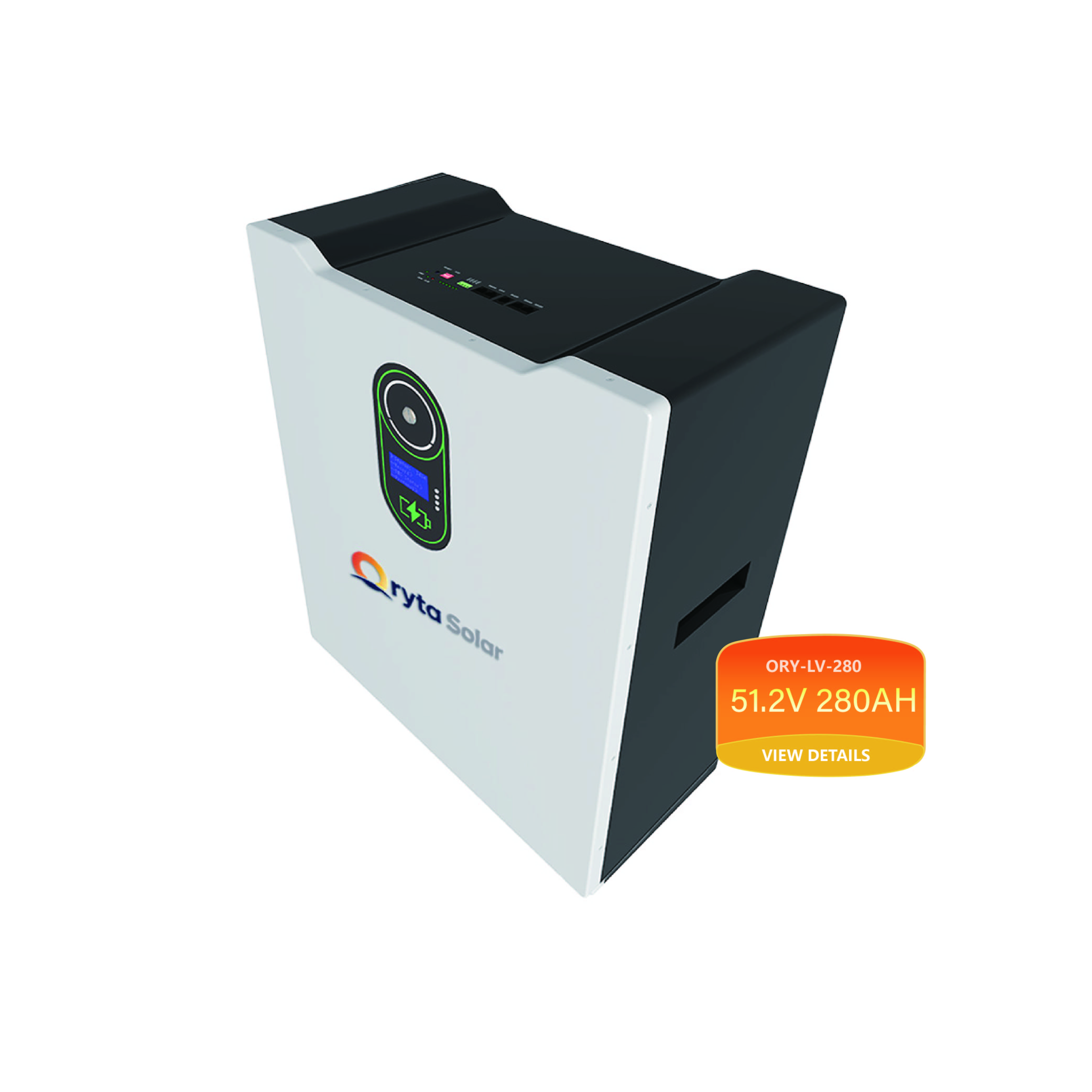
The energy storage landscape is experiencing a remarkable transformation in 2026, with 48v lithium battery systems emerging as the preferred choice for residential, commercial, and industrial applications. This voltage configuration has captured significant market attention due to its optimal balance of safety, efficiency, and regulatory compliance. Understanding the driving forces behind this trend reveals why the 48v lithium battery standard is reshaping how we approach energy storage solutions across multiple sectors.
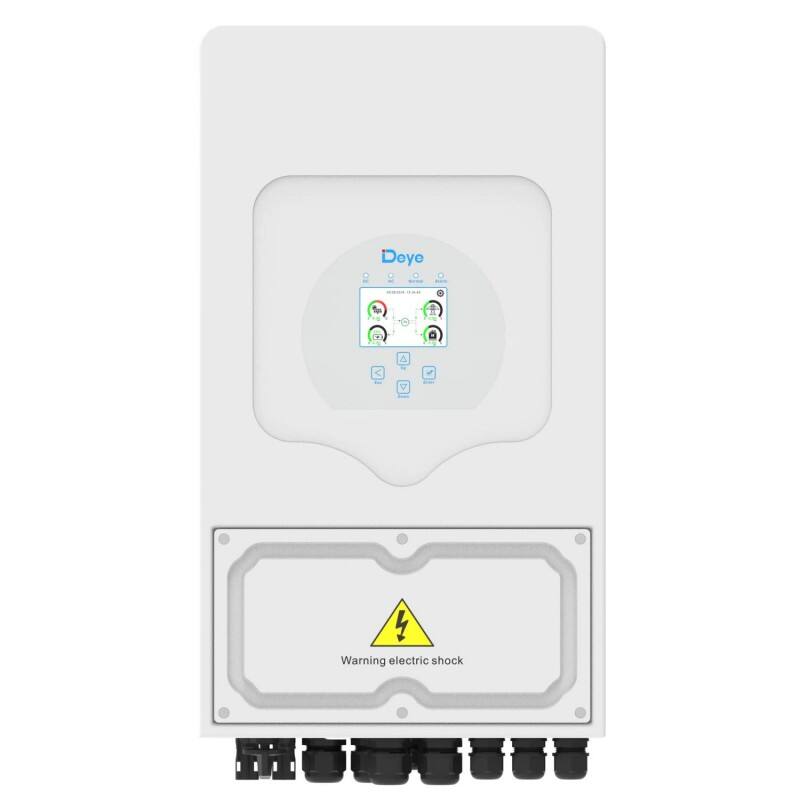
Multiple technological and market factors have converged to position the 48v lithium battery as the dominant energy storage solution in 2026. From enhanced safety protocols and improved energy density to streamlined installation processes and cost optimization, these systems address critical pain points that have historically limited widespread adoption of advanced battery technologies. The growing popularity stems from both technical superiority and practical advantages that make 48v configurations increasingly attractive to diverse user segments.
Safety Advantages Drive Market Adoption
Low Voltage Classification Benefits
The 48v lithium battery operates within the low voltage classification range, which significantly reduces safety requirements and regulatory compliance complexities. This voltage level falls below the 50V DC threshold that typically triggers high voltage safety protocols, eliminating the need for specialized high voltage training for installation and maintenance personnel. The reduced safety risk profile makes these systems more accessible to standard electrical contractors and simplifies the approval process for residential and commercial installations.
Installation professionals can work with 48v lithium battery systems using standard safety equipment and procedures, rather than requiring specialized high voltage protective gear and certification. This accessibility has expanded the pool of qualified installers and reduced installation costs, contributing to faster market adoption. The lower voltage also minimizes the risk of electrical shock during routine maintenance and troubleshooting activities.
Reduced Arc Flash Risk
Arc flash incidents represent a significant safety concern with higher voltage battery systems, but the 48v lithium battery configuration substantially reduces this risk. The lower voltage level decreases the potential energy available for arc formation, resulting in less severe consequences if electrical faults occur. This safety advantage has become particularly important for commercial and industrial applications where personnel safety is paramount.
The reduced arc flash risk also translates to lower insurance premiums and simplified safety protocols for facilities utilizing 48v lithium battery systems. Organizations can implement these energy storage solutions without extensive modifications to existing safety procedures or significant investments in specialized protection equipment. This practical advantage has accelerated adoption in environments where safety considerations traditionally limited battery deployment options.
Technical Performance Improvements
Enhanced Energy Density
Recent advances in lithium battery chemistry and cell design have significantly improved the energy density capabilities of 48v lithium battery systems. Modern lithium iron phosphate and nickel manganese cobalt formulations deliver higher capacity per unit weight and volume, making 48v configurations more competitive with traditional higher voltage alternatives. These improvements enable compact installations that maximize energy storage within limited space constraints.
The enhanced energy density of contemporary 48v lithium battery designs allows for smaller installation footprints while maintaining equivalent energy storage capacity. This space efficiency has proven particularly valuable in residential applications where available installation areas are limited. Commercial facilities also benefit from the ability to integrate more energy storage capacity within existing electrical rooms and utility spaces.
Improved Cycle Life Performance
The 48v lithium battery systems available in 2026 demonstrate significantly extended cycle life compared to previous generations, with many configurations achieving over 6000 charge-discharge cycles while maintaining 80% capacity retention. This longevity improvement results from advances in battery management system sophistication and optimized charging algorithms that minimize degradation factors. Extended cycle life translates directly to improved return on investment and reduced lifetime costs.
Advanced thermal management systems integrated within modern 48v lithium battery designs help maintain optimal operating temperatures throughout extended cycling periods. These thermal control mechanisms prevent excessive heat buildup that can accelerate capacity degradation and ensure consistent performance across varying environmental conditions. The combination of improved chemistry and enhanced thermal management delivers reliable long-term performance that justifies the investment in these systems.
Economic and Installation Advantages
Simplified System Integration
The 48v lithium battery voltage level aligns well with common DC bus voltages used in solar inverters, telecommunications equipment, and industrial control systems. This voltage compatibility simplifies system integration and reduces the need for additional power conversion equipment. Direct compatibility with existing infrastructure components streamlines installation processes and reduces overall system complexity.
Integration simplicity extends to monitoring and control systems, where 48v lithium battery configurations can often interface directly with existing building management systems and energy monitoring platforms. This compatibility eliminates the need for specialized interface equipment and reduces commissioning time. The straightforward integration process has made these systems particularly attractive for retrofit applications where minimal disruption to existing operations is essential.
Cost Optimization Through Standardization
The growing popularity of 48v lithium battery systems has enabled economies of scale in manufacturing and distribution. Standardization around the 48v configuration has allowed manufacturers to optimize production processes and reduce per-unit costs through volume purchasing of standardized components. This cost reduction has made these systems more accessible to a broader range of applications and user segments.
Supply chain optimization has also contributed to cost advantages, with distributors and installers able to maintain focused inventory of 48v lithium battery components rather than supporting multiple voltage configurations. This inventory consolidation reduces carrying costs and ensures better availability of replacement parts and expansion modules. The standardization benefits extend throughout the entire value chain from manufacturing to end-user support.
Market Applications and Use Cases
Residential Energy Storage Growth
Residential adoption of 48v lithium battery systems has accelerated dramatically in 2026 due to the combination of safety, performance, and cost advantages these systems provide. Homeowners appreciate the reduced safety requirements that allow for easier permitting and installation processes. The compatibility with standard residential solar inverters eliminates the need for specialized equipment and reduces overall system costs.
The modular nature of most 48v lithium battery systems allows residential users to start with smaller capacity installations and expand storage capability over time as needs change or budgets allow. This scalability feature has proven particularly attractive to homeowners who want to begin with basic backup power capability and gradually transition toward greater energy independence. The ability to add capacity without replacing existing components provides long-term flexibility and investment protection.
Commercial and Industrial Applications
Commercial facilities have embraced 48v lithium battery technology for peak shaving, demand charge reduction, and backup power applications. The simplified installation and maintenance requirements reduce operational complexity while delivering reliable energy storage performance. Industrial applications benefit from the robust design characteristics and proven reliability of modern 48v lithium battery systems.
The 48v lithium battery configuration has proven particularly well-suited for distributed energy storage applications where multiple smaller systems provide better redundancy and flexibility than single large installations. This distributed approach allows for targeted energy storage deployment that addresses specific operational requirements while maintaining overall system reliability. The ability to isolate individual battery modules for maintenance without affecting the entire system enhances operational continuity.
Future Technology Developments
Advanced Battery Management Integration
The evolution of 48v lithium battery systems continues with increasingly sophisticated battery management systems that optimize performance and extend operational life. Advanced algorithms monitor individual cell performance, predict maintenance requirements, and automatically adjust operating parameters to maximize efficiency. These intelligent management capabilities represent a significant advancement over earlier battery technologies.
Integration with Internet of Things platforms enables remote monitoring and predictive maintenance capabilities that further enhance the value proposition of 48v lithium battery installations. Real-time performance data and trend analysis help identify optimization opportunities and prevent potential issues before they impact system performance. This connectivity and intelligence factor has become increasingly important for both residential and commercial applications.
Enhanced Interconnectivity Options
Modern 48v lithium battery systems incorporate advanced communication protocols that enable seamless integration with smart grid infrastructure and energy management systems. This interconnectivity allows for participation in grid services programs and demand response initiatives that can provide additional revenue streams for system owners. The ability to respond to grid signals and optimize charging and discharging based on real-time conditions maximizes the economic benefits of energy storage investments.
Future developments in 48v lithium battery technology will likely focus on enhanced grid integration capabilities and improved interoperability with renewable energy sources. The standardized voltage level provides a solid foundation for these advanced features while maintaining the safety and cost advantages that have driven initial adoption. These technological improvements continue to strengthen the case for 48v lithium battery systems across diverse applications.
FAQ
What makes 48v lithium battery systems safer than higher voltage alternatives?
The 48v lithium battery operates below the 50V DC threshold that triggers high voltage safety protocols, reducing installation and maintenance safety requirements. This lower voltage minimizes arc flash risk and allows standard electrical contractors to work on these systems without specialized high voltage training or equipment. The reduced safety complexity translates to faster permitting, lower installation costs, and simplified ongoing maintenance procedures.
How does the performance of 48v lithium battery systems compare to higher voltage configurations?
Modern 48v lithium battery systems deliver comparable energy density and cycle life performance to higher voltage alternatives while offering superior safety and integration advantages. Recent advances in battery chemistry and thermal management have eliminated previous performance gaps, with many 48v systems now achieving over 6000 charge cycles and maintaining excellent efficiency throughout their operational life. The voltage level provides optimal compatibility with common DC bus voltages used in solar inverters and energy management systems.
Are 48v lithium battery systems cost-effective compared to other energy storage options?
The 48v lithium battery has become increasingly cost-effective due to manufacturing standardization, simplified installation requirements, and reduced safety compliance costs. The standardized voltage configuration enables economies of scale in production and distribution while eliminating the need for specialized installation equipment or extensive safety protocols. When total cost of ownership is considered, including installation, maintenance, and operational factors, 48v systems often provide superior value compared to alternative configurations.
What applications are best suited for 48v lithium battery technology?
The 48v lithium battery excels in residential energy storage, commercial peak shaving, telecommunications backup power, and distributed industrial applications. The safety advantages make these systems particularly well-suited for installations where standard electrical contractors perform maintenance and where simplified permitting is beneficial. The modular nature and standardized voltage level provide excellent flexibility for applications ranging from small residential backup systems to large commercial energy storage installations.
Table of Contents
- Safety Advantages Drive Market Adoption
- Technical Performance Improvements
- Economic and Installation Advantages
- Market Applications and Use Cases
- Future Technology Developments
-
FAQ
- What makes 48v lithium battery systems safer than higher voltage alternatives?
- How does the performance of 48v lithium battery systems compare to higher voltage configurations?
- Are 48v lithium battery systems cost-effective compared to other energy storage options?
- What applications are best suited for 48v lithium battery technology?