 EN
EN

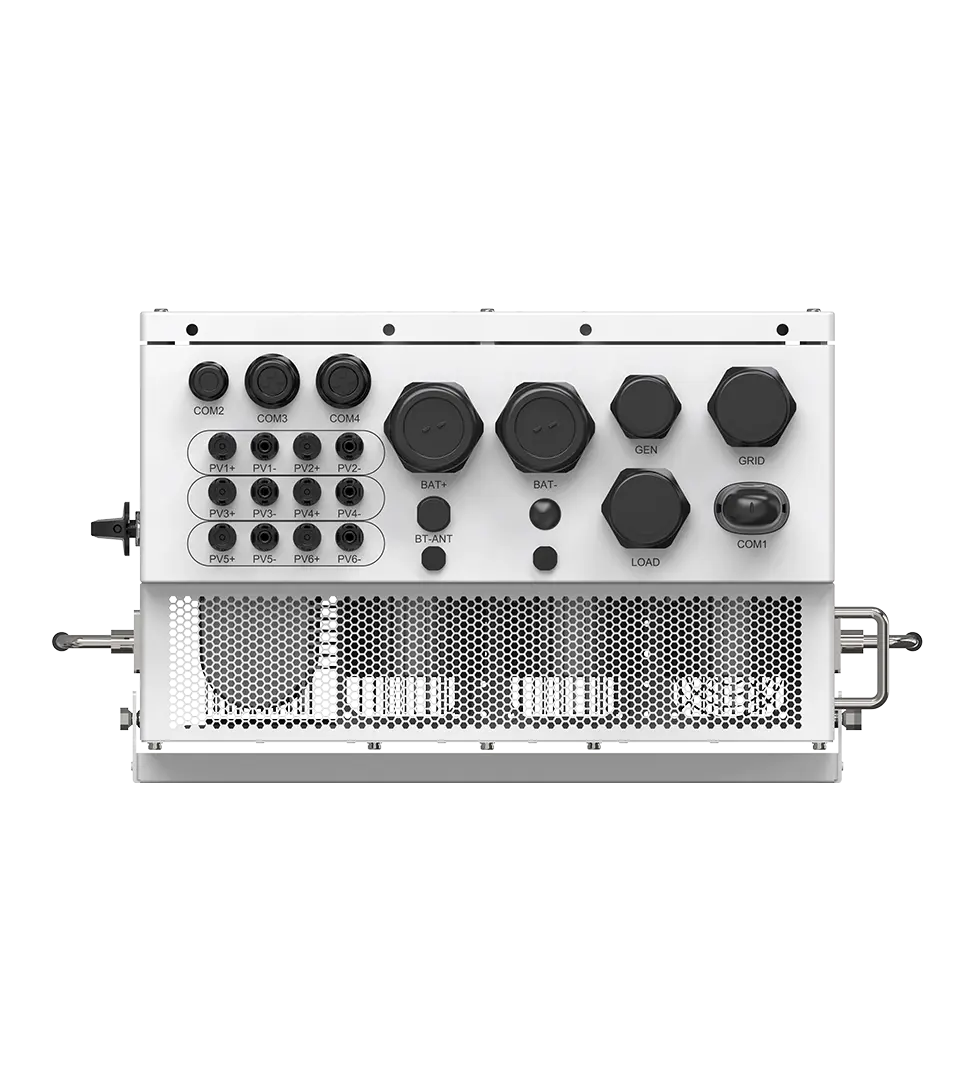
Determining the right moment to upgrade to a 5000 watt inverter requires careful assessment of your current power requirements and future energy needs. Many households and small businesses reach a critical point where their existing inverter capacity no longer supports their electrical demands, leading to frequent overloads, reduced efficiency, and potential equipment damage. Understanding the specific triggers that signal it's time for a 5000 watt inverter upgrade can help you make this important decision at the optimal moment.
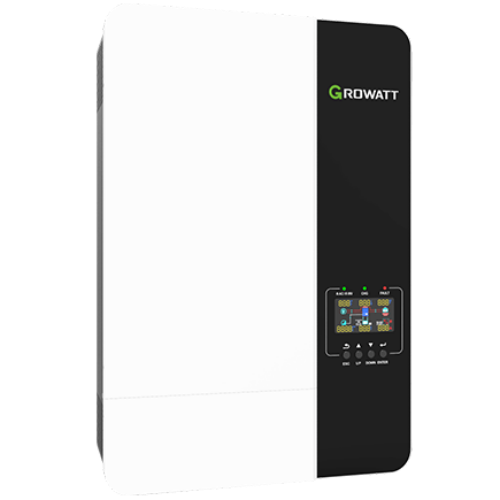
The decision to invest in a 5000 watt inverter typically coincides with significant changes in power consumption patterns, expansion of electrical systems, or the need for enhanced backup power reliability. Recognizing these timing indicators allows you to proactively address power limitations before they impact your daily operations or comfort. This upgrade decision involves evaluating multiple factors including current load requirements, seasonal variations in power usage, and long-term growth projections for your electrical needs.
Power Consumption Growth Indicators
Increasing Household Electrical Demands
When your home's electrical consumption consistently approaches or exceeds your current inverter's capacity, upgrading to a 5000 watt inverter becomes necessary. Modern households typically experience gradual increases in power requirements due to additional appliances, home office equipment, and enhanced lighting systems. The accumulation of devices such as multiple computers, printers, air purifiers, and kitchen appliances can quickly overwhelm smaller inverters.
Seasonal variations in power usage also create compelling reasons for a 5000 watt inverter upgrade. During peak summer months, air conditioning systems, fans, and cooling appliances significantly increase electrical demand. Similarly, winter heating requirements, holiday lighting, and extended indoor activities during colder months can push power consumption beyond existing inverter capabilities.
The addition of electric vehicles or electric vehicle charging stations to your property represents a major trigger for upgrading to a 5000 watt inverter. Vehicle charging systems require substantial power capacity and consistent electrical supply, making higher-capacity inverters essential for reliable charging operations.
Small Business and Workshop Expansion
Small businesses experiencing growth often discover that their original inverter capacity no longer supports expanded operations. Workshop additions, new manufacturing equipment, or increased office space with additional computers and machinery create immediate needs for enhanced power capacity. A 5000 watt inverter provides the headroom necessary for business growth without frequent power interruptions.
Professional services businesses adding servers, networking equipment, or specialized tools also benefit from 5000 watt inverter upgrades. These systems require reliable backup power to protect valuable data and maintain continuous operations during utility outages. The higher capacity ensures that critical business functions continue without compromise during power disruptions.
Retail establishments or service businesses installing point-of-sale systems, security equipment, and customer amenities like Wi-Fi networks need adequate inverter capacity to support all systems simultaneously. A 5000 watt inverter ensures that customer service operations remain uninterrupted even during extended power outages.
Technical Performance Limitations
Overload Frequency and System Stress
Frequent inverter overloads indicate that your current system operates beyond its optimal range, creating an immediate need for 5000 watt inverter capacity. When inverters regularly shut down due to excessive load demands, they experience increased wear and reduced lifespan. These shutdown events also interrupt power to connected devices, potentially causing data loss or equipment damage.
System stress manifests through various symptoms including reduced efficiency, excessive heat generation, and shortened battery life. An undersized inverter working at maximum capacity continuously operates less efficiently than a properly sized 5000 watt inverter handling the same load comfortably. This efficiency difference translates to higher operating costs and more frequent maintenance requirements.
Voltage fluctuations and power quality issues often emerge when inverters operate near their maximum capacity limits. Sensitive electronic equipment requires stable power delivery, which becomes difficult when inverters struggle to meet demand. Upgrading to a 5000 watt inverter provides the capacity margin necessary for consistent voltage regulation and clean power output.
Battery System Optimization Requirements
Battery bank expansion projects typically require corresponding inverter upgrades to maximize system effectiveness. When you invest in additional battery capacity for extended backup duration, your 5000 watt inverter must efficiently utilize this increased energy storage. Mismatched inverter and battery capacities result in suboptimal performance and reduced return on investment.
Advanced battery technologies such as lithium-ion systems often require sophisticated inverter features for optimal charging and discharging cycles. A modern 5000 watt inverter provides the intelligent battery management capabilities necessary to maximize battery lifespan and performance. These features include precise charging algorithms, temperature compensation, and battery health monitoring.
Solar integration projects frequently drive the need for 5000 watt inverter upgrades. Expanding solar panel arrays or adding solar capacity to existing systems requires inverters capable of handling increased DC input while maintaining efficient AC conversion. The enhanced capacity allows for better utilization of solar generation and improved overall system efficiency.
Reliability and Backup Power Requirements
Critical Load Protection Needs
Medical equipment, home offices, and essential systems require uninterrupted power supply that only adequate inverter capacity can provide. When power outages could impact health, safety, or livelihood, upgrading to a 5000 watt inverter becomes a critical decision. These systems ensure that life-support equipment, communication devices, and security systems maintain operation during utility failures.
Remote work arrangements and home-based businesses create new reliability requirements that often exceed existing inverter capabilities. Video conferencing, file servers, network equipment, and multiple computer workstations demand consistent power delivery. A 5000 watt inverter provides the capacity and reliability necessary for professional home office operations.
Food preservation systems, including refrigerators, freezers, and specialized storage equipment, require adequate backup power capacity to prevent spoilage during extended outages. The cost of replacing spoiled food often exceeds the investment in a properly sized 5000 watt inverter system, making the upgrade economically justified.
Geographic and Environmental Factors
Areas prone to frequent power outages or severe weather events benefit significantly from 5000 watt inverter capacity. Regions with unreliable utility infrastructure require robust backup power systems to maintain normal activities during extended outages. The enhanced capacity provides peace of mind and practical solutions for weather-related power disruptions.
Seasonal power demand variations in certain climates create compelling reasons for 5000 watt inverter upgrades. Locations with extreme seasonal temperature variations require substantial heating or cooling capacity during peak seasons. The additional inverter capacity ensures comfortable living conditions regardless of weather extremes.
Rural or off-grid locations often require higher inverter capacity to support all necessary electrical systems without utility grid backup. A 5000 watt inverter provides the independence and reliability needed for comfortable off-grid living while supporting modern electrical appliances and systems.
Economic and Long-term Planning Considerations
Cost-Benefit Analysis Timing
The optimal timing for a 5000 watt inverter upgrade often aligns with significant cost-benefit advantages. Energy costs, utility rate increases, and backup power requirements create economic incentives that make inverter upgrades financially attractive. When the cost of power outages exceeds the upgrade investment, the timing becomes economically justified.
Tax incentives, rebates, and financing programs for renewable energy systems often include inverter upgrades as qualifying improvements. Taking advantage of available incentives can significantly reduce the effective cost of a 5000 watt inverter upgrade. Timing the upgrade to coincide with favorable incentive programs maximizes economic benefits.
Equipment replacement cycles and planned system maintenance provide natural opportunities for 5000 watt inverter upgrades. When existing inverters approach end-of-life or require major repairs, upgrading to higher capacity represents better long-term value than replacing with similar capacity units.
Future-Proofing Investment Strategy
Anticipating future electrical needs helps determine the optimal timing for 5000 watt inverter upgrades. Planned home additions, business expansions, or lifestyle changes that increase power consumption make proactive inverter upgrades cost-effective. Installing adequate capacity before reaching critical needs prevents emergency upgrades at premium costs.
Technology adoption trends, including electric vehicles, smart home systems, and advanced appliances, drive increasing power requirements. A 5000 watt inverter provides the foundation necessary to support emerging technologies without additional system modifications. This forward-thinking approach prevents multiple upgrade cycles and reduces total system costs.
Property value considerations also influence upgrade timing decisions. Enhanced backup power capability increases property desirability and market value. Installing a 5000 watt inverter system before listing a property for sale can provide competitive advantages and justify premium pricing in markets where power reliability is valued.
FAQ
How do I know if my current power needs exceed my existing inverter capacity?
Monitor your inverter's performance indicators including frequent overload shutdowns, efficiency reductions, and voltage fluctuations during peak usage periods. Calculate your total electrical load by adding the wattage of all devices you need to operate simultaneously during power outages. If this total approaches or exceeds 80% of your current inverter's capacity, upgrading to a 5000 watt inverter is recommended to ensure reliable operation and system longevity.
What seasonal factors should influence my decision to upgrade to a 5000 watt inverter?
Consider peak seasonal demands such as summer air conditioning, winter heating systems, holiday lighting, and seasonal business activities. If your power requirements increase significantly during certain seasons and strain your current inverter capacity, timing your upgrade before peak season ensures uninterrupted service. Many people discover their upgrade needs during high-demand periods when their existing systems fail to meet seasonal power requirements.
Can I upgrade to a 5000 watt inverter if I plan to expand my solar panel system?
Yes, upgrading to a 5000 watt inverter is often necessary when expanding solar panel capacity to ensure optimal system performance. The inverter must handle both the increased DC input from additional panels and the higher AC output demands. Planning your inverter upgrade in coordination with solar expansion prevents system mismatches and maximizes your solar investment return through improved efficiency and capacity utilization.
What are the warning signs that indicate immediate need for a 5000 watt inverter upgrade?
Immediate upgrade indicators include regular inverter overload alarms, inability to operate essential appliances during outages, excessive heat generation from your current inverter, and shortened backup duration despite adequate battery capacity. Additionally, if you experience voltage drops that affect sensitive equipment or if your inverter age exceeds manufacturer recommendations, these signal urgent needs for 5000 watt inverter replacement to maintain reliable backup power service.
Table of Contents
- Power Consumption Growth Indicators
- Technical Performance Limitations
- Reliability and Backup Power Requirements
- Economic and Long-term Planning Considerations
-
FAQ
- How do I know if my current power needs exceed my existing inverter capacity?
- What seasonal factors should influence my decision to upgrade to a 5000 watt inverter?
- Can I upgrade to a 5000 watt inverter if I plan to expand my solar panel system?
- What are the warning signs that indicate immediate need for a 5000 watt inverter upgrade?