 EN
EN

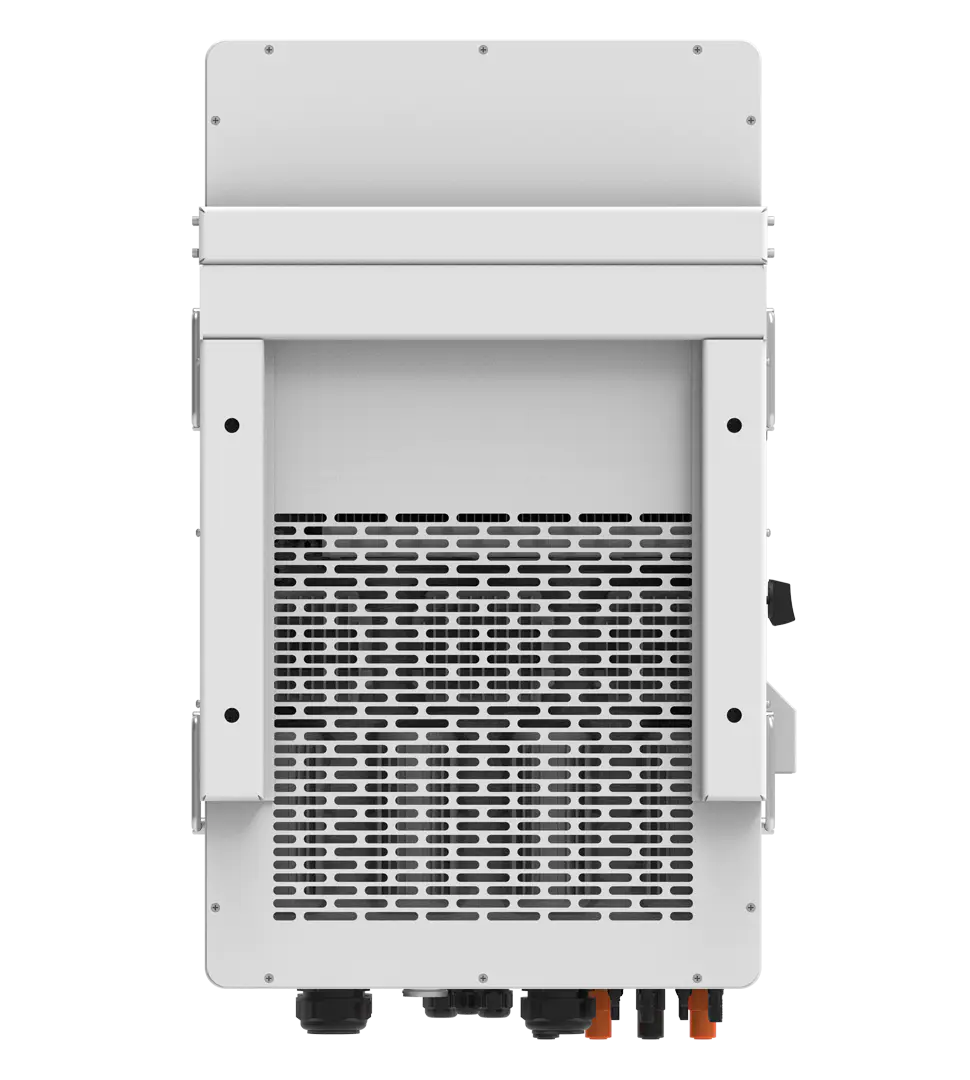
A battery inverter is a critical component in modern energy systems that converts direct current (DC) electricity stored in batteries into alternating current (AC) electricity that powers your home appliances and feeds back into the electrical grid. This essential device bridges the gap between energy storage and practical electricity usage, making it possible to harness stored solar power or backup battery systems effectively. Understanding what a battery inverter is and how it functions is crucial for anyone considering energy storage solutions, solar installations, or backup power systems.
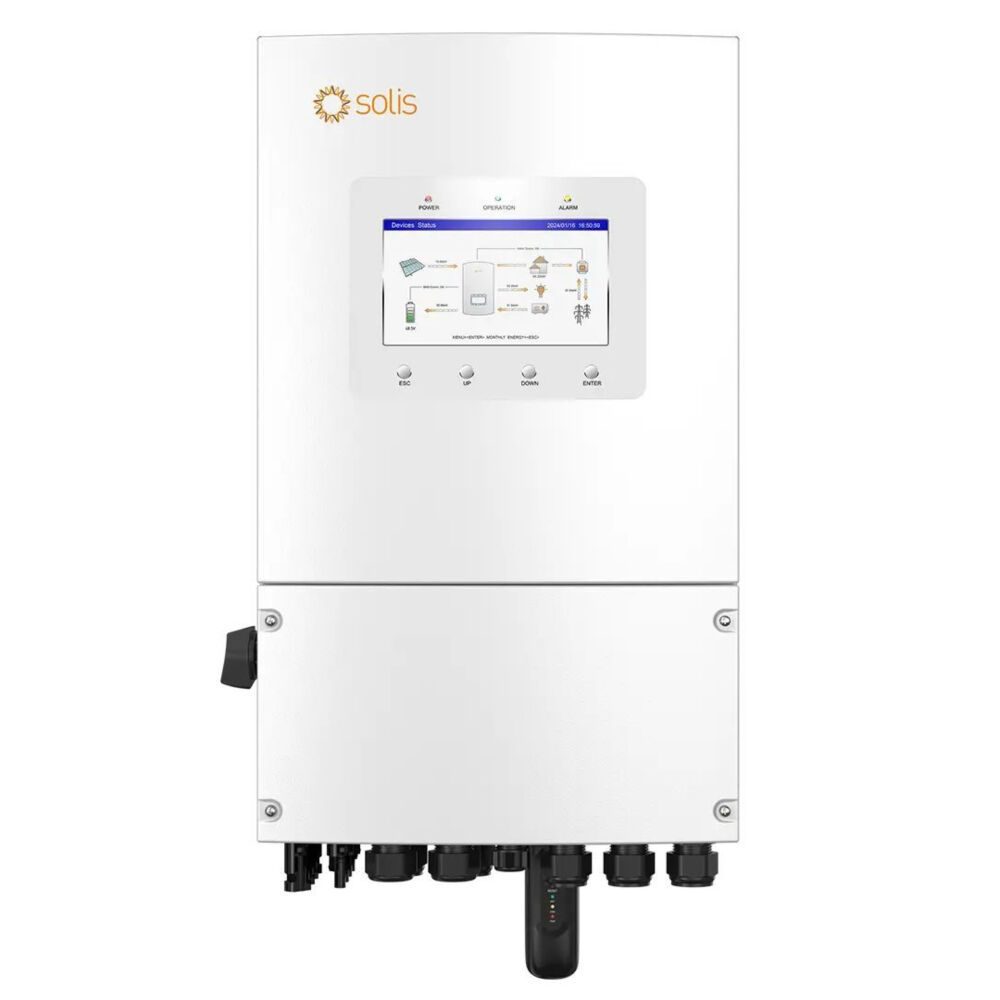
The functionality of a battery inverter extends far beyond simple power conversion. Modern battery inverters incorporate sophisticated control systems, safety mechanisms, and optimization features that ensure efficient energy management and protection for both the battery system and connected electrical loads. These devices play a pivotal role in renewable energy systems, emergency backup applications, and grid-tied energy storage installations, making them indispensable components in today's evolving electrical infrastructure.
Understanding Battery Inverter Fundamentals
Core Definition and Purpose
A battery inverter serves as the electronic interface between DC battery storage and AC electrical systems. At its most basic level, this device takes the direct current electricity stored in battery banks and transforms it into alternating current electricity that matches the voltage, frequency, and waveform characteristics required by standard electrical appliances and grid connections. The battery inverter accomplishes this transformation through sophisticated power electronics that switch DC voltage rapidly to create an AC waveform output.
The primary purpose of a battery inverter extends beyond mere power conversion to include energy management, system protection, and optimization functions. Modern battery inverters monitor battery state of charge, regulate charging and discharging cycles, and provide real-time system diagnostics. This comprehensive functionality makes the battery inverter a central control hub for energy storage systems rather than simply a power conversion device.
In residential and commercial applications, a battery inverter enables the practical use of stored electrical energy by converting it to a form compatible with existing electrical infrastructure. Without this conversion capability, the DC electricity stored in batteries would be unusable for powering standard appliances, lighting systems, and electronic devices that require AC power to operate effectively.
Types and Classifications
Battery inverters are classified into several distinct categories based on their operational characteristics and application requirements. Pure sine wave battery inverters produce clean AC output that closely matches utility-grade electricity, making them suitable for sensitive electronic equipment and precision appliances. Modified sine wave battery inverters generate a stepped approximation of sine wave output, offering acceptable performance for basic electrical loads at a lower cost point.
Grid-tied battery inverters are designed to synchronize with utility power systems, enabling seamless integration between battery storage and grid electricity. These sophisticated devices can automatically switch between battery power and grid power while maintaining continuous electrical supply to connected loads. Off-grid battery inverters operate independently of utility connections, providing complete electrical system management for remote installations and standalone power systems.
Hybrid battery inverters combine multiple functions within a single device, incorporating solar charge controllers, battery management systems, and grid-tie capabilities. These integrated units simplify system design and reduce installation complexity while providing comprehensive energy management functionality for complex renewable energy installations.
Technical Operation and Working Principles
Power Conversion Process
The fundamental operation of a battery inverter relies on rapid switching of DC voltage to create an AC waveform output. This process begins with the battery inverter drawing direct current electricity from connected battery banks at the system's nominal DC voltage level. Internal power electronics, typically consisting of insulated gate bipolar transistors (IGBTs) or metal-oxide-semiconductor field-effect transistors (MOSFETs), switch this DC voltage on and off at high frequencies to generate the desired AC output characteristics.
The switching process creates a stepped voltage waveform that approximates the smooth sinusoidal curve of standard AC electricity. Advanced battery inverter designs employ pulse width modulation (PWM) techniques to control the width and timing of voltage pulses, creating high-quality sine wave output with minimal harmonic distortion. Output filtering circuits smooth the stepped waveform to produce clean AC electricity suitable for sensitive electronic equipment.
The battery inverter continuously monitors output voltage and frequency to maintain stable electrical characteristics regardless of varying load conditions or battery voltage fluctuations. This regulation ensures consistent power quality while protecting connected equipment from voltage irregularities that could cause damage or operational problems.
Control Systems and Monitoring
Modern battery inverters incorporate sophisticated microprocessor-based control systems that manage multiple operational parameters simultaneously. These control systems monitor battery voltage, current flow, temperature, and state of charge to optimize performance and protect system components. Real-time feedback loops adjust inverter operation to maintain optimal efficiency while preventing overcharge, over-discharge, and thermal damage to battery systems.
The control system within a battery inverter also manages power flow direction, automatically switching between battery charging and discharging modes based on system requirements and programmed operating parameters. This intelligent management capability enables automatic operation without constant user intervention while maximizing battery life and system efficiency through optimized charge and discharge cycles.
Advanced battery inverters include communication interfaces that enable remote monitoring and control through smartphone applications, web interfaces, or building management systems. These connectivity features provide real-time system status information, historical performance data, and diagnostic capabilities that simplify system maintenance and troubleshooting procedures.
System Integration and Applications
Grid-Connected Applications
In grid-connected installations, a battery inverter serves as the critical interface between energy storage systems and utility electrical infrastructure. These applications require the battery inverter to synchronize precisely with grid voltage and frequency characteristics while providing seamless transitions between different operating modes. During normal grid operation, the battery inverter can charge batteries using excess solar production or off-peak utility electricity while simultaneously providing power to local electrical loads.
Grid-tied battery inverters enable advanced energy management strategies such as peak shaving, load shifting, and demand response participation. By storing electricity during low-cost periods and discharging during high-cost periods, these systems reduce electricity costs while providing grid stabilization services. The battery inverter automatically manages these complex operational modes based on programmed parameters and real-time grid conditions.
Safety features within grid-connected battery inverters include anti-islanding protection that immediately disconnects the system from the grid during utility outages. This critical safety function protects utility workers and enables proper system operation during emergency conditions while maintaining power to designated critical loads through battery backup operation.
Off-Grid and Backup Power Systems
Off-grid applications rely entirely on the battery inverter to provide stable AC electricity from stored DC power without any utility grid connection. In these installations, the battery inverter must handle all electrical loads while maintaining proper voltage and frequency regulation across varying load conditions. The device manages battery charging from renewable sources such as solar panels or wind generators while simultaneously providing power to connected electrical equipment.
Backup power applications use battery inverters to provide emergency electricity during utility outages while maintaining critical electrical systems in residential, commercial, and industrial facilities. These systems typically remain in standby mode during normal grid operation but automatically activate when utility power fails. The battery inverter provides uninterrupted power to designated critical loads such as security systems, communication equipment, and essential lighting circuits.
Remote installations such as telecommunications sites, monitoring stations, and off-grid residences depend on battery inverters to convert stored solar or generator-charged battery power into usable AC electricity. These applications require robust battery inverters capable of continuous operation in challenging environmental conditions while maintaining reliable power delivery to critical equipment and systems.
Performance Characteristics and Specifications
Efficiency and Power Quality
The efficiency rating of a battery inverter represents the percentage of DC input power that successfully converts to usable AC output power, with typical values ranging from 90% to 98% depending on the technology and design quality. Higher efficiency ratings translate directly to reduced energy losses, extended battery runtime, and lower operational costs over the system's lifetime. Peak efficiency typically occurs at moderate load levels, with efficiency decreasing at very light or very heavy loads.
Power quality characteristics of a battery inverter include total harmonic distortion (THD), voltage regulation, and frequency stability parameters that determine compatibility with sensitive electronic equipment. Premium battery inverters achieve THD levels below 3%, ensuring clean power output that meets or exceeds utility grid quality standards. Voltage regulation capabilities maintain output voltage within ±5% of nominal values across the full load range, providing stable power for precision equipment and motor drives.
Response time specifications indicate how quickly a battery inverter can react to sudden load changes or switching events. Fast response times, typically measured in milliseconds, ensure uninterrupted power delivery during automatic transfers between different power sources. This rapid response capability is essential for backup power applications where any interruption could disrupt critical operations or damage sensitive equipment.
Capacity and Sizing Considerations
Battery inverter capacity ratings specify the maximum continuous AC power output the device can deliver while maintaining proper operation within design parameters. These ratings typically range from small residential units producing 1-3 kilowatts to large commercial systems capable of hundreds of kilowatts output. Proper sizing requires careful analysis of electrical load requirements, including both continuous loads and peak demand periods that may exceed normal operating levels.
Surge capacity specifications indicate the battery inverter's ability to handle brief periods of power demand that exceed the continuous rating. Many electrical devices require significantly more power during startup than during normal operation, making surge capacity a critical consideration for applications involving motor-driven equipment, large transformers, or other high-inrush loads. Quality battery inverters typically provide surge capacity ratings of 150% to 200% of continuous power for several seconds.
DC input voltage ranges define the battery system voltages compatible with specific battery inverter models. Common voltage ranges include 12V, 24V, 48V systems for smaller applications and higher voltage systems for larger installations. The selected battery inverter must match the designed battery system voltage while providing adequate current handling capability for the intended application requirements.
Installation and Safety Requirements
Installation Guidelines and Best Practices
Proper installation of a battery inverter requires careful attention to environmental conditions, ventilation requirements, and electrical safety protocols. The installation location must provide adequate ventilation to dissipate heat generated during normal operation while protecting the device from moisture, dust, and extreme temperatures that could affect performance or reliability. Ambient temperature ratings typically specify maximum operating temperatures between 40°C and 60°C, with derating required at higher temperatures.
Electrical connections to a battery inverter must comply with local electrical codes and safety standards while ensuring proper wire sizing for the expected current levels. DC input connections require appropriate fusing or circuit protection to prevent damage from short circuits or overcurrent conditions. AC output connections must include proper grounding and may require ground fault protection depending on the application and local code requirements.
Mounting considerations for battery inverters include proper clearances for ventilation, service access, and heat dissipation while ensuring secure mechanical attachment that can withstand vibration and environmental stresses. Wall-mounted installations must provide adequate structural support for the device weight plus any external forces that might be encountered during operation or maintenance activities.
Safety Features and Protection Systems
Modern battery inverters incorporate multiple layers of safety protection to prevent damage to the device, connected equipment, and personnel. Overcurrent protection systems monitor input and output current levels continuously, automatically shutting down the battery inverter if dangerous current levels are detected. These protection systems respond within milliseconds to prevent component damage or fire hazards that could result from electrical faults.
Thermal protection features monitor internal component temperatures and reduce power output or shut down the battery inverter when safe operating temperatures are exceeded. These systems typically include temperature sensors on critical components such as power transistors and transformers, providing early warning of potential overheating conditions before damage occurs. Automatic restart capabilities restore normal operation once temperatures return to safe levels.
Ground fault protection and arc fault detection capabilities provide additional safety features in advanced battery inverter designs. These systems monitor for potentially dangerous electrical conditions that could create shock hazards or fire risks, automatically disconnecting power when such conditions are detected. These safety features are particularly important in residential applications where personnel safety is a primary concern.
FAQ
What is the main difference between a battery inverter and a regular solar inverter?
A battery inverter is specifically designed to convert DC power from batteries to AC power and often includes battery management features, while a regular solar inverter converts DC power directly from solar panels to AC power. Battery inverters typically include charging capabilities and can operate independently of solar input, whereas standard solar inverters require solar panel input to function and cannot store energy for later use.
How long do battery inverters typically last?
Quality battery inverters typically have operational lifespans of 10 to 15 years under normal operating conditions, though this can vary based on usage patterns, environmental conditions, and maintenance practices. The lifespan is generally determined by electronic components such as capacitors and switching devices rather than mechanical wear, and proper installation with adequate ventilation significantly extends operational life.
Can a battery inverter work without batteries connected?
Most battery inverters require batteries to be connected for proper operation, as the batteries provide the DC power source and voltage stabilization needed for the conversion process. Some hybrid battery inverters can operate in a pass-through mode using grid or solar power without batteries, but pure battery inverters typically cannot function without a connected battery bank to provide the necessary DC input power.
What size battery inverter do I need for my home?
The required battery inverter size depends on your home's electrical load requirements, including both continuous power needs and peak demand periods. Calculate the total wattage of appliances you want to power simultaneously, add 20-25% for safety margin, and consider surge requirements for motor-driven equipment. A typical home backup system might require 5-10 kW capacity, while whole-house systems may need 15-20 kW or more depending on the home size and electrical requirements.