 EN
EN
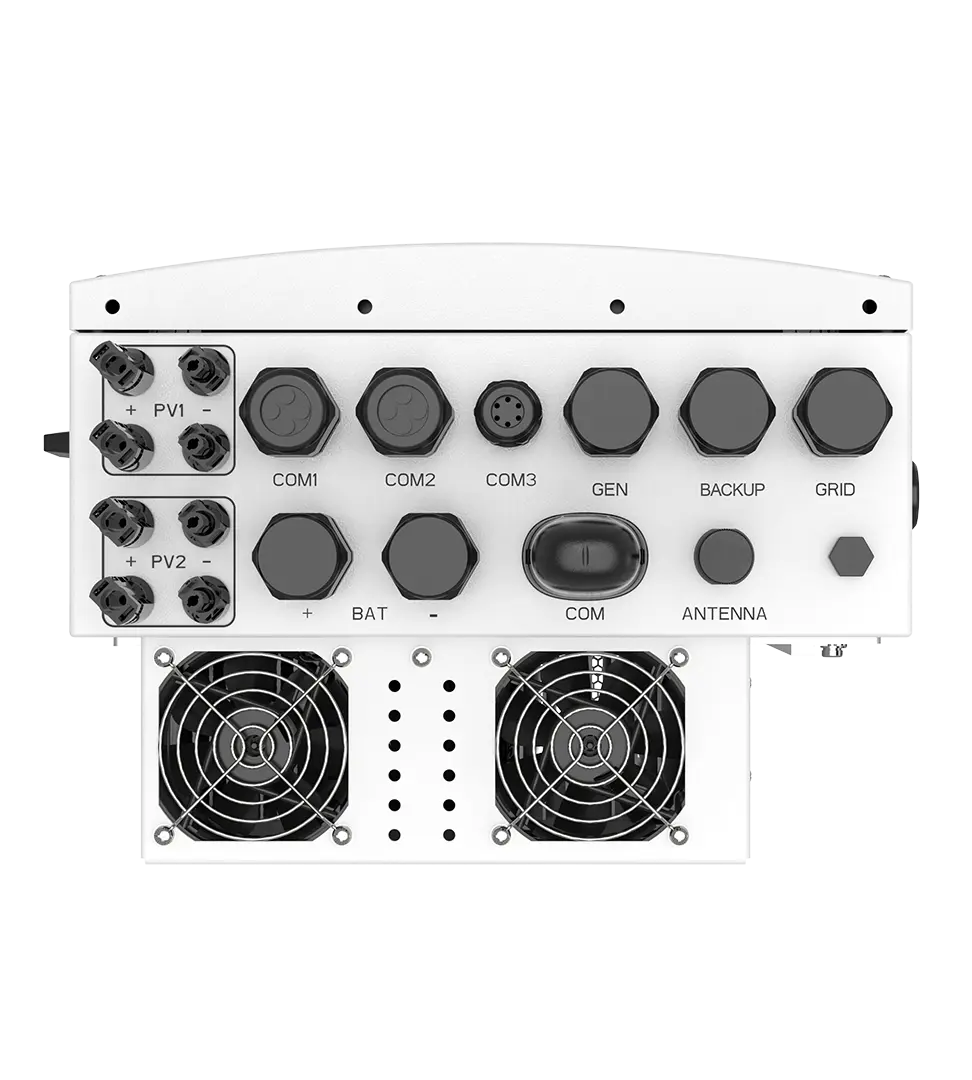
A 5000 watt inverter represents a significant power solution for residential and commercial applications, offering substantial capacity to run multiple appliances simultaneously. Understanding which specific appliances can operate on this power level is crucial for making informed decisions about backup power systems, off-grid installations, and emergency preparedness. This comprehensive guide examines the appliance compatibility and practical applications of a 5000 watt inverter to help you determine if this power capacity meets your electrical needs.
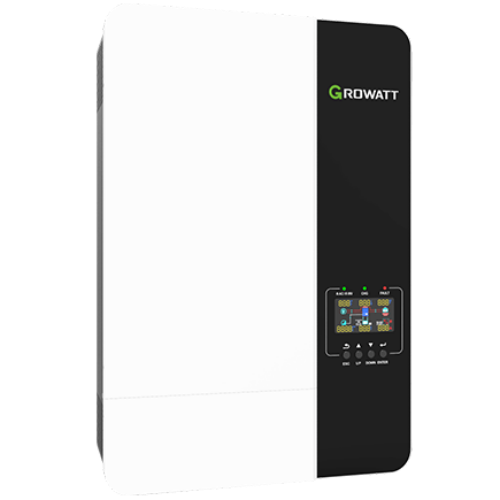
The capability range of a 5000 watt inverter extends far beyond basic electronics, encompassing major household appliances, power tools, and even some industrial equipment. With proper load management and understanding of startup versus running watts, this inverter capacity can support everything from refrigerators and washing machines to air conditioning units and workshop equipment. The key lies in understanding both the continuous power requirements and surge power demands of different appliances to maximize the utility of your 5000 watt inverter system.
Essential Household Appliances Compatible with 5000 Watt Inverters
Kitchen Appliances and Food Preparation Equipment
A 5000 watt inverter can effectively power most standard kitchen appliances, making it an excellent choice for maintaining food preparation capabilities during power outages. Refrigerators typically consume between 100-800 watts during operation, with startup surges reaching 1200-2000 watts, well within the capacity of a quality 5000 watt inverter. Similarly, freezers operate efficiently on this power level, consuming 300-700 watts continuously with comparable surge requirements.
Microwave ovens present an ideal match for 5000 watt inverter systems, as most residential models consume 800-1500 watts during operation. Electric coffee makers, toasters, and blenders all fall comfortably within the power envelope, typically requiring 800-1200 watts each. Even small electric ovens and countertop convection units, which may draw 1500-2500 watts, can operate effectively on a 5000 watt inverter when used as the primary load.
Laundry and Cleaning Equipment
Washing machines represent one of the most practical applications for a 5000 watt inverter, as these appliances typically consume 400-1300 watts during operation, with motor startup requiring brief surges of 1500-2500 watts. The inverter's surge capacity easily accommodates these demands, allowing normal laundry operations during power interruptions or off-grid living situations.
Electric dryers, while more power-hungry at 2000-4000 watts, can still operate on a 5000 watt inverter depending on the specific model and heat settings. Vacuum cleaners, dishwashers, and other cleaning equipment typically fall well within the operational range, consuming 800-1500 watts during normal use cycles.
Climate Control and HVAC Applications
Air Conditioning and Cooling Systems
Small to medium-sized air conditioning units can operate effectively on a 5000 watt inverter system, particularly window units and portable models that consume 1000-3500 watts during operation. The critical consideration involves startup surge requirements, as air conditioning compressors can draw 3-7 times their running wattage for brief periods during initial startup.
Ceiling fans, portable fans, and evaporative coolers present excellent compatibility with 5000 watt inverter systems, consuming minimal power while providing effective cooling solutions. Multiple fans can operate simultaneously, with typical consumption ranging from 50-200 watts per unit, allowing comprehensive air circulation throughout living or work spaces.
Heating Systems and Winter Applications
Space heaters designed for residential use typically consume 1000-2000 watts, making them suitable for 5000 watt inverter applications. Electric fireplaces and baseboard heaters can also operate effectively, though careful load management becomes essential when combining heating appliances with other electrical loads.
Heat pumps in smaller configurations may operate on 5000 watt inverter systems, though the specific model, efficiency rating, and outdoor temperature conditions significantly impact power requirements. Supplemental heating elements and backup heating systems generally fall within the operational capacity of this inverter size.
Electronics and Technology Equipment
Entertainment and Communication Systems
Television systems, including large flat-screen TVs, gaming consoles, and home theater equipment, operate seamlessly on 5000 watt inverter power. Modern LED and OLED televisions consume 100-400 watts depending on size and technology, while gaming systems typically require 150-200 watts during active use. Sound systems, stereo equipment, and home theater amplifiers can also function effectively within this power envelope.
Computer systems, including desktop computers, monitors, printers, and networking equipment, represent ideal applications for 5000 watt inverter systems. Multiple workstations can operate simultaneously, with typical desktop computers consuming 200-500 watts and monitors adding another 50-150 watts each. This capacity supports home offices, small business operations, and remote work requirements during power outages.
Lighting and Electrical Infrastructure
Comprehensive lighting systems for entire homes or facilities can operate effectively on a 5000 watt inverter. LED lighting systems provide maximum efficiency, allowing hundreds of lights to operate simultaneously while consuming minimal power. Traditional incandescent and fluorescent lighting also falls within the capacity range, though with reduced efficiency and shorter operational periods.
Electrical infrastructure components such as well pumps, garage door openers, and security systems can integrate with 5000 watt inverter installations. Sump pumps, pool pumps, and other water management systems may also operate depending on motor size and specific power requirements. These applications often require careful system design to accommodate both continuous loads and periodic high-demand cycles.
Workshop and Industrial Applications
Power Tools and Construction Equipment
Professional workshops benefit significantly from 5000 watt inverter systems, as this capacity supports most standard power tools and equipment. Circular saws, table saws, and miter saws typically consume 1200-2000 watts during operation, falling comfortably within the inverter's continuous output rating. Drill presses, band saws, and grinders also operate effectively on this power level.
Welding equipment presents specific considerations for 5000 watt inverter applications, as smaller stick welders and TIG units may operate within this capacity range. Air compressors, depending on motor size and tank capacity, can also function on 5000 watt inverter systems, though careful attention to startup surge requirements becomes essential for reliable operation.
Specialized Equipment and Commercial Applications
Small commercial equipment such as cash registers, point-of-sale systems, and basic office equipment can operate efficiently on 5000 watt inverter power. Medical equipment, including CPAP machines, oxygen concentrators, and other life-support devices, also falls within the operational capacity, making these inverters valuable for healthcare applications and emergency preparedness.
Agricultural applications benefit from 5000 watt inverter systems through support of equipment such as milking machines, egg incubators, and livestock watering systems. Greenhouse operations can maintain lighting, ventilation, and irrigation systems using this power level, providing critical support for agricultural production during power interruptions.
FAQ
How many appliances can I run simultaneously on a 5000 watt inverter?
The number of appliances depends on their individual power consumption. You could typically run a refrigerator (600W), microwave (1200W), TV (200W), several LED lights (300W), and a computer (400W) simultaneously, totaling about 2700 watts and leaving substantial capacity for additional loads. The key is ensuring your total continuous load remains below 5000 watts while accounting for startup surges.
Can a 5000 watt inverter power my entire house?
A 5000 watt inverter can power essential circuits in most homes but typically cannot handle the full electrical load of a complete house simultaneously. It works well for critical loads like refrigeration, lighting, electronics, and selected appliances. For whole-house backup power, you would need careful load management or consideration of higher capacity systems depending on your total electrical requirements.
What appliances should I avoid using with a 5000 watt inverter?
Avoid large electric water heaters, electric ranges, central air conditioning systems over 3 tons, and large electric dryers that exceed 4000 watts. High-power workshop equipment like large table saws, welders over 180 amps, and industrial machinery may also exceed capacity. Always check specific appliance nameplate ratings and startup surge requirements before connection.
How long will a 5000 watt inverter run my appliances?
Runtime depends on your battery capacity and actual power consumption. With a typical 400Ah 12V battery bank (4800Wh capacity), you could run 1000 watts of appliances for approximately 4-5 hours, or 2000 watts for 2-2.5 hours, accounting for inverter efficiency and recommended battery discharge limits. Larger battery banks provide proportionally longer operating times.