 EN
EN

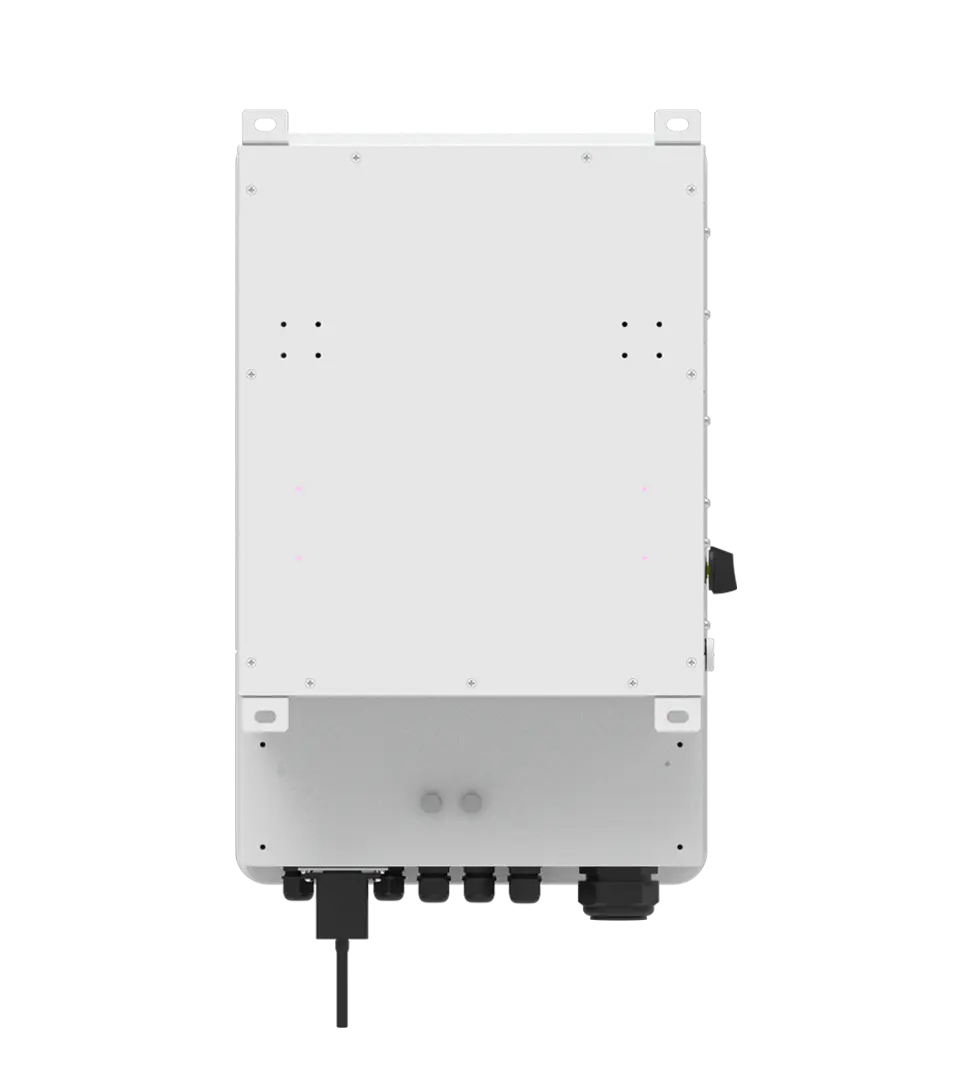
Determining the optimal timing for upgrading to a hybrid inverter system requires careful evaluation of your current energy infrastructure, evolving power requirements, and long-term sustainability goals. A hybrid inverter represents a significant advancement over traditional grid-tie or off-grid inverters, combining solar energy conversion with battery storage management in a single integrated unit. The decision to upgrade involves multiple technical and economic factors that vary significantly based on your specific operational context and energy consumption patterns.
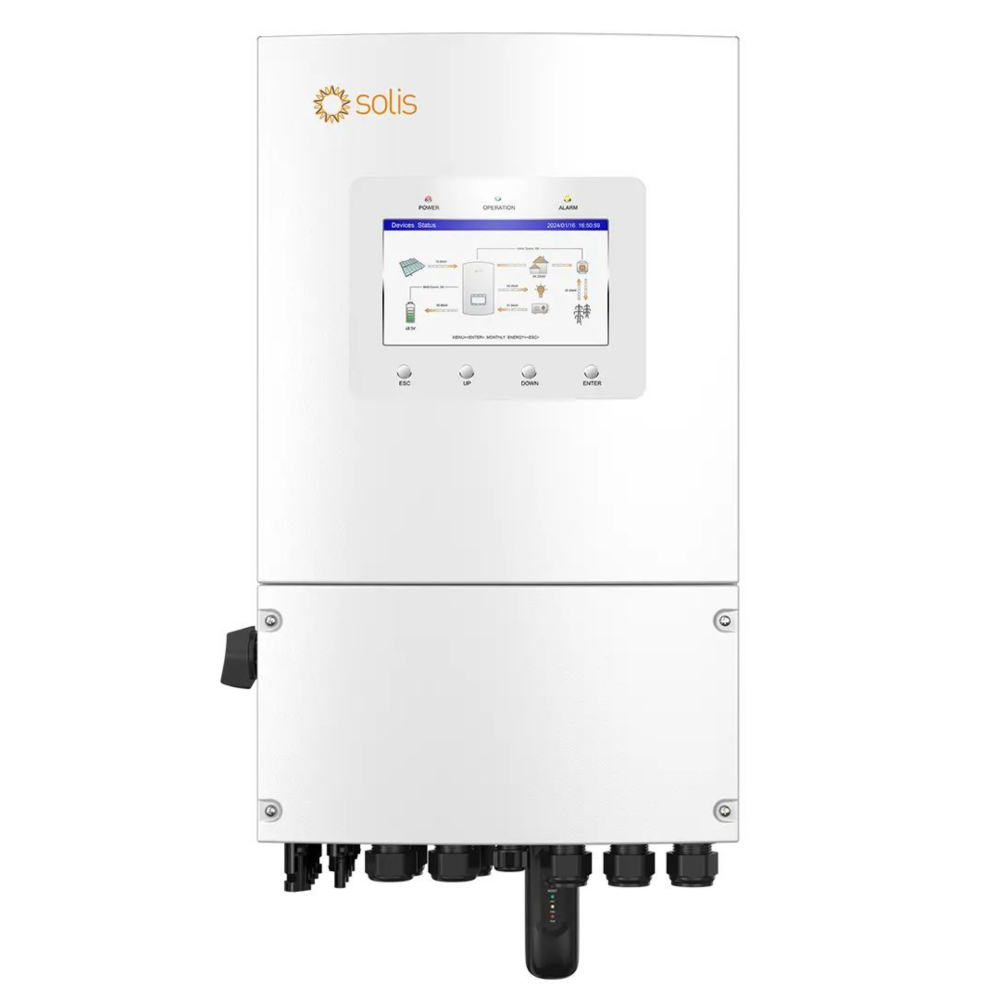
The transition to a hybrid inverter system becomes particularly relevant when your existing solar installation reaches certain operational milestones or when your energy independence objectives shift toward greater resilience and storage capabilities. Understanding the precise timing indicators helps ensure that your investment delivers maximum return while addressing current limitations in your energy management strategy. Several key scenarios and system conditions signal the appropriate moment for making this technological upgrade.
Current System Limitations Indicating Upgrade Readiness
Grid Dependency and Power Outage Vulnerability
Traditional grid-tie inverters cease operation during power outages, leaving solar-equipped properties without electricity despite having functional panels. This limitation becomes increasingly problematic as grid instability grows in many regions. A hybrid inverter addresses this vulnerability by maintaining power supply through integrated battery storage, ensuring continuous operation during grid failures. The upgrade becomes essential when your operations cannot tolerate power interruptions or when local grid reliability deteriorates significantly.
Properties experiencing frequent power outages or those in areas with aging electrical infrastructure should prioritize hybrid inverter upgrades. The system's ability to seamlessly switch between grid, solar, and battery power sources provides uninterrupted electricity supply. This capability proves particularly valuable for commercial operations, medical facilities, or residential properties where power continuity directly impacts productivity, safety, or comfort levels.
Energy Storage Requirements and Time-of-Use Optimization
The absence of energy storage in conventional solar setups limits your ability to utilize generated power during peak demand periods or evening hours. A hybrid inverter enables strategic energy storage during low-cost or high-production periods, then releases stored power when grid electricity rates peak or solar generation ceases. This optimization becomes financially compelling when your utility implements time-of-use billing structures with significant rate differentials.
Commercial facilities with high evening energy consumption or residential properties under time-of-use rate structures benefit substantially from hybrid inverter capabilities. The system intelligently manages energy flows based on programmed schedules, utility rates, and consumption patterns. This automated optimization reduces electricity costs while maximizing solar energy utilization throughout daily operation cycles.
Technical Performance Factors Driving Upgrade Timing
Inverter Age and Efficiency Degradation
Solar inverters typically maintain optimal performance for 10-15 years before efficiency begins declining noticeably. Older string inverters may exhibit reduced conversion efficiency, increased failure rates, or compatibility issues with modern monitoring systems. The hybrid inverter upgrade opportunity often coincides with natural replacement cycles, allowing you to address aging equipment while simultaneously adding storage capabilities and enhanced functionality.
Performance monitoring data revealing declining conversion efficiency, increased fault occurrences, or reduced power output indicates optimal upgrade timing. Modern hybrid inverter systems offer significantly higher efficiency ratings, advanced diagnostic capabilities, and extended warranty periods compared to older equipment. The technological advancement gap between legacy systems and current hybrid inverter offerings often justifies proactive replacement before complete failure occurs.
System Expansion and Capacity Requirements
Growing energy demands or planned facility expansions may exceed current inverter capacity limitations. Traditional inverters require complex reconfiguration or complete replacement to accommodate additional solar panels or increased load requirements. A hybrid inverter system provides greater flexibility for future expansions while integrating seamlessly with existing solar arrays and new battery storage components.
The scalable architecture of modern hybrid inverter systems supports modular expansion without requiring complete system replacement. Properties planning significant energy consumption increases or additional solar capacity should consider hybrid inverter upgrades during the expansion planning phase. This approach ensures optimal system integration while avoiding multiple installation phases and associated labor costs.
Economic and Regulatory Timing Considerations
Financial Incentives and Policy Support
Government incentives, utility rebates, and tax credit programs significantly impact the financial viability of hybrid inverter upgrades. Federal investment tax credits, state-level incentives, and utility-specific programs often provide substantial cost offsets for energy storage installations. The timing of these programs varies by jurisdiction, creating windows of enhanced economic attractiveness for hybrid inverter investments.
Monitoring available incentive programs helps identify optimal upgrade timing from a financial perspective. Many utility companies offer demand response programs or battery storage incentives that further enhance the economic case for hybrid inverter systems. The combination of federal tax credits with local utility incentives can reduce net system costs by 30-50%, making upgrade timing coordination with program availability financially strategic.
Electricity Rate Structures and Market Conditions
Evolving utility rate structures increasingly favor energy storage capabilities through time-of-use pricing, demand charges, or net metering modifications. Properties subject to demand charges benefit immediately from hybrid inverter peak-shaving capabilities, while time-of-use rate structures create arbitrage opportunities through strategic battery cycling. The implementation of these rate structures signals advantageous timing for hybrid inverter upgrades.
Net metering policy changes in many jurisdictions reduce compensation for solar energy exported to the grid, making energy storage more valuable for maximizing solar investment returns. The hybrid inverter system enables greater solar self-consumption by storing excess production for later use rather than exporting at reduced compensation rates. Properties facing net metering modifications should prioritize hybrid inverter upgrades to maintain solar system economic performance.
Operational and Strategic Upgrade Indicators
Business Continuity and Energy Independence Goals
Organizations prioritizing energy independence or business continuity planning find hybrid inverter systems essential for achieving operational resilience. The ability to operate independently from grid supply during emergencies or planned maintenance outages supports critical business functions. This capability becomes particularly valuable for healthcare facilities, data centers, manufacturing operations, or any business where power interruptions create significant operational or financial impacts.
The hybrid inverter system provides graduated energy independence, allowing partial or complete grid disconnection based on operational requirements and energy availability. Properties with critical loads requiring uninterrupted power supply should implement hybrid inverter upgrades as part of comprehensive emergency preparedness strategies. The system's automatic operation ensures seamless power transitions without requiring manual intervention during grid disturbances.
Environmental and Sustainability Objectives
Corporate sustainability initiatives or environmental certification programs often require demonstration of renewable energy utilization and carbon footprint reduction. A hybrid inverter system maximizes renewable energy consumption by storing excess solar production rather than exporting to a potentially fossil-fuel-dependent grid. This increased self-consumption directly contributes to measurable carbon footprint reductions and sustainability reporting metrics.
Properties pursuing LEED certification, carbon neutrality goals, or other sustainability standards benefit from the enhanced renewable energy utilization enabled by hybrid inverter systems. The detailed monitoring and reporting capabilities of modern hybrid inverter platforms provide documented evidence of renewable energy consumption for certification and reporting requirements. Organizations with formal sustainability commitments should coordinate hybrid inverter upgrades with reporting cycles and certification processes.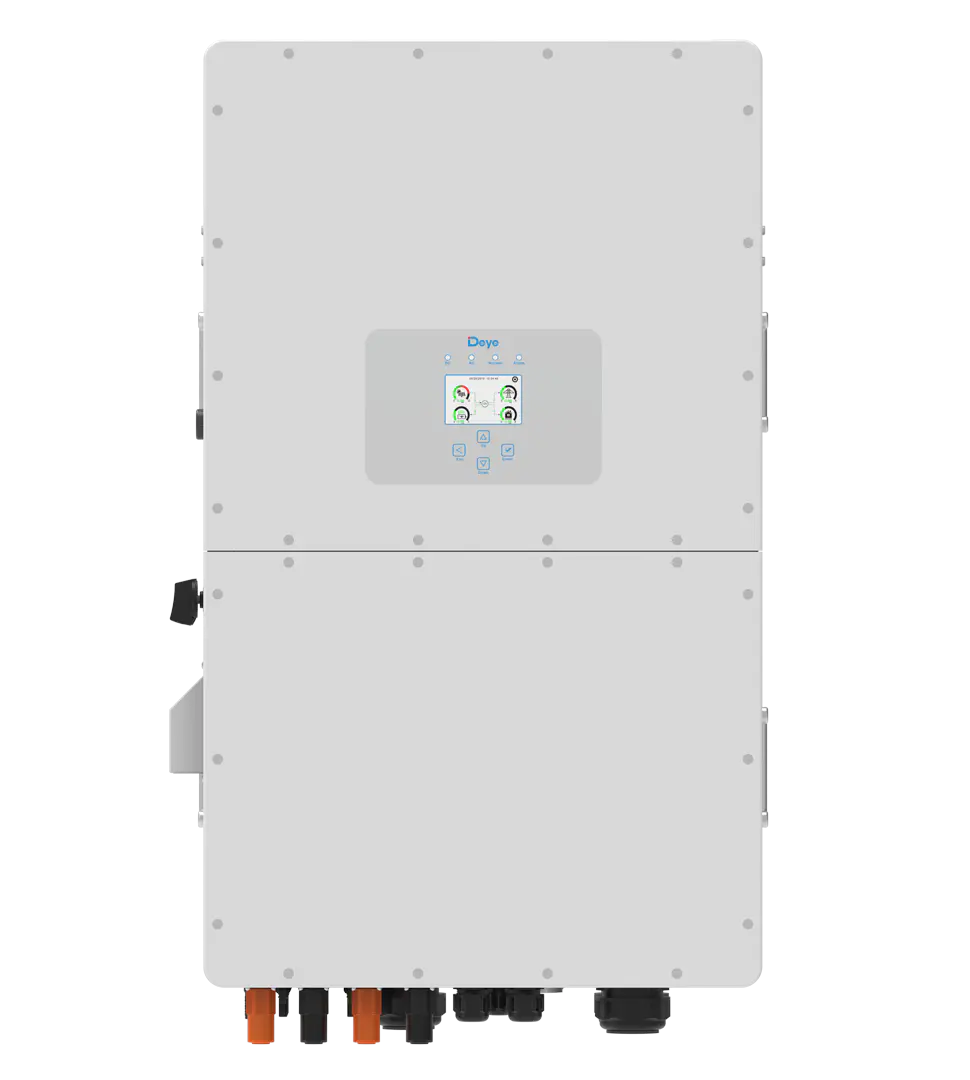
FAQ
How long does a typical hybrid inverter upgrade installation take?
Most hybrid inverter upgrade installations require 1-3 days depending on system complexity, existing infrastructure modifications needed, and battery storage integration requirements. Simple inverter replacements with minimal electrical modifications typically complete within 6-8 hours, while comprehensive upgrades involving new battery systems and electrical panel modifications may require 2-3 days. Professional installation teams coordinate utility disconnection requirements and ensure minimal disruption to daily operations during the upgrade process.
Can existing solar panels work with new hybrid inverter systems?
Most existing solar panel installations remain compatible with modern hybrid inverter systems, though electrical modifications may be necessary to optimize system performance. The hybrid inverter must match or exceed the existing array voltage and current specifications while providing appropriate maximum power point tracking capabilities. Professional system assessments determine compatibility requirements and identify any necessary electrical upgrades to ensure optimal integration between existing panels and new hybrid inverter equipment.
What maintenance requirements do hybrid inverter systems have compared to traditional inverters?
Hybrid inverter systems require similar maintenance to traditional inverters for the power conversion components, with additional attention needed for integrated battery management systems. Regular maintenance includes visual inspections, electrical connection checks, firmware updates, and battery performance monitoring. Most hybrid inverter systems provide advanced diagnostic capabilities and remote monitoring features that simplify maintenance scheduling and performance optimization compared to older inverter technologies.
How do hybrid inverter systems affect property insurance and electrical permits?
Hybrid inverter installations typically require electrical permits and inspections similar to other major electrical system modifications, with additional requirements for battery storage components in some jurisdictions. Property insurance providers may offer premium reductions for renewable energy systems with backup power capabilities, though some insurers require notification of energy storage installations. Professional installers coordinate permit applications and ensure compliance with local electrical codes and insurance requirements throughout the upgrade process.
Table of Contents
- Current System Limitations Indicating Upgrade Readiness
- Technical Performance Factors Driving Upgrade Timing
- Economic and Regulatory Timing Considerations
- Operational and Strategic Upgrade Indicators
-
FAQ
- How long does a typical hybrid inverter upgrade installation take?
- Can existing solar panels work with new hybrid inverter systems?
- What maintenance requirements do hybrid inverter systems have compared to traditional inverters?
- How do hybrid inverter systems affect property insurance and electrical permits?