 EN
EN

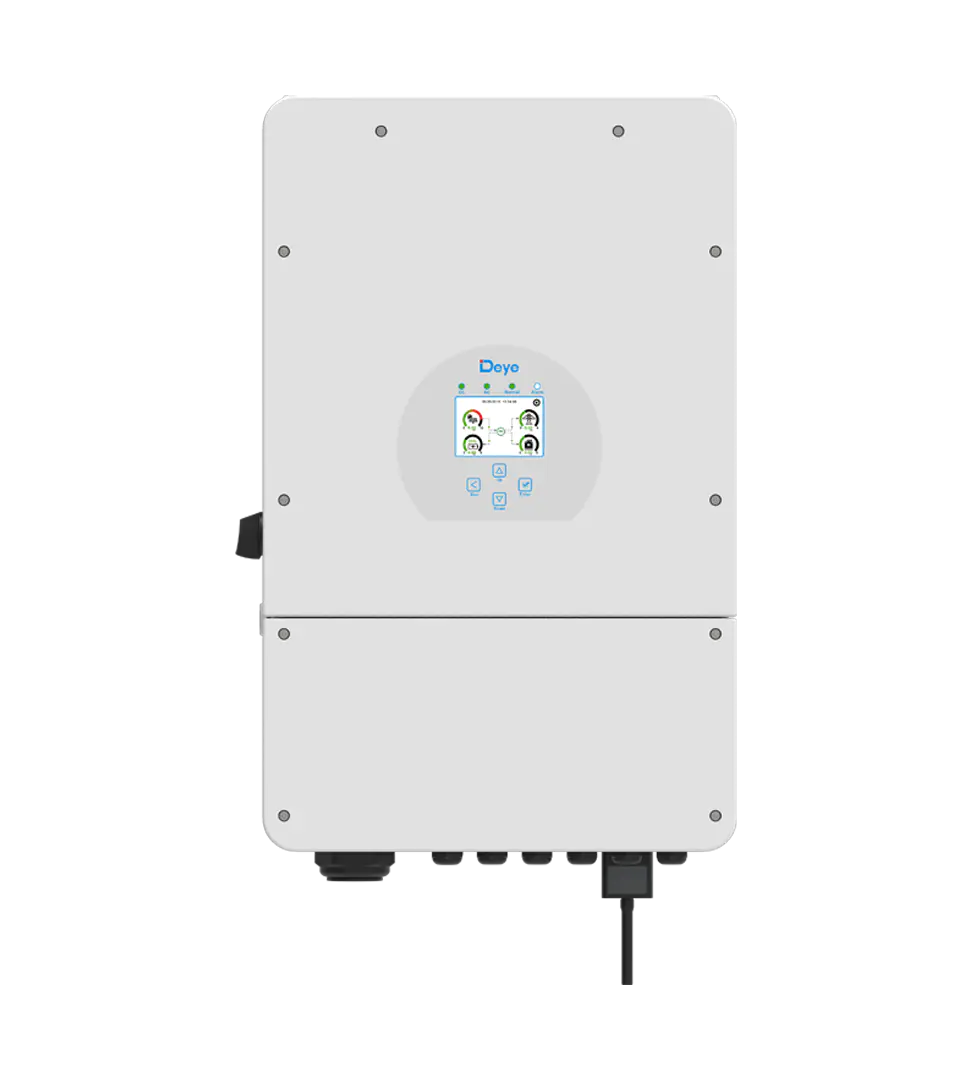
Homeowners in 2026 are increasingly turning to hybrid inverter technology as energy costs continue to rise and grid reliability becomes a growing concern. The combination of solar power generation and battery storage capabilities in a single system offers compelling advantages that traditional grid-tied inverters simply cannot match. This shift represents more than just a technological upgrade—it reflects a fundamental change in how homeowners approach energy independence and long-term financial planning.
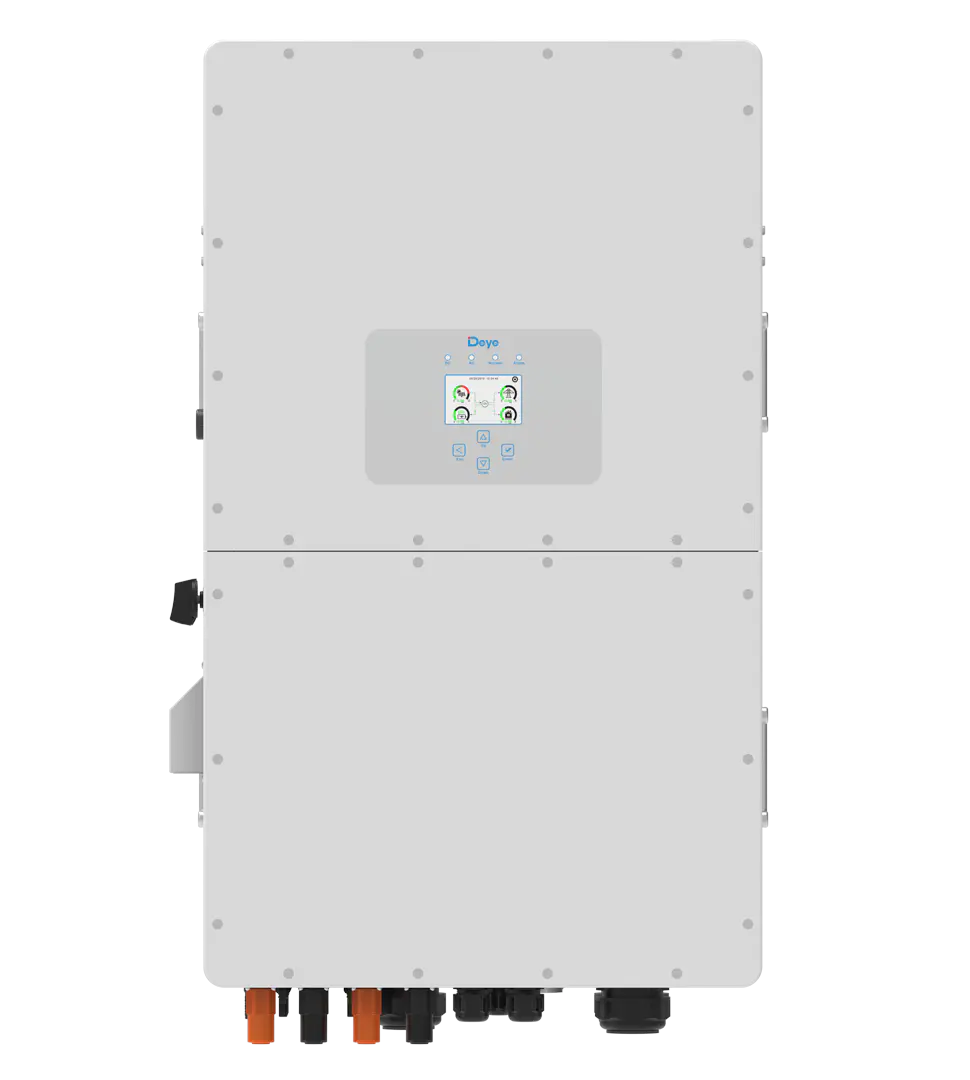
The decision to choose a hybrid inverter in 2026 is driven by multiple converging factors that create a perfect storm of opportunity for forward-thinking homeowners. From enhanced energy security during power outages to maximizing return on investment through time-of-use arbitrage, the hybrid inverter has emerged as the cornerstone of modern residential energy systems. Understanding these motivations reveals why this technology has moved from a niche solution to mainstream adoption across diverse housing markets.
Economic Drivers Behind Hybrid Inverter Adoption
Rising Electricity Costs and Time-of-Use Rates
The primary economic driver pushing homeowners toward hybrid inverter systems in 2026 is the dramatic increase in electricity rates coupled with the widespread adoption of time-of-use billing structures. Utility companies have implemented peak pricing that can cost three to four times more during high-demand periods, typically in the evening when solar panels are not producing power. A hybrid inverter addresses this challenge by storing excess solar energy during the day and releasing it during expensive peak hours, effectively allowing homeowners to avoid the highest electricity rates.
This energy arbitrage capability transforms the hybrid inverter from a simple power conversion device into an active financial instrument. Homeowners report saving 40-60% on their electricity bills by strategically timing their energy storage and consumption patterns. The hybrid inverter automatically manages these complex charging and discharging cycles, optimizing for maximum economic benefit without requiring constant homeowner intervention or monitoring.
Additionally, many regions have introduced demand charges that penalize homeowners for high instantaneous power consumption. The hybrid inverter smooths out power draw from the grid by supplementing high-demand appliances with stored battery power, effectively reducing or eliminating these punitive fees that can add hundreds of dollars to annual electricity costs.
Long-Term Investment Value and Property Enhancement
Real estate market analysis in 2026 consistently shows that properties equipped with hybrid inverter systems command premium valuations compared to standard grid-tied solar installations. The combination of energy independence and backup power capability appeals to buyers who increasingly view energy resilience as essential infrastructure rather than luxury amenity. Properties with hybrid inverter systems typically sell 8-12% faster and command 3-5% higher selling prices in competitive markets.
The investment thesis for hybrid inverter adoption extends beyond immediate utility savings to encompass long-term wealth preservation. As grid electricity rates continue their upward trajectory, homeowners with hybrid inverter systems become increasingly insulated from these cost increases. This protection against energy inflation represents a hedge that becomes more valuable over time, particularly for homeowners planning to remain in their properties for extended periods.
Tax incentives and rebate programs have also evolved to specifically favor hybrid inverter installations over traditional grid-tied systems. Federal tax credits now provide additional benefits for battery storage components, while many states offer separate incentives for energy resilience improvements. These financial incentives can reduce the effective cost of hybrid inverter systems by 30-50%, making the economic case even more compelling for homeowners considering the upgrade.
Energy Security and Grid Independence Motivations
Power Outage Protection and Business Continuity
The increasing frequency and duration of power outages due to extreme weather events, grid infrastructure failures, and cybersecurity threats has made backup power capability a critical consideration for homeowners in 2026. Unlike traditional grid-tied solar systems that shut down during outages for safety reasons, a hybrid inverter can seamlessly transition to island mode, providing continuous power to essential home circuits using stored battery energy and real-time solar generation.
This capability has become particularly valuable as remote work arrangements have made home offices mission-critical spaces that require reliable power for extended periods. The hybrid inverter can maintain internet connectivity, computer systems, lighting, and climate control for days during extended outages, ensuring that homeowners can continue working and maintaining their income streams regardless of grid conditions. This business continuity aspect adds significant value beyond simple convenience or comfort considerations.
Medical equipment dependency has also driven hybrid inverter adoption among households with family members requiring powered medical devices. The automatic switchover capability and extended runtime provided by battery storage can literally be life-saving during emergency situations where grid power is unavailable for extended periods. The reliability and seamless operation of modern hybrid inverter systems provide peace of mind that traditional backup generators cannot match due to their maintenance requirements and fuel dependency.
Grid Stability Concerns and Infrastructure Resilience
Growing concerns about grid infrastructure aging and vulnerability to both physical and cyber attacks have motivated homeowners to seek greater energy independence through hybrid inverter systems. The traditional electrical grid in many regions is operating beyond its designed capacity and lifecycle, leading to increased voltage fluctuations, brown-outs, and unexpected service interruptions that can damage sensitive electronic equipment and disrupt daily life.
The hybrid inverter acts as a buffer between the home and these grid instabilities, providing clean, regulated power that protects valuable electronics and appliances from voltage spikes, sags, and frequency variations. This power conditioning capability extends the lifespan of household equipment and reduces replacement costs for sensitive devices like computers, smart home systems, and modern appliances that are particularly vulnerable to power quality issues.
Furthermore, the distributed nature of hybrid inverter systems contributes to overall grid resilience by reducing peak demand and providing local energy resources that can support neighborhood stability during stress events. Homeowners recognize that their individual investment in hybrid inverter technology contributes to community-wide energy security while positioning their own households as energy-resilient anchors in an increasingly uncertain infrastructure environment.
Technological Advantages and Smart Home Integration
Advanced Energy Management and Optimization
The sophisticated energy management capabilities built into modern hybrid inverter systems represent a quantum leap forward from first-generation solar technology. These systems incorporate artificial intelligence and machine learning algorithms that analyze household energy consumption patterns, weather forecasts, and utility rate structures to automatically optimize energy storage and usage decisions throughout each day and season.
Smart home integration has become seamless with hybrid inverter systems that can communicate with home automation platforms, electric vehicle chargers, and individual smart appliances to coordinate energy usage for maximum efficiency and cost savings. The hybrid inverter can prioritize charging electric vehicles during periods of excess solar production, pre-cool homes during off-peak rate periods, and delay non-essential appliance operations until optimal energy pricing windows.
Predictive analytics capabilities allow the hybrid inverter to anticipate energy needs based on historical usage patterns, upcoming weather conditions, and calendar events entered into connected home management systems. This proactive approach ensures that battery storage is optimally charged before predicted high-usage periods or potential grid outages, maximizing both economic benefits and energy security outcomes without requiring homeowner micromanagement.
Scalability and Future-Proofing Capabilities
The modular design philosophy underlying contemporary hybrid inverter systems appeals to homeowners who want to start with basic functionality and expand capabilities over time as needs evolve or budgets allow. Initial installations can begin with minimal battery storage and expand to full home backup capability through the addition of battery modules without requiring inverter replacement or system redesign.
This scalability extends to solar panel capacity as well, allowing homeowners to begin with smaller arrays and add panels as energy consumption increases due to electric vehicle adoption, home additions, or changing lifestyle requirements. The hybrid inverter can accommodate these expansions while maintaining optimal system performance and efficiency across the entire range of possible configurations.
Future-proofing considerations include compatibility with emerging technologies like vehicle-to-home power systems, community energy sharing networks, and advanced grid services that can provide additional revenue streams for homeowners. The hybrid inverter serves as the intelligent gateway that enables participation in these evolving energy markets while maintaining backward compatibility with existing home electrical systems and utility interconnection requirements.
Environmental Consciousness and Sustainability Goals
Carbon Footprint Reduction and Climate Impact
Environmental stewardship has become a primary motivator for homeowners choosing hybrid inverter systems as they seek to minimize their carbon footprint and contribute to global climate change mitigation efforts. The ability to store and utilize clean solar energy around the clock rather than reverting to fossil fuel-powered grid electricity during evening hours significantly amplifies the environmental benefits of residential solar installations.
By maximizing self-consumption of solar-generated electricity through intelligent battery storage managed by the hybrid inverter, homeowners can achieve 80-90% renewable energy independence compared to 30-40% for traditional grid-tied systems. This dramatic improvement in clean energy utilization translates directly to reduced reliance on fossil fuel power plants and measurable decreases in household carbon emissions that homeowners can track and report through integrated monitoring systems.
The environmental impact extends beyond direct carbon reduction to include reduced strain on transmission infrastructure and decreased need for peaker power plants that typically rely on the most carbon-intensive generation sources. When thousands of homes in a region deploy hybrid inverter systems, the aggregate effect creates meaningful reductions in regional air pollution and greenhouse gas emissions that benefit entire communities.
Corporate Sustainability and Social Responsibility
Many homeowners in 2026 work for companies with aggressive sustainability commitments and carbon neutrality goals that extend to employee lifestyle choices and home energy consumption patterns. Remote work arrangements have blurred the lines between corporate and residential energy usage, making home-based clean energy systems directly relevant to employer sustainability reporting and individual professional advancement opportunities.
The comprehensive monitoring and reporting capabilities built into modern hybrid inverter systems provide detailed documentation of renewable energy generation, storage, and consumption that can support corporate sustainability initiatives and carbon offset programs. Employees can contribute quantified clean energy metrics to their employers' environmental impact reporting, potentially accessing additional incentives or recognition programs for demonstrated environmental leadership.
Community leadership and social responsibility aspects also drive hybrid inverter adoption as homeowners seek to demonstrate environmental commitment to neighbors and local organizations. Visible solar installations combined with battery backup capability during outages position homeowners as community resilience resources and environmental advocates who inspire broader adoption of clean energy technologies throughout their neighborhoods.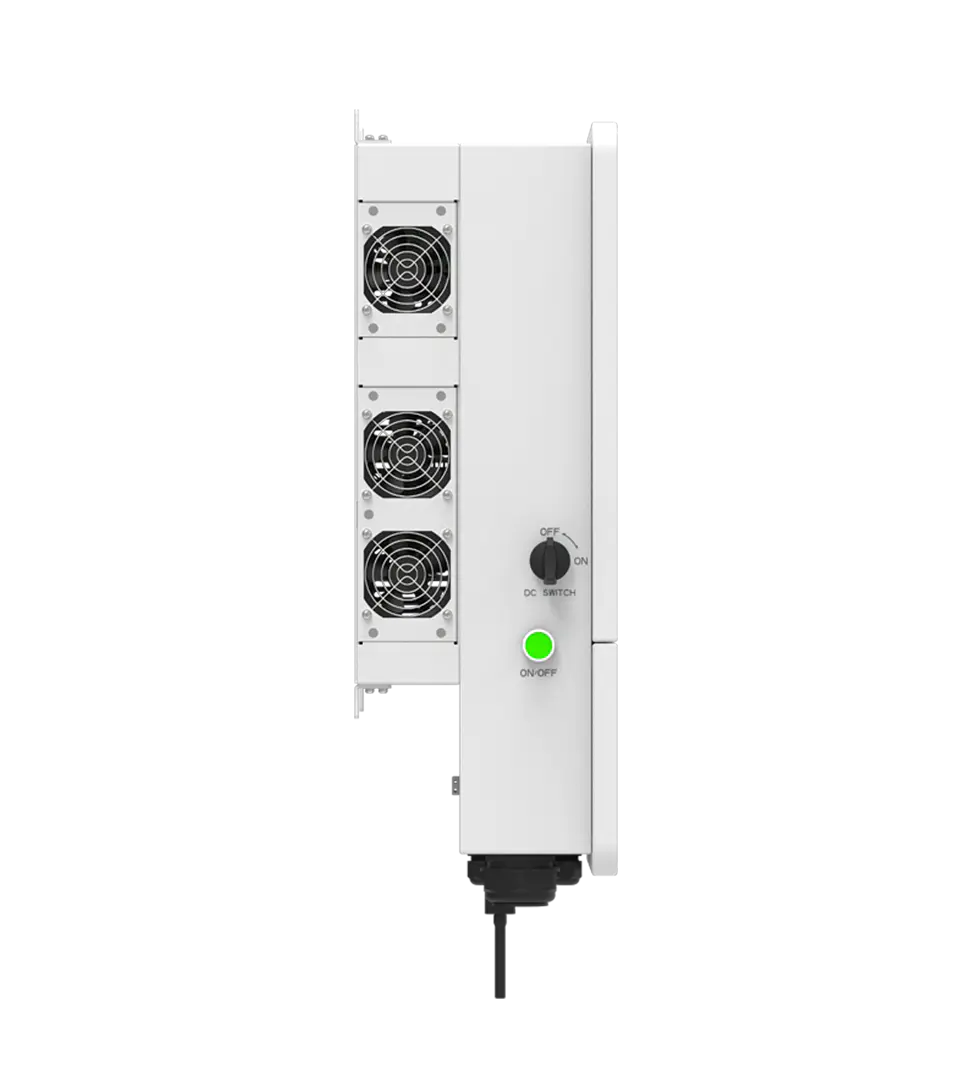
FAQ
How much money can homeowners save with a hybrid inverter system?
Homeowners typically save 40-60% on their electricity bills with hybrid inverter systems compared to traditional grid-tied solar installations. The exact savings depend on local utility rates, time-of-use billing structures, and household energy consumption patterns. Most homeowners see payback periods of 6-10 years, with total lifetime savings often exceeding $30,000-50,000 over a 25-year system lifespan. The combination of avoided electricity purchases, peak rate arbitrage, and demand charge reduction creates multiple revenue streams that accelerate return on investment.
What happens during extended cloudy periods when solar production is limited?
Modern hybrid inverter systems are designed to handle extended periods of limited solar production through intelligent energy management algorithms that prioritize essential loads and optimize battery discharge rates. During cloudy periods, the hybrid inverter can supplement battery storage with selective grid purchases during off-peak rate periods, minimizing costs while maintaining energy security. Most systems include weather forecasting integration that pre-charges batteries from the grid when extended cloudy periods are predicted, ensuring backup power availability regardless of solar conditions.
Can existing solar panel systems be upgraded to include hybrid inverter functionality?
Many existing solar installations can be retrofitted with hybrid inverter capability through AC-coupled battery systems that work alongside existing grid-tied inverters. This approach allows homeowners to add battery storage and backup power functionality without replacing their current solar equipment. However, optimal performance and cost-effectiveness are typically achieved with integrated hybrid inverter systems that manage both solar generation and battery storage through a single intelligent controller designed for maximum efficiency and seamless operation.
How long do hybrid inverter systems last and what maintenance is required?
Quality hybrid inverter systems are designed for 15-25 year operational lifespans with minimal maintenance requirements. The inverter electronics typically carry 10-15 year warranties, while battery storage components may require replacement every 10-15 years depending on usage patterns and technology type. Routine maintenance primarily consists of periodic system monitoring, software updates, and occasional cleaning of cooling vents. Most systems include remote monitoring capabilities that alert homeowners and installers to potential issues before they impact performance or reliability.
Table of Contents
- Economic Drivers Behind Hybrid Inverter Adoption
- Energy Security and Grid Independence Motivations
- Technological Advantages and Smart Home Integration
- Environmental Consciousness and Sustainability Goals
-
FAQ
- How much money can homeowners save with a hybrid inverter system?
- What happens during extended cloudy periods when solar production is limited?
- Can existing solar panel systems be upgraded to include hybrid inverter functionality?
- How long do hybrid inverter systems last and what maintenance is required?