 EN
EN

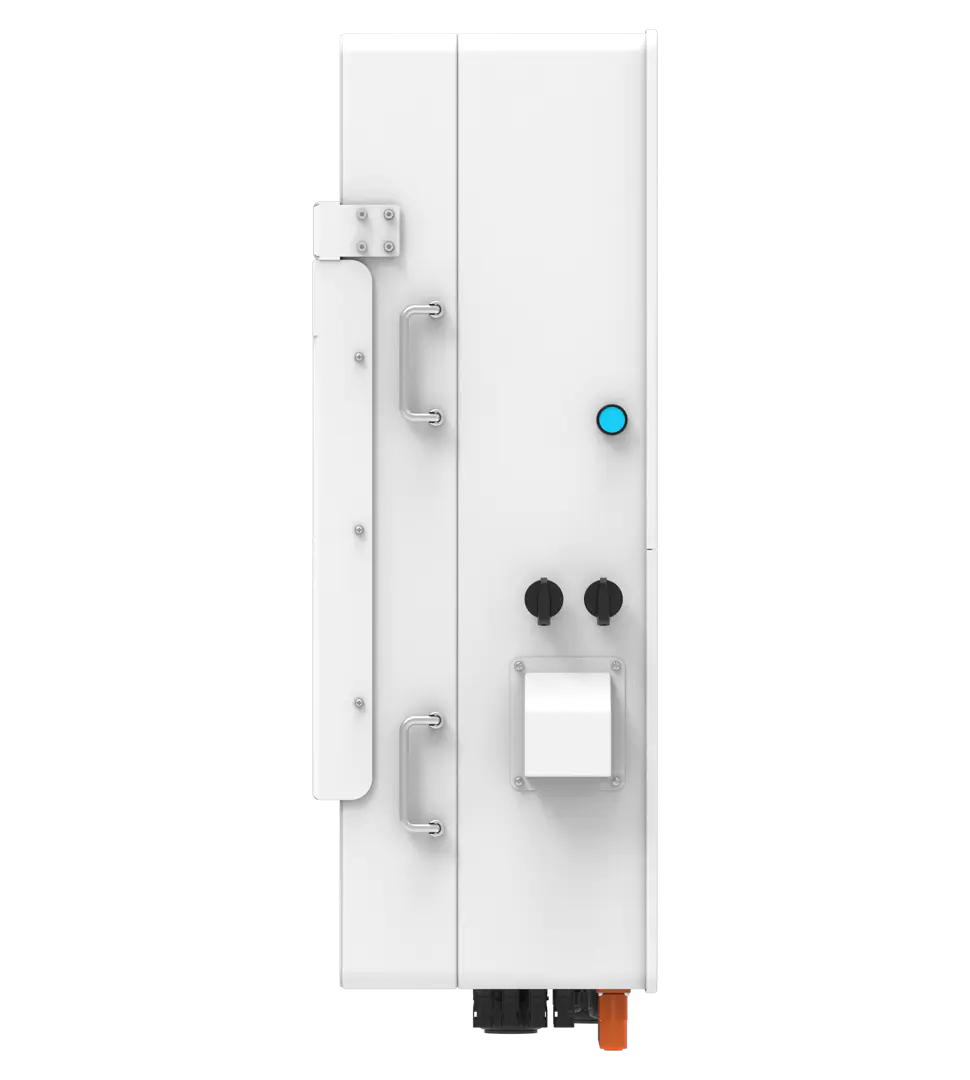
When the electrical grid fails, businesses and homeowners face immediate operational disruption, data loss, and comfort issues. Power outages cost the U.S. economy billions annually, making reliable backup solutions essential for modern energy management. A hybrid inverter emerges as a comprehensive solution that automatically detects grid failures and seamlessly transitions to battery power, ensuring continuous electricity supply during outages.
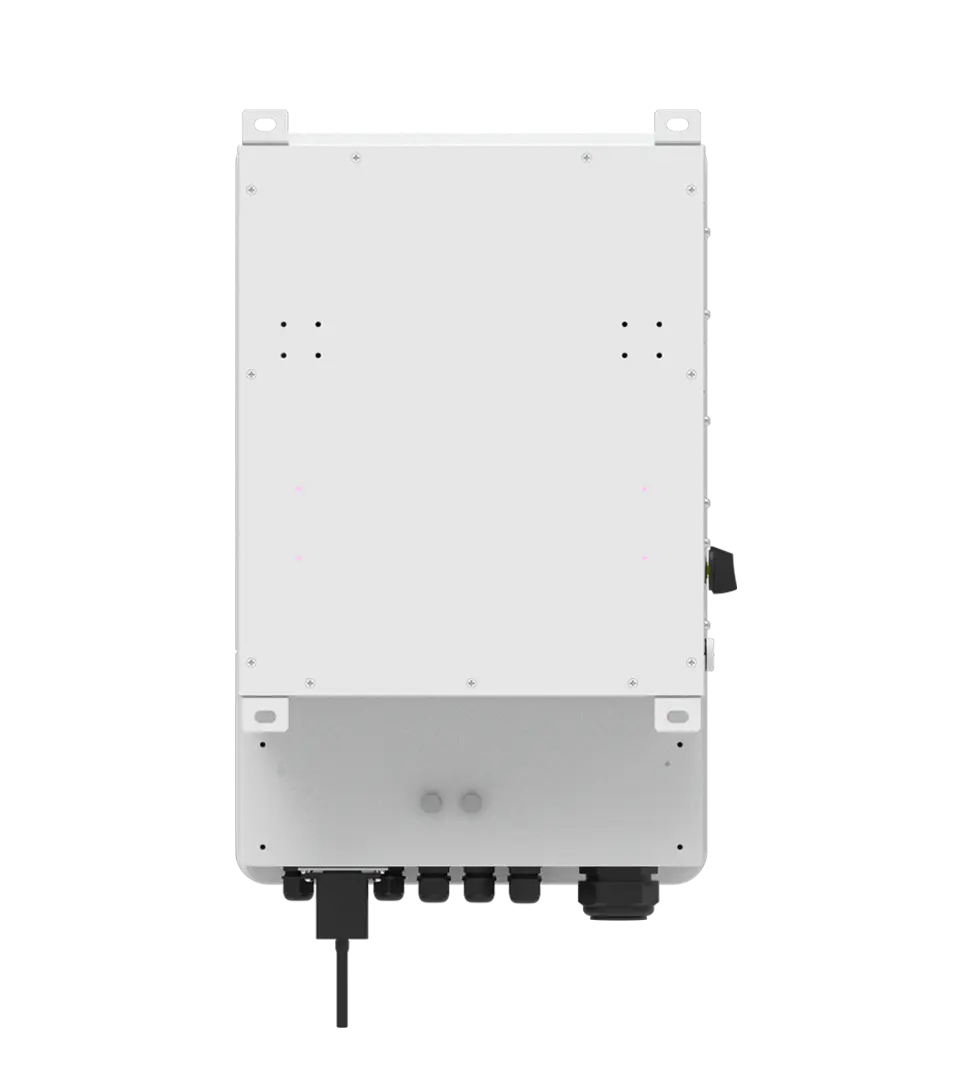
Unlike traditional grid-tied solar systems that shut down during outages for safety reasons, a hybrid inverter maintains power flow by intelligently managing multiple energy sources. This advanced device combines solar panel input, battery storage, and grid connection in a single unit, creating an integrated power management system that responds instantly to grid disruptions. The solution addresses power outage problems through automatic switching, energy storage optimization, and continuous power delivery to critical loads.
Automatic Grid Detection and Switching Mechanisms
Instant Outage Detection Technology
A hybrid inverter continuously monitors grid voltage and frequency to detect power interruptions within milliseconds. Advanced sensing circuits analyze electrical parameters including voltage amplitude, frequency stability, and harmonic distortion to identify grid anomalies before complete failure occurs. When voltage drops below predetermined thresholds or frequency deviates from acceptable ranges, the system immediately recognizes an impending or actual outage condition.
The detection speed is critical for maintaining power quality to sensitive equipment. Modern hybrid inverter units achieve switching times under 20 milliseconds, preventing most electronic devices from experiencing power disruption. This rapid response capability ensures that computers, medical equipment, security systems, and industrial processes continue operating without interruption during the transition from grid to backup power.
Seamless Transfer Switch Operation
Once an outage is detected, the hybrid inverter activates its internal transfer switch to isolate the backup power circuit from the main grid. This isolation prevents backfeeding electricity into utility lines, protecting line workers and maintaining electrical safety standards. The system simultaneously initiates battery discharge mode while converting stored DC power into AC electricity matching the home or facility's power requirements.
The transfer process maintains power continuity through sophisticated control algorithms that synchronize voltage, frequency, and phase relationships. During normal operation, the hybrid inverter pre-conditions the backup system to match grid parameters, enabling instantaneous switching without power quality issues. This preparation ensures that connected loads experience no voltage dips, frequency variations, or power interruptions during the transition.
Battery Storage Integration and Power Management
Intelligent Battery Charging and Maintenance
During normal grid operation, the hybrid inverter manages battery charging using multiple energy sources including solar panels and grid electricity. The system employs multi-stage charging algorithms that optimize battery health while ensuring maximum energy storage capacity for outage events. Charging profiles are automatically adjusted based on battery chemistry, temperature conditions, and historical usage patterns to extend battery lifespan.
Battery maintenance functions include equalization charging, temperature compensation, and capacity monitoring to prevent premature battery degradation. The hybrid inverter tracks individual cell voltages in battery banks, identifying weak cells before they impact overall system performance. Regular maintenance cycles ensure that stored energy remains available at full capacity when power outages occur, maximizing backup power duration and reliability.
Energy Storage Optimization Strategies
Advanced hybrid inverter systems implement intelligent energy management algorithms that optimize stored energy utilization during outages. The system prioritizes power delivery to critical loads while managing energy consumption to extend backup duration. Load management features allow users to configure essential circuits that receive continuous power while temporarily disconnecting non-critical appliances to conserve battery energy.
Dynamic load balancing ensures that available battery capacity is distributed efficiently across connected devices. The hybrid inverter monitors real-time power consumption and automatically adjusts output to prevent battery over-discharge while maintaining stable voltage and frequency to connected equipment. These optimization strategies significantly extend backup power duration compared to simple battery-inverter configurations.
Solar Panel Integration for Extended Backup Duration
Continuous Solar Charging During Outages
A key advantage of hybrid inverter technology is its ability to continue harvesting solar energy during grid outages. While traditional grid-tied systems shut down when the grid fails, hybrid units maintain solar panel operation by routing DC power directly to batteries or connected loads. This capability dramatically extends backup power duration by continuously replenishing stored energy during daylight hours.
Solar charging during outages requires sophisticated power management to balance multiple energy flows simultaneously. The hybrid inverter coordinates battery charging, load power delivery, and solar input optimization to maximize energy utilization efficiency. Maximum Power Point Tracking algorithms ensure that solar panels operate at peak efficiency even under varying weather conditions, maximizing energy harvest for extended outage events.
Daytime Power Independence
During extended outages occurring in daylight hours, hybrid inverter systems can achieve complete energy independence by directly powering loads from solar panels while simultaneously charging batteries. This dual-mode operation eliminates dependence on stored battery energy during peak solar production periods, preserving battery capacity for nighttime or low-light conditions.
The system automatically prioritizes solar energy utilization by first meeting immediate load requirements, then directing excess power to battery charging. Advanced control algorithms prevent battery overcharging while ensuring that solar energy is maximally utilized. This intelligent power routing capability enables homes and businesses to maintain normal operations indefinitely during extended outages provided sufficient solar generation capacity is available.
Critical Load Management and Power Prioritization
Essential Circuit Identification
Effective outage management requires strategic planning of which electrical circuits receive backup power priority. A hybrid inverter system typically connects to a dedicated critical loads panel that powers essential appliances and systems during outages. This selective approach maximizes backup duration by avoiding unnecessary power consumption from non-essential devices like electric water heaters, air conditioning units, or decorative lighting.
Critical load selection varies by application but commonly includes refrigeration, lighting, security systems, communication equipment, and medical devices. Commercial installations may prioritize server rooms, emergency lighting, and safety systems. The hybrid inverter manages these prioritized circuits automatically, ensuring that essential functions continue operating throughout outage events while optimizing energy consumption.
Scalable Power Output Management
Modern hybrid inverter systems offer configurable power output levels that can be adjusted based on available battery capacity and expected outage duration. During the initial stages of an outage, the system may provide full power to all connected circuits. As battery levels decrease, intelligent load shedding algorithms progressively reduce power to less critical circuits while maintaining essential services.
This graduated approach to power management extends overall backup duration by concentrating remaining battery energy on the most important loads. Users can pre-configure priority levels for different circuits, enabling the hybrid inverter to make automatic decisions about load management without manual intervention. The system provides status indicators and alerts to inform users about battery levels and expected remaining backup time.
System Reliability and Performance Advantages
Enhanced Power Quality During Outages
Beyond simply providing backup power, a hybrid inverter delivers superior power quality compared to basic generators or simple battery systems. The unit produces clean sine wave output with stable voltage and frequency characteristics that protect sensitive electronic equipment from power quality issues. This clean power output prevents damage to computers, medical equipment, and other devices that require stable electrical supply.
Power conditioning features include voltage regulation, frequency stabilization, and harmonic filtering that maintain grid-quality electricity during backup operation. The hybrid inverter continuously monitors output parameters and makes real-time adjustments to maintain optimal power quality regardless of load variations or battery voltage changes. This consistent power quality ensures that all connected equipment operates normally during outage events.
Monitoring and Remote Management Capabilities
Advanced hybrid inverter systems provide comprehensive monitoring capabilities that enable users to track system performance, battery status, and energy consumption patterns. Remote monitoring through smartphone applications or web interfaces allows users to receive outage notifications, monitor backup power duration, and manage system settings from any location.
These monitoring capabilities prove invaluable during extended outages by providing real-time information about remaining battery capacity and estimated backup duration. Users can make informed decisions about energy conservation measures and receive alerts when battery levels reach critical thresholds. Historical data analysis helps optimize backup power strategies and identify opportunities for system improvements.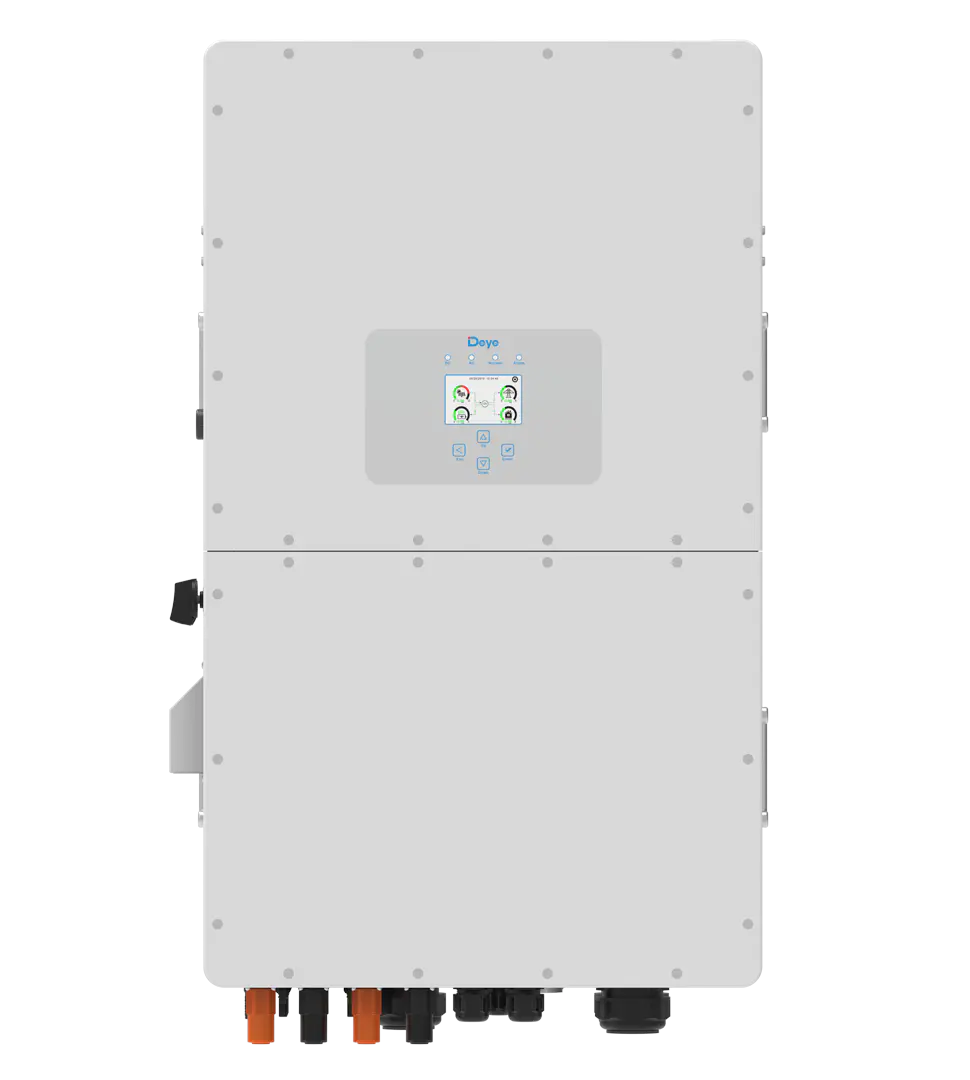
FAQ
How long can a hybrid inverter provide backup power during an outage?
Backup duration depends on battery capacity, connected load power consumption, and solar charging availability. A typical residential hybrid inverter system with 10-15 kWh battery storage can provide 8-24 hours of backup power for essential loads. During daylight hours with adequate solar generation, backup duration can extend indefinitely as solar panels continuously recharge batteries while powering connected loads.
Can a hybrid inverter automatically restart when grid power returns?
Yes, modern hybrid inverter systems automatically detect when grid power is restored and seamlessly transition back to normal operation. The system monitors returning grid voltage and frequency to ensure stable conditions before reconnecting. This automatic restoration process typically occurs within seconds of grid power stabilization, requiring no manual intervention from users.
What happens if solar panels cannot generate enough power during an outage?
When solar generation is insufficient due to weather conditions or nighttime hours, the hybrid inverter relies entirely on stored battery energy to maintain backup power. The system automatically adjusts power management strategies to extend battery duration, potentially implementing load shedding protocols to prioritize critical circuits. Battery capacity and energy consumption patterns determine the total backup duration available during periods without solar charging.
Do hybrid inverters work during winter outages when solar production is reduced?
Hybrid inverter systems remain functional during winter outages, though backup duration may be reduced due to lower solar generation and potentially higher energy consumption for heating. The system continues to harvest available solar energy even during overcast conditions, though at reduced levels. Proper battery sizing and energy management strategies ensure adequate backup power availability throughout winter months despite reduced solar contribution.