 EN
EN

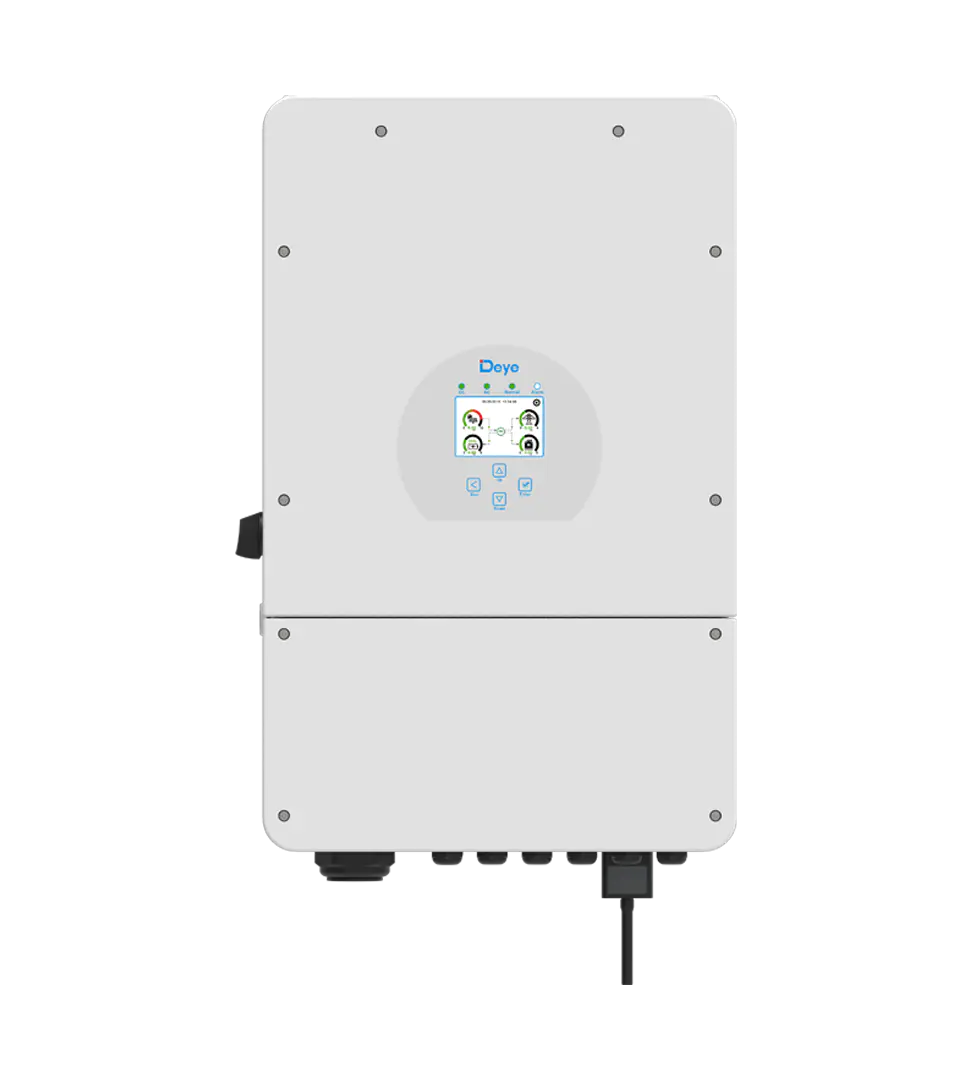
A hybrid inverter stands out as the perfect solution for homeowners seeking reliable backup power because it seamlessly integrates solar generation, battery storage, and grid connectivity into one intelligent system. Unlike traditional inverters that handle only one power source, a hybrid inverter manages multiple energy flows simultaneously, making it exceptionally well-suited for home backup applications where uninterrupted power supply is critical.
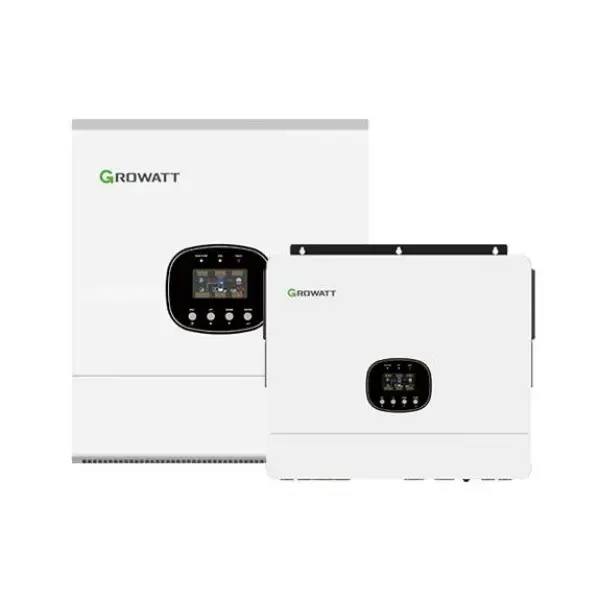
The fundamental advantage of a hybrid inverter for backup power lies in its ability to automatically switch between different power sources based on availability and demand. During normal operation, it can simultaneously charge batteries from solar panels while supplying household loads, and when grid power fails, it instantly transitions to battery power without any interruption to connected devices. This seamless operation makes the hybrid inverter an ideal choice for maintaining essential home functions during power outages.
Multi-Source Energy Management Capabilities
Intelligent Power Routing
The hybrid inverter excels in backup power applications primarily because of its sophisticated energy management system that can intelligently route power from multiple sources. When solar panels are generating electricity during daylight hours, the hybrid inverter prioritizes using this clean energy to power household loads while simultaneously charging the backup battery system. This dual functionality ensures that homes remain powered by renewable energy while building up energy reserves for nighttime or emergency use.
During periods when solar generation is insufficient to meet household demand, the hybrid inverter seamlessly supplements power from the battery storage system or draws additional electricity from the utility grid. This intelligent switching happens automatically without any manual intervention, making it particularly valuable for backup power scenarios where immediate response is crucial. The system continuously monitors power quality and availability from all sources, ensuring optimal performance under varying conditions.
Battery Charging Optimization
A key feature that makes the hybrid inverter ideal for backup power is its advanced battery charging capabilities. The system employs sophisticated charging algorithms that optimize battery health while ensuring maximum energy storage for emergency situations. Unlike simple battery chargers, the hybrid inverter can charge batteries from solar panels during the day and from grid power during off-peak hours when electricity rates are lower.
The charging optimization extends to protecting battery longevity through temperature compensation, voltage regulation, and charge cycle management. This ensures that the backup power system remains reliable over many years of operation. The hybrid inverter also supports various battery technologies, from traditional lead-acid to modern lithium-ion systems, allowing homeowners to choose the most appropriate storage solution for their backup power needs.
Seamless Grid Integration and Backup Transition
Automatic Transfer Switch Functionality
The hybrid inverter incorporates built-in automatic transfer switch capabilities that make it exceptionally suitable for home backup power applications. When utility power is available, the system operates in grid-tied mode, allowing excess solar energy to be fed back into the grid while drawing additional power when needed. However, the moment a grid outage is detected, the hybrid inverter immediately isolates the home from the utility grid and begins supplying power from the battery storage system.
This transition typically occurs within milliseconds, fast enough to prevent sensitive electronic equipment from experiencing any power interruption. The seamless switching capability eliminates the need for separate backup generators or manual transfer switches, providing a more convenient and reliable backup power solution. Once utility power is restored, the hybrid inverter automatically reconnects to the grid and resumes normal operation while replenishing the battery storage for future outages.
Load Management During Outages
During backup power operation, the hybrid inverter provides intelligent load management that extends the duration of backup power availability. The system can prioritize essential loads such as refrigeration, lighting, and communication equipment while limiting power to non-critical devices. This load management capability is particularly valuable during extended outages when battery capacity needs to be conserved for maximum backup duration.
Advanced hybrid inverter systems offer programmable load management features that allow homeowners to customize which circuits receive backup power during different scenarios. This flexibility ensures that the most important household functions remain operational while optimizing the use of stored energy. The system can also provide real-time monitoring of battery state-of-charge and estimated backup duration, helping homeowners make informed decisions about energy usage during outages.
Energy Independence and Cost Optimization
Peak Shaving and Time-of-Use Optimization
The hybrid inverter enhances its value as a backup power solution by providing energy cost optimization even during normal grid-connected operation. Through peak shaving functionality, the system can discharge stored battery energy during periods of high electricity rates, reducing overall energy costs while maintaining full backup power capability. This dual benefit makes the hybrid inverter investment more economically attractive compared to dedicated backup power systems.
Time-of-use optimization allows the hybrid inverter to charge batteries when electricity rates are lowest, typically during overnight hours, and discharge stored energy when rates are highest during peak demand periods. This operation reduces monthly electricity bills while ensuring that batteries remain charged and ready for emergency backup situations. The intelligent scheduling capabilities make the hybrid inverter an active participant in household energy management rather than a passive backup system.
Solar Energy Maximization
Unlike grid-tie inverters that shut down during power outages, the hybrid inverter can continue utilizing solar energy production even when the grid is unavailable. During daylight backup power scenarios, the system can simultaneously power household loads directly from solar panels while charging batteries, effectively extending the backup power duration significantly. This capability is particularly valuable during extended outages when solar generation can reduce reliance on stored battery energy.
The ability to harvest solar energy during outages sets the hybrid inverter apart from traditional backup power solutions such as generators or battery-only systems. This feature provides a level of energy independence that makes extended off-grid operation feasible, particularly in areas with frequent power outages or unreliable grid infrastructure. The hybrid inverter essentially creates a micro-grid that can operate independently while remaining ready to reconnect to utility power when available.
Advanced Monitoring and Control Features
Real-Time System Monitoring
Modern hybrid inverter systems provide comprehensive monitoring capabilities that enhance their effectiveness as backup power solutions. Through built-in communication interfaces and smartphone applications, homeowners can monitor solar production, battery state-of-charge, grid status, and household energy consumption in real-time. This visibility allows for proactive management of the backup power system and early identification of any potential issues.
The monitoring systems typically include historical data logging that helps homeowners understand their energy usage patterns and optimize the backup power configuration accordingly. During outages, the real-time monitoring becomes particularly valuable for tracking remaining backup duration and making informed decisions about load management. Many hybrid inverter systems also provide remote monitoring capabilities, allowing system status checking even when away from home.
Remote Control and Programming
The hybrid inverter offers remote control capabilities that enhance its utility as a backup power system. Homeowners can adjust system settings, modify backup power priorities, and even initiate manual backup mode testing from smartphone applications. This remote control functionality is particularly valuable for ensuring that the backup power system is properly configured and ready for emergency situations.
Advanced programming features allow the hybrid inverter to be customized for specific backup power requirements. Settings can include backup power duration targets, critical load priorities, and automatic system testing schedules. These programmable features ensure that the hybrid inverter operates optimally for each household's unique backup power needs while maintaining simplicity in day-to-day operation.
Scalability and Future-Proofing Benefits
Expandable Storage Capacity
The hybrid inverter provides excellent scalability for backup power applications, allowing homeowners to start with a basic battery storage configuration and expand capacity as needs change or budgets allow. Most hybrid inverter systems support parallel battery connections or modular battery expansion, enabling incremental increases in backup power duration without replacing the entire system. This scalability makes the initial investment more manageable while providing a clear upgrade path.
The modular expansion capability also allows homeowners to optimize their backup power investment based on actual usage patterns and outage frequency in their area. Starting with enough battery capacity for essential loads and gradually adding storage for extended backup duration or additional circuits provides flexibility that dedicated backup generators cannot match. The hybrid inverter architecture accommodates this growth while maintaining system efficiency and reliability.
Technology Integration Readiness
As smart home technologies and electric vehicle adoption continue to grow, the hybrid inverter provides a foundation that can integrate with these emerging technologies. Many systems include communication protocols that support integration with home energy management systems, electric vehicle chargers, and smart appliances. This future-proofing capability ensures that the backup power investment remains relevant as household energy needs evolve.
The hybrid inverter can also adapt to changes in utility programs and grid modernization initiatives. As utilities implement time-of-use rates, demand response programs, and grid services compensation, the hybrid inverter can participate in these programs while maintaining its primary function as a backup power system. This adaptability provides ongoing value that extends well beyond simple emergency backup power.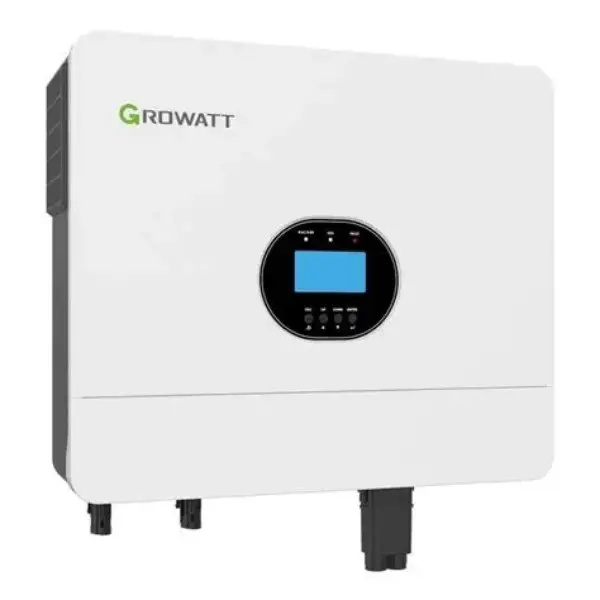
FAQ
How long can a hybrid inverter provide backup power during an outage?
The backup power duration of a hybrid inverter depends on the battery capacity and the power demand of connected loads. A typical residential system with 10-15 kWh of battery storage can provide 6-12 hours of backup power for essential loads like refrigeration, lighting, and communication equipment. During daylight hours, solar panels can extend this duration significantly by continuing to generate power even during grid outages. For extended outages, load management and solar contribution can extend backup operation for several days.
Can a hybrid inverter work with existing solar panels and batteries?
Yes, many hybrid inverter systems are designed to work with existing solar panel installations and can be retrofitted to existing systems. However, compatibility depends on factors such as panel voltage, array size, and existing inverter configuration. For battery integration, the hybrid inverter typically requires batteries with compatible voltage and chemistry specifications. Professional assessment is recommended to ensure proper system integration and optimal performance.
What maintenance does a hybrid inverter require for reliable backup power?
Hybrid inverter systems require minimal routine maintenance, primarily focused on keeping the unit clean and ensuring proper ventilation. Battery maintenance varies by technology, with lithium systems requiring virtually no maintenance while lead-acid batteries may need periodic inspection and water level checks. The system should undergo annual professional inspection to verify proper operation of all components and safety systems. Most modern hybrid inverter systems include self-diagnostic capabilities that alert users to any maintenance needs or potential issues.
Is a hybrid inverter more cost-effective than a traditional backup generator?
While the initial cost of a hybrid inverter system may be higher than a basic backup generator, the total cost of ownership is often lower due to several factors. The hybrid inverter provides daily energy cost savings through peak shaving and solar energy utilization, while generators have ongoing fuel costs and regular maintenance requirements. Additionally, the hybrid inverter operates silently, requires no fuel storage, produces no emissions, and can provide backup power indefinitely when combined with solar panels, making it a more comprehensive and sustainable backup power solution.