 EN
EN

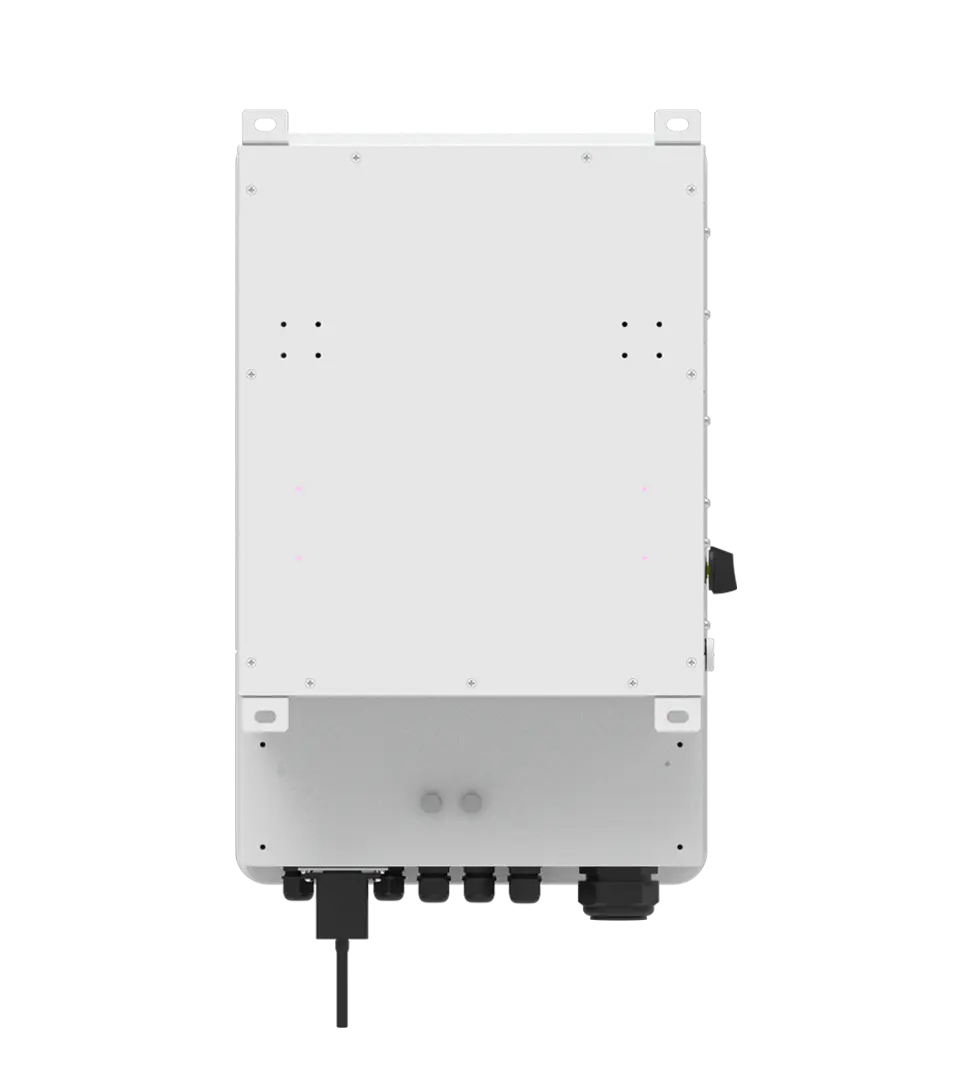
Choosing between a hybrid inverter and a standard inverter represents one of the most critical decisions in solar energy system design. The timing of this decision can significantly impact your energy independence, long-term costs, and system flexibility. A hybrid inverter combines the functionality of a standard solar inverter with battery storage capabilities, enabling energy storage and backup power during outages. Understanding when this advanced technology provides clear advantages over traditional inverters requires careful evaluation of your energy needs, future expansion plans, and local grid conditions.
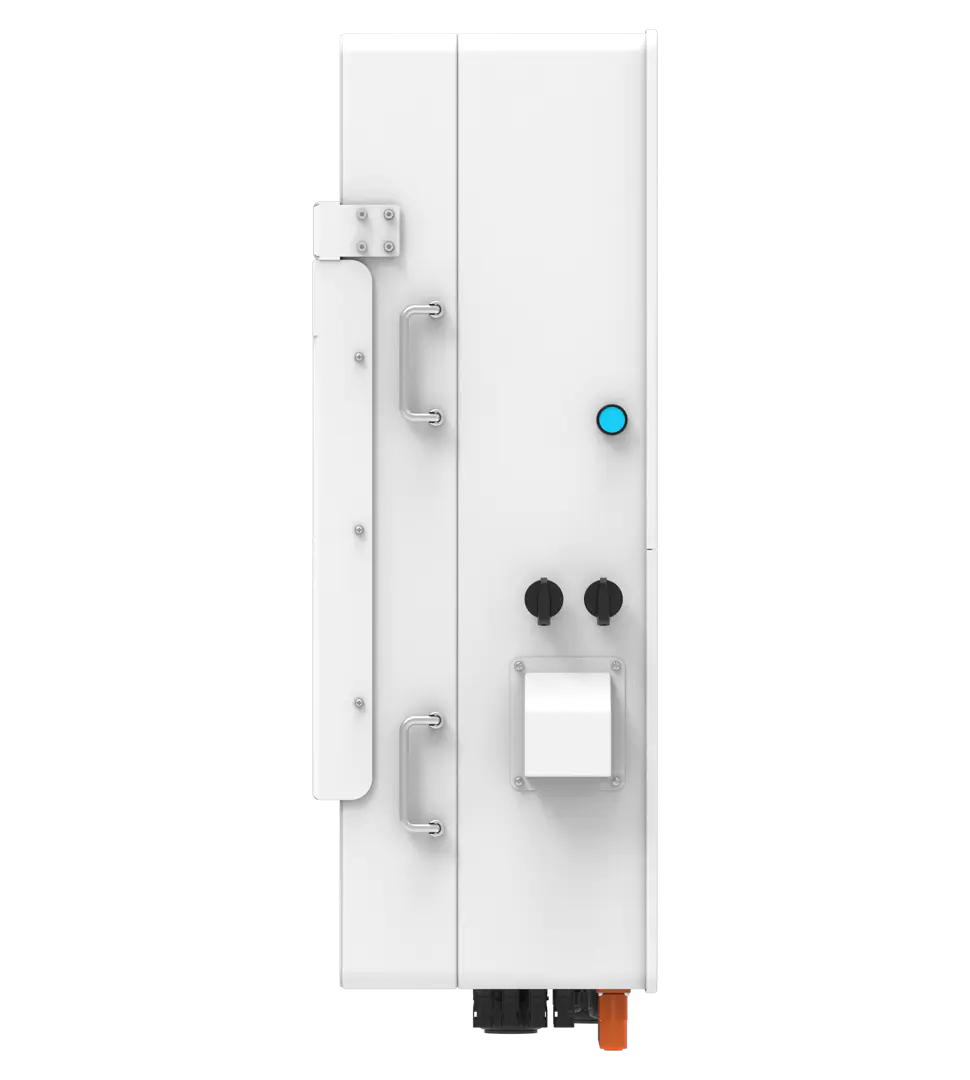
The decision between a hybrid inverter and standard inverter depends heavily on your specific circumstances, including grid reliability, energy usage patterns, and financial considerations. While standard inverters excel in grid-tied applications with stable power supply, a hybrid inverter becomes essential when backup power, energy storage, or grid independence are priorities. The optimal timing for choosing hybrid technology often coincides with new installations where future battery integration is planned, areas with frequent power outages, or situations where time-of-use electricity rates create significant cost-saving opportunities through energy storage.
Grid Reliability and Backup Power Requirements
Assessing Your Local Grid Stability
The reliability of your local electrical grid serves as a primary indicator for when a hybrid inverter becomes necessary over standard alternatives. Areas experiencing frequent power outages, voltage fluctuations, or planned maintenance shutdowns benefit significantly from hybrid inverter technology. Unlike standard inverters that shut down during grid failures, a hybrid inverter can seamlessly switch to battery power, maintaining electricity supply to critical loads during blackouts.
Remote locations or regions with aging electrical infrastructure often experience more frequent service interruptions. In these situations, the backup power capability of a hybrid inverter provides essential continuity for home operations, medical equipment, security systems, and communication devices. The automatic transfer function ensures uninterrupted power flow without manual intervention, making hybrid technology particularly valuable for applications requiring constant electricity supply.
Critical Load Protection Needs
Homes or businesses with essential electrical loads that cannot tolerate power interruptions should prioritize hybrid inverter installation over standard systems. Medical equipment, refrigeration for medications, security systems, communication equipment, and home office setups represent critical loads requiring continuous power supply. A hybrid inverter enables selective load management, powering only essential circuits during outages to maximize battery runtime and ensure critical operations continue functioning.
The sophistication of modern hybrid inverter systems allows for programmable load prioritization, automatically disconnecting non-essential loads when battery capacity reaches predetermined levels. This intelligent load management extends backup power duration and ensures the most important electrical systems remain operational during extended outages. Standard inverters cannot provide this level of protection and flexibility for critical load applications.
Energy Storage and Time-of-Use Optimization
Electricity Rate Structures and Peak Demand Charges
Time-of-use electricity rates create compelling financial incentives for choosing a hybrid inverter over standard alternatives. Utility companies increasingly implement rate structures with significant price differences between peak and off-peak hours. A hybrid inverter enables energy arbitrage by storing excess solar production or low-cost off-peak electricity in batteries, then discharging stored energy during expensive peak rate periods.
Commercial and industrial facilities facing demand charges benefit substantially from hybrid inverter peak shaving capabilities. By reducing maximum power draw from the grid during peak periods, hybrid systems can significantly lower monthly electricity bills. Standard inverters cannot provide this demand management functionality, making hybrid technology essential for facilities with high peak demand charges or complex rate structures requiring strategic energy management.
Solar Production and Consumption Patterns
The timing of your solar energy production relative to consumption patterns influences whether a hybrid inverter provides superior value compared to standard systems. Properties with high daytime energy consumption may achieve adequate returns with standard grid-tied inverters, as solar production coincides with usage. However, buildings with significant evening or nighttime electricity needs benefit from hybrid inverter energy storage capabilities.
Residential properties typically consume most electricity during morning and evening hours when solar production is minimal or absent. A hybrid inverter captures excess midday solar production in batteries, making this energy available during peak consumption periods. This load shifting capability reduces grid dependency and maximizes the value of solar energy production, advantages that standard inverters cannot provide without separate battery storage systems.
Future Expansion and System Flexibility
Battery Integration Planning
Planning for future battery integration represents a critical decision point favoring hybrid inverter selection over standard alternatives. Installing a hybrid inverter during initial system construction eliminates the need for costly inverter replacement when adding battery storage later. The integrated design of hybrid systems provides better efficiency, simplified installation, and unified system monitoring compared to retrofitting separate battery inverters to existing standard inverter installations.
Battery technology costs continue declining while performance improves, making future storage integration increasingly attractive. A hybrid inverter provides flexibility to add batteries when financial conditions become favorable or when changing circumstances create greater need for backup power. This future-proofing capability ensures your solar investment can adapt to evolving energy needs without requiring major system modifications or component replacement.
Smart Grid Integration and Advanced Features
Modern hybrid inverter systems offer advanced grid interaction capabilities that become increasingly valuable as utility grids modernize. Vehicle-to-grid integration, demand response participation, and virtual power plant connectivity represent emerging opportunities that hybrid inverters can support but standard inverters cannot. These advanced features may provide additional revenue streams or cost savings as smart grid programs expand.
The monitoring and control capabilities of hybrid inverter systems enable sophisticated energy management strategies impossible with standard inverters. Remote monitoring, automated load control, and predictive energy management help optimize system performance and reduce operating costs. As energy management becomes more complex with electric vehicle adoption and smart home integration, hybrid inverter flexibility provides significant advantages over standard system limitations.
Economic Considerations and ROI Timing
Initial Investment and Payback Analysis
The higher initial cost of a hybrid inverter compared to standard alternatives requires careful financial analysis to determine optimal timing for implementation. Properties with high electricity costs, frequent outages, or significant backup power needs typically justify the additional investment through reduced utility bills and avoided outage costs. The economic benefit calculation should include both energy savings and the value of backup power reliability for your specific application.
Government incentives, tax credits, and utility rebates can significantly impact the economic timing for hybrid inverter installation. Many jurisdictions offer enhanced incentives for energy storage systems, making hybrid technology more financially attractive than standard inverters when these programs are available. The combination of solar and storage incentives often improves payback periods and overall return on investment for hybrid systems.
Long-Term Value and System Lifecycle
The extended functionality and flexibility of hybrid inverter systems often provide superior long-term value compared to standard alternatives, even when initial costs are higher. The ability to adapt to changing utility rates, add battery storage, and participate in grid services creates multiple value streams throughout the system lifecycle. Standard inverters offer limited functionality that may become inadequate as energy markets evolve and customer needs change.
Equipment reliability and warranty coverage also influence the timing decision between hybrid and standard inverters. High-quality hybrid inverter systems typically offer comprehensive warranties covering both inverter and battery management functions. This integrated approach can reduce maintenance costs and provide better long-term reliability compared to standard inverter systems that may require additional components for future expansion or enhanced functionality.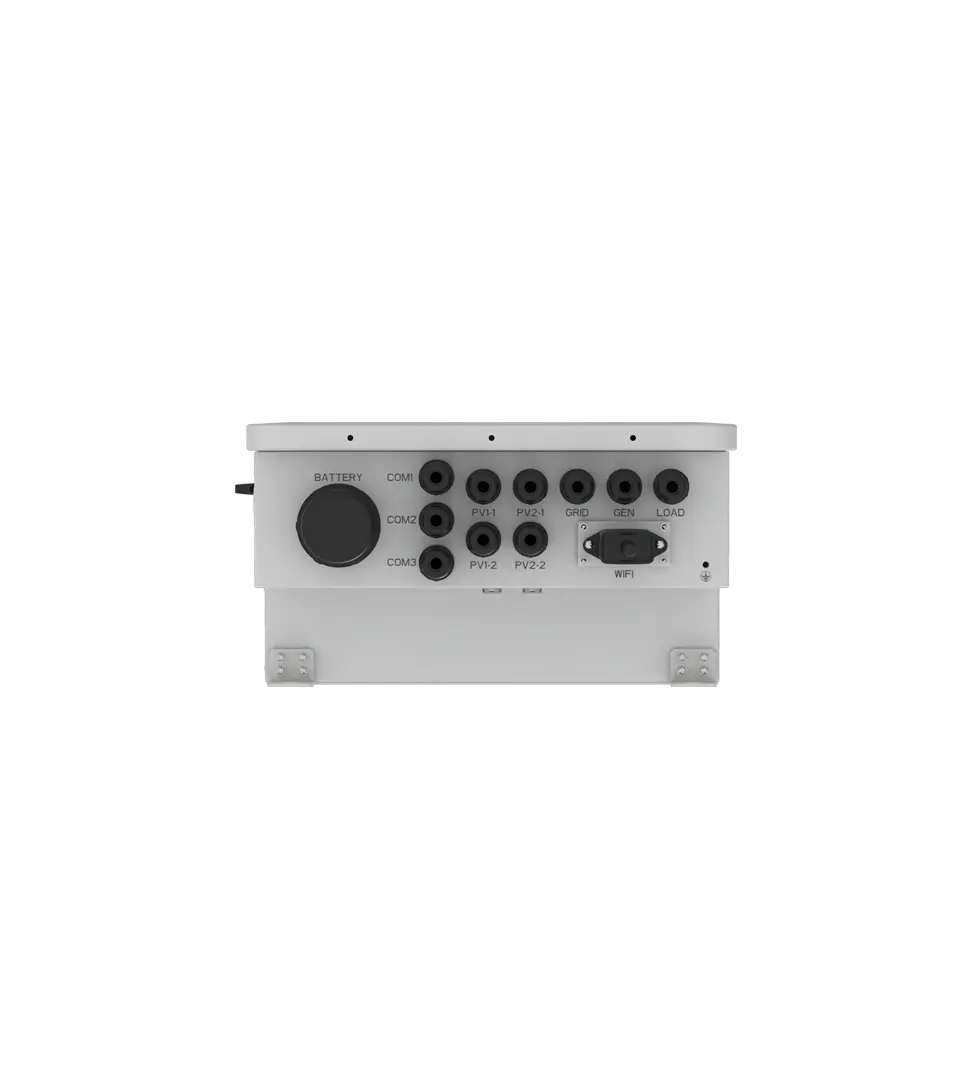
FAQ
How much more expensive is a hybrid inverter compared to a standard inverter?
A hybrid inverter typically costs 20-40% more than a comparable standard inverter, depending on power rating and features. However, this price comparison doesn't include the additional components needed to add battery storage to a standard inverter system later, which often makes hybrid technology more cost-effective when storage is planned. The integrated design eliminates separate battery inverter costs and reduces installation complexity.
Can I add batteries to a standard inverter system later?
Yes, batteries can be added to standard inverter systems using separate battery inverters or DC-coupled storage systems. However, this approach is typically more expensive and complex than installing a hybrid inverter initially. Retrofit battery integration may require electrical panel modifications, additional monitoring equipment, and potentially inverter replacement depending on the existing system configuration and desired storage capacity.
Do hybrid inverters work without batteries installed?
Most hybrid inverter systems can operate as standard grid-tied inverters without batteries installed, providing flexibility for phased implementation. The hybrid inverter manages solar production and grid interaction normally, with battery connections available for future expansion. This capability allows you to install hybrid technology initially while deferring battery investment until favorable conditions or increased need for storage arise.
What size hybrid inverter do I need for my home?
Hybrid inverter sizing depends on your solar array capacity, critical load requirements, and planned battery storage capacity. Generally, the inverter should handle your maximum solar production and essential load requirements simultaneously. Consider both continuous and surge power ratings, especially for motor loads like air conditioning or well pumps. Professional system design ensures proper sizing for your specific application and local electrical codes.