 EN
EN

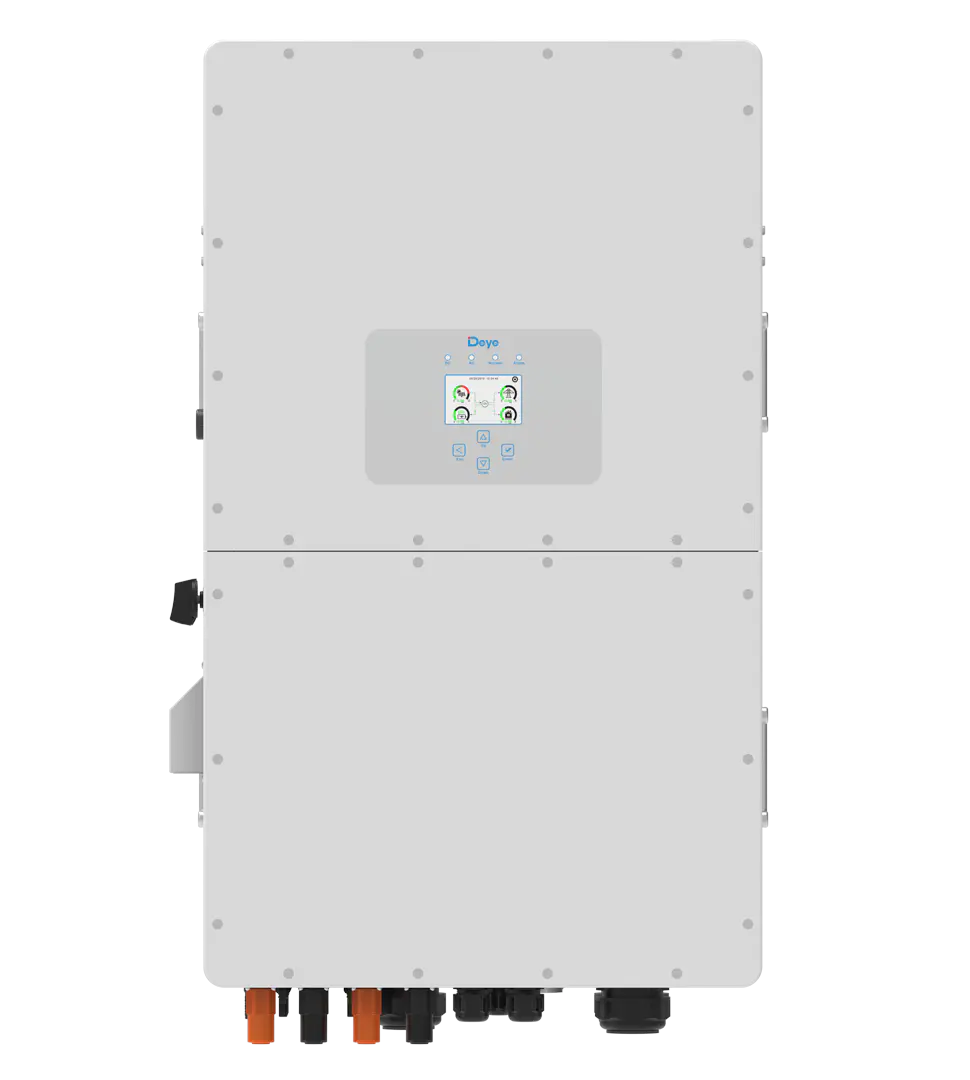
A hybrid inverter revolutionizes energy management by intelligently combining solar power generation, battery storage, and grid connectivity into a single, sophisticated system. This advanced technology addresses the fundamental challenge of energy efficiency by optimizing power flow, reducing waste, and maximizing the utilization of renewable energy sources. Unlike traditional inverters that simply convert DC to AC power, a hybrid inverter actively manages energy distribution based on real-time demand, supply conditions, and grid availability.
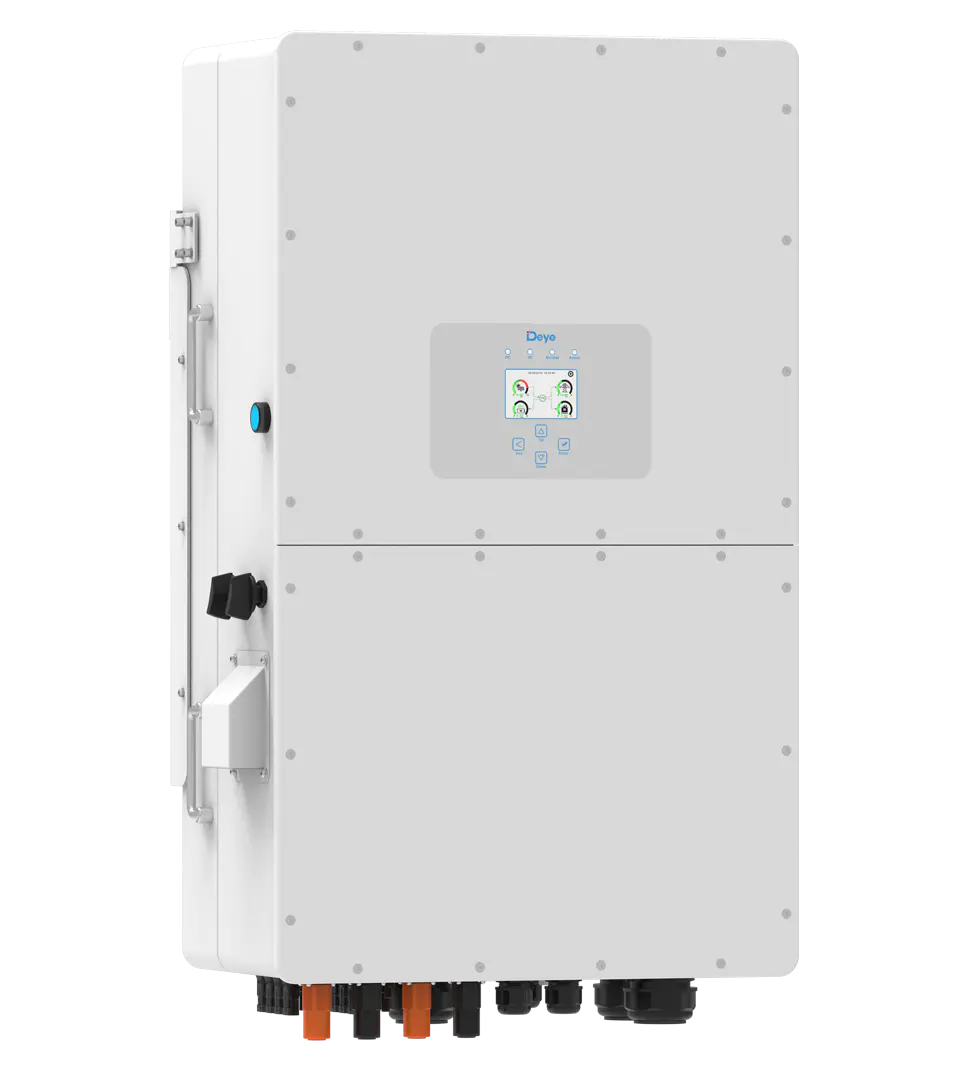
The efficiency improvements delivered by a hybrid inverter stem from its ability to make intelligent decisions about energy routing, storage, and consumption timing. By continuously monitoring energy production from solar panels, current household demand, battery charge levels, and grid conditions, these systems eliminate the energy losses typically associated with multiple conversion processes and poor timing of energy use versus availability.
Intelligent Power Management Architecture
Multi-Source Energy Coordination
A hybrid inverter improves energy efficiency through sophisticated power management that coordinates multiple energy sources simultaneously. The system continuously monitors solar panel output, battery charge status, and grid availability to determine the most efficient energy routing strategy. When solar production exceeds immediate consumption needs, the hybrid inverter automatically directs surplus energy to charge batteries rather than exporting to the grid at potentially lower feed-in tariff rates.
This coordination eliminates the efficiency losses that occur in traditional systems where energy must pass through multiple inverters and conversion stages. A single hybrid inverter handles DC-AC conversion, battery charging and discharging, and grid interaction through integrated circuits designed for optimal power transfer efficiency. The result is typically 3-5% higher overall system efficiency compared to separate inverter configurations.
The intelligent switching between energy sources happens in real-time without manual intervention, ensuring that the most cost-effective and efficient energy source powers loads at any given moment. During peak solar production, the system prioritizes direct solar consumption, then battery charging, and finally grid export in order of economic value.
Load Prioritization and Demand Response
Advanced hybrid inverter systems incorporate load prioritization features that automatically manage which appliances and systems receive power during different operating conditions. Critical loads such as refrigeration, security systems, and communication equipment receive priority during battery backup operation, while non-essential loads can be temporarily disconnected to extend backup duration and improve overall energy utilization efficiency.
The demand response capability allows the hybrid inverter to shift energy-intensive operations to periods of high solar production or low grid demand. Water heating, pool pumps, and other flexible loads can be automatically scheduled to operate when solar energy is abundant, reducing reliance on expensive grid power and improving the overall energy efficiency of the installation.
Smart load management also includes power quality optimization, where the hybrid inverter maintains stable voltage and frequency output regardless of input source variations. This consistent power quality prevents efficiency losses in connected equipment and extends the operational life of sensitive electronic devices.
Battery Storage Optimization Mechanisms
Charging Efficiency Algorithms
A hybrid inverter enhances energy efficiency through sophisticated battery charging algorithms that minimize charging losses and optimize battery performance. The system employs multi-stage charging protocols that adjust charging current and voltage based on battery temperature, state of charge, and age characteristics. This precision charging approach typically achieves 94-96% charging efficiency compared to 85-90% efficiency in basic charge controllers.
The integrated maximum power point tracking (MPPT) technology within the hybrid inverter continuously optimizes solar panel output to match optimal battery charging conditions. By dynamically adjusting the electrical load presented to the solar panels, the system extracts maximum available power even under varying weather conditions, cloud cover, or partial shading scenarios.
Temperature compensation features automatically adjust charging parameters to account for seasonal temperature variations, preventing overcharging in hot conditions and ensuring adequate charging in cold weather. This thermal management extends battery life while maintaining high charging efficiency across all operating conditions.
Discharge Strategy Optimization
The discharge optimization capabilities of a hybrid inverter significantly improve energy efficiency by preventing deep discharge cycles that reduce battery life and efficiency. The system continuously monitors battery voltage, current, and internal resistance to predict remaining capacity and optimize discharge rates for maximum efficiency.
Sophisticated battery management algorithms prevent harmful discharge patterns while ensuring maximum energy extraction when needed. The hybrid inverter automatically switches between battery power and grid power based on time-of-use tariffs, battery charge levels, and projected energy needs, ensuring the most economical and efficient energy utilization strategy.
The system also incorporates predictive algorithms that analyze historical consumption patterns and weather forecasts to optimize battery discharge timing. By anticipating periods of high solar production or low energy demand, the hybrid inverter can strategically manage battery utilization to minimize grid dependence and maximize self-consumption of renewable energy.
Grid Integration and Peak Shaving Benefits
Time-of-Use Tariff Optimization
A hybrid inverter dramatically improves energy efficiency by exploiting time-of-use electricity tariffs through intelligent grid interaction strategies. The system automatically shifts energy consumption from expensive peak-rate periods to off-peak hours when electricity costs are lower. During off-peak periods, the hybrid inverter can charge batteries from grid power when rates are low, then discharge stored energy during peak-rate periods to avoid expensive grid consumption.
This arbitrage capability effectively reduces overall electricity costs while improving system efficiency by ensuring energy storage occurs at optimal times. The financial savings from time-of-use optimization often justify the investment in battery storage, making the entire hybrid inverter system more economically efficient over its operational lifetime.
Advanced scheduling features allow users to program specific charging and discharging windows based on utility rate structures, further optimizing energy costs and system efficiency. The hybrid inverter can also participate in demand response programs where utilities provide incentives for reducing grid demand during peak periods.
Power Quality and Grid Stability Contributions
The grid integration capabilities of a hybrid inverter contribute to overall energy efficiency by providing power quality improvements and grid stability services. The system can supply reactive power compensation, voltage regulation, and frequency support to the local grid, improving the efficiency of the broader electrical distribution system.
By providing clean, stable AC power output regardless of input source variations, the hybrid inverter prevents power quality issues that can reduce the efficiency of connected equipment. Harmonic distortion filtering and voltage regulation features ensure that sensitive electronic devices operate at peak efficiency without the performance degradation caused by poor power quality.
The bidirectional power flow capability allows the hybrid inverter to export excess solar energy to the grid during periods of low local demand while importing grid power when needed. This flexibility reduces transmission losses by providing local generation close to consumption points, improving overall grid efficiency.
System-Level Efficiency Improvements
Conversion Efficiency Optimization
A hybrid inverter achieves superior energy efficiency through advanced power conversion technologies that minimize electrical losses during DC-to-AC conversion processes. Modern hybrid inverter designs incorporate wide bandgap semiconductor materials such as silicon carbide (SiC) that operate at higher switching frequencies with lower losses compared to traditional silicon-based inverters.
The integrated architecture eliminates multiple conversion stages that would otherwise be required in systems using separate solar inverters, battery chargers, and transfer switches. Each additional conversion stage typically introduces 2-4% efficiency losses, so consolidating these functions into a single hybrid inverter can improve overall system efficiency by 8-12% compared to component-based approaches.
Advanced maximum power point tracking algorithms continuously optimize the electrical operating point of connected solar panels, ensuring maximum energy harvest even under varying environmental conditions. Multi-MPPT designs allow independent optimization of different panel strings, accommodating installations with mixed panel orientations, types, or shading conditions without compromising overall system efficiency.
Thermal Management and Operational Longevity
Effective thermal management systems within hybrid inverters maintain optimal operating temperatures that preserve efficiency over the system's operational lifetime. Internal temperature sensors monitor component temperatures and adjust fan speeds, switching frequencies, and power output to prevent efficiency degradation due to overheating.
The longevity benefits of proper thermal management translate to sustained energy efficiency performance over 20-25 year operational periods. Unlike systems that experience gradual efficiency degradation due to component aging and thermal stress, well-designed hybrid inverters maintain consistent performance characteristics throughout their operational life.
Predictive maintenance features monitor system performance parameters and alert users to potential efficiency issues before they become significant problems. Early detection of component degradation, connection issues, or environmental factors allows for preventive maintenance that preserves optimal energy efficiency performance.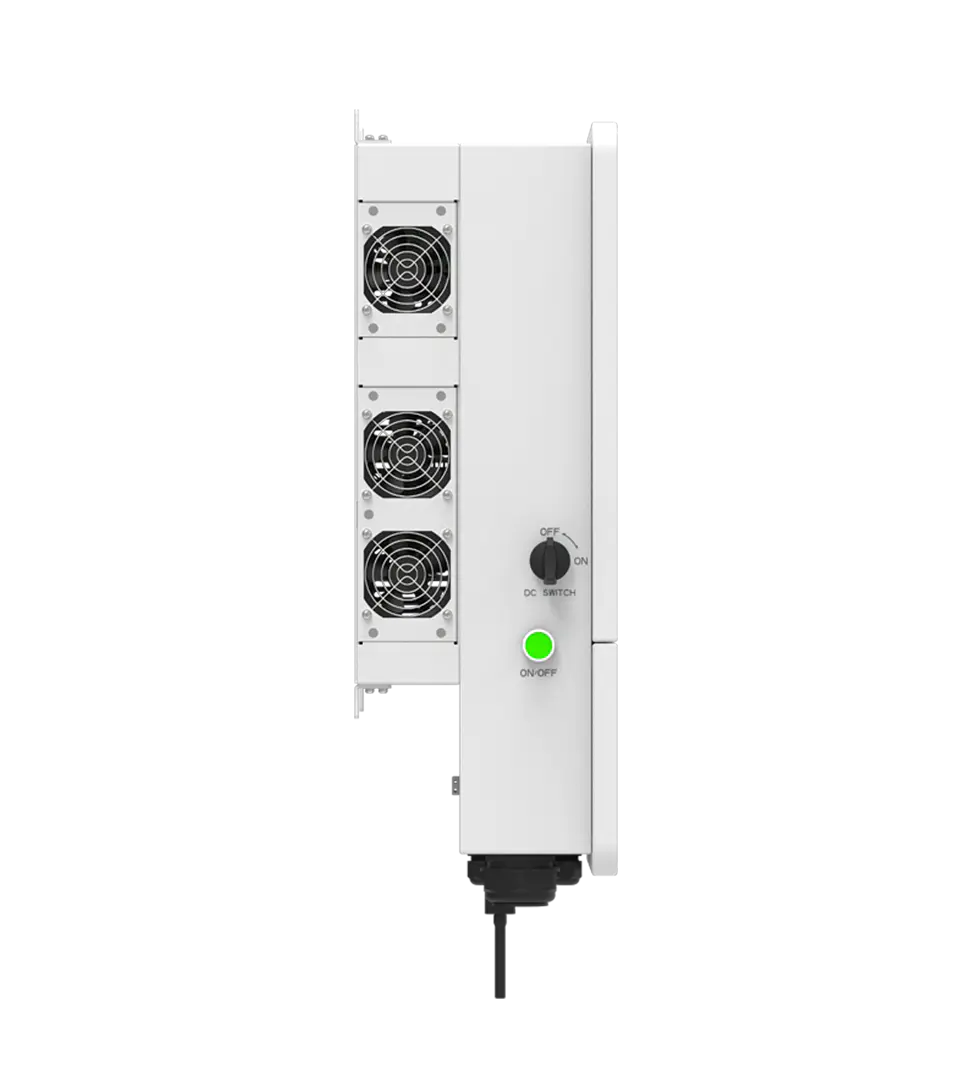
FAQ
How much can a hybrid inverter improve overall system efficiency compared to separate components?
A hybrid inverter typically improves overall system efficiency by 8-15% compared to systems using separate solar inverters, battery chargers, and transfer switches. This improvement comes from eliminating multiple conversion stages, reducing electrical losses, and optimizing power flow through integrated control algorithms. The exact efficiency gain depends on system design, component quality, and operating conditions, but most installations see measurable improvements in energy utilization and cost savings.
What role does battery management play in the efficiency improvements of a hybrid inverter?
Battery management is crucial for efficiency improvements in hybrid inverter systems. Advanced battery management algorithms optimize charging and discharging cycles to minimize energy losses, typically achieving 94-96% charging efficiency. The system prevents harmful deep discharge cycles, manages temperature compensation, and coordinates battery operation with solar production and grid conditions to maximize energy utilization while extending battery life and maintaining peak performance.
Can a hybrid inverter maintain high efficiency across different weather conditions and seasonal variations?
Yes, hybrid inverters incorporate adaptive technologies that maintain high efficiency across varying environmental conditions. Multi-MPPT tracking algorithms continuously optimize solar panel output regardless of cloud cover or shading, while temperature compensation features adjust operation for seasonal variations. The system's ability to seamlessly switch between solar, battery, and grid power sources ensures consistent efficiency performance throughout different weather patterns and seasonal energy availability cycles.
How does grid integration capability contribute to the overall efficiency of a hybrid inverter system?
Grid integration capabilities significantly enhance hybrid inverter efficiency through time-of-use optimization, peak shaving, and power quality improvements. The system automatically shifts energy consumption to low-cost periods, exports excess solar energy when economically advantageous, and provides grid stability services that improve overall electrical system efficiency. These features can reduce electricity costs by 30-50% while contributing to broader grid efficiency improvements in the local distribution network.
Table of Contents
- Intelligent Power Management Architecture
- Battery Storage Optimization Mechanisms
- Grid Integration and Peak Shaving Benefits
- System-Level Efficiency Improvements
-
FAQ
- How much can a hybrid inverter improve overall system efficiency compared to separate components?
- What role does battery management play in the efficiency improvements of a hybrid inverter?
- Can a hybrid inverter maintain high efficiency across different weather conditions and seasonal variations?
- How does grid integration capability contribute to the overall efficiency of a hybrid inverter system?