 EN
EN

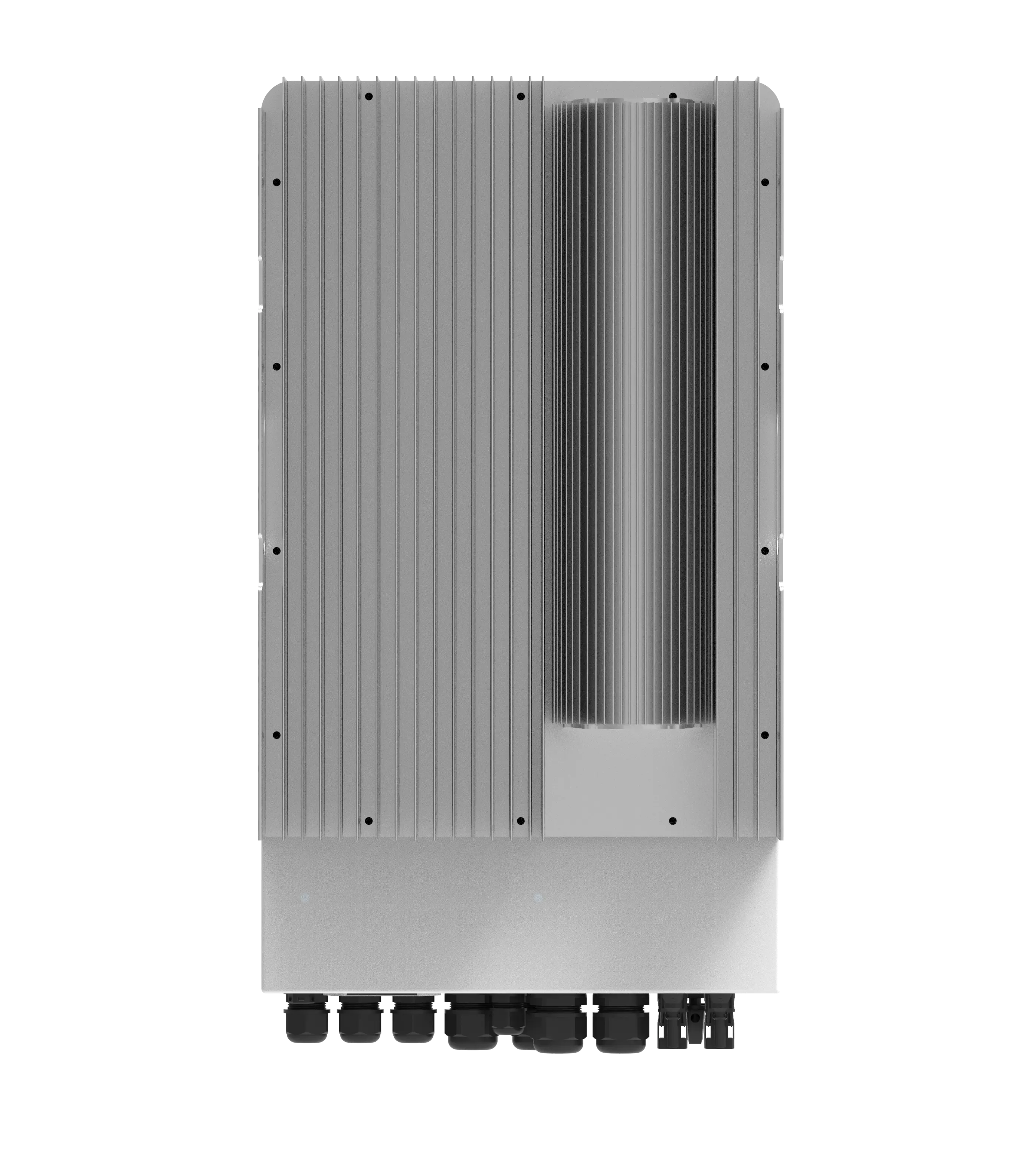
As we approach 2026, the solar energy landscape is experiencing unprecedented growth alongside rising energy costs and grid instability challenges. Solar installations are no longer just about environmental responsibility—they've become essential for energy security and cost management. In this evolving energy ecosystem, a hybrid inverter emerges as the critical component that transforms a basic solar array into a comprehensive energy management system capable of handling the complex demands of modern energy consumption patterns.
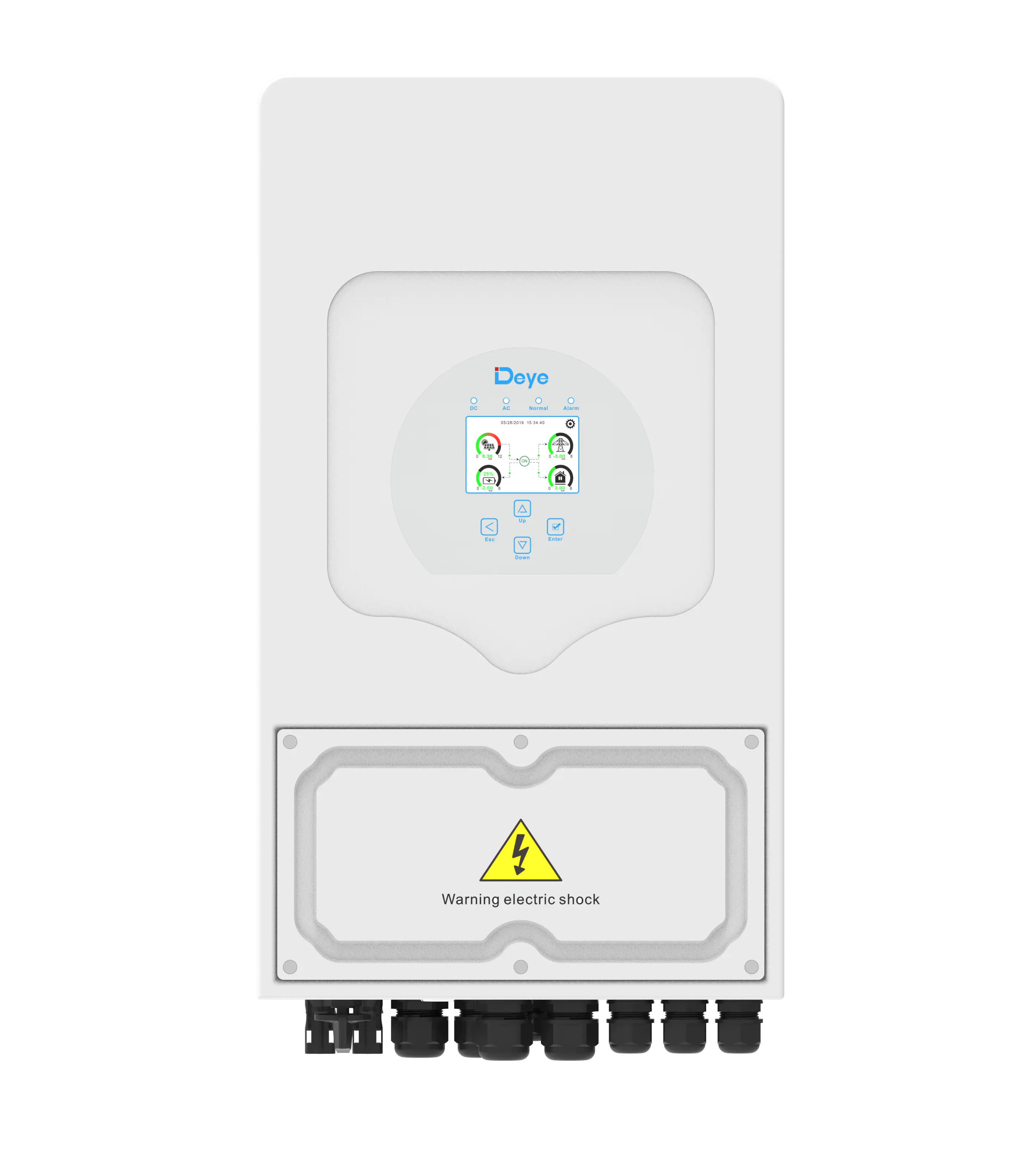
The traditional string inverter, while functional, falls short of meeting the sophisticated energy management requirements that property owners face in 2026. Grid outages, time-of-use pricing, and peak demand charges create scenarios where a simple grid-tied system leaves significant value on the table. A hybrid inverter addresses these limitations by integrating multiple energy sources and storage capabilities into a single, intelligent platform that optimizes energy flow based on real-time conditions and user-defined priorities.
Energy Independence and Grid Resilience Requirements
Power Outage Protection in Critical Applications
Modern businesses and households operate increasingly sophisticated electronic systems that cannot tolerate power interruptions. From home offices requiring continuous internet connectivity to medical equipment demanding uninterrupted power supply, the cost of grid outages extends far beyond inconvenience. A hybrid inverter maintains critical loads during grid failures by automatically switching to battery power, ensuring seamless operation without the noise, emissions, and maintenance requirements of traditional backup generators.
The frequency and duration of power outages have increased significantly due to extreme weather events and aging grid infrastructure. Unlike basic solar systems that shut down during outages for safety reasons, a hybrid inverter creates an isolated microgrid that continues operating independently. This capability becomes particularly valuable for businesses where downtime translates directly to revenue loss and for households with vulnerable family members who depend on powered medical devices.
Grid Instability and Voltage Fluctuations
Electrical grids in many regions experience increasing instability as renewable energy penetration grows without adequate grid modernization. Voltage fluctuations, frequency variations, and power quality issues can damage sensitive electronics and reduce equipment lifespan. A hybrid inverter incorporates advanced power conditioning features that filter and stabilize the electricity supply, protecting connected equipment from grid-related power quality problems.
The intelligent monitoring capabilities of a hybrid inverter enable real-time detection of grid anomalies, automatically disconnecting from poor-quality grid power when necessary. This protective function prevents equipment damage while maintaining power supply through battery storage or direct solar generation. As grid infrastructure continues aging in many regions, this protection becomes increasingly valuable for preserving expensive electronic equipment and maintaining operational continuity.
Economic Optimization Through Intelligent Energy Management
Time-of-Use Rate Arbitrage
Utility companies increasingly implement time-of-use pricing structures where electricity costs vary dramatically throughout the day. Peak pricing periods often coincide with solar generation decline, creating significant cost penalties for properties with high evening energy consumption. A hybrid inverter enables strategic battery charging during low-cost periods and discharge during high-cost periods, effectively eliminating exposure to peak electricity rates.
The sophisticated energy management algorithms within modern hybrid inverter systems analyze historical usage patterns, weather forecasts, and utility rate structures to optimize charging and discharging schedules automatically. This optimization occurs continuously, adapting to changing conditions and usage patterns without requiring manual intervention. Properties implementing this strategy typically reduce their electricity costs by thirty to sixty percent compared to basic grid-tied solar systems.
Demand Charge Reduction and Peak Shaving
Commercial properties often face substantial demand charges based on their highest power consumption during specific time windows. These charges can represent fifty percent or more of the total electricity bill, making demand management critical for cost control. A hybrid inverter addresses demand charges through peak shaving, automatically supplying stored energy when consumption approaches predetermined thresholds, thereby reducing the maximum demand recorded by the utility meter.
The real-time monitoring capabilities of a hybrid inverter enable precise load management that responds within milliseconds to prevent demand spikes. This rapid response capability ensures that brief high-power events, such as motor starting or HVAC system cycling, do not trigger expensive demand penalties. The cumulative savings from demand charge reduction often justify the hybrid inverter investment within two to three years for commercial applications.
Maximizing Solar Energy Utilization and Storage Integration
Self-Consumption Optimization
Net metering compensation rates continue declining in many jurisdictions, reducing the economic value of excess solar energy sent to the grid. Simultaneously, retail electricity rates continue rising, creating an increasing differential between the value of self-consumed versus exported solar energy. A hybrid inverter maximizes the economic value of solar generation by prioritizing on-site consumption and storing excess energy for later use when solar production cannot meet demand.
The intelligent load management features of a hybrid inverter can automatically activate discretionary loads, such as water heating or electric vehicle charging, when excess solar energy is available. This automatic optimization ensures maximum solar energy utilization without requiring constant manual intervention. By reducing dependence on grid electricity and maximizing solar self-consumption, properties achieve higher returns on their solar investment while reducing their environmental impact.
Battery Storage System Integration
Battery technology costs have declined dramatically while performance and lifespan have improved significantly, making energy storage increasingly attractive for both residential and commercial applications. However, realizing the full potential of battery storage requires sophisticated charge management, thermal protection, and cycle optimization that basic charge controllers cannot provide. A hybrid inverter incorporates advanced battery management systems that extend battery life while maximizing energy storage efficiency.
Modern hybrid inverter systems support multiple battery chemistries and can manage complex battery configurations including parallel strings and mixed battery banks. The integrated monitoring capabilities provide detailed battery health information, predictive maintenance alerts, and performance optimization recommendations. This comprehensive battery management ensures maximum return on storage investment while minimizing the risk of premature battery failure due to improper charging or environmental conditions.
Future-Proofing and Scalability Considerations
Electric Vehicle Integration and Smart Home Compatibility
Electric vehicle adoption continues accelerating, creating new energy management challenges and opportunities for property owners. EV charging represents a significant electrical load that can overwhelm electrical service capacity if not managed properly. A hybrid inverter can coordinate EV charging with solar generation and battery storage, ensuring optimal charging timing while preventing electrical service overloads and minimizing grid electricity consumption.
Smart home technology integration enables a hybrid inverter to communicate with home automation systems, coordinating energy consumption with available solar generation and stored energy. This integration allows for sophisticated load scheduling that maximizes energy efficiency while maintaining comfort and convenience. As smart home adoption increases, the ability to integrate energy management with broader home automation systems becomes increasingly valuable for optimizing overall household energy consumption.
Grid Services and Virtual Power Plant Participation
Utility companies increasingly recognize the value of distributed energy resources for grid stability and peak demand management. Programs that compensate property owners for providing grid services through their hybrid inverter systems are expanding rapidly, creating new revenue opportunities beyond basic energy savings. These programs typically involve automated participation in demand response events or frequency regulation services that help stabilize the electrical grid.
Virtual power plant programs aggregate multiple hybrid inverter systems to create dispatchable capacity that utilities can call upon during peak demand or emergency conditions. Participation in these programs can provide additional income while supporting grid reliability and reducing the need for expensive peaking power plants. As these programs expand and mature, early adoption of hybrid inverter technology positions property owners to benefit from emerging grid service opportunities.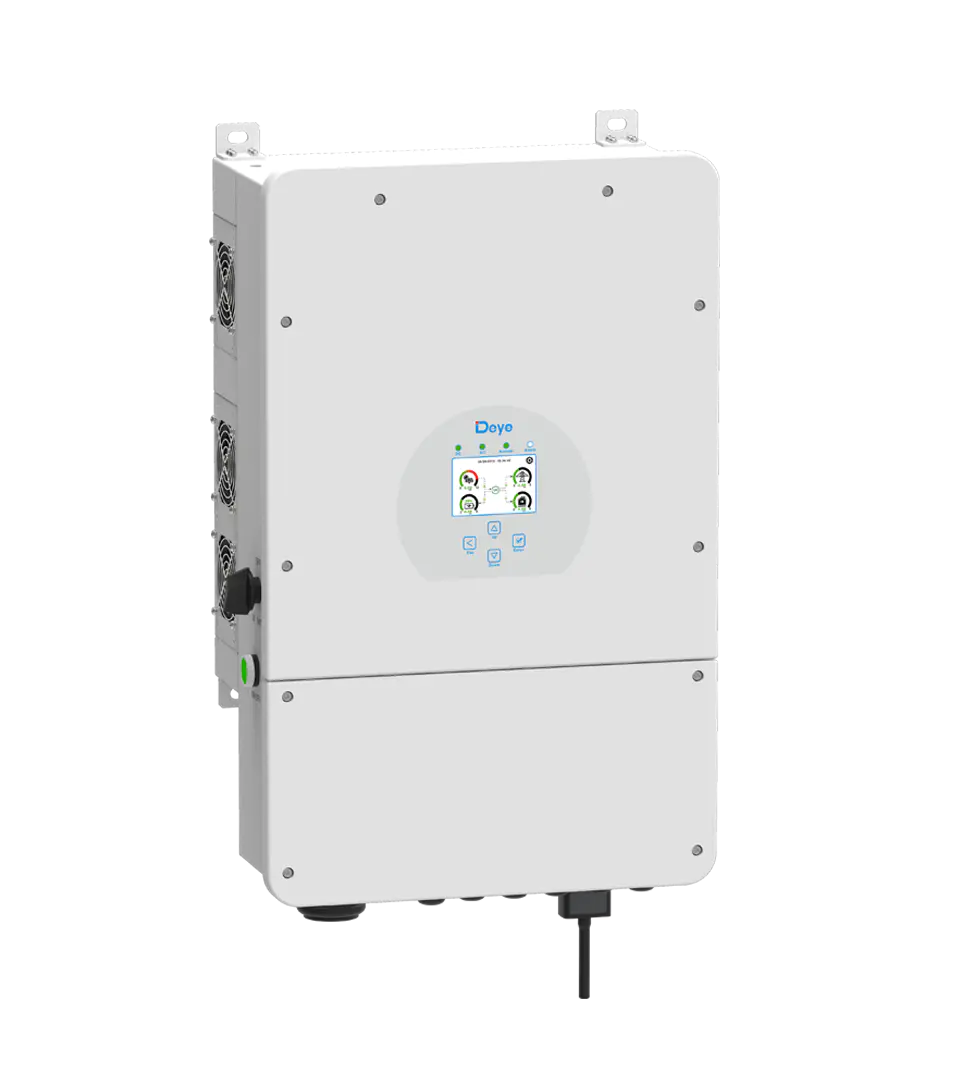
FAQ
What makes a hybrid inverter different from a regular solar inverter?
A hybrid inverter combines the functions of a solar inverter, battery charger, and backup power system into a single integrated unit. Unlike regular solar inverters that only convert DC solar power to AC grid power, a hybrid inverter can also charge batteries from solar or grid power, provide backup power during outages, and intelligently manage energy flow between solar panels, batteries, and electrical loads. This integration enables sophisticated energy management strategies that maximize solar utilization and minimize electricity costs.
Can a hybrid inverter work without batteries initially?
Yes, most hybrid inverter systems can operate as grid-tied solar inverters without batteries initially, with the option to add battery storage later. This flexibility allows property owners to install the hybrid inverter infrastructure upfront while deferring battery investment until energy storage becomes more economically attractive or necessary. The hybrid inverter will function as a standard grid-tied inverter until batteries are connected, at which point the advanced energy management features become available.
How much can a hybrid inverter reduce electricity bills?
Electricity bill reduction varies significantly based on local utility rates, solar system size, battery capacity, and usage patterns, but typical savings range from forty to eighty percent compared to grid-only electricity consumption. Properties with time-of-use rates and high demand charges often see the greatest benefits, with some commercial installations achieving ninety percent or higher bill reduction through strategic energy management. The exact savings depend on the ability to shift energy consumption to periods when solar generation or low-cost stored energy is available.
What happens during extended power outages with a hybrid inverter?
During extended outages, a hybrid inverter continues providing power to critical loads as long as battery capacity remains available and solar generation can recharge the batteries. The system automatically prioritizes essential loads and can reduce power to non-critical equipment to extend backup duration. Most hybrid inverter systems include energy management features that balance load requirements with available solar generation and battery capacity to maximize backup duration during extended outages, potentially providing days or weeks of backup power depending on system sizing and load management.