 EN
EN

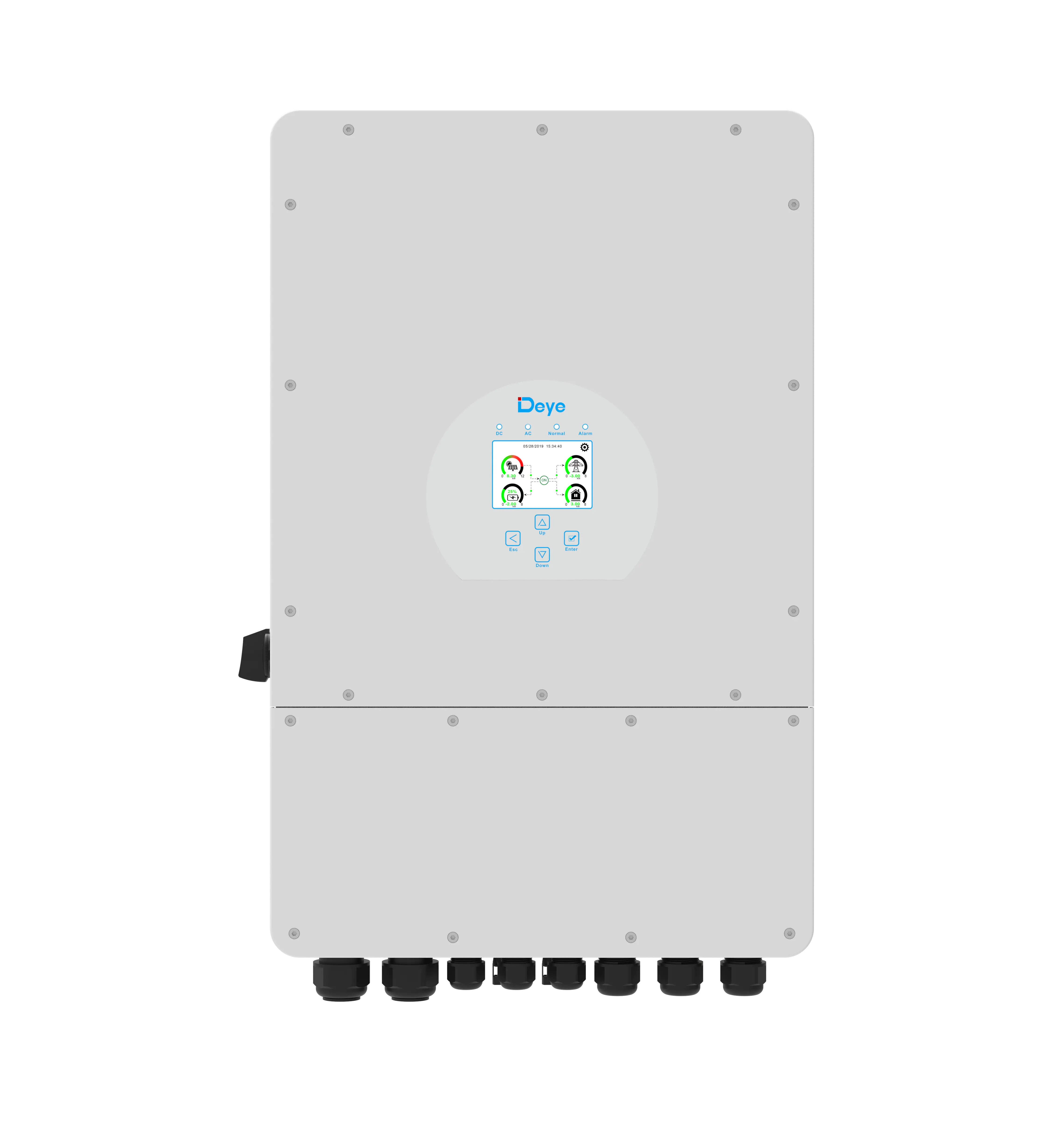
Determining the right time to invest in a battery inverter for backup power is a critical decision that depends on several key factors including your power reliability needs, budget considerations, and long-term energy goals. A battery inverter serves as the crucial bridge between stored battery power and your electrical devices, converting DC battery power into AC power that your home or business can use during outages or grid instabilities.
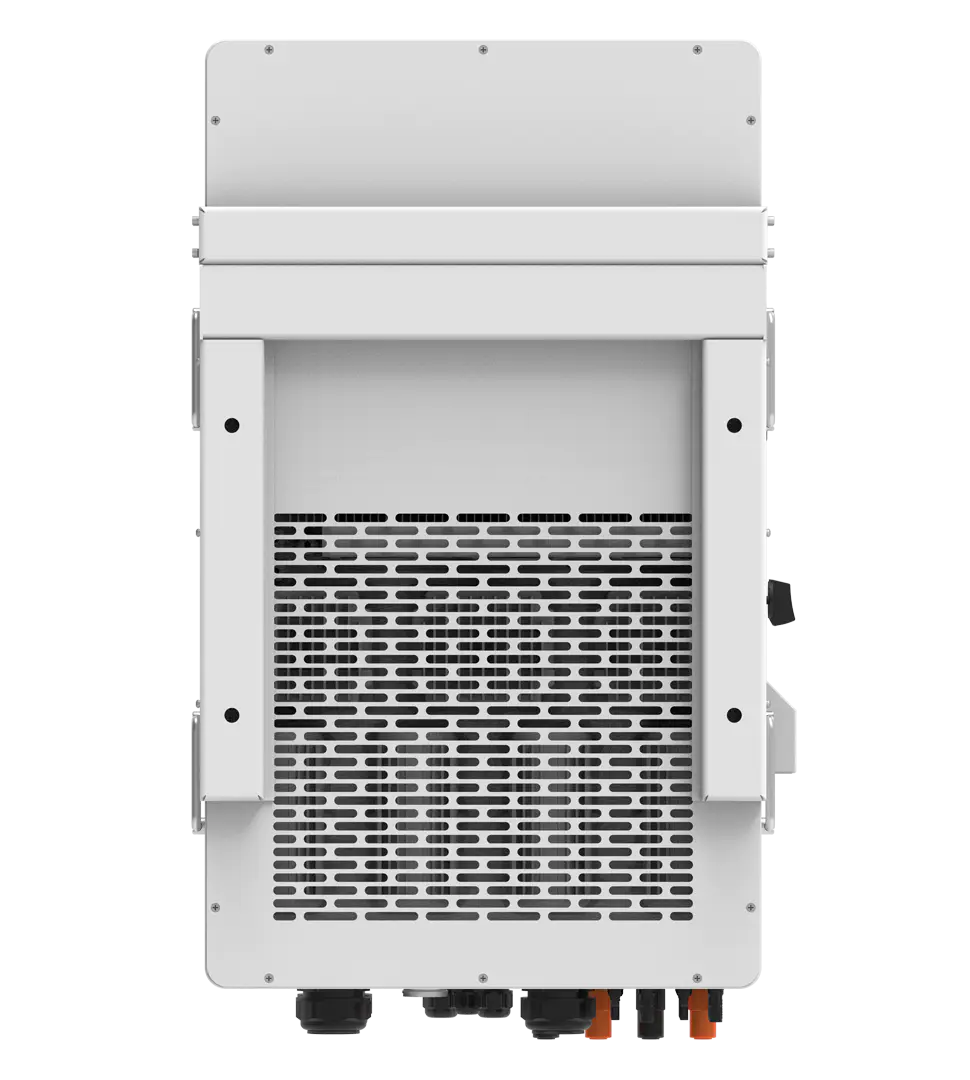
The timing of your battery inverter purchase significantly impacts both the immediate benefits you'll receive and the long-term value of your investment. Understanding when to make this purchase requires evaluating your current power situation, anticipated future needs, and the optimal market conditions for acquiring the most suitable battery inverter system for your specific requirements.
Assessing Your Current Power Reliability Situation
Frequency and Duration of Power Outages
The frequency and duration of power outages in your area directly influence when you should purchase a battery inverter. If you experience power outages more than three times per year, or if typical outages last longer than four hours, investing in a battery inverter becomes increasingly justified. Areas prone to severe weather events, aging electrical infrastructure, or high electrical demand often experience more frequent disruptions.
Document your power outage history over the past two years to establish a pattern. Short outages lasting less than an hour may not warrant immediate battery inverter investment, but extended outages that affect your productivity, food storage, or critical systems indicate an urgent need for backup power solutions.
Consider the seasonal patterns of outages in your region. If outages cluster during specific seasons due to storms, heat waves, or maintenance schedules, timing your battery inverter purchase before these high-risk periods ensures you're prepared when reliability matters most.
Critical Load Requirements
Evaluate which electrical loads in your home or business are truly critical and cannot tolerate interruption. Essential systems typically include refrigeration, medical equipment, security systems, communication devices, and heating or cooling systems. The power requirements of these critical loads determine both the size of battery inverter you need and the urgency of your purchase decision.
Calculate the total wattage of your critical loads and their typical runtime requirements. A battery inverter must handle both the continuous power draw and any surge requirements when motors or compressors start. This assessment helps you understand not just when to buy, but what capacity battery inverter will meet your needs effectively.
Consider future changes to your critical load profile. Planned additions of electric vehicles, home offices, or medical equipment may increase your backup power needs, making earlier battery inverter investment more economically sensible than waiting and requiring system upgrades later.
Financial Readiness and Budget Timing
Initial Investment Considerations
The financial timing for battery inverter purchase involves balancing upfront costs against the value of power security. Quality battery inverter systems require substantial initial investment, typically ranging from several thousand to tens of thousands of dollars depending on capacity and features. Assess your available capital and financing options before committing to a purchase timeline.
Consider seasonal pricing patterns in the battery inverter market. Demand often peaks before hurricane season and during winter months in regions with weather-related outages. Purchasing during off-peak periods may yield better pricing and faster installation scheduling. Spring and fall often provide optimal purchasing windows with competitive pricing and good installer availability.
Evaluate available incentives and rebates that might influence your purchase timing. Federal tax credits, state rebates, and utility incentive programs can significantly reduce the effective cost of battery inverter systems. These programs often have specific deadlines or funding limitations, making timing crucial for maximizing financial benefits.
Return on Investment Calculations
Calculate the potential savings and avoided costs that justify your battery inverter investment. Consider the value of prevented food spoilage, avoided business downtime, reduced generator fuel costs, and increased property value. These benefits accumulate over time, but their urgency depends on your specific situation and risk tolerance.
Compare the cost of battery inverter ownership against alternatives like portable generators, fuel-based backup systems, or simply accepting outage risks. Factor in ongoing maintenance costs, fuel expenses, and convenience factors. A battery inverter often provides superior long-term value despite higher upfront costs, particularly when you account for automatic operation and maintenance simplicity.
Consider the escalating costs of outage-related damages and inconveniences. As our dependence on electrical devices increases, the cost of power interruptions grows proportionally. Early battery inverter investment may prove more cost-effective than waiting until outage impacts become severe enough to force emergency purchases at premium prices.
Seasonal and Market Timing Factors
Weather-Related Purchase Windows
Seasonal weather patterns significantly influence optimal battery inverter purchase timing. In regions prone to hurricanes, installing your battery inverter system well before hurricane season ensures you're protected during the most vulnerable period. Similarly, areas with severe winter weather should complete installations before cold weather affects both system performance and installer availability.
Spring installation offers several advantages for battery inverter systems. Moderate temperatures facilitate optimal installation conditions, installer schedules are typically less constrained, and you have time to familiarize yourself with system operation before peak outage seasons. Additionally, battery inverter systems often perform more efficiently in moderate temperatures during initial break-in periods.
Consider the lead times required for battery inverter procurement and installation. Custom systems may require 8-12 weeks from order to completion, while standard configurations might install within 4-6 weeks. Planning your purchase timeline around these lead times ensures your system is operational when you need it most, rather than arriving after critical weather events.
Technology and Market Maturity
The battery inverter market continues evolving rapidly with improvements in efficiency, capacity, and cost-effectiveness. However, waiting indefinitely for the next generation technology can leave you vulnerable to outages that current technology could prevent. Evaluate whether existing battery inverter technology meets your needs adequately, rather than delaying for marginal improvements.
Monitor market trends that might influence battery inverter pricing and availability. Supply chain disruptions, material costs, and manufacturing capacity all affect market timing. Current market conditions may favor immediate purchase, while anticipated changes might suggest waiting for better pricing or improved product availability.
Consider the stability and maturity of battery inverter manufacturers and installers in your area. Established companies with proven track records provide better long-term support and warranty service. Purchasing from mature market players reduces risks associated with newer companies that might not provide adequate long-term support for your battery inverter investment.
System Integration and Installation Readiness
Electrical Infrastructure Preparation
Assess your existing electrical infrastructure's readiness for battery inverter installation. Older homes may require electrical panel upgrades, dedicated circuits, or grounding improvements before battery inverter installation. These prerequisite improvements affect both your timeline and total investment, influencing optimal purchase timing.
Coordinate battery inverter installation with planned electrical work or home renovations. Installing your system during broader electrical upgrades can reduce overall installation costs and minimize disruption. However, ensure that other work doesn't delay your battery inverter installation beyond critical weather periods or outage-prone seasons.
Consider permitting and inspection requirements in your area. Some jurisdictions have lengthy permitting processes that can delay battery inverter installation by several weeks or months. Begin permit applications early in your planning process to avoid installation delays, particularly if you're targeting installation before specific seasonal deadlines.
Solar Integration Timing
If you're considering solar power integration with your battery inverter, coordinate the timing of both systems for optimal value and functionality. Installing both systems simultaneously often reduces overall costs and ensures proper integration from the beginning. However, battery inverter systems can provide immediate backup power benefits even without solar integration.
Evaluate whether your current or planned solar installation can support battery inverter integration. Some older solar systems may require modifications or upgrades to work effectively with modern battery inverter technology. Understanding these requirements helps you plan the optimal timing for battery inverter addition to your energy system.
Consider solar incentive timing if you're planning integrated systems. Solar incentives often have different timelines than battery incentives, and coordinating both can maximize your total system value. However, don't delay critical battery inverter installation solely for solar integration if backup power needs are urgent.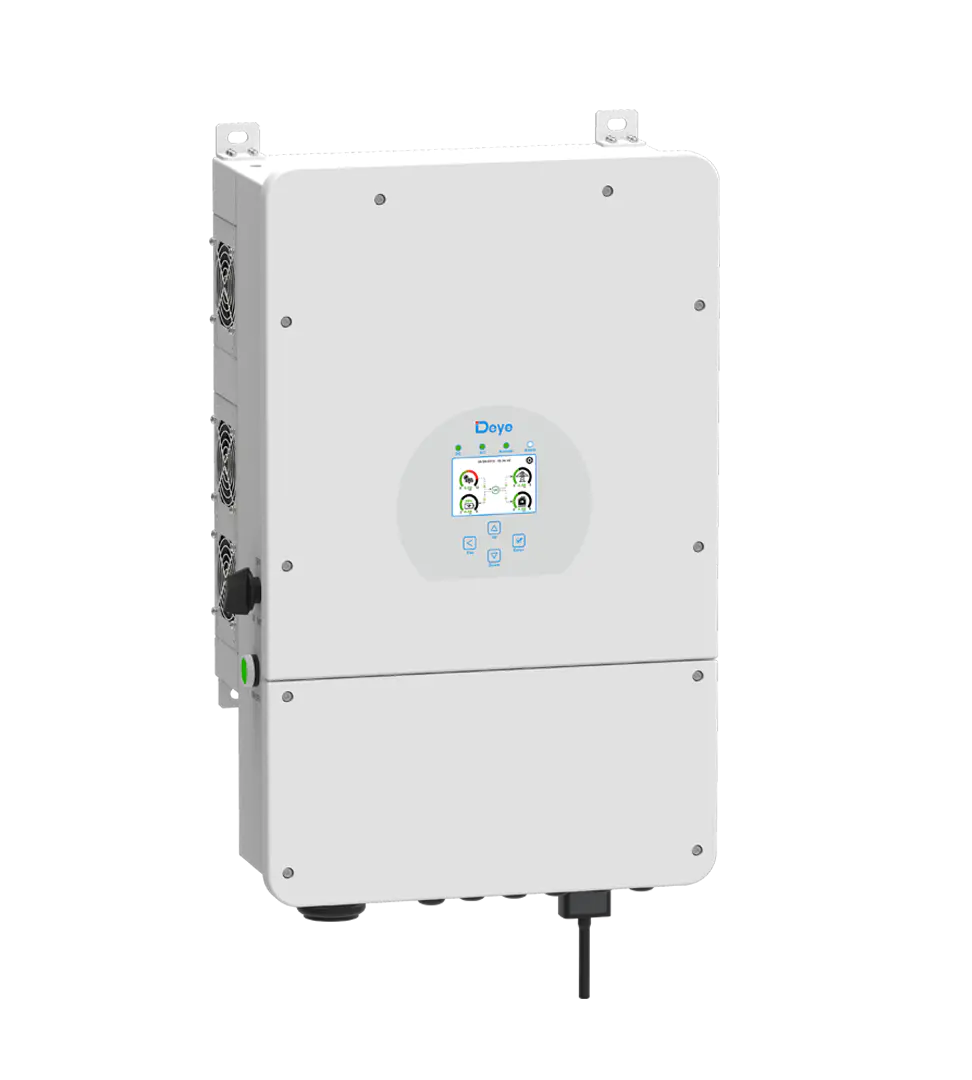
FAQ
Should I wait for battery prices to drop before buying a battery inverter?
While battery prices have generally declined over recent years, the rate of decrease has slowed significantly, and current prices are relatively stable. If you have immediate backup power needs or experience frequent outages, the benefits of having a battery inverter now typically outweigh potential future savings from waiting. Consider that outage costs and inconveniences continue accumulating while you wait, often exceeding any price savings you might achieve by delaying your purchase.
How do I know if my electrical system can handle a battery inverter installation?
Most modern electrical systems can accommodate battery inverter installations with minimal modifications, but older homes built before 1990 may require electrical panel upgrades or additional circuits. Contact a qualified electrician to assess your electrical system's capacity and identify any necessary upgrades. The electrical assessment should happen early in your planning process since required upgrades can affect both timeline and total investment costs for your battery inverter system.
Is there an optimal time of year to purchase and install a battery inverter?
Spring and early summer typically offer the best combination of favorable installation weather, contractor availability, and competitive pricing for battery inverter systems. This timing allows system installation and testing before peak outage seasons while avoiding the rushed demand and premium pricing common before major storm seasons. However, if you're experiencing frequent outages or have critical power needs, immediate installation regardless of season provides more value than waiting for optimal timing.
Can I install a battery inverter myself or do I need professional installation?
Battery inverter installation requires professional electrical work due to safety requirements, local building codes, and warranty considerations. Licensed electricians ensure proper system grounding, electrical connections, and code compliance while maintaining manufacturer warranties. Attempting DIY installation of a battery inverter system can result in safety hazards, code violations, and voided warranties, making professional installation essential for safe and reliable operation.
Table of Contents
- Assessing Your Current Power Reliability Situation
- Financial Readiness and Budget Timing
- Seasonal and Market Timing Factors
- System Integration and Installation Readiness
-
FAQ
- Should I wait for battery prices to drop before buying a battery inverter?
- How do I know if my electrical system can handle a battery inverter installation?
- Is there an optimal time of year to purchase and install a battery inverter?
- Can I install a battery inverter myself or do I need professional installation?