 EN
EN

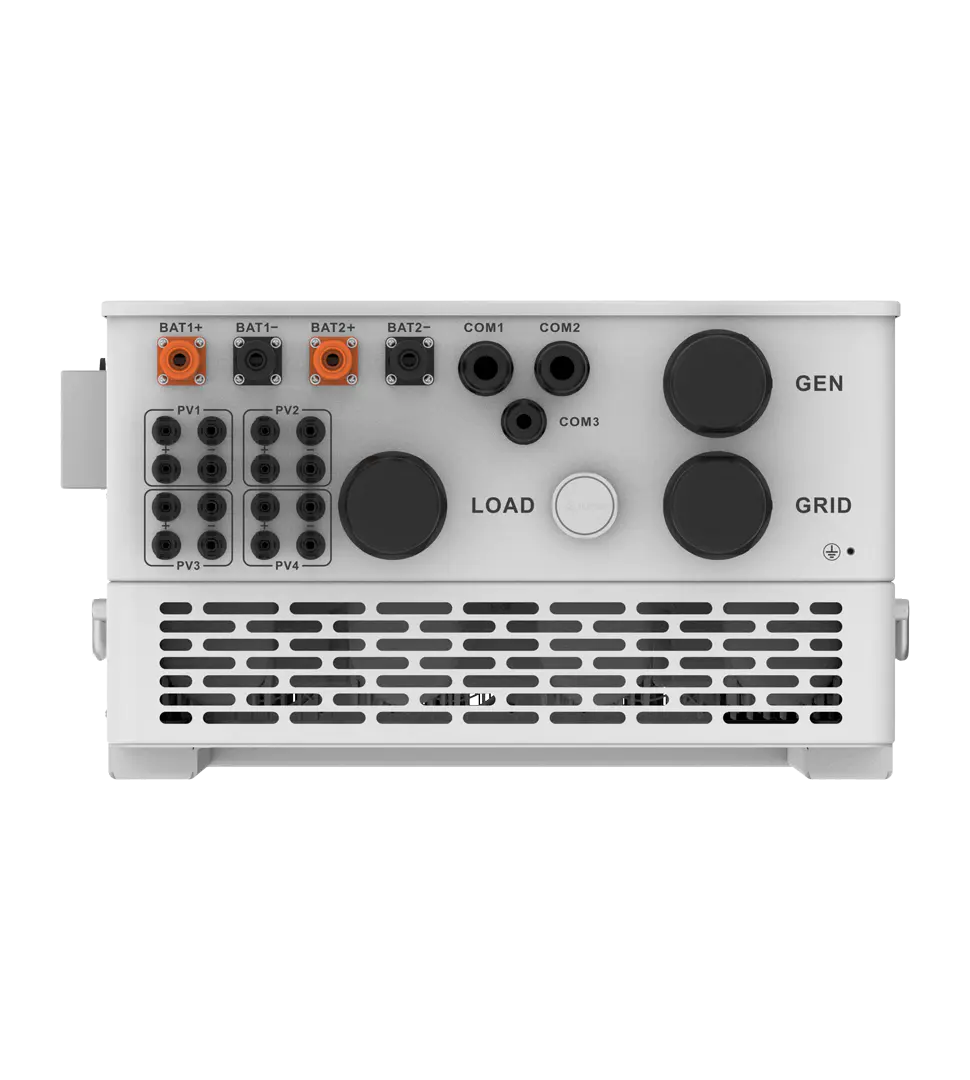
Selecting the correct battery inverter size is crucial for optimal power system performance and efficiency. The right battery inverter ensures your energy storage system operates smoothly while providing adequate power for your electrical loads. Understanding load requirements, power calculations, and system compatibility factors will guide you toward making an informed decision that maximizes your investment and energy independence.
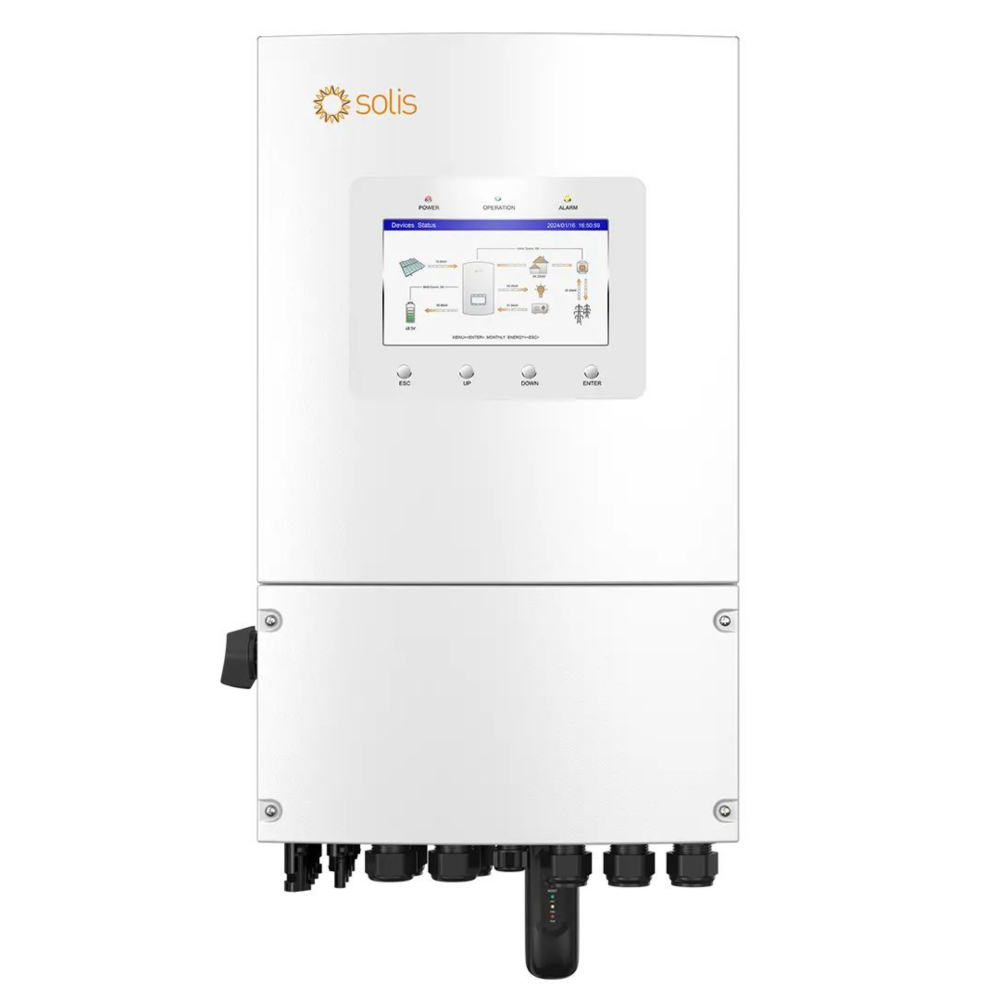
Proper battery inverter sizing involves analyzing your electrical consumption patterns, peak demand requirements, and future expansion needs. An undersized battery inverter will struggle to handle peak loads and may shut down during high-demand periods, while an oversized unit represents unnecessary expense and reduced efficiency. This comprehensive approach ensures your battery inverter delivers reliable performance while maintaining cost-effectiveness and system longevity.
Understanding Battery Inverter Load Requirements
Calculating Your Total Power Consumption
Begin your battery inverter sizing process by conducting a thorough load analysis of all electrical devices and appliances you plan to power. List every item with its wattage rating, typical operating hours, and usage frequency throughout the day. Essential loads like refrigeration, lighting, and communication equipment should receive priority consideration when determining your battery inverter capacity requirements.
Consider both continuous loads that operate for extended periods and intermittent loads that cycle on and off throughout the day. Your battery inverter must handle the combined power draw when multiple devices operate simultaneously. Motor-driven appliances like pumps, compressors, and power tools often require startup surge power that can be three to five times their running wattage, significantly impacting your battery inverter sizing calculations.
Document seasonal variations in your electrical consumption patterns, as heating and cooling systems can dramatically alter your power requirements. Summer air conditioning loads or winter heating demands may represent your peak consumption periods, requiring your battery inverter to accommodate these higher capacity needs without compromising system reliability or performance.
Identifying Peak Demand Scenarios
Peak demand analysis involves identifying the maximum simultaneous power draw your battery inverter will encounter during normal operations. This typically occurs when multiple high-wattage appliances operate concurrently, creating the highest instantaneous load on your battery inverter system. Understanding these peak scenarios ensures your battery inverter can handle real-world operating conditions without overloading or shutting down.
Morning and evening hours often represent peak consumption periods when lighting, cooking appliances, entertainment systems, and charging devices operate simultaneously. Your battery inverter must accommodate these demand spikes while maintaining stable voltage and frequency output. Factor in unexpected load additions that might occur during emergency situations or temporary equipment connections.
Consider the diversity factor in your calculations, recognizing that not all connected loads will operate at maximum capacity simultaneously under normal circumstances. However, your battery inverter should still provide adequate headroom above typical peak demands to ensure reliable operation during unusual but possible high-consumption scenarios.
Battery Inverter Power Rating Considerations
Continuous vs Surge Power Specifications
Battery inverter manufacturers specify both continuous and surge power ratings, each serving different operational requirements. Continuous power represents the sustained output your battery inverter can deliver indefinitely under normal operating conditions and ambient temperatures. This rating determines your system's ability to handle steady-state loads like lighting, electronics, and continuously operating appliances.
Surge power ratings indicate your battery inverter's ability to handle brief periods of elevated power demand, typically lasting from seconds to a few minutes. This capability proves essential for starting motor-driven equipment like refrigerator compressors, well pumps, or power tools that require significant startup current. Your battery inverter selection must accommodate both continuous load requirements and anticipated surge demands.
Temperature derating affects battery inverter performance, with higher ambient temperatures reducing available output power. Review manufacturer specifications for temperature coefficients and consider your installation environment when evaluating continuous power ratings. Proper ventilation and cooling considerations ensure your battery inverter maintains rated performance across expected operating temperature ranges.
Efficiency and Power Loss Factors
Battery inverter efficiency directly impacts system performance and energy consumption, with higher efficiency units converting more battery power into usable AC output. Modern battery inverter systems typically achieve 90-95% efficiency under optimal conditions, but efficiency varies with load levels and operating conditions. Consider these efficiency characteristics when sizing your battery inverter to ensure adequate power delivery.
Power factor considerations affect battery inverter sizing when dealing with inductive loads like motors, transformers, and fluorescent lighting. These loads require additional reactive power that doesn't perform useful work but still contributes to your battery inverter's apparent power rating. Understanding your load power factor helps ensure proper battery inverter sizing for mixed resistive and inductive load combinations.
Standby power consumption represents the energy your battery inverter uses while monitoring for load connections and maintaining readiness for operation. Though relatively small, this continuous draw affects overall system efficiency and battery runtime calculations. Modern battery inverter designs minimize standby consumption while maintaining rapid response to load connections.
System Compatibility and Integration Factors
Battery Bank Voltage Matching
Your battery inverter must match your battery bank voltage configuration to ensure proper system operation and optimal efficiency. Common battery bank voltages include 12V, 24V, and 48V systems, with higher voltages typically offering better efficiency and reduced current requirements. The battery inverter voltage rating must correspond exactly to your battery bank nominal voltage for safe and efficient operation.
Higher voltage battery inverter systems require fewer current-carrying conductors and experience reduced power losses in DC wiring, making them more suitable for larger installations. However, lower voltage battery inverter systems may offer simpler installation and maintenance procedures for smaller applications. Consider your system size, cable run lengths, and expansion plans when selecting appropriate voltage levels.
Battery chemistry compatibility affects charging requirements and operational characteristics that influence battery inverter selection. Lithium-ion, lead-acid, and other battery technologies have different voltage profiles, charging algorithms, and communication protocols that your battery inverter must accommodate. Verify compatibility between your chosen battery inverter and battery system specifications.
Installation Environment and Safety Requirements
Environmental conditions significantly impact battery inverter performance, reliability, and service life. Temperature extremes, humidity levels, and exposure to dust or corrosive atmospheres affect component longevity and operational characteristics. Select battery inverter models rated for your specific installation environment, considering both normal and extreme weather conditions.
Ventilation requirements ensure proper battery inverter cooling and prevent overheating during high-load operations. Adequate clearances around your battery inverter allow natural or forced air circulation to maintain safe operating temperatures. Consider noise levels from cooling fans when selecting battery inverter locations near living or working spaces.
Safety certifications and compliance with local electrical codes ensure your battery inverter meets required safety standards for your installation type and location. UL listing, CE marking, and other relevant certifications indicate proper testing and compliance with applicable safety requirements. Verify code compliance requirements in your jurisdiction before finalizing your battery inverter selection.
Future Expansion and Scalability Planning
Anticipating Load Growth
Future load expansion considerations help avoid costly battery inverter replacement when your power requirements grow over time. Plan for potential additions like electric vehicle charging, workshop equipment, or home office expansion that could significantly increase your electrical demands. Sizing your battery inverter with appropriate growth capacity prevents system limitations as your needs evolve.
Consider the timeline for anticipated expansions when evaluating battery inverter sizing options. Near-term additions within the next few years may justify immediate oversizing, while longer-term possibilities might be better addressed through modular system designs that allow incremental capacity increases. Balance initial investment costs against future expansion flexibility.
Seasonal or temporary load variations may require additional battery inverter capacity during specific periods. Holiday lighting, temporary equipment, or seasonal appliances can create periodic high-demand situations that exceed normal consumption patterns. Factor these variations into your sizing calculations to ensure adequate capacity during peak periods.
Modular System Design Options
Modular battery inverter systems allow incremental capacity expansion by adding parallel units as power requirements grow. This approach provides flexibility for uncertain future needs while minimizing initial investment costs. Multiple smaller battery inverter units can provide better load sharing and system redundancy compared to single large units.
Parallel battery inverter installations require proper synchronization and load sharing capabilities to ensure stable operation and balanced power distribution. Not all battery inverter models support parallel operation, so verify this capability when planning expandable systems. Consider communication requirements and master-slave configurations for coordinated operation.
Maintenance advantages of modular battery inverter systems include the ability to service individual units while maintaining partial system operation. This redundancy proves valuable for critical applications where continuous power availability is essential. Evaluate your reliability requirements against the complexity and cost of modular approaches.
FAQ
What size battery inverter do I need for my home?
The required battery inverter size depends on your total electrical load and peak power demands. Calculate the combined wattage of all devices you plan to operate simultaneously, add 20-30% safety margin, and consider startup surge requirements for motor-driven appliances. Most homes require battery inverter capacities between 3000W and 8000W, but larger homes with high-power appliances may need 10000W or more.
Can I use multiple smaller battery inverters instead of one large unit?
Yes, multiple smaller battery inverters can work effectively if they support parallel operation and proper synchronization. This modular approach offers expansion flexibility, maintenance advantages, and potentially lower initial costs. However, ensure all units are compatible models designed for parallel operation, and consider the additional complexity in wiring and system coordination compared to single-unit installations.
How much oversizing should I plan for my battery inverter?
Plan for 20-50% oversizing beyond your calculated peak loads to accommodate future expansion, unexpected load additions, and startup surge requirements. The exact oversizing percentage depends on your growth expectations, budget constraints, and system criticality. Conservative oversizing provides better long-term value but increases initial costs, while minimal oversizing saves money but limits future flexibility.
Do battery inverter efficiency ratings affect sizing decisions?
Yes, battery inverter efficiency directly impacts actual power delivery and battery runtime. A 90% efficient battery inverter requires 1111W of DC input to deliver 1000W of AC output, while a 95% efficient unit needs only 1053W. Higher efficiency battery inverters allow smaller battery banks for the same runtime or longer operation with existing batteries, making efficiency an important factor in overall system sizing and cost optimization.