 EN
EN

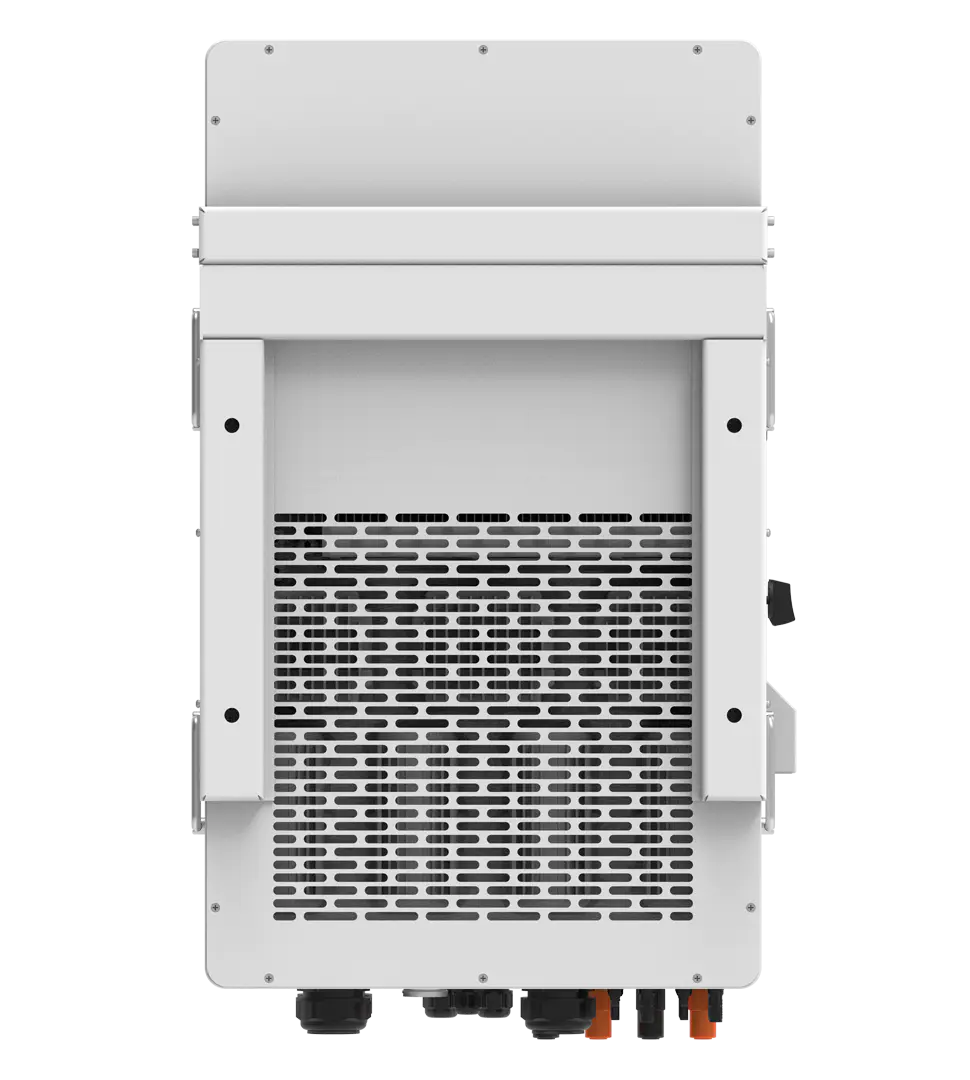
A good battery inverter for home use in 2026 represents a significant evolution from earlier models, incorporating advanced power management technologies, enhanced safety features, and intelligent grid-tie capabilities. Modern homeowners require battery inverter systems that can seamlessly integrate renewable energy sources while providing reliable backup power during outages. The definition of quality in battery inverter technology now encompasses efficiency ratings exceeding 95%, smart monitoring capabilities, and compatibility with various battery chemistries including lithium-ion and emerging solid-state technologies.
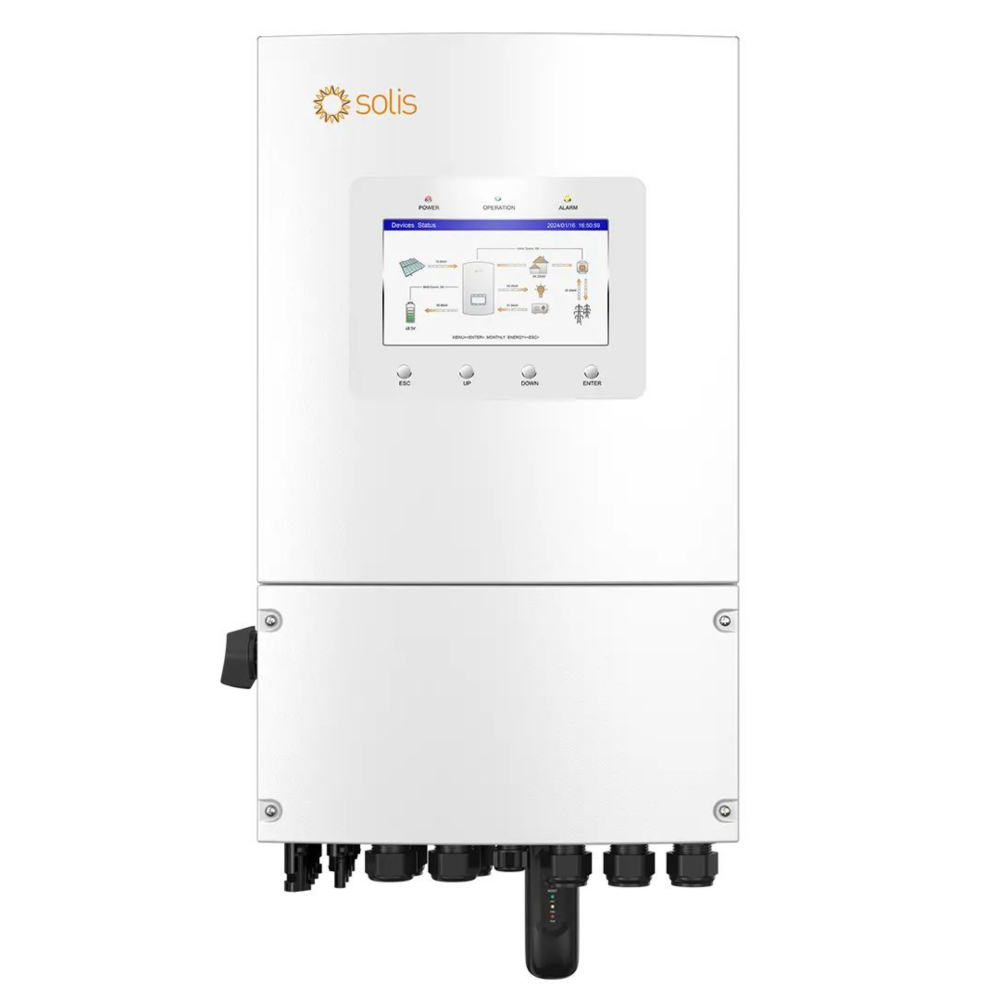
The residential energy landscape in 2026 demands battery inverter solutions that address multiple criteria including power conversion efficiency, surge capacity management, and long-term reliability under varying environmental conditions. Exceptional battery inverter systems now integrate artificial intelligence for predictive maintenance, advanced thermal management for extended lifespan, and modular design architectures that allow for system expansion as household energy needs evolve. Understanding these fundamental quality markers helps homeowners make informed decisions about their energy independence investments.
Core Technical Specifications That Define Quality
Power Conversion Efficiency Standards
The efficiency rating of a battery inverter directly impacts energy costs and system performance over its operational lifetime. Premium battery inverter units in 2026 achieve peak efficiency ratings between 96% and 98%, significantly reducing energy losses during DC to AC conversion processes. This high efficiency becomes particularly important in residential applications where every kilowatt-hour of stored energy represents direct cost savings and reduced grid dependency.
Modern battery inverter efficiency is measured across multiple load conditions, not just peak performance scenarios. Quality units maintain efficiency levels above 94% even at partial loads, ensuring optimal performance throughout daily energy cycling patterns. The European efficiency standard, which weights performance across various load conditions, provides a more realistic measure of real-world battery inverter performance than simple peak efficiency ratings.
Advanced maximum power point tracking algorithms in contemporary battery inverter systems ensure optimal energy harvesting from solar panels while simultaneously managing battery charging profiles. This dual optimization capability distinguishes superior battery inverter products from basic models that treat solar input and battery management as separate functions rather than integrated energy management processes.
Surge Capacity and Power Quality Management
Residential applications require battery inverter systems capable of handling sudden power demands from appliances like air conditioners, heat pumps, and electric vehicle chargers. Quality battery inverter units provide surge capacity ratings of 150% to 200% of continuous power output for periods of 5 to 10 seconds, enabling reliable operation of high-inrush current devices without system shutdowns or power quality degradation.
Power quality output from a superior battery inverter includes total harmonic distortion levels below 3%, ensuring compatibility with sensitive electronic equipment and compliance with utility interconnection standards. Clean sine wave output with minimal voltage and frequency variations protects connected devices while maintaining optimal performance of variable-speed motors and power supplies throughout the home.
Advanced battery inverter systems incorporate active power factor correction and reactive power compensation capabilities, contributing to overall electrical system stability and potentially reducing utility demand charges in areas with time-of-use pricing structures. These features demonstrate the evolution of battery inverter technology from simple power conversion devices to comprehensive energy management platforms.
Safety Features and Protection Mechanisms
Electrical Safety and Fault Protection
Comprehensive safety systems in modern battery inverter designs include multiple layers of protection against electrical faults, thermal events, and system malfunctions. Ground fault detection and interruption capabilities prevent dangerous electrical conditions while arc fault circuit interrupters identify and isolate potential fire hazards caused by loose connections or damaged wiring within the battery inverter system.
Isolation transformers in quality battery inverter units provide galvanic separation between DC and AC circuits, enhancing safety for maintenance personnel and reducing the risk of ground loops that can cause equipment damage or create safety hazards. Rapid shutdown capabilities ensure that DC voltages are reduced to safe levels within seconds of system disconnection, meeting current electrical codes and safety standards.
Overcurrent and overvoltage protection mechanisms in advanced battery inverter systems include both hardware-based circuit breakers and software-controlled protection algorithms that can respond to fault conditions within milliseconds. This multi-layered approach ensures system protection even in complex fault scenarios where multiple protection systems must coordinate their responses.
Thermal Management and Environmental Protection
Effective thermal management distinguishes quality battery inverter systems from basic models, particularly in residential installations where ambient temperatures and ventilation may vary significantly. Active cooling systems with variable-speed fans and intelligent temperature monitoring ensure optimal operating temperatures while minimizing noise levels that could disturb household occupants.
Environmental protection features in premium battery inverter units include IP65 or higher ingress protection ratings for outdoor installations, corrosion-resistant materials for coastal environments, and wide operating temperature ranges that accommodate extreme climate conditions. These protection features directly impact system reliability and maintenance requirements over the typical 20-year service life of residential energy storage systems.
Humidity control and condensation management within battery inverter enclosures prevent moisture-related failures and extend component lifespan. Quality manufacturers implement sealed designs with appropriate pressure relief systems and moisture-resistant component selections that maintain performance even in challenging environmental conditions.
Smart Technology Integration and Monitoring Capabilities
Advanced Monitoring and Data Analytics
Modern battery inverter systems provide comprehensive monitoring capabilities that enable homeowners to optimize energy usage patterns and identify potential issues before they impact system performance. Real-time data collection includes battery state of charge, charging and discharging rates, system efficiency metrics, and environmental conditions that affect battery inverter operation.
Cloud-based monitoring platforms connected to quality battery inverter systems offer predictive analytics that can forecast energy production and consumption patterns, recommend optimal charging schedules, and alert users to maintenance requirements. This intelligence transforms the battery inverter from a passive power conversion device into an active energy management system that learns and adapts to household usage patterns.
Historical performance tracking and trend analysis capabilities in advanced battery inverter monitoring systems help identify gradual performance degradation and optimize system settings for changing conditions. This data-driven approach to energy management maximizes return on investment while extending system lifespan through proactive maintenance scheduling.
Grid Interaction and Smart Home Integration
Quality battery inverter systems in 2026 support advanced grid interaction capabilities including frequency regulation, voltage support, and participation in demand response programs that can provide additional revenue streams for homeowners. These grid services require sophisticated control algorithms and communication protocols that distinguish premium battery inverter products from basic energy storage systems.
Integration with home energy management systems allows battery inverter units to coordinate with other smart devices including programmable thermostats, electric vehicle chargers, and smart appliances to optimize overall household energy consumption. This system-level approach to energy management maximizes the value of stored energy while maintaining comfort and convenience for residents.
Communication protocols in modern battery inverter systems support multiple standards including Modbus, CAN bus, and wireless protocols that enable integration with existing home automation platforms and utility communication systems. This connectivity ensures that battery inverter systems remain compatible with evolving smart grid technologies and home energy management platforms.
Battery Compatibility and Energy Management
Multi-Chemistry Battery Support
Leading battery inverter systems in 2026 support multiple battery chemistries including lithium iron phosphate, nickel manganese cobalt, and emerging solid-state technologies without requiring hardware modifications. This flexibility allows homeowners to select optimal battery technologies based on their specific requirements for energy density, cycle life, and cost considerations while maintaining compatibility with their battery inverter investment.
Advanced battery management algorithms in quality battery inverter systems optimize charging profiles for different battery chemistries, extending battery lifespan while maximizing available energy storage capacity. Temperature compensation, voltage regulation, and charge balancing capabilities ensure that battery systems operate within manufacturer specifications regardless of environmental conditions or usage patterns.
Modular battery expansion capabilities allow homeowners to increase energy storage capacity as their needs evolve without replacing the battery inverter system. Quality systems support seamless integration of additional battery modules with automatic system reconfiguration and load balancing across all connected storage units.
Energy Optimization Algorithms
Intelligent energy management algorithms in advanced battery inverter systems analyze historical usage patterns, weather forecasts, and utility rate structures to optimize charging and discharging schedules automatically. These systems can predict household energy needs and adjust battery inverter operation to minimize electricity costs while ensuring adequate backup power reserves for critical loads.
Load prioritization features in quality battery inverter systems allow homeowners to designate critical circuits that receive power during extended outages while less essential loads are automatically shed to extend backup power duration. This intelligent load management ensures that essential systems remain operational even with limited battery capacity.
Time-of-use optimization capabilities enable battery inverter systems to automatically charge during low-rate periods and discharge during peak-rate hours, providing significant cost savings in areas with time-based electricity pricing. Advanced systems can even participate in utility demand response programs, providing additional revenue while supporting grid stability.
Installation Flexibility and Maintenance Considerations
Installation Requirements and Configuration Options
Quality battery inverter systems offer flexible installation options that accommodate various residential configurations including indoor and outdoor mounting, wall-mount and ground-mount options, and integration with existing electrical panels without extensive modifications. Simplified wiring requirements and standardized connection interfaces reduce installation time and labor costs while ensuring reliable system operation.
Modular design architectures in premium battery inverter systems enable phased installations where homeowners can start with basic functionality and add features or capacity over time. This scalability reduces initial investment requirements while providing a clear upgrade path as energy needs or available budget increases.
Rapid commissioning capabilities in modern battery inverter systems include automated system configuration, built-in testing protocols, and guided setup procedures that reduce installation complexity and potential configuration errors. These features ensure optimal system performance from initial startup while reducing the specialized knowledge required for proper installation.
Maintenance Requirements and Service Access
Low-maintenance design characteristics in quality battery inverter systems include fanless operation where possible, easily replaceable wear components, and diagnostic systems that identify maintenance requirements before they impact performance. Accessible component layouts and standard fasteners simplify routine maintenance procedures while modular construction enables efficient repair or replacement of individual subsystems.
Remote diagnostics capabilities in advanced battery inverter systems enable service technicians to identify and resolve many issues without site visits, reducing service costs and system downtime. Comprehensive error logging and performance tracking provide detailed information for troubleshooting complex issues and optimizing system performance over time.
Warranty coverage and service support from reputable battery inverter manufacturers should include comprehensive parts and labor coverage for at least 10 years, with options for extended coverage that protect the homeowner's investment throughout the expected 20-year system lifespan. Quality manufacturers provide local service networks and maintain adequate parts inventory to minimize system downtime.
FAQ
What efficiency rating should I look for in a battery inverter for my home?
Look for a battery inverter with peak efficiency ratings of at least 95%, though premium units achieve 96-98% efficiency. More importantly, check the European efficiency rating which accounts for performance across various load conditions, as this provides a better indication of real-world performance. The efficiency directly impacts your energy costs and system payback period over the inverter's lifetime.
How do I determine the right power capacity for my home battery inverter?
Calculate your essential load requirements by adding up the power consumption of critical appliances and systems you want to operate during outages. Add 20-30% margin for efficiency losses and future expansion. Consider surge capacity requirements for devices like air conditioners or heat pumps, ensuring your battery inverter can handle 150-200% of rated capacity for startup conditions.
What safety features are most important in a residential battery inverter?
Essential safety features include ground fault detection, arc fault protection, rapid shutdown capabilities, and multiple levels of overcurrent protection. Look for units with isolation transformers for galvanic separation and comprehensive thermal management systems. IP65 or higher environmental protection is crucial for outdoor installations, while UL listing ensures compliance with electrical safety standards.
How does smart technology integration benefit a battery inverter system?
Smart technology enables real-time monitoring, predictive maintenance alerts, and automatic optimization of charging schedules based on utility rates and usage patterns. Advanced systems can participate in demand response programs for additional revenue, integrate with home automation systems, and provide detailed energy analytics that help maximize your investment return while ensuring optimal system performance.