muuntaa yksivaiheinen kolmivaiheiseksi
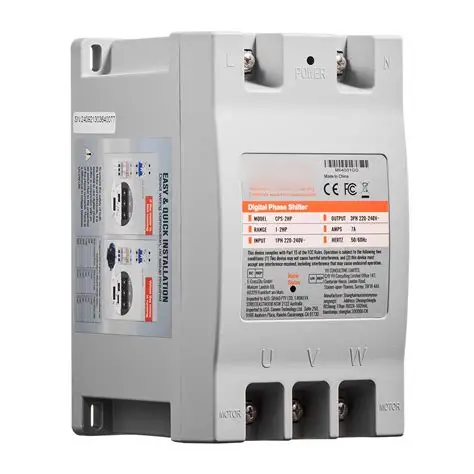
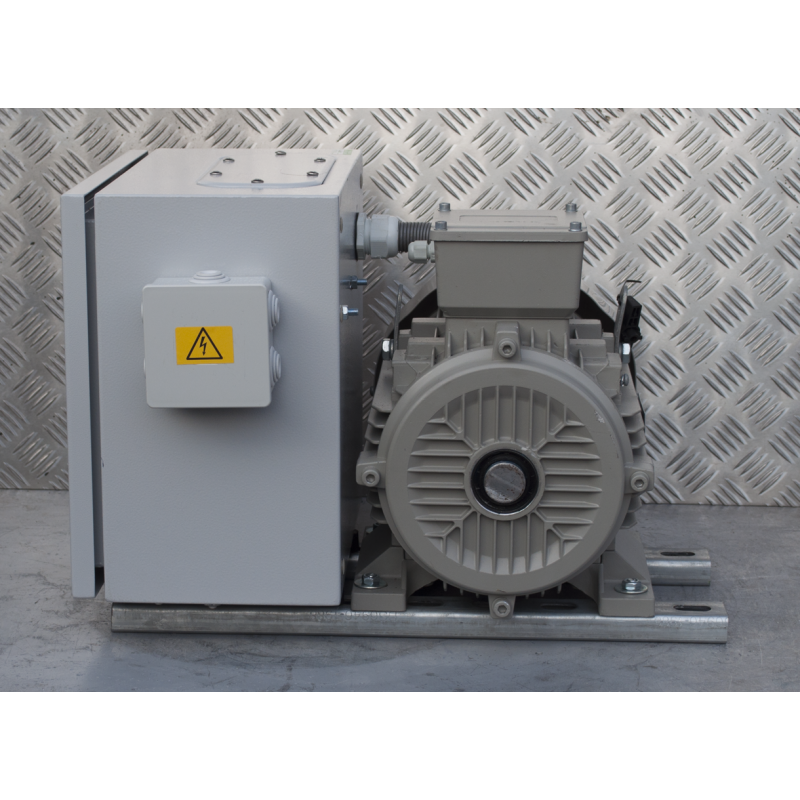
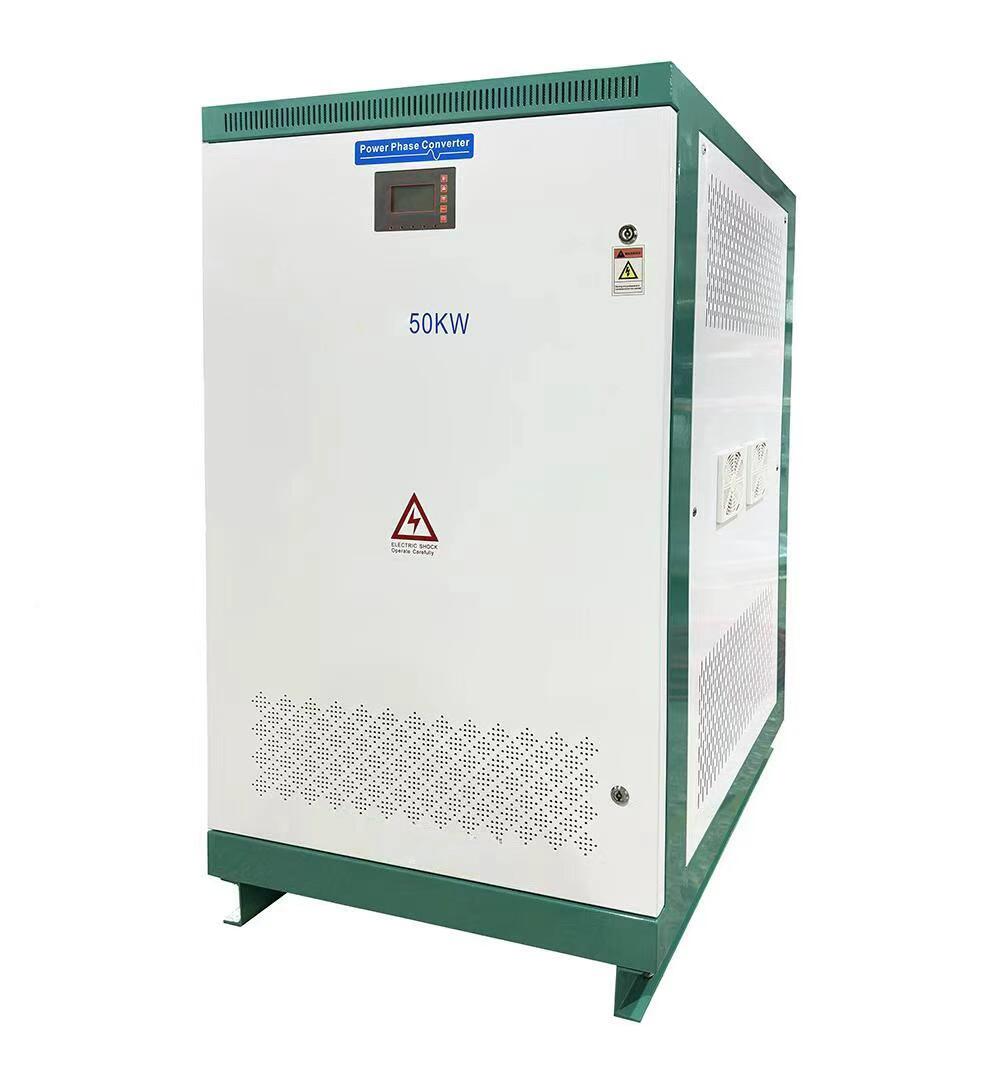
Kyky muuntaa yksivaiheinen virta kolmivaiheiseksi edustaa vallankumouksellista edistystä sähkötekniikassa, joka ratkaisee perustavanlaatuisia tehonjakoon liittyviä haasteita teollisuus- ja kaupallisilla aloilla. Tämä kehittynyt teknologia mahdollistaa laitosten, jotka on alun perin suunniteltu yksivaiheisille sähköjärjestelmille, hyödyntää kolmivaiheisen virran parempaa tehokkuutta ja luotettavuutta ilman laajamittaisia infrastruktuurimuutoksia. Yksivaiheiset sähköjärjestelmät riittävät vaatimattomiin asuinrakennuksiin ja pieniin kaupallisihin toimintoihin, mutta ne usein eivät täytä vaatimuksia raskaiden koneiden, suurten moottorien ja teollisuuslaitteiden käyttöön, joille vaaditaan tasapainoista ja jatkuvaa sähkösyöttöä. Yksivaiheisen virran muuntaminen kolmivaiheiseksi perustuu edistyneisiin elektronisiin komponentteihin ja älykkäisiin ohjausjärjestelmiin, jotka synthesizevat kolmivaiheisen lähtösignaalin yksivaiheisesta syöttösignaalista, mikä mahdollistaa saumattoman siirtymän ilman sähkön laadun heikkenemistä. Nykyaikaiset vaihemuuntimet hyödyntävät huippuluokan invertteriteknologiaa, mikroprosessoriohjauksia ja kehittyneitä suodatusmekanismeja varmistaakseen puhtaamman ja vakaimman virransyötön. Nämä järjestelmät sisältävät tyypillisesti automaattisen jännitteen säädön, tehokerroinkorjauksen ja harmonisten värähtelyjen vähentämisen, jotta herkät laitteet voidaan suojata ja toiminnallinen tehokkuus optimoida. Teknologian perusta on digitaalisia signaalinkäsittelyalgoritmeja, jotka seuraavat tarkasti syöttösignaalin ominaisuuksia ja säätävät dynaamisesti lähtöparametreja optimaalisen kolmivaiheisen tasapainon säilyttämiseksi. Sovellusalueet kattavat monia eri teollisuusalaa, kuten valmistuslaitokset, maatalousalan toimintayksiköt, puusepänliikkeet, metallityöllä toimivat yritykset ja kaupallisratkaisut, joissa kolmivaiheisia laitteita on asennettava, mutta kolmivaiheista verkkojännitettä ei ole saatavilla. Yksivaiheisen virran muuntaminen kolmivaiheiseksi on erityisen arvokasta maaseudulla, vanhoissa rakennuksissa ja erikoislaitoksissa, joissa verkkojen päivitys olisi liian kallista tai teknisesti haastavaa. Asennusjoustavuus mahdollistaa integraation olemassa olevaan sähköinfrastruktuuriin samalla kun tarjoaa skaalautuvia ratkaisuja, jotka vastaavat tulevia laajennustarpeita. Suorituskyvyn seurantamahdollisuudet mahdollistavat reaaliaikaisen järjestelmän optimoinnin ja ennakoivan huollon suunnittelun, mikä takaa maksimaalisen käyttöajan ja toiminnallisen luotettavuuden kriittisille liiketoimintatoiminnoille.
 EN
EN