Сврстата компатибилност апликације и флексибилност инсталације
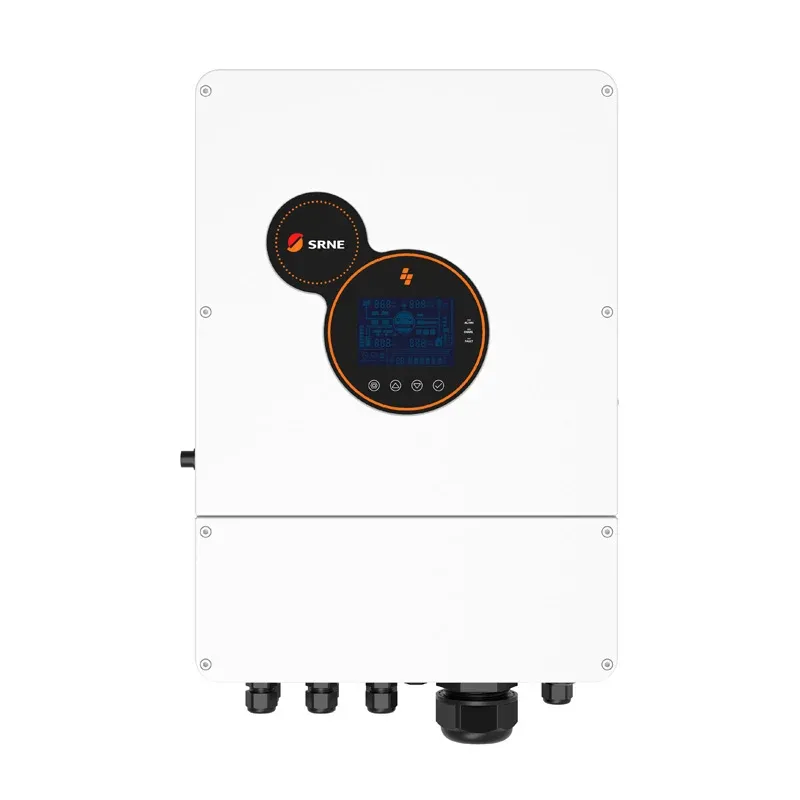
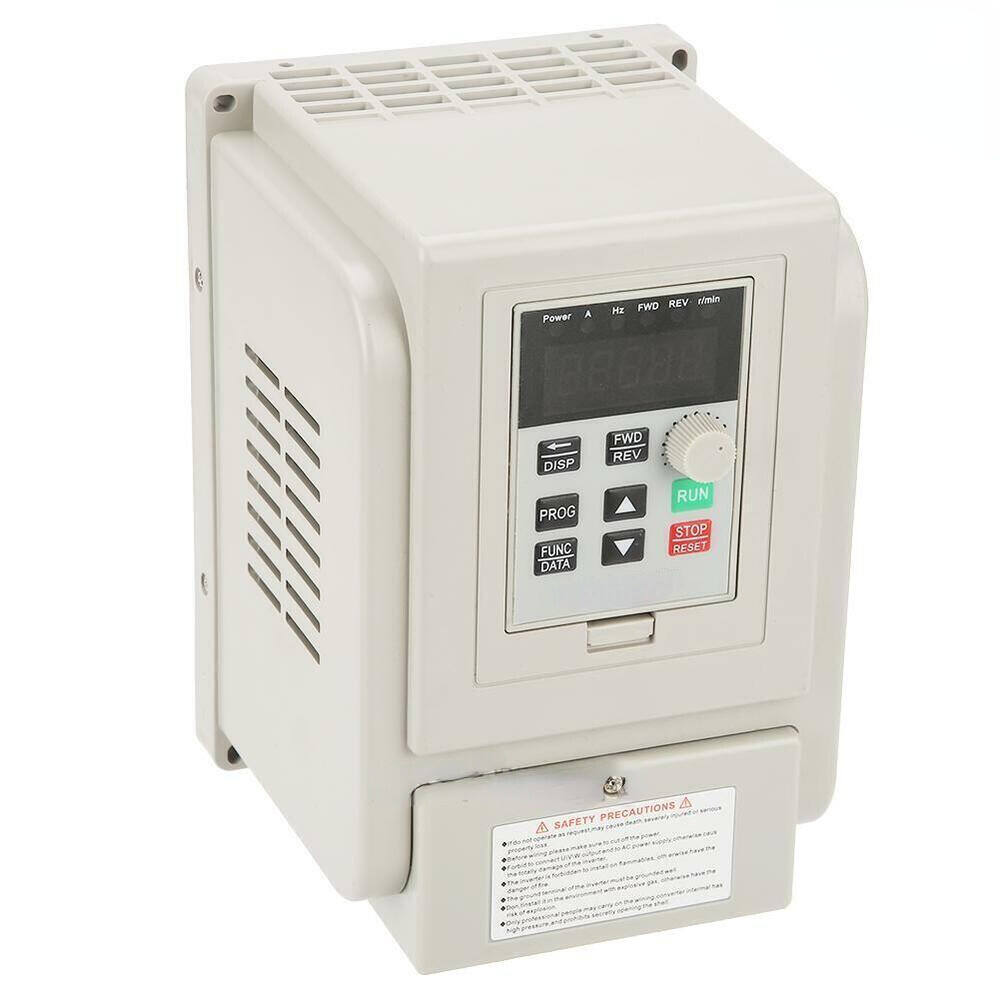
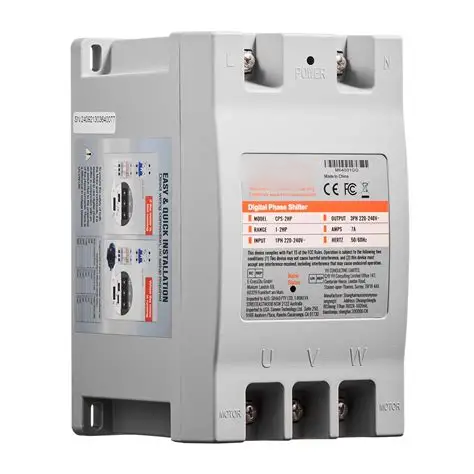
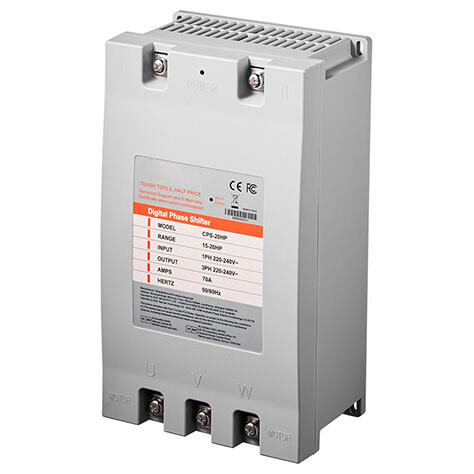
Инверторски фазни конвертор показује изузетну свестраност у подршци различитих апликација и потреба за инсталацијом у индустријским, комерцијалним и пољопривредним секторима. Ова прилагодљива технологија може да прихрани широк спектар трофазне опреме, укључујући моторе од малог коњске снаге до неколико стотина коњских снага, пумпе, компресоре, завариваче, алате и производњу. Инверторски фазни конвертор аутоматски прилагођава своје излазне карактеристике како би одговарао специфичним захтевима повезаних оптерећења, било да су отпорне, индуктивне или капацитивне природе. Ова интелигентна адаптација оптерећења елиминише потребу за више конверторских јединица и смањује захтеве за залихе. Систем подржава и примене константног и променљивог тренутног тренутка, што га чини погодним за све, од конвејерских система до прецизних центри за обраду. Флексибилност инсталације представља кључну предност дизајна инверторског фазног конвертера, са компактним јединицама које захтевају минималан простор на поду и једноставне електричне везе. Леска конструкција елиминише потребу за посебним темељима или структурним појачањима који су обично потребни за ротационе преобраћаче фазе. Конфигурације постављене на зид штеде драгоцену површину у претрпеним објектима, док Окружни објекти са NEMA оценом пружају заштиту за инсталације на отвореном и сурове индустријске окружења. Инверторски фазни конвертер подржава различите конфигурације улазног напона, укључујући једнофазне залихе од 208 до 240 волта и више опције напона за индустријске апликације. Многе опције излазног напона задовољавају различите захтеве опреме без потребе за додатним трансформаторима или опремом за конверзију напона. Модуларни дизајн омогућава лако проширење система и промене конфигурације како се захтеви објекта развијају. Инверторски преобраћач фазе се интегрише у постојеће електричне системе и мреже за аутоматизацију зграда кроз више комуникационих интерфејса, укључујући Modbus, Ethernet и аналогне контролне сигнале. Ова повезаност омогућава даљи мониторинг, аутоматизовану контролу и интеграцију са системима управљања енергијом. Систем подржава паралелно функционисање за повећање капацитета и редуктивности у критичним апликацијама. Особности за доступност одржавања укључују одвајане панеле, доступне тачке повезивања и дијагностичке индикаторе који поједностављавају процедуре решавања проблема и сервиса. Дизајн инверторског фазног конвертера прилагођава се различитим условима окружења са оперативним температуром од минус 20 до плюс 60 степени Целзијуса и надморским надморским висинама до 3000 метара надморске површине, што осигурава поуздани рад у различитим географским локацијама и климатским условима.

 EN
EN