 EN
EN

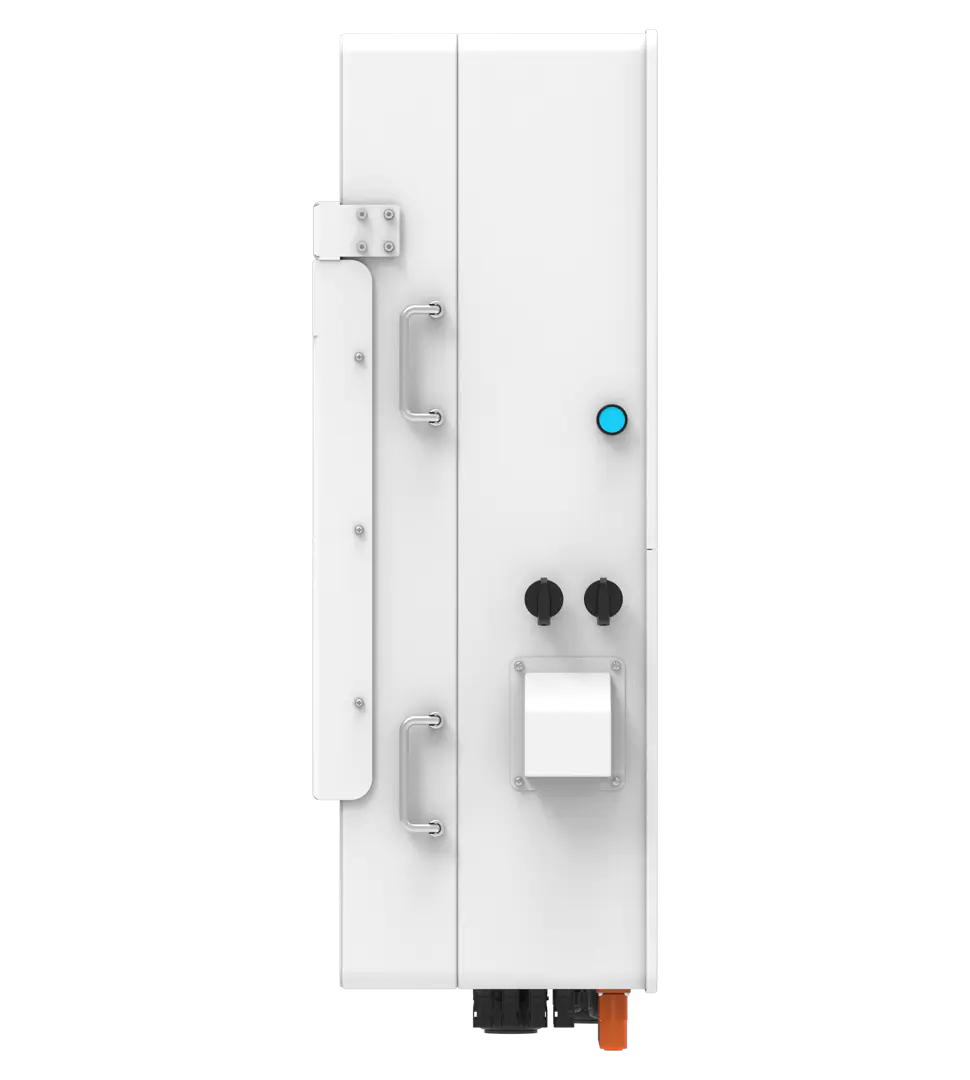
Lựa chọn bộ biến tần lai phù hợp inverter cho ngôi nhà của bạn đòi hỏi việc hiểu rõ những thông số kỹ thuật và tính năng vận hành nào mang lại giá trị cao nhất cho hệ thống năng lượng dân dụng. Bộ biến tần lai đóng vai trò trung tâm trong việc quản lý việc phát điện từ năng lượng mặt trời, lưu trữ pin và tương tác với lưới điện, do đó việc lựa chọn tính năng là yếu tố then chốt đối với hiệu suất và hiệu quả chi phí trong dài hạn. Những tính năng quan trọng nhất trực tiếp ảnh hưởng đến hiệu suất, độ tin cậy và khả năng đáp ứng nhu cầu năng lượng cụ thể của hộ gia đình bạn.
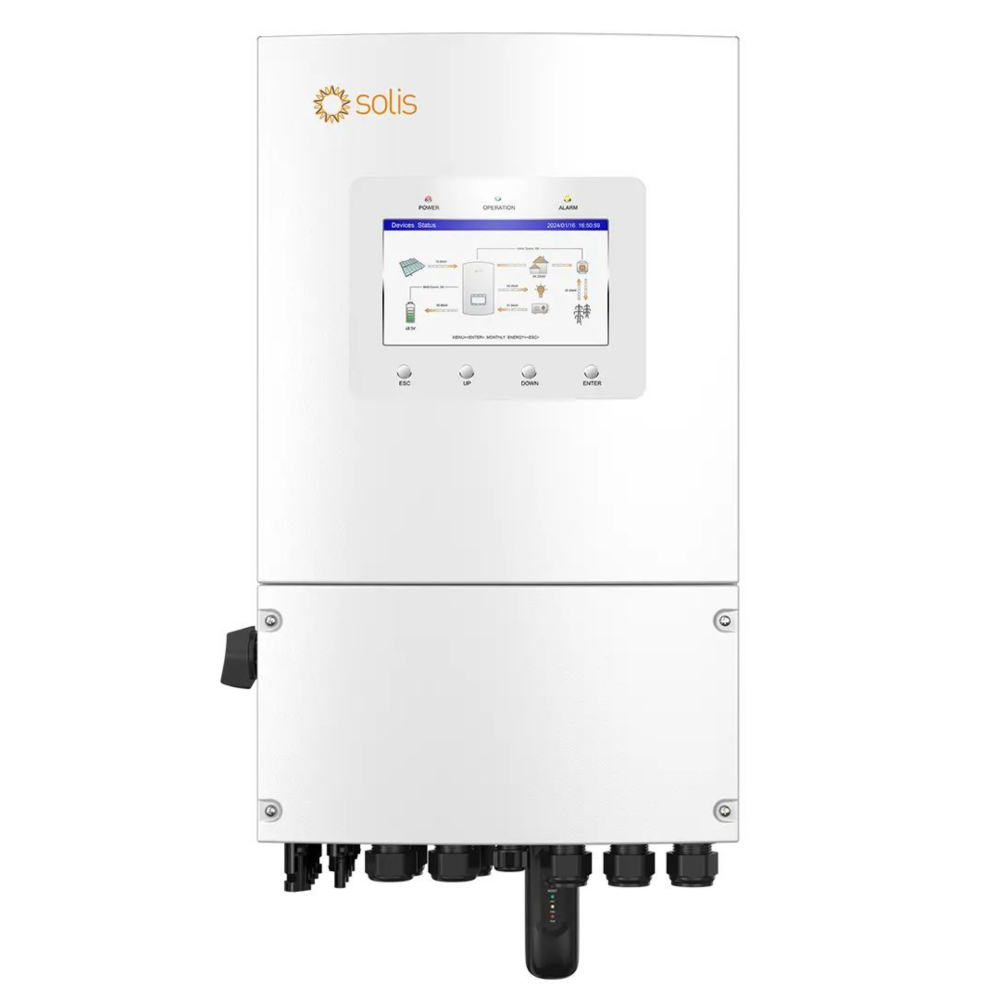
Các tính năng quan trọng nhất của bộ biến tần lai dành cho ứng dụng dân dụng tập trung vào công suất, khả năng tương thích với pin, khả năng giám sát và chứng nhận an toàn. Những đặc điểm cốt lõi này xác định xem bộ biến tần lai của bạn có thể đáp ứng nhu cầu năng lượng của ngôi nhà hay không, đồng thời đảm bảo tích hợp liền mạch với các hệ thống lưu trữ và công nghệ nhà thông minh. Việc hiểu rõ cách những tính năng này chuyển hóa thành lợi ích thực tế giúp chủ nhà đưa ra quyết định sáng suốt nhằm tối ưu hóa cả hiệu suất tức thì lẫn khả năng mở rộng trong tương lai.
Công suất và tính năng quản lý tải
Chọn kích thước bộ biến tần lai phù hợp với nhu cầu đỉnh
Công suất định mức của bộ biến tần lai của bạn phải phù hợp với nhu cầu điện năng cao nhất mà hộ gia đình bạn sử dụng đồng thời, nhằm đảm bảo hoạt động ổn định trong các khoảng thời gian tải cao. Hầu hết các hệ thống bộ biến tần lai dân dụng có dải công suất từ 3 kW đến 15 kW, trong đó mức 5 kW đến 8 kW là tối ưu cho các hộ gia đình trung bình. Công suất đầu ra liên tục của bộ biến tần xác định số lượng thiết bị có thể hoạt động đồng thời trong trường hợp mất điện lưới hoặc các khoảng thời gian tải cao.
Khả năng công suất đỉnh trở nên quan trọng khi nhiều thiết bị tiêu thụ điện lớn khởi động đồng thời, ví dụ như điều hòa không khí, bình đun nước điện hoặc bếp từ. Một bộ biến tần lai chất lượng nên cung cấp công suất xung vượt quá công suất liên tục từ 150–200% trong ít nhất 10 giây. Dung lượng xung này ngăn ngừa tình trạng hệ thống ngắt hoạt động khi các thiết bị có động cơ như tủ lạnh hoặc máy giặt khởi động.
Các tính năng ưu tiên tải cho phép bộ biến tần lai tự động quản lý việc phân phối điện năng trong điều kiện nguồn cung năng lượng hạn chế. Các mẫu nâng cao có thể chọn lọc để cấp điện cho các mạch quan trọng trong khi tạm thời giảm công suất cấp cho các tải không thiết yếu, đảm bảo tủ lạnh và hệ thống chiếu sáng vẫn hoạt động ngay cả khi dung lượng pin dự trữ xuống thấp.
Đánh giá hiệu suất và chuyển đổi công suất
Đánh giá hiệu suất của bộ biến tần lai ảnh hưởng trực tiếp đến lượng năng lượng mặt trời được chuyển đổi thành điện năng sử dụng trong hộ gia đình và lượng năng lượng pin được bảo toàn trong các chu kỳ lưu trữ. Các bộ biến tần lai dân dụng chất lượng cao đạt hiệu suất chuyển đổi từ 95–97%, nghĩa là tổn thất năng lượng trong quá trình chuyển đổi từ DC sang AC là tối thiểu. Mỗi phần trăm cải thiện hiệu suất đều tương ứng với khoản tiết kiệm đo lường được trong suốt tuổi thọ hệ thống từ 20–25 năm.
Công nghệ theo dõi điểm công suất tối ưu (MPPT) tích hợp trong bộ biến tần lai tối ưu hóa việc thu năng lượng từ các tấm pin mặt trời trong các điều kiện thời tiết khác nhau và các tình huống bị che khuất. Đầu vào MPPT kép hoặc ba cho phép các tấm pin có hướng lắp đặt hoặc loại khác nhau hoạt động tại điểm hiệu suất cực đại riêng của chúng, từ đó tối đa hóa tổng sản lượng hệ thống trong suốt cả ngày.
Hiệu suất vòng đời (round-trip efficiency) đối với các chu kỳ sạc và xả pin nên vượt quá 90% ở các mẫu bộ biến tần lai cao cấp. Thông số này xác định lượng năng lượng mặt trời đã lưu trữ còn sẵn sàng sử dụng vào buổi tối, ảnh hưởng trực tiếp đến giá trị kinh tế của khoản đầu tư vào pin.
Tích hợp pin và quản lý lưu trữ
Tương thích với các công nghệ pin
Cac he thong bo bien doi lai hien dai phai ho tro nhieu loai pin va cac cau hinh dien ap khac nhau de cung cap cac lua chon luu tru linh hoat cho chu nha. Kha nang tuong thich voi pin lithium iron phosphate (LiFePO4) la dieu bat buoc, vi cong nghe nay mang lai su ket hop tot nhat giua do an toan, tuoi tho va hieu suat cho cac ung dung dan dung. Bo bien doi lai phai ho tro dien ap pin tu 48V den 400V de phu hop voi cac kich thuoc he thong luu tru khac nhau.
Cac giao thuc truyen thong giua bo bien doi lai va cac he thong quan ly pin dam bao cac che do nap toi uu va giai phap giai thich an toan. Truyen thong qua bus CAN cho phep trao doi du lieu thuc te ve nhiet do pin, dien ap te bao va trang thai nap, giup bo bien doi lai dieu chinh cac thong so nap de keo dai tuoi tho pin toi da. Mot so mau bo bien doi lai ho tro nhieu thuong hieu pin khac nhau thong qua cac giao thuc truyen thong tieu chuan.
Các tính năng mở rộng cho phép chủ nhà tăng dần dung lượng pin theo thời gian khi nhu cầu năng lượng gia tăng hoặc khi điều kiện tài chính cho phép. bộ biến tần Hybrid cần hỗ trợ kết nối pin song song và tự động nhận diện các mô-đun lưu trữ bổ sung mà không cần lập trình lại toàn bộ hệ thống.
Điều khiển sạc và xả
Quản lý pin thông minh tích hợp trong bộ nghịch lưu lai tối ưu hóa lịch trình sạc dựa trên dự báo sản lượng điện mặt trời, biểu giá điện theo khung giờ sử dụng và mô hình tiêu thụ điện của hộ gia đình. Các thuật toán sạc thông minh có thể hoãn việc sạc pin cho đến khi có sẵn điện mặt trời dư thừa hoặc khi giá điện ở mức thấp nhất, từ đó tối đa hóa lợi ích kinh tế.
Sạc bù nhiệt độ điều chỉnh điện áp sạc pin theo điều kiện môi trường xung quanh nhằm ngăn ngừa hiện tượng sạc quá mức trong thời tiết nóng và đảm bảo sạc đầy đủ trong điều kiện lạnh. Tính năng này kéo dài đáng kể tuổi thọ pin bằng cách tránh căng thẳng nhiệt và duy trì trọng lượng riêng tối ưu của chất điện phân trong mọi điều kiện thời tiết.
Bảo vệ độ sâu xả (DoD) ngăn pin bị xả quá mức an toàn, từ đó bảo tồn hóa học pin và kéo dài khoảng thời gian thay thế pin. Các hệ thống biến tần lai chất lượng duy trì dự trữ pin ở mức 10–20% cho mục đích khẩn cấp, đồng thời cho phép chu kỳ hoạt động bình thường trong giới hạn vận hành an toàn.
Tương tác với lưới điện và tính năng cung cấp điện dự phòng
Chức năng nối lưới và đo đếm hai chiều
Khả năng tương tác với lưới điện cho phép biến tần lai xuất thừa năng lượng mặt trời sang lưới điện công cộng một cách liền mạch, đồng thời nhập điện từ lưới khi nguồn năng lượng mặt trời và pin không đủ. Chức năng chống cô lập (anti-islanding) tự động ngắt hệ thống khỏi lưới điện trong trường hợp mất điện để bảo vệ nhân viên sửa chữa đường dây, trong khi các tính năng tái kết nối nhanh sẽ khôi phục lại chế độ nối lưới ngay khi điện áp lưới ổn định trở lại.
Khả năng tương thích với hệ thống đo đếm ròng đảm bảo bộ biến tần lai tạo ra điện xoay chiều (AC) phù hợp với lưới điện và đáp ứng các tiêu chuẩn kết nối với lưới của công ty điện lực. Bộ biến tần phải duy trì đúng mức điều chỉnh điện áp và tần số, giới hạn méo hài và yêu cầu về hệ số công suất để đủ điều kiện nhận trợ cấp từ công ty điện lực cũng như tín dụng đo đếm ròng.
Giới hạn công suất xuất về lưới cho phép chủ nhà hạn chế lượng điện mặt trời đưa trở lại lưới, điều này có thể bắt buộc tại những khu vực lo ngại về độ ổn định của lưới hoặc nơi công ty điện lực áp đặt giới hạn. Tính năng này giúp tối đa hóa việc tiêu thụ điện tại chỗ trong khi vẫn tuân thủ quy định của công ty điện lực và tránh các khoản phạt tiềm ẩn.
Chức năng cung cấp điện dự phòng và vận hành cô lập
Chuyển mạch tự động tích hợp trong bộ biến tần lai cho phép chuyển đổi liền mạch sang chế độ điện dự phòng khi mất điện lưới, duy trì nguồn cấp điện cho các mạch được chọn mà không bị gián đoạn. Thời gian chuyển đổi dưới 10 mili giây đảm bảo máy tính và các thiết bị điện tử nhạy cảm tiếp tục hoạt động bình thường trong suốt quá trình chuyển sang chế độ vận hành cô lập.
Các mạch sao lưu có chọn lọc cho phép chủ nhà chỉ định các tải điện nào sẽ được cung cấp điện dự phòng trong trường hợp mất điện, từ đó ngăn chặn việc pin bị xả cạn do các thiết bị không thiết yếu. Các mạch quan trọng thường bao gồm tủ lạnh, chiếu sáng, thiết bị liên lạc và thiết bị y tế, trong khi các thiết bị tiêu thụ công suất cao như máy nước nóng chạy điện hoặc điều hòa không khí có thể bị loại trừ.
Khả năng tích hợp máy phát điện cho phép bộ biến tần lai phối hợp với máy phát điện dự phòng trong các đợt mất điện kéo dài, sử dụng máy phát để sạc lại pin đồng thời duy trì nguồn điện cho hộ gia đình. Điều khiển thông minh đối với máy phát điện có thể tự động khởi động và tắt máy dựa trên mức sạc pin và sản lượng điện mặt trời dự báo.
Các tính năng của hệ thống giám sát và điều khiển
Giám sát hiệu suất thời gian thực
Khả năng giám sát toàn diện cung cấp cho chủ nhà những thông tin chi tiết về sản lượng điện mặt trời, trạng thái pin, mức tiêu thụ điện từ lưới và hiệu suất tổng thể của hệ thống. Các nền tảng giám sát dựa trên web, có thể truy cập qua điện thoại thông minh và máy tính, cho phép giám sát và xử lý sự cố từ xa, giảm nhu cầu gọi dịch vụ bảo trì và hỗ trợ bảo trì chủ động.
Việc ghi lại dữ liệu lịch sử giúp xác định các xu hướng hiệu suất, biến động theo mùa và các vấn đề tiềm ẩn của hệ thống trước khi chúng ảnh hưởng đến độ tin cậy. Bộ biến tần lai phải lưu trữ ít nhất 12 tháng dữ liệu hiệu suất tại chỗ, đồng thời hỗ trợ sao lưu dữ liệu lên đám mây để phân tích dài hạn và hỗ trợ bảo hành.
Hệ thống cảnh báo và thông báo sẽ thông báo cho chủ nhà về sự cố hệ thống, yêu cầu bảo trì hoặc các bất thường về hiệu suất thông qua email, tin nhắn SMS hoặc thông báo đẩy từ ứng dụng di động. Các hệ thống cảnh báo sớm có thể ngăn chặn những sự cố nhỏ phát triển thành các khoản chi phí sửa chữa tốn kém hoặc thời gian ngừng hoạt động kéo dài của hệ thống.
Điều khiển Từ xa và Tự động hóa
Khả năng điều khiển từ xa cho phép chủ nhà điều chỉnh cài đặt bộ biến tần lai, thay đổi chế độ vận hành và lên lịch các chu kỳ sạc/xả từ bất kỳ đâu có kết nối internet. Chức năng này giúp tối ưu hóa hoạt động của hệ thống dựa trên sự thay đổi của mức giá điện từ công ty cung cấp, dự báo thời tiết hoặc lịch trình sử dụng điện trong hộ gia đình.
Tích hợp với các hệ thống nhà thông minh cho phép bộ biến tần lai tham gia vào các chiến lược quản lý năng lượng toàn bộ ngôi nhà. Hệ thống có thể giao tiếp với bộ điều nhiệt thông minh, bộ sạc xe điện (EV) và các tải có thể điều khiển khác nhằm tối ưu hóa mô hình sử dụng năng lượng và tối đa hóa việc tiêu thụ điện mặt trời tại chỗ.
Khả năng cập nhật firmware đảm bảo bộ biến tần lai có thể nhận các cải tiến hiệu suất, sửa lỗi và tính năng mới trong suốt vòng đời vận hành. Các bản cập nhật qua mạng (over-the-air) loại bỏ nhu cầu cử kỹ thuật viên đến hiện trường, đồng thời đảm bảo hệ thống luôn duy trì hiệu suất và tiêu chuẩn bảo mật ở mức tối ưu.
Các tính năng An Toàn và Bảo Vệ
Hệ thống An toàn Điện
Phát hiện và ngắt sự cố chạm đất bảo vệ chống lại các mối nguy hiểm điện bằng cách giám sát rò rỉ dòng điện xuống đất và tự động ngắt các mạch bị ảnh hưởng. Tính năng này đặc biệt quan trọng trong các hệ thống biến tần lai, nơi các mạch DC và AC tồn tại song song, tạo ra nhiều chế độ hỏng hóc tiềm ẩn có thể gây rủi ro an toàn.
Phát hiện sự cố hồ quang nhận diện các điều kiện hồ quang điện nguy hiểm có thể dẫn đến cháy, tự động tắt phần mạch bị ảnh hưởng cho đến khi sự cố được khắc phục. Các mẫu biến tần lai tiên tiến sử dụng nhiều thuật toán phát hiện để phân biệt giữa hồ quang chuyển mạch bình thường và các điều kiện sự cố nguy hiểm.
Chức năng tắt nhanh đảm bảo các mạch một chiều (DC) có thể được ngắt điện nhanh chóng nhằm bảo vệ an toàn cho lực lượng cứu hỏa trong các tình huống khẩn cấp. Tính năng này, bắt buộc theo Quy tắc Điện Quốc gia (NEC), cho phép những người ứng phó đầu tiên tiếp cận an toàn các tòa nhà có lắp đặt hệ thống năng lượng mặt trời; đồng thời, các hệ thống tiên tiến có thể tắt riêng từng phần mạch cụ thể mà vẫn duy trì hoạt động của hệ thống chiếu sáng khẩn cấp và hệ thống liên lạc.
Bảo vệ môi trường và vận hành
Giám sát nhiệt độ và quản lý nhiệt giúp ngăn ngừa hư hỏng bộ biến tần lai do quá nhiệt, đồng thời duy trì công suất đầu ra tối đa trong dải nhiệt độ rộng. Các hệ thống làm mát thông minh điều chỉnh tốc độ quạt dựa trên nhiệt độ môi trường xung quanh và mức công suất đầu ra, giảm thiểu tiếng ồn trong khi đảm bảo hoạt động ổn định.
Bảo vệ chống quá áp bảo vệ bộ biến tần lai khỏi các cú sét đánh và các xung điện lưới có thể làm hỏng các linh kiện điện tử nhạy cảm. Bảo vệ nhiều cấp kết hợp ống phóng điện khí, điện trở phi tuyến ôxit kim loại và tụ lọc để cung cấp khả năng bảo vệ toàn diện trước các đỉnh điện áp.
Các xếp hạng về môi trường đảm bảo bộ biến tần lai có thể chịu đựng được điều kiện khí hậu địa phương, với xếp hạng IP65 hoặc cao hơn nhằm bảo vệ chống xâm nhập bụi và thấm nước. Các lớp phủ và vật liệu chống ăn mòn kéo dài tuổi thọ vận hành trong các môi trường ven biển hoặc công nghiệp có độ ẩm cao hoặc tiếp xúc với hóa chất. 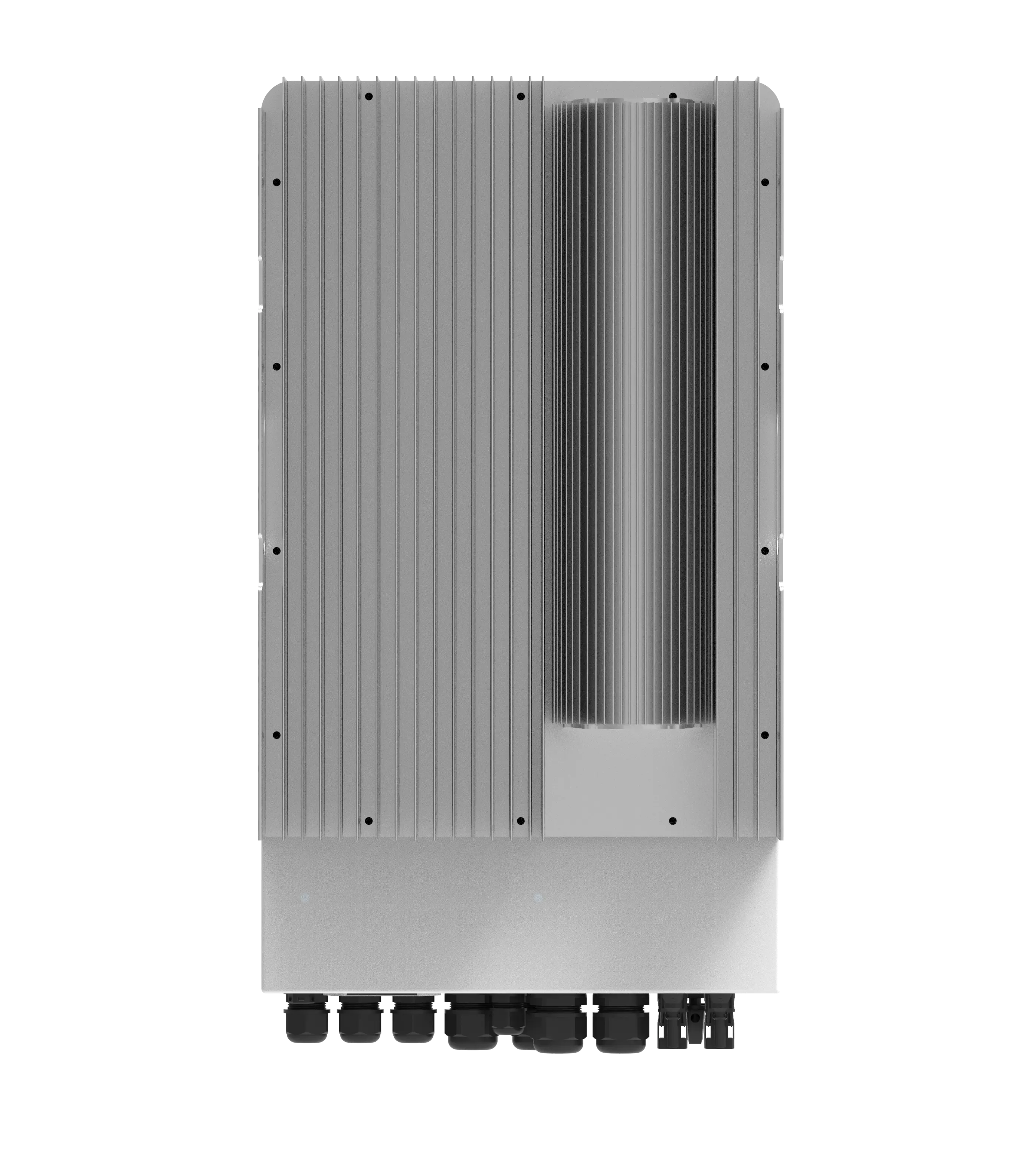
Câu hỏi thường gặp
Tôi cần bộ biến tần lai có công suất bao nhiêu cho ngôi nhà của mình?
Hầu hết các hộ gia đình cần một bộ biến tần lai có công suất định mức từ 5 kW đến 8 kW để đáp ứng các tải điện điển hình, bao gồm chiếu sáng, thiết bị gia dụng và hệ thống điều hòa không khí (HVAC). Hãy tính nhu cầu đỉnh của bạn bằng cách cộng tổng công suất (tính bằng watt) của các thiết bị có thể hoạt động đồng thời, sau đó cộng thêm 20% dự phòng để đảm bảo an toàn. Các hộ gia đình có trạm sạc xe điện (EV), máy bơm hồ bơi hoặc hệ thống sưởi hoàn toàn bằng điện có thể cần hệ thống biến tần lai có công suất 10 kW trở lên.
Tôi có thể lắp pin vào hệ thống biến tần lai của mình sau này được không?
Có, các hệ thống biến tần lai chất lượng cao được thiết kế để mở rộng dung lượng pin, cho phép bạn bắt đầu với chế độ chỉ sử dụng năng lượng mặt trời và bổ sung lưu trữ pin khi ngân sách cho phép hoặc khi biểu giá theo thời điểm sử dụng (time-of-use rates) khiến việc lắp pin trở nên hiệu quả về mặt kinh tế. Hãy đảm bảo bộ biến tần lai bạn chọn hỗ trợ loại hóa học pin và giao thức truyền thông mà bạn dự định sử dụng, đồng thời xác minh rằng giấy phép điện cho phép việc bổ sung pin trong tương lai.
Các hệ thống bộ biến tần lai thường có tuổi thọ bao lâu?
Các bộ biến tần lai cao cấp thường hoạt động ổn định trong khoảng 15–20 năm nếu được bảo trì đúng cách và bảo vệ khỏi các yếu tố môi trường. Phần lớn nhà sản xuất cung cấp chế độ bảo hành 10 năm, đồng thời có tùy chọn gia hạn bảo hành. Tuổi thọ thực tế phụ thuộc vào chất lượng lắp đặt, điều kiện môi trường và cách thức sử dụng; các thiết bị được lắp đặt tại khu vực có khí hậu ôn hòa và vị trí thông gió tốt sẽ đạt tuổi thọ vận hành dài nhất.
Tôi có cần giấy phép điện đặc biệt để lắp đặt bộ biến tần lai không?
Có, việc lắp đặt bộ biến tần lai yêu cầu giấy phép điện và thỏa thuận kết nối với công ty điện lực ở hầu hết các khu vực pháp lý. Độ phức tạp tăng lên so với các hệ thống năng lượng mặt trời tiêu chuẩn do sự tích hợp pin và khả năng cung cấp điện dự phòng. Việc lắp đặt chuyên nghiệp bởi thợ điện được chứng nhận đảm bảo tuân thủ quy chuẩn kỹ thuật và hiệu chỉnh hệ thống đúng cách; đồng thời, nhiều khu vực còn yêu cầu kiểm tra bổ sung đối với các thành phần của hệ thống lưu trữ năng lượng.