 EN
EN
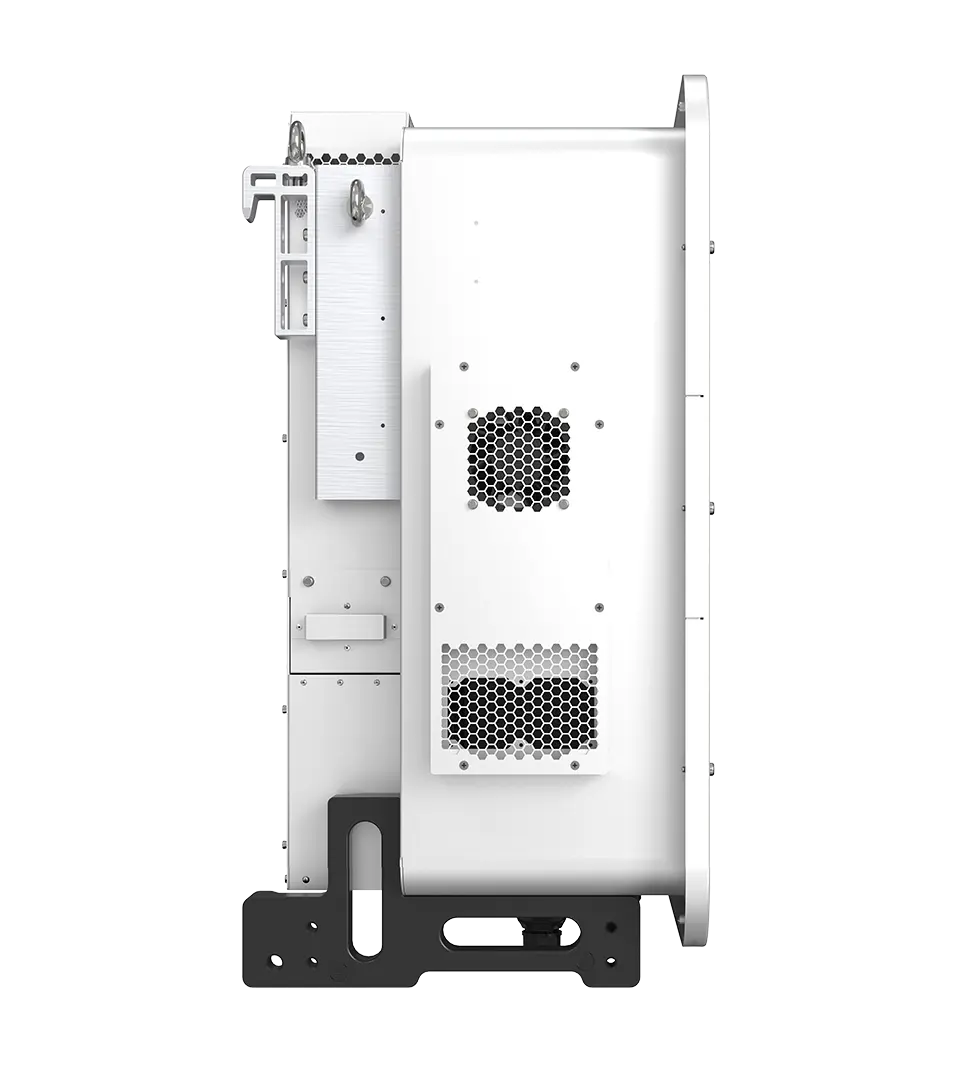
When homeowners consider switching to renewable energy, one of the first questions that comes up is how the system actually converts sunlight into usable electricity. At the heart of every residential solar setup, solar inverters serve as the critical bridge between the raw power generated by photovoltaic panels and the alternating current that powers everyday appliances. Without this conversion step, the electricity produced by your rooftop panels would be completely incompatible with your home's wiring and the broader utility grid.
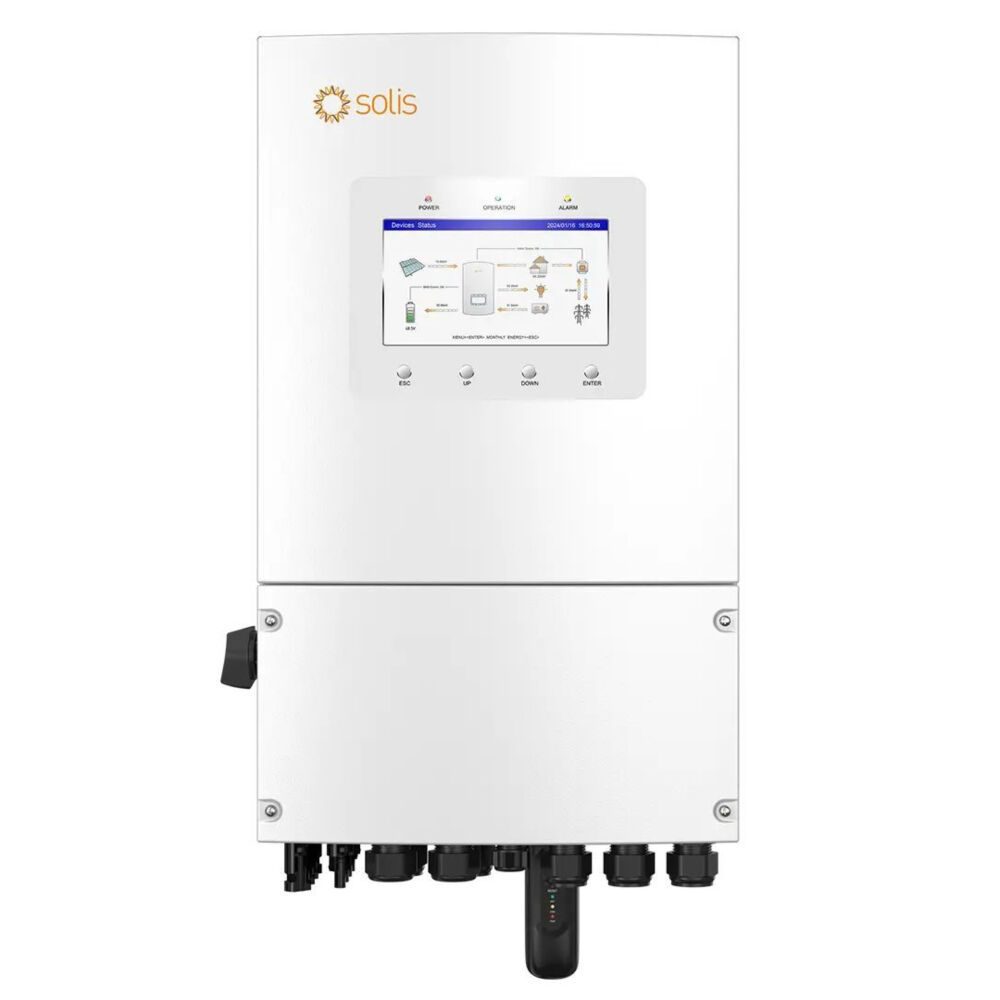
Understanding how solar inverters function within a home energy system helps homeowners make smarter decisions about equipment selection, system sizing, and long-term performance expectations. This article walks through the core mechanisms, the different operational roles, and the practical considerations that determine how well solar inverters perform in real residential environments. Whether you are planning a new installation or optimizing an existing one, a clear grasp of inverter operation is essential to getting the most from your solar investment.
The Fundamental Role of Solar Inverters in a Home Setup
Converting DC Power to Usable AC Power
Solar panels generate electricity through the photovoltaic effect, where photons from sunlight knock electrons loose in semiconductor cells, creating a flow of direct current, or DC. However, virtually all household appliances, lighting systems, and grid connections operate on alternating current, or AC. Solar inverters perform the essential task of converting this DC output into AC power at the correct voltage and frequency for home use.
This conversion process involves sophisticated electronic switching components, typically insulated gate bipolar transistors or MOSFETs, that rapidly switch the DC input on and off in a controlled pattern. The resulting waveform is then filtered and shaped to produce a clean sine wave that matches the grid standard, typically 50 Hz or 60 Hz depending on the region. The quality of this sine wave directly affects how well sensitive electronics and motor-driven appliances operate.
Modern solar inverters achieve conversion efficiencies above 97 percent under optimal conditions, meaning very little energy is lost as heat during the transformation process. This high efficiency is critical because even small losses compound over thousands of operating hours, affecting the overall return on a solar installation. Inverter manufacturers invest heavily in power electronics design to push these efficiency figures as high as possible.
Maximum Power Point Tracking and Energy Harvesting
Beyond simple conversion, solar inverters continuously optimize the amount of power extracted from the connected panels through a process called maximum power point tracking, or MPPT. Solar panels do not produce a fixed output voltage and current. Instead, their electrical characteristics shift constantly in response to changing sunlight intensity, temperature, shading, and panel aging. The MPPT algorithm inside the inverter samples the panel output many times per second and adjusts the operating point to always extract the maximum available power.
This dynamic optimization is one of the most important functions solar inverters perform, and it can account for a significant difference in annual energy yield between a well-designed inverter and a basic one. In conditions where partial shading or cloud cover causes rapid fluctuations in panel output, a fast and accurate MPPT algorithm ensures the system captures as much energy as possible rather than operating at a suboptimal point.
High-quality solar inverters typically include multiple independent MPPT inputs, allowing different strings of panels, potentially facing different directions or experiencing different shading patterns, to be optimized independently. This architectural flexibility is particularly valuable in residential installations where roof geometry often forces panels onto multiple orientations.
How Solar Inverters Interact with the Home Grid and Battery Storage
Grid-Tied Operation and Anti-Islanding Protection
In a standard grid-tied residential system, solar inverters synchronize their AC output precisely with the utility grid's voltage and frequency before feeding power into the home's electrical panel. This synchronization is handled automatically by the inverter's internal control systems, which monitor the grid signal in real time and match it with microsecond precision. When solar production exceeds household demand, the surplus flows back through the meter to the grid, often earning the homeowner a credit under net metering programs.
A critical safety function built into all grid-tied solar inverters is anti-islanding protection. If the utility grid goes down due to a fault or maintenance work, the inverter must detect the loss of grid signal and shut down within milliseconds. This prevents the inverter from continuing to energize the local wiring while utility workers may be handling what they believe to be de-energized lines. Anti-islanding is a mandatory safety requirement in virtually every jurisdiction that permits grid-connected solar installations.
The detection methods used by solar inverters for anti-islanding include passive techniques, such as monitoring for voltage and frequency deviations, and active techniques, such as deliberately introducing small perturbations to detect whether the grid is still present. Modern inverters combine both approaches to achieve reliable detection even in edge cases where passive methods alone might fail.
Battery Integration and Hybrid Inverter Operation
As battery storage becomes increasingly common in residential solar systems, solar inverters have evolved to manage the charging and discharging of battery banks in addition to their traditional conversion role. Hybrid solar inverters combine the functions of a solar inverter and a battery inverter into a single unit, managing power flows between the panels, the battery, the home loads, and the grid simultaneously.
In a hybrid configuration, the inverter's control logic determines in real time whether excess solar power should charge the battery, be exported to the grid, or both, based on battery state of charge, current household demand, grid pricing signals, and user-defined preferences. During periods of low solar production or grid outages, the inverter draws from the battery and converts stored DC energy back into AC for home use, providing backup power capability.
The communication between solar inverters and battery management systems is handled through standardized protocols such as CAN bus or RS485, allowing the inverter to read battery parameters including state of charge, temperature, and cell voltage in real time. This tight integration ensures batteries are charged and discharged within safe operating limits, protecting both the battery investment and the overall system reliability.
System Monitoring and Diagnostic Capabilities
Real-Time Performance Data and Remote Access
Contemporary solar inverters are equipped with onboard data logging and communication interfaces that give homeowners and installers detailed visibility into system performance. Parameters such as AC output power, DC input voltage and current from each string, daily and cumulative energy yield, grid voltage, and inverter temperature are recorded at regular intervals and made accessible through web portals or smartphone applications.
This monitoring capability transforms solar inverters from passive conversion devices into active system management tools. Homeowners can track how much energy their system produces on any given day, compare performance against historical baselines, and receive alerts if production drops unexpectedly due to shading, soiling, or equipment issues. Installers can access the same data remotely to diagnose faults without requiring a site visit, reducing maintenance costs and response times.
Advanced solar inverters also support integration with home energy management systems, allowing the inverter data to be combined with consumption data from smart meters or load controllers. This holistic view enables more sophisticated optimization strategies, such as shifting discretionary loads like water heaters or electric vehicle chargers to periods of peak solar production.
Fault Detection and Grid Compliance Reporting
Solar inverters continuously self-monitor for fault conditions including overvoltage, undervoltage, overcurrent, overtemperature, ground faults, and arc faults. When a fault is detected, the inverter logs the event with a timestamp and fault code, then takes protective action such as reducing output, disconnecting from the grid, or shutting down entirely depending on the severity of the condition.
This fault logging capability is invaluable for troubleshooting intermittent issues that might not be apparent during a routine inspection. A pattern of repeated temperature-related shutdowns, for example, might indicate inadequate ventilation around the inverter enclosure, while recurring ground fault events could point to insulation degradation in the panel wiring. Solar inverters that provide detailed fault histories allow problems to be diagnosed and resolved before they cause significant energy losses or equipment damage.
Grid compliance reporting is another function that modern solar inverters handle automatically. Utilities in many regions require inverters to log and report power quality data, reactive power output, and frequency response behavior to demonstrate that the installation meets interconnection standards. Inverters with built-in compliance reporting simplify the documentation process for installers and system owners.
Sizing and Selecting Solar Inverters for Residential Applications
Matching Inverter Capacity to Panel Array Output
Selecting the right capacity for solar inverters is one of the most consequential decisions in system design. The inverter's rated AC output power must be sufficient to handle the maximum power the panel array can deliver under peak conditions, but oversizing the inverter relative to the array wastes capital and may reduce efficiency at typical operating points where the inverter runs at a fraction of its rated capacity.
A common design practice is to apply a DC-to-AC ratio, sometimes called the inverter loading ratio, of between 1.1 and 1.3. This means the total panel capacity in DC watts is 10 to 30 percent higher than the inverter's rated AC output. This approach is justified because panels rarely produce their full rated output simultaneously, and the inverter's clipping of occasional peak power is more than offset by the efficiency gains from running closer to full load during typical operating hours.
For systems with battery storage, the inverter sizing calculation must also account for the maximum charge and discharge rates of the battery bank, the peak load the system needs to support during grid outages, and any future expansion plans. Solar inverters with scalable architecture that allows additional battery capacity or panel strings to be added later provide greater flexibility as household energy needs evolve.
Installation Environment and Thermal Management
Solar inverters generate heat during operation, and their performance and longevity are directly affected by the ambient temperature of their installation environment. Most residential solar inverters are rated for operation up to 45 or 50 degrees Celsius, but their output power is typically derated above 25 or 30 degrees to protect internal components. Installing an inverter in a location that receives direct sunlight or has poor airflow can significantly reduce its effective output during the hottest parts of the day, precisely when solar production is at its peak.
Ideal installation locations for solar inverters include shaded exterior walls, garages, or utility rooms where temperatures remain moderate and airflow is adequate. The inverter should be mounted vertically to allow natural convection to carry heat away from the heat sink fins, and there should be sufficient clearance around the unit as specified by the manufacturer. In hot climates, some installers add forced ventilation or shade structures to keep inverter temperatures within the optimal range.
Dust and moisture ingress are additional environmental concerns for solar inverters installed in exposed locations. Inverters with high ingress protection ratings, such as IP65 or IP66, are suitable for outdoor installation and can withstand rain and dust without requiring additional enclosures. For indoor installations in clean, dry environments, a lower IP rating may be acceptable and can reduce cost.
FAQ
What is the typical lifespan of solar inverters in a home system?
Most residential solar inverters are designed for a service life of 10 to 15 years, though many units continue operating reliably beyond this range with proper maintenance. The electrolytic capacitors inside the inverter are typically the first components to degrade over time, and some manufacturers offer capacitor replacement services to extend inverter life. Choosing an inverter from a manufacturer with a strong warranty and local service support is important for managing long-term maintenance costs.
Can solar inverters work during a power outage?
Standard grid-tied solar inverters shut down automatically during a power outage due to anti-islanding safety requirements, meaning they cannot power your home when the grid is down. However, hybrid solar inverters paired with a battery storage system can continue supplying power to designated circuits during an outage by drawing from the battery. Some advanced inverters also offer a limited 'emergency power supply' function that provides a small amount of power directly from the panels during daylight hours even without a battery.
How do solar inverters handle shading on part of the panel array?
Shading on even a small portion of a solar array can disproportionately reduce the output of solar inverters that use a single MPPT input for all panels, because shaded panels drag down the performance of the entire string. Inverters with multiple independent MPPT inputs mitigate this by allowing shaded and unshaded strings to be optimized separately. For installations with significant shading challenges, module-level power electronics such as microinverters or DC optimizers can further minimize shading losses by optimizing each panel individually.
How often do solar inverters require maintenance?
Solar inverters are largely maintenance-free under normal operating conditions, but periodic checks are recommended to ensure long-term reliability. These checks typically include inspecting the inverter enclosure for signs of moisture or pest ingress, verifying that ventilation openings are clear of dust and debris, checking that all DC and AC cable connections remain tight and corrosion-free, and reviewing the inverter's fault log for any recurring error codes. Most manufacturers recommend a professional inspection every two to three years as part of a broader solar system maintenance program.