 EN
EN

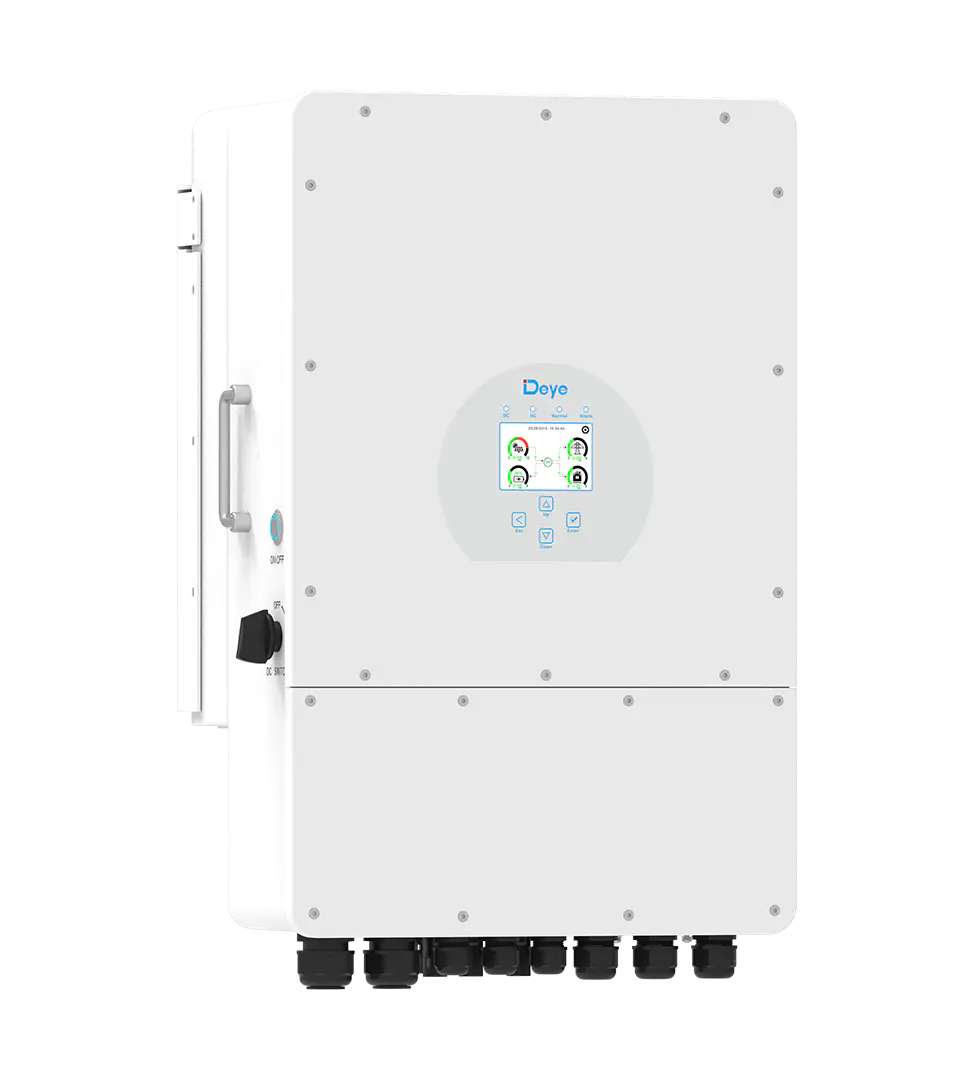
Selecting the right battery inverter for your solar panel system requires understanding the distinct characteristics and performance capabilities of different inverter technologies. The choice between string inverters, power optimizers, and microinverters significantly impacts your system's efficiency, monitoring capabilities, and long-term reliability. Each battery inverter type offers unique advantages depending on your installation conditions, shading patterns, and energy storage requirements.
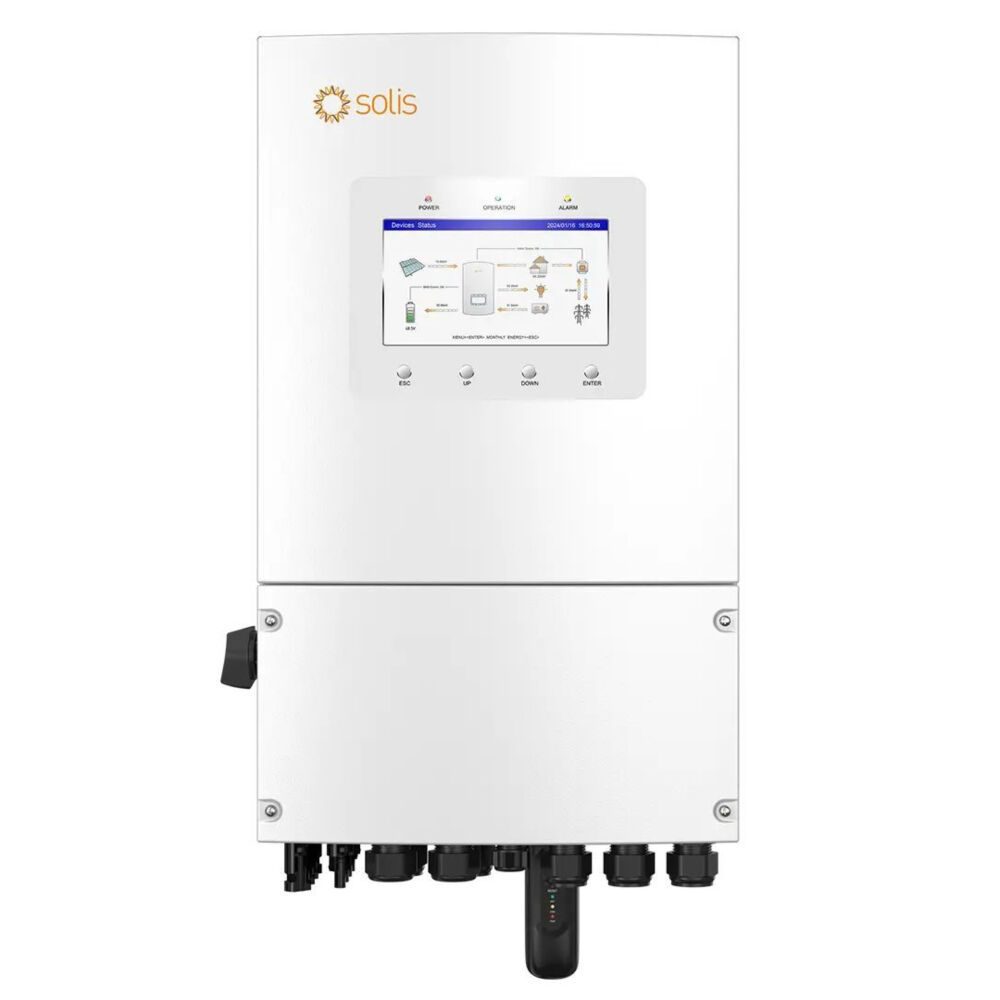
The compatibility between your battery inverter and solar panels determines not only your system's current performance but also its scalability and maintenance requirements over the next two decades. Modern solar installations increasingly integrate energy storage solutions, making the battery inverter selection process more complex than traditional grid-tied systems. Understanding which battery inverter configuration delivers optimal performance for your specific solar panel arrangement ensures maximum return on investment and energy independence.
String Inverters for Battery Systems
Centralized Battery Inverter Design
String battery inverters represent the most cost-effective solution for solar panel systems with uniform exposure conditions and minimal shading issues. These centralized units connect multiple solar panels in series, converting the combined DC output to AC power while managing battery charging and discharging cycles. The string battery inverter approach works exceptionally well for residential installations where panels face the same direction and experience similar environmental conditions throughout the day.
The primary advantage of string battery inverters lies in their simplified wiring architecture and lower per-watt cost compared to distributed alternatives. Installation complexity remains minimal since only one primary inverter unit requires mounting and electrical connections. Maintenance procedures become more straightforward when technicians need to diagnose issues or perform routine system checks, as all power conversion happens at a single location.
However, string battery inverter performance depends heavily on the weakest panel in each string configuration. When one panel experiences shading or develops performance issues, the entire string's output decreases proportionally. This limitation makes string battery inverters less suitable for installations with complex roof geometries or significant shading patterns during peak production hours.
Battery Integration Capabilities
Modern string battery inverters incorporate sophisticated battery management systems that optimize charging cycles and discharge patterns based on energy consumption profiles. These hybrid units monitor battery state of charge, temperature conditions, and grid availability to determine the most efficient energy flow patterns. The integrated approach eliminates the need for separate battery inverters and charge controllers, reducing overall system complexity and potential failure points.
String battery inverters typically support various battery chemistries including lithium-ion, lead-acid, and emerging technologies like lithium iron phosphate. The built-in battery management protocols ensure proper charging voltages, prevent over-discharge conditions, and maintain optimal battery health throughout the system's operational lifetime. Advanced string battery inverter models provide real-time battery monitoring through smartphone applications and web-based dashboards.
The scalability of string battery inverter systems allows homeowners to add battery capacity incrementally as energy storage needs evolve. Most units accommodate modular battery expansion without requiring significant system modifications or additional inverter hardware. This flexibility makes string battery inverters particularly attractive for installations where initial budget constraints limit battery capacity but future expansion remains desirable.
Power Optimizer Battery Solutions
Panel-Level Optimization Technology
Power optimizer battery inverter systems combine the cost benefits of string inverters with panel-level performance optimization capabilities. Each solar panel connects to a dedicated power optimizer that maximizes individual panel output before sending DC power to the central battery inverter unit. This configuration eliminates the string-level performance limitations while maintaining the economic advantages of centralized power conversion.
The power optimizer approach proves particularly effective for solar installations with partial shading, multiple roof orientations, or panels with different tilt angles. Each optimizer ensures that individual panel performance issues do not cascade through the entire system, maintaining optimal energy harvest even when some panels operate under suboptimal conditions. The battery inverter receives consistently optimized DC input, improving overall system efficiency and energy storage performance.
Power optimizer battery inverter systems provide detailed panel-level monitoring capabilities that simplify system maintenance and troubleshooting procedures. Installers and homeowners can identify underperforming panels quickly, monitor individual panel degradation patterns, and detect potential issues before they impact overall system performance. This granular visibility enhances the long-term reliability of both the solar array and battery inverter components.
Hybrid Energy Management
Power optimizer battery inverter configurations excel at managing complex energy flows between solar panels, battery storage, household loads, and grid connections. The central battery inverter processes optimized DC input from each panel while simultaneously managing battery charging protocols and grid-tie synchronization requirements. This integrated approach ensures maximum energy utilization during all operating conditions.
The sophisticated control algorithms in power optimizer battery inverter systems adapt to changing weather conditions, load patterns, and utility rate structures throughout the day. During peak solar production periods, the battery inverter prioritizes direct load supply while directing excess energy to battery storage or grid export as programmed. When solar production decreases, the battery inverter seamlessly transitions to battery power or grid import based on economic and energy independence objectives.
Advanced power optimizer battery inverter systems support multiple battery banks and can manage different battery chemistries within the same installation. This flexibility allows system owners to optimize battery selection based on specific use cases, such as daily cycling batteries for routine energy storage and reserve batteries for emergency backup power. The centralized battery inverter coordinates between battery banks to maximize overall system efficiency and battery lifespan.
Microinverter Battery Systems
Distributed Power Conversion
Microinverter battery systems represent the most granular approach to solar energy conversion and storage integration. Each solar panel connects to its own microinverter unit that handles both AC conversion and battery management functions at the panel level. This distributed architecture eliminates single points of failure while providing maximum flexibility for complex installation scenarios and future system modifications.
The primary advantage of microinverter battery systems lies in their ability to optimize each panel's performance independently while maintaining system-level energy storage coordination. When individual panels experience shading, soiling, or performance variations, other panels continue operating at peak efficiency without any impact from underperforming units. This resilience makes microinverter battery systems ideal for installations with challenging environmental conditions or irregular roof configurations.
Microinverter battery systems simplify installation procedures since each unit operates independently and requires minimal inter-panel wiring. Installers can complete panel installations incrementally, and system expansion requires only additional microinverter units without modifications to existing components. The modular nature of microinverter battery systems supports phased installations where budget or roof space constraints prevent complete system installation initially.
Advanced Battery Integration
Modern microinverter battery systems incorporate distributed energy storage capabilities that allow individual panels to charge dedicated battery modules or contribute to centralized battery banks. The distributed battery inverter approach enables fine-grained energy management where each panel's contribution to battery charging can be monitored and optimized independently. This granular control maximizes battery utilization efficiency and extends overall battery system lifespan.
The communication protocols in microinverter battery systems enable sophisticated coordination between individual units and central energy management systems. Each microinverter reports its panel performance, battery status, and energy flow patterns to create comprehensive system-wide optimization strategies. The battery inverter network adapts to changing conditions in real-time, ensuring optimal energy harvest and storage under all operating scenarios.
Microinverter battery systems offer superior monitoring capabilities compared to other battery inverter configurations, providing detailed performance data for each panel and associated battery storage component. This visibility enables predictive maintenance strategies, early problem detection, and performance optimization that maximizes return on investment. The detailed data collection also supports warranty claims and system performance verification over the installation's operational lifetime.
Selection Criteria for Optimal Performance
Installation Environment Assessment
Determining the best battery inverter type for your solar panels begins with a comprehensive evaluation of your installation environment and energy requirements. Rooftop configurations with uniform panel orientation, minimal shading, and consistent environmental conditions typically favor string battery inverter solutions due to their cost-effectiveness and simplified maintenance requirements. The centralized battery inverter approach works best when all panels can operate under similar conditions throughout the day.
Installations with complex roof geometries, multiple orientations, or significant shading patterns benefit from power optimizer or microinverter battery systems that maximize individual panel performance. These distributed approaches ensure that environmental challenges affecting some panels do not compromise overall system efficiency. The additional investment in panel-level optimization typically provides positive returns in challenging installation environments.
Geographic location and local weather patterns influence battery inverter selection since different technologies respond differently to temperature variations, humidity levels, and extreme weather events. String battery inverters may require additional cooling considerations in hot climates, while distributed systems offer inherent thermal advantages through heat distribution across multiple smaller units. The local climate conditions should factor into long-term reliability projections for each battery inverter type.
Economic and Performance Considerations
The total cost of ownership for different battery inverter types includes initial equipment costs, installation expenses, maintenance requirements, and expected lifespan considerations. String battery inverters typically offer the lowest upfront costs but may require more frequent maintenance and provide limited expansion flexibility. Power optimizer and microinverter battery systems require higher initial investments but often deliver superior long-term value through enhanced performance and monitoring capabilities.
Energy production optimization varies significantly between battery inverter types depending on installation conditions and system design requirements. Installations with minimal shading and uniform conditions may see little performance difference between string and distributed battery inverter approaches. However, complex installations with shading or orientation challenges often justify the additional cost of panel-level optimization through increased energy harvest and battery charging efficiency.
Future expansion plans should influence battery inverter selection since different technologies offer varying scalability options and modification requirements. String battery inverters may require significant system modifications for capacity increases, while distributed systems typically support incremental expansion with minimal impact on existing components. The flexibility to add panels or battery capacity over time can provide significant long-term value for growing energy needs.
FAQ
Can I mix different battery inverter types in the same solar installation?
Mixing different battery inverter types within a single solar installation is technically possible but generally not recommended due to coordination challenges and monitoring complexity. Each battery inverter type operates with different control protocols, communication methods, and optimization algorithms that can create conflicts when integrated into unified systems. Most manufacturers design their battery inverter products to work optimally with matching components from the same product family, and mixing technologies may void warranty coverage or create safety concerns.
How long do different battery inverter types typically last?
String battery inverters typically provide 10-15 years of reliable operation with proper maintenance, while microinverter and power optimizer systems often offer 20-25 year warranties that align with solar panel lifespans. The distributed nature of microinverter battery systems can extend overall system reliability since individual unit failures do not compromise entire system operation. However, the greater number of electronic components in distributed systems may result in more frequent individual component replacements over the system's lifetime, though these replacements are typically less disruptive than central battery inverter failures.
Which battery inverter type works best with different battery chemistries?
Most modern battery inverter types support multiple battery chemistries including lithium-ion, lithium iron phosphate, and lead-acid technologies, though compatibility varies by manufacturer and model. String battery inverters often provide the most flexible battery integration options since they can accommodate larger battery banks and multiple battery types within the same system. Microinverter battery systems may have more limited battery compatibility due to size and power constraints at the panel level, making them better suited for smaller, modular battery configurations that match individual panel output characteristics.
Do battery inverter types affect solar panel warranty coverage?
Solar panel warranties typically remain independent of battery inverter selection, though some manufacturers may require specific installation practices or compatible equipment to maintain full warranty coverage. The battery inverter type primarily affects the DC-side connections and monitoring capabilities rather than fundamental panel operation, so warranty implications are usually minimal. However, improper installation or incompatible battery inverter specifications could potentially void panel warranties if they cause damage or prevent proper system operation, making it important to verify compatibility requirements with both panel and battery inverter manufacturers before installation.