 EN
EN
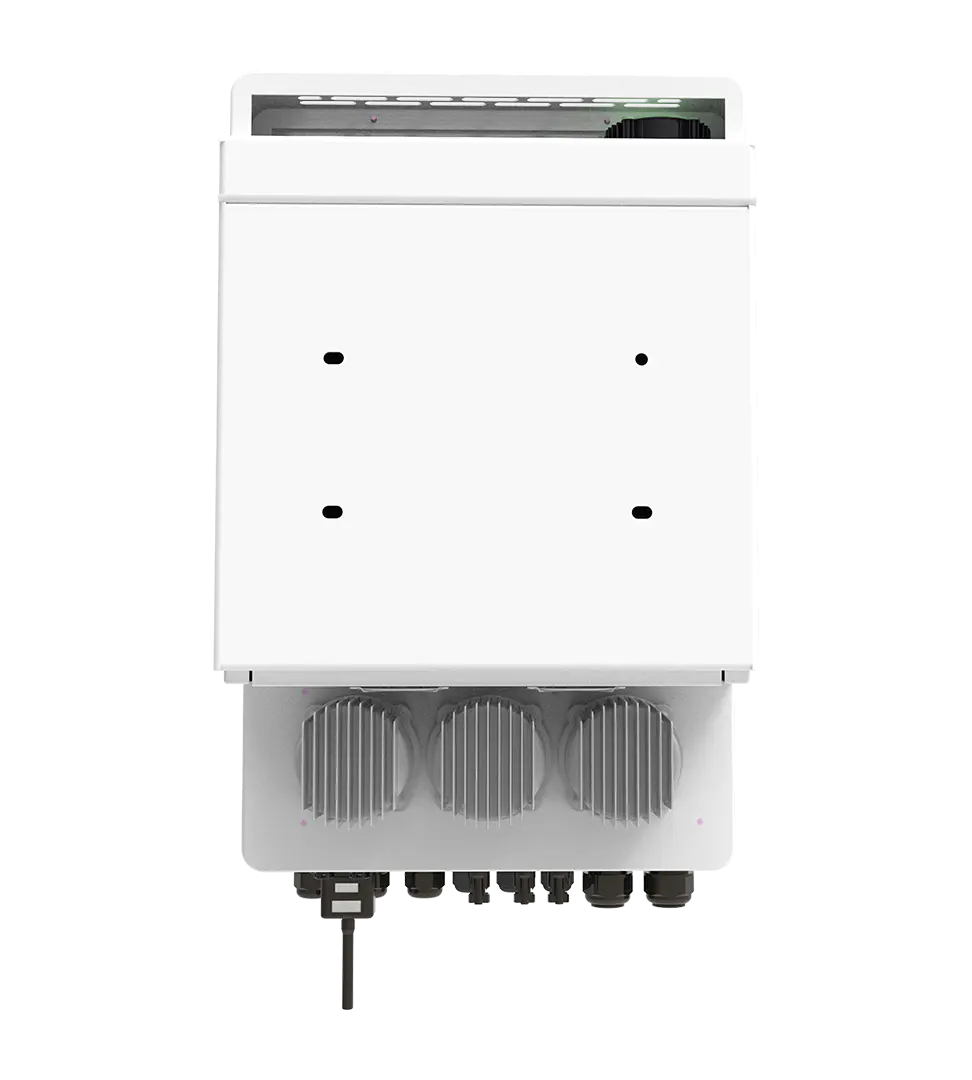
Determining the optimal timing for upgrading your battery inverter system requires careful evaluation of multiple performance indicators and business factors. A battery inverter serves as the critical bridge between your energy storage system and electrical infrastructure, converting DC power from batteries into AC power for facility operations. When this essential component begins showing signs of declining efficiency, compatibility limitations, or increased maintenance requirements, the decision to upgrade becomes both financially and operationally strategic.
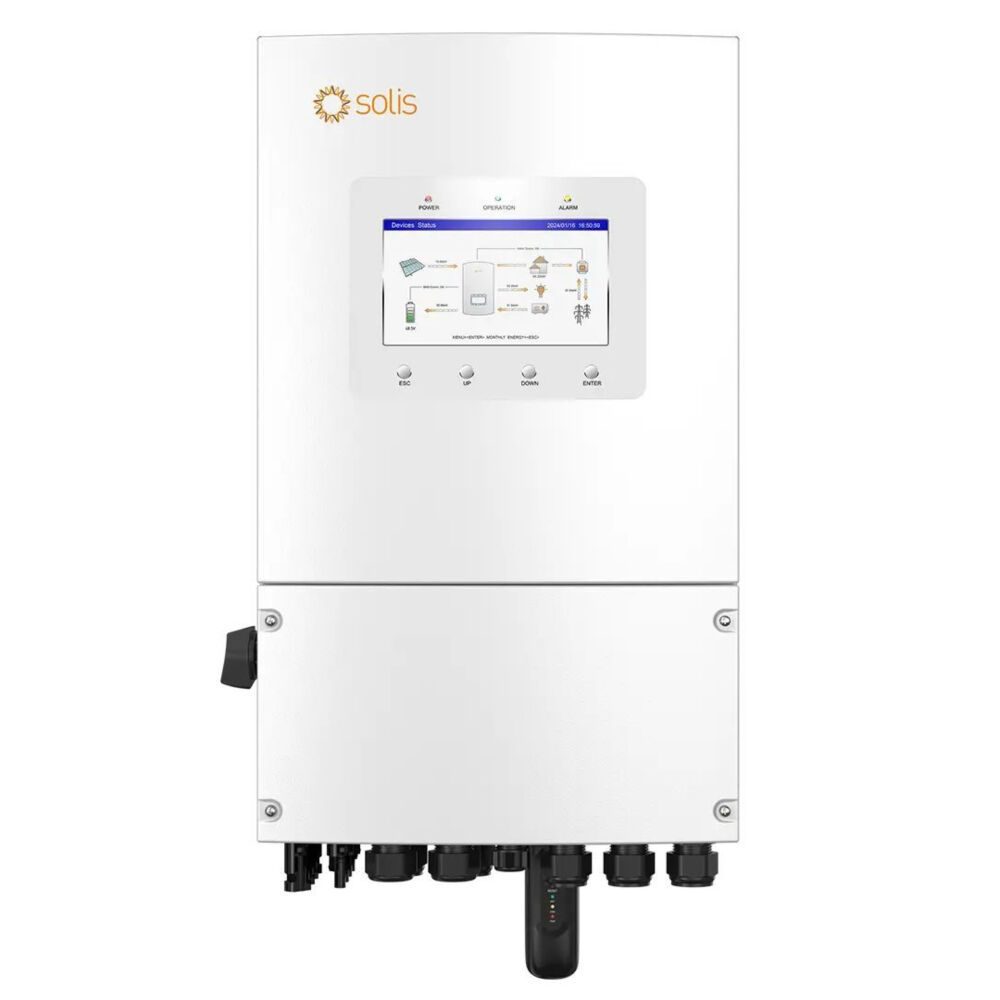
The timing of a battery inverter upgrade directly impacts your energy system's reliability, efficiency, and long-term cost-effectiveness. Industrial facilities and commercial operations depend on consistent power conversion performance, making the upgrade decision a critical component of energy infrastructure planning. Understanding the specific conditions that signal the need for replacement helps avoid unexpected downtime while maximizing the return on your energy storage investment.
Performance Degradation Signals
Efficiency Decline Indicators
A battery inverter typically maintains optimal efficiency for several years before gradual performance degradation becomes measurable. When conversion efficiency drops below 90% from the original specification, energy losses begin accumulating significant operational costs. Modern battery inverter systems should maintain conversion rates above 95% under normal operating conditions, with premium units achieving 98% or higher efficiency ratings.
Monitoring energy conversion data reveals efficiency trends that indicate when replacement timing becomes economically justified. Temperature-related performance variations often signal internal component aging, particularly in power semiconductors and filtering capacitors. Regular efficiency testing using calibrated measurement equipment provides objective data for upgrade timing decisions.
Energy audit reports comparing current battery inverter performance against baseline measurements help quantify actual efficiency losses. When monthly energy waste calculations exceed the amortized cost of a new system over 12-18 months, immediate upgrade planning becomes financially prudent.
Output Quality Deterioration
Power quality parameters including total harmonic distortion, voltage regulation, and frequency stability indicate battery inverter health status. THD levels exceeding 3% for voltage or 5% for current suggest internal component degradation requiring attention. Voltage regulation beyond ±2% from nominal values affects connected equipment performance and may violate electrical standards.
Frequency instability during load transitions indicates control system aging within the battery inverter circuitry. Modern inverters maintain frequency regulation within ±0.1 Hz under varying load conditions, with older units showing increased deviation as components age. Power factor correction capabilities also diminish over time, reducing overall system efficiency.
Waveform distortion analysis using power quality analyzers reveals subtle degradation patterns before obvious performance problems emerge. Regular power quality monitoring establishes baseline performance data essential for timing upgrade decisions based on measurable criteria rather than reactive maintenance responses.
Technological Advancement Factors
Communication Protocol Compatibility
Legacy battery inverter systems often lack modern communication protocols required for integration with current energy management systems. Newer installations demand Modbus TCP, CAN bus, or Ethernet-based communication capabilities that older inverters cannot support. This compatibility gap limits system monitoring, remote control, and automated optimization functions.
Smart grid integration requirements increasingly mandate advanced communication features that vintage battery inverter models cannot provide. Grid-tie functionality, demand response participation, and utility interconnection standards evolve rapidly, making older systems obsolete for regulatory compliance. Communication protocol limitations restrict participation in energy market programs that could offset operational costs.
Building automation system integration depends on standardized communication interfaces that modern battery inverter designs include as standard features. Facilities upgrading their overall control infrastructure often discover communication incompatibilities that necessitate inverter replacement to maintain system cohesion and operational efficiency.
Safety Standard Updates
Electrical safety standards including UL 1741, IEEE 1547, and IEC 62109 undergo periodic revisions that may affect battery inverter installation requirements. Newer safety standards often include arc fault detection, rapid shutdown capabilities, and enhanced ground fault protection that older inverters lack. Regulatory compliance considerations drive upgrade timing when existing systems cannot meet current safety requirements.
Fire safety protocols in commercial and industrial facilities increasingly require battery inverter systems with integrated safety monitoring and automatic disconnect capabilities. Insurance requirements and building code updates often mandate safety features unavailable in older inverter generations, creating compliance deadlines for system upgrades.
Personnel safety improvements in modern battery inverter designs include enhanced protection against electrical shock, improved insulation coordination, and better fault isolation mechanisms. These safety enhancements reduce liability exposure and maintenance risks, justifying upgrade investments from risk management perspectives.
Capacity and Load Matching Considerations
Power Demand Growth Assessment
Facility power demand typically increases over time due to equipment additions, operational expansion, or process intensification. When existing battery inverter capacity cannot support current peak loads with adequate reserve margin, upgrade timing becomes operationally critical. Load growth analysis helps predict when inverter capacity limitations will constrain facility operations or compromise backup power reliability.
Seasonal load variations and peak demand patterns affect battery inverter sizing requirements differently than when the original system was installed. Changed operational schedules, new equipment installations, or modified production processes may exceed original design parameters. Capacity utilization above 80% of rated output reduces inverter lifespan and efficiency while increasing failure risk.
Future expansion planning requires battery inverter systems sized for anticipated loads rather than current requirements. Upgrading before capacity constraints limit operations prevents emergency replacement situations and allows coordinated system optimization. Proper capacity matching ensures optimal efficiency across typical operating ranges while providing adequate surge capability.
Battery Bank Compatibility
Battery technology evolution often outpaces battery inverter compatibility, creating mismatches between energy storage and conversion components. Lithium-ion battery systems require different charging profiles and protection parameters compared to lead-acid technologies that older inverters were designed to support. Voltage range compatibility, charging algorithm sophistication, and battery management system integration determine successful pairing between storage and conversion equipment.
Battery bank expansion or replacement projects frequently reveal incompatibilities with existing inverter systems. New battery chemistries offer improved performance characteristics that older battery inverter designs cannot fully utilize. Upgrade timing often coincides with battery replacement to optimize overall system performance and ensure component compatibility.
Temperature compensation, state-of-charge monitoring, and cell balancing requirements vary significantly between battery technologies and generations. Modern battery inverter systems include sophisticated battery management capabilities that extend storage system lifespan and improve safety margins. Legacy inverters lacking these features may actually reduce battery performance and longevity.
Economic Justification Timeline
Maintenance Cost Escalation
Battery inverter maintenance requirements typically increase exponentially after the initial warranty period expires. Component replacement costs, service call frequency, and spare parts availability affect total ownership expenses significantly. When annual maintenance costs exceed 15% of replacement system cost, upgrade timing becomes economically favorable rather than continuing repair investments.
Preventive maintenance intervals shorten as battery inverter systems age, requiring more frequent inspections, calibrations, and component replacements. Labor costs for specialized service technicians increase maintenance expenses while facility downtime during service procedures affects operational productivity. Maintenance cost projections over remaining equipment lifespan often exceed new system investments.
Spare parts availability diminishes as battery inverter models become obsolete, leading to extended repair timeframes and increased inventory requirements. Critical component failures may require custom manufacturing or remanufactured parts that cost significantly more than standard replacements. Supply chain risks increase with equipment age, making replacement more attractive than continued maintenance dependency.
Energy Efficiency Return Calculations
Energy efficiency improvements in modern battery inverter designs typically provide 3-7% better conversion efficiency compared to systems manufactured over five years ago. This efficiency gain translates directly to reduced energy costs and lower battery capacity requirements for equivalent output power. Payback calculations based on energy savings often justify upgrades within 3-5 years depending on utilization patterns.
Standby power consumption in newer battery inverter systems has decreased substantially through improved circuit designs and power management features. Legacy systems may consume 2-5% of rated capacity in standby mode, while modern designs reduce this parasitic load to under 1%. Cumulative standby losses over annual operating periods represent significant cost savings opportunities.
Utility rate structures including time-of-use pricing, demand charges, and peak period rates affect the economic value of battery inverter efficiency improvements. Higher efficiency systems reduce both energy consumption and peak demand charges while enabling more effective load management strategies. Economic analysis should include all rate components affected by inverter performance characteristics.
FAQ
How long do battery inverters typically last before requiring replacement?
Most commercial battery inverter systems provide reliable service for 10-15 years under normal operating conditions, though performance degradation begins around year 7-10. Environmental factors including temperature extremes, humidity, and dust exposure can reduce lifespan to 8-12 years. Regular maintenance and proper ventilation extend operational life, while harsh industrial environments may necessitate replacement after 6-8 years of service.
What are the warning signs that indicate immediate battery inverter replacement is necessary?
Critical warning signs include frequent fault alarms, efficiency decline below 85%, output voltage regulation exceeding ±5%, and recurring component failures. Unusual noises, excessive heat generation, or visible component damage indicate imminent failure risk requiring immediate attention. Safety-related faults such as ground fault detection errors or arc fault protection failures mandate immediate shutdown and replacement planning.
Can you upgrade just the battery inverter without replacing the entire energy storage system?
Yes, battery inverter replacement is often possible without changing the entire storage system, provided voltage compatibility and communication interfaces match properly. However, significant battery bank modifications or technology changes may require complete system replacement for optimal performance. Professional assessment determines compatibility between existing batteries and new inverter technologies, ensuring proper integration and safety compliance.
How do you calculate the return on investment for a battery inverter upgrade?
ROI calculation includes efficiency improvements, maintenance cost reductions, and avoided downtime costs compared to new system investment. Energy savings from improved conversion efficiency typically provide 15-25% of total ROI, while reduced maintenance expenses and increased reliability contribute additional value. Payback periods range from 2-6 years depending on system utilization, energy costs, and operational criticality of the backup power system.
Table of Contents
- Performance Degradation Signals
- Technological Advancement Factors
- Capacity and Load Matching Considerations
- Economic Justification Timeline
-
FAQ
- How long do battery inverters typically last before requiring replacement?
- What are the warning signs that indicate immediate battery inverter replacement is necessary?
- Can you upgrade just the battery inverter without replacing the entire energy storage system?
- How do you calculate the return on investment for a battery inverter upgrade?