 EN
EN

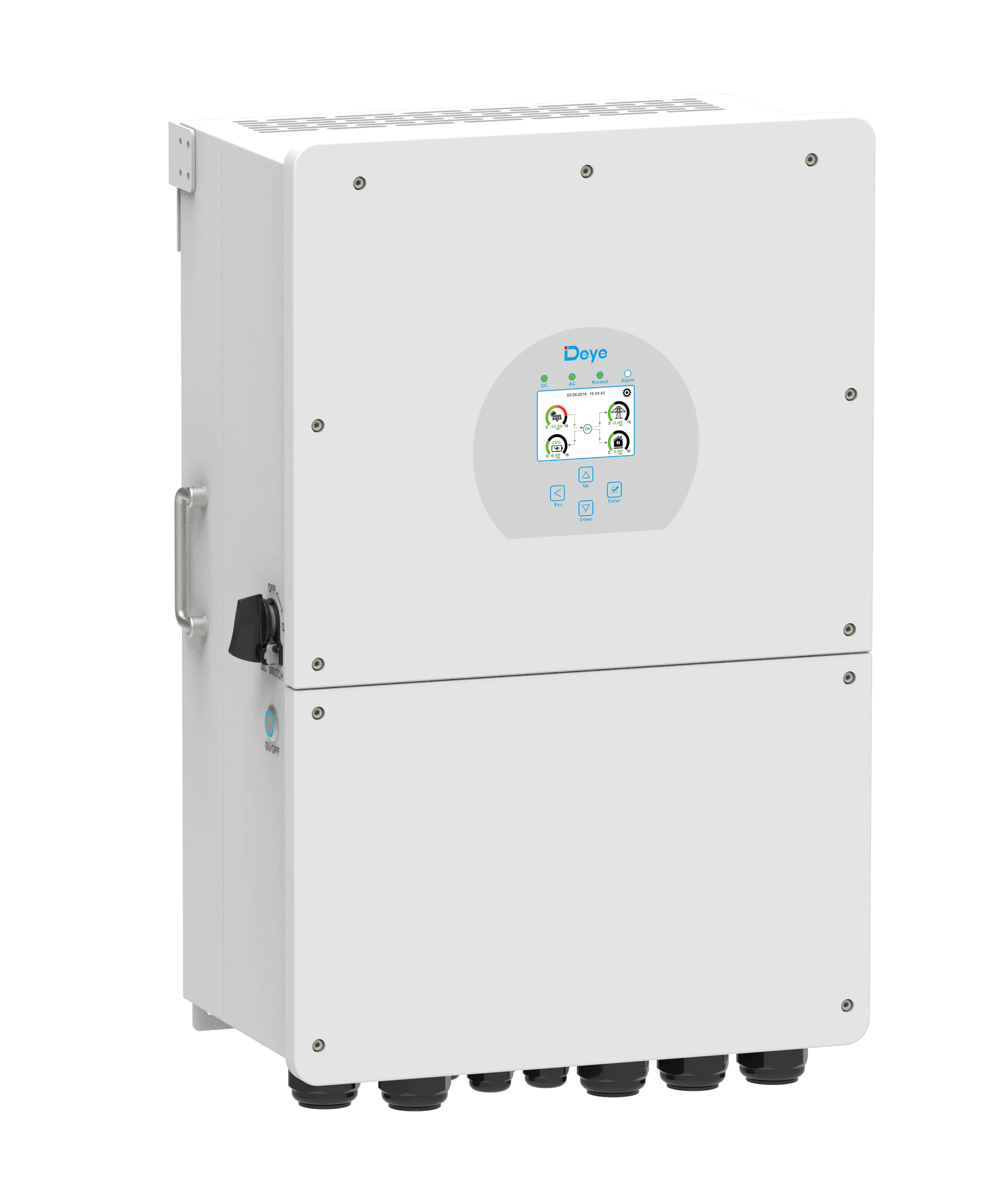
Selecting the correct power of inverter is one of the most critical decisions when designing a solar energy system. Many system designers and installers rush through this calculation, leading to undersized or oversized inverters that compromise efficiency, reliability, and return on investment. Understanding how to calculate the right power of inverter ensures your system operates at peak performance while meeting your actual energy demands without unnecessary expense.
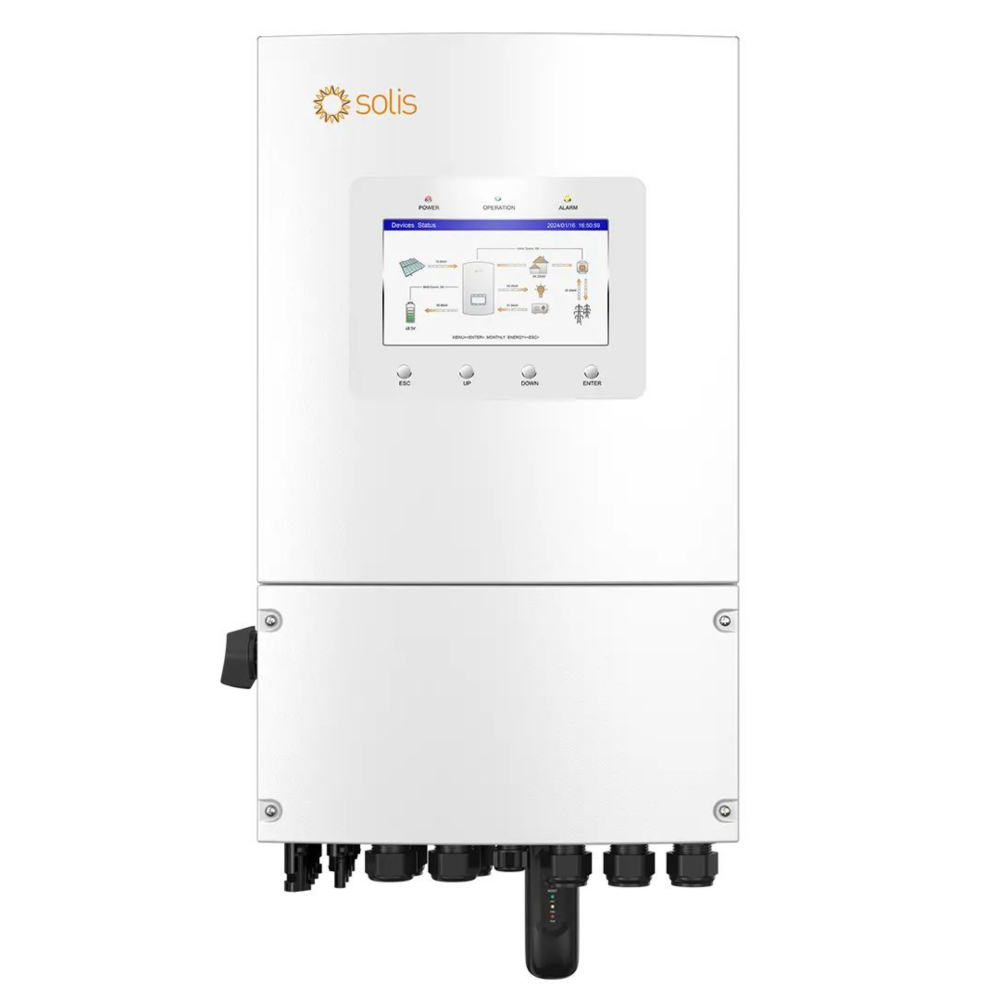
The power of inverter you choose must handle both continuous loads and temporary power surges that occur when motors and compressors start. A methodical approach to sizing prevents equipment damage, extends system lifespan, and maximizes the financial benefits of your renewable energy investment. This guide walks through the essential calculation steps, real-world application scenarios, and practical decision frameworks that industrial and residential users rely on.
Understanding Load Requirements and Inverter Sizing Fundamentals
Defining Total System Load and Peak Demand
Before you can determine the appropriate power of inverter, you must first audit every electrical device your system will power. Create a detailed inventory listing each appliance, tool, and equipment with its rated wattage. Include always-on devices like refrigerators, water heaters, and control systems, as well as occasional-use equipment like pumps, compressors, and heating units. The power of inverter must be large enough to handle your maximum simultaneous load—the highest total wattage drawn when multiple devices operate together.
Peak demand differs significantly from average consumption. Many users calculate the power of inverter based only on average daily usage, then face system shutdowns during peak hours. Your inverter's power of inverter rating must accommodate the worst-case scenario when all major appliances run simultaneously. For industrial facilities, this means considering production schedules and shift patterns. For residential systems, evening usage typically creates the highest demand when cooking, heating, and entertainment systems operate together.
Accounting for Inrush Current and Motor Starting Power
Motor-driven equipment creates temporary power spikes called inrush current that can exceed the motor's rated power by 300 to 400 percent. When calculating power of inverter capacity, you must add a safety margin to handle these surges. A well-sized power of inverter prevents shutdowns and voltage sag that damages sensitive electronics and reduces motor lifespan. Most system designers recommend selecting power of inverter capacity at least 25 to 50 percent larger than your calculated continuous load to absorb inrush safely.
For systems with multiple large motors, inrush considerations become even more critical. Pump systems, air compressors, and industrial machinery all demand substantial starting power. When calculating the power of inverter for these applications, verify the motor's starting wattage rating in the equipment documentation. Some manufacturers specify continuous and peak power separately. Your chosen power of inverter must support the peak starting requirement, not just the continuous operating rating.
Step-by-Step Calculation Methodology for Power of Inverter
Categorizing Loads and Assigning Wattage Values
Begin your power of inverter sizing calculation by organizing loads into three categories: essential, high-priority, and discretionary. Essential loads include refrigeration, medical equipment, security systems, and communication devices that must run continuously. High-priority loads are production equipment or comfort systems that should operate under normal conditions but can pause briefly during shortages. Discretionary loads are entertainment, heating, or auxiliary systems that can be shed if necessary. This categorization helps you right-size the power of inverter for your actual critical needs rather than peak theoretical demand.
For each appliance, record three values: rated continuous power in watts, peak or starting power if applicable, and estimated duty cycle or usage percentage. A refrigerator rated at 500 watts might only run 20 to 30 percent of the time, while a production machine might run 80 percent of the time. When calculating the power of inverter, use peak power for sizing capability, but consider duty cycles when estimating energy requirements and battery capacity. This distinction ensures your chosen power of inverter handles peak moments while maintaining efficiency during typical operation.
Applying Safety Margins and Derating Factors
After totaling your peak load requirements, apply appropriate safety margins before selecting your final power of inverter size. Industry best practice recommends a 20 to 30 percent buffer above your calculated maximum load. This margin accounts for measurement uncertainty, future load growth, and real-world inefficiencies. Your power of inverter operating constantly at maximum capacity generates excessive heat and reduces equipment lifespan. A properly sized power of inverter with adequate margin typically operates at 60 to 80 percent of its rated capacity during peak demand, optimizing longevity and efficiency.
Environmental factors also affect the practical power of inverter performance you should expect. High ambient temperatures reduce inverter output capacity through thermal derating. Manufacturers typically specify that power of inverter capacity decreases by approximately 1 to 2 percent for every degree Celsius above the rated baseline temperature. If your system operates in a hot climate or enclosed space, calculate your required power of inverter assuming 10 to 20 percent derated capacity. This adjustment ensures your inverter maintains full performance under real-world thermal conditions.
Application Scenarios and Practical Sizing Examples
Residential Solar Systems with Battery Backup
A typical residential home might have a main panel drawing maximum 30 to 40 amperes at 240 volts, equivalent to 7,200 to 9,600 watts peak. However, most homes don't run every circuit simultaneously, so your actual peak demand might be 5,000 to 7,000 watts. For a backup system, you might size the power of inverter at 6,000 to 8,000 watts to cover essential loads like refrigeration, water heating, and lighting. A power of inverter rated at 8,000 watts would handle a 6,500-watt actual peak with comfortable margin, allowing some future expansion and protecting against inrush events.
When selecting the power of inverter for residential battery backup, balance capacity against battery bank size and charging speed. A larger power of inverter draws more current from the battery during peak loads, depleting reserve charge faster. A smaller power of inverter cannot handle starting loads for air conditioning or large motors. Most installers recommend sizing residential power of inverter at 120 to 150 percent of your identified essential load, providing confidence for inrush handling without oversizing to the point of excessive battery drain.
Industrial and Commercial Applications
Industrial facilities with production equipment require much more rigorous power of inverter calculations. A manufacturing plant with three-phase 460-volt equipment might have continuous loads of 50 to 100 kilowatts with peak demands reaching 150 to 200 kilowatts when all machinery starts simultaneously. Three-phase motors present additional inrush challenges because not all phases energize identically, sometimes creating momentary imbalances. Your selected power of inverter must be rated for three-phase applications and have sufficient capacity to manage starting surges across all phases without voltage sag affecting precision equipment or control systems.
For applications where production cannot tolerate power interruptions, oversizing the power of inverter beyond strict calculated requirements provides insurance. A manufacturing facility might select power of inverter capacity 50 to 75 percent above peak calculated load, ensuring no load rejection during demand spikes and providing thermal headroom for sustained operation. This conservative approach increases capital cost but prevents production losses, protects expensive equipment, and reduces warranty claims. The investment in adequate power of inverter sizing often returns through avoided downtime costs within the first year of operation.
FAQ
What happens if my power of inverter is too small?
An undersized power of inverter causes the system to shut down or reduce load when demand exceeds its capacity. You experience brownouts, equipment damage from voltage sag, and inability to run all appliances simultaneously. Motors and compressors may fail to start, and sensitive electronics like computers or medical devices face damage from unstable power. Additionally, an inadequate power of inverter operates constantly at maximum capacity, generating excessive heat that dramatically shortens equipment lifespan and voids manufacturer warranties.
Can I oversize my power of inverter without problems?
A modestly oversized power of inverter (20 to 30 percent above calculated need) improves reliability and efficiency. However, an excessively large power of inverter increases initial cost without performance benefit and may draw excessive idle current from your battery. Very large oversizing creates unnecessary battery depletion during standby periods. Most experts recommend selecting power of inverter within 20 to 40 percent above peak demand rather than purchasing the largest available model. This balance optimizes system performance, battery longevity, and total cost of ownership.
How do I account for future load growth when sizing power of inverter?
When calculating power of inverter capacity, add 10 to 20 percent to your current peak load to accommodate future equipment additions. Consider planned expansions like electric vehicle charging, heating system upgrades, or production equipment additions. Rather than oversizing the power of inverter dramatically for speculative future needs, many system designers install modular inverters that can be stacked or upgraded later. Document your load calculation assumptions and chosen power of inverter rating in system records, allowing straightforward upgrades if actual usage patterns exceed original estimates.