 EN

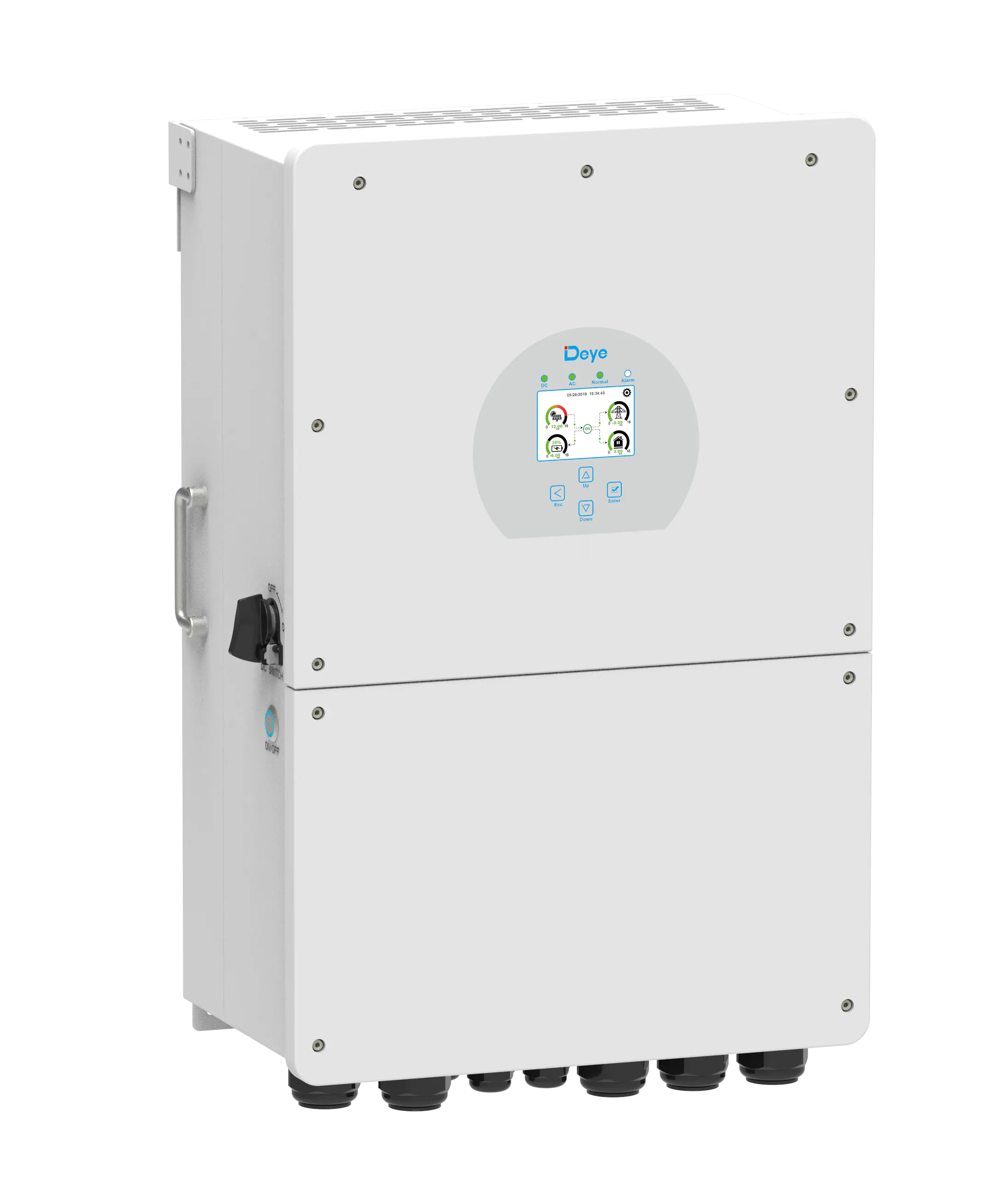
Deciding when to upgrade your power of inverter system is one of the most critical decisions for maintaining an efficient and reliable energy setup. Many facility managers and business owners delay this decision until system failures occur, leading to costly downtime and reduced energy independence. Understanding the right timing for a power of inverter upgrade can save thousands in emergency repairs and prevent operational disruptions that impact your bottom line.
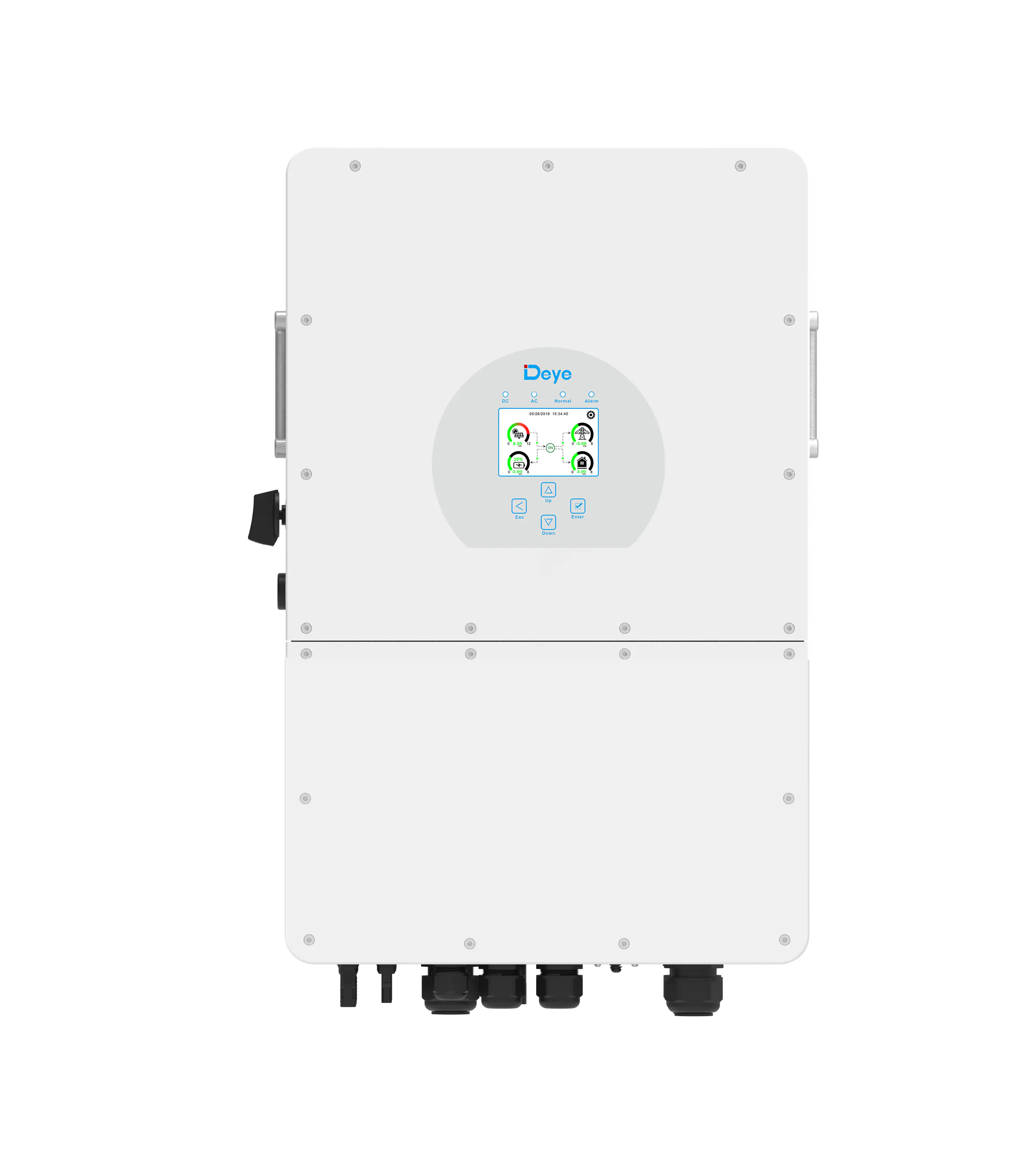
The timing of a power of inverter upgrade depends on multiple interconnected factors including system age, energy demand growth, efficiency degradation, and emerging technology benefits. A strategic approach to power of inverter replacement ensures your energy infrastructure stays aligned with operational demands while maximizing return on investment. This guide walks through the precise indicators that signal when upgrading your power of inverter system becomes not just beneficial, but essential for sustained performance.
Recognizing Age and Performance Degradation Signs
When Inverter Lifespan Nears Its Limit
Most industrial and commercial power of inverter systems operate effectively for eight to twelve years before performance begins to decline noticeably. A power of inverter reaching this age threshold should be evaluated for potential replacement, especially if it runs continuously or in demanding environments. Components inside your power of inverter degrade over time due to thermal cycling, electrical stress, and environmental exposure, reducing efficiency and reliability even if the unit still functions.
When your power of inverter approaches or exceeds a decade of operation, parts availability becomes increasingly difficult and repair costs escalate significantly. Manufacturers discontinue support for older power of inverter models, meaning technicians struggle to source replacement components. These hidden costs of maintaining an aging power of inverter often exceed the investment required for a modern, efficient replacement system.
Monitoring Efficiency Loss Over Time
A properly functioning power of inverter operates at ninety-five to ninety-eight percent efficiency under rated load conditions. When your power of inverter consistently operates below ninety-two percent efficiency, energy losses increase dramatically, inflating electricity costs month after month. Degraded semiconductors and worn capacitors inside your power of inverter reduce conversion efficiency, meaning more energy input is wasted as heat rather than converted to usable power.
Measuring actual power of inverter output against input reveals the true efficiency trend. If your power of inverter efficiency has declined three to five percent compared to manufacturer specifications, upgrading to a newer power of inverter model typically pays for itself within three to four years through energy savings alone. Modern power of inverter technology includes advanced cooling systems and optimized circuit designs that maintain peak efficiency across diverse operating conditions.
Assessing Growing Energy Demands and Load Requirements
When Current Capacity Cannot Meet Peak Loads
Expanding operations frequently require more electrical capacity than your current power of inverter can supply. If your power of inverter regularly hits eighty-five percent or higher capacity utilization, upgrading becomes urgent because the system leaves no headroom for demand spikes or additional loads. Operating your power of inverter consistently at high capacity accelerates component degradation and increases failure risk during peak periods.
When new equipment installations, production line expansions, or facility renovations increase your power requirements, your existing power of inverter may become inadequate. A power of inverter sized for yesterday's operational needs cannot reliably support tomorrow's demands. This mismatch between installed capacity and actual requirements creates both performance bottlenecks and safety concerns, making a power of inverter upgrade strategically necessary.
Planning for Scalable Future Growth
Strategic businesses upgrade their power of inverter systems proactively based on three to five year growth projections rather than waiting for capacity emergencies. A power of inverter sized to accommodate anticipated load growth prevents costly system replacements and minimizes operational disruption during expansion phases. When your power of inverter was originally sized for current needs without considering future scalability, upgrading to a higher-capacity model becomes part of responsible infrastructure planning.
Modern power of inverter installations should include twenty to thirty percent capacity overhead to accommodate growth without system stress. If your power of inverter leaves minimal buffer and your operation is growing, proactive replacement prevents future capacity crises. Advanced power of inverter systems also integrate modular designs that allow staged capacity additions, offering flexibility that aging power of inverter models cannot provide.
Evaluating Technology Improvements and Feature Benefits
Advanced Features in Modern Power of Inverter Systems
Newer power of inverter technology includes intelligent grid integration, advanced battery management, energy monitoring dashboards, and predictive maintenance capabilities that older power of inverter systems lack entirely. If your current power of inverter cannot communicate with modern energy management software or battery storage systems, upgrading enables seamless integration with evolving energy infrastructure. A power of inverter supporting real-time data analytics provides operational visibility that directly reduces energy costs and improves system reliability.
Contemporary power of inverter designs incorporate improved power factor correction, harmonic filtering, and surge protection that minimize equipment damage and electrical system stress. Upgrading to a modern power of inverter with these integrated protections reduces maintenance requirements across your entire facility. If your current power of inverter requires external filtering equipment or protection devices to meet industry standards, replacing it with a power of inverter incorporating advanced protection eliminates this added complexity.
Improved Reliability and Reduced Downtime
Modern power of inverter systems feature redundant components, enhanced thermal management, and self-diagnostic capabilities that substantially improve operational reliability. When your aging power of inverter experiences frequent shutdowns or warning faults, upgrading to a newer power of inverter model with built-in redundancy minimizes unexpected downtime. Contemporary power of inverter technology includes automatic load shedding, graceful degradation modes, and improved fault isolation that prevent catastrophic system failures.
Your power of inverter investment should translate into years of uninterrupted operation supporting critical business functions. If service interruptions from your current power of inverter create revenue losses exceeding the upgrade investment, replacement becomes financially justified. New power of inverter systems with extended warranties and manufacturer support provide peace of mind that aging equipment cannot offer.
FAQ
How do I know if my power of inverter efficiency has degraded?
Compare your current power of inverter output measurements against input power during standard operating conditions, then calculate the efficiency percentage. If your power of inverter efficiency has dropped below manufacturer specifications by more than two to three percent, degradation has become significant. Request a professional energy audit to verify your power of inverter performance and quantify efficiency losses in financial terms.
What capacity should I choose when upgrading my power of inverter system?
Select a power of inverter capacity that covers your current peak demand plus twenty-five to thirty percent headroom for future growth and load surges. Analyze your power of inverter usage patterns over twelve months to identify true peak requirements, then add the growth margin. This approach ensures your power of inverter investment remains adequate for three to five years of operational expansion without requiring another premature upgrade.
Can I upgrade my power of inverter incrementally or must I replace the entire system?
Some modern power of inverter systems support modular expansion where capacity increases are added progressively without replacing the entire installation. However, older power of inverter models typically require complete replacement as they lack scalability features. Evaluate whether your current power of inverter infrastructure supports expansion modules, or whether replacing it with a scalable power of inverter design offers better long-term flexibility and value.