 EN

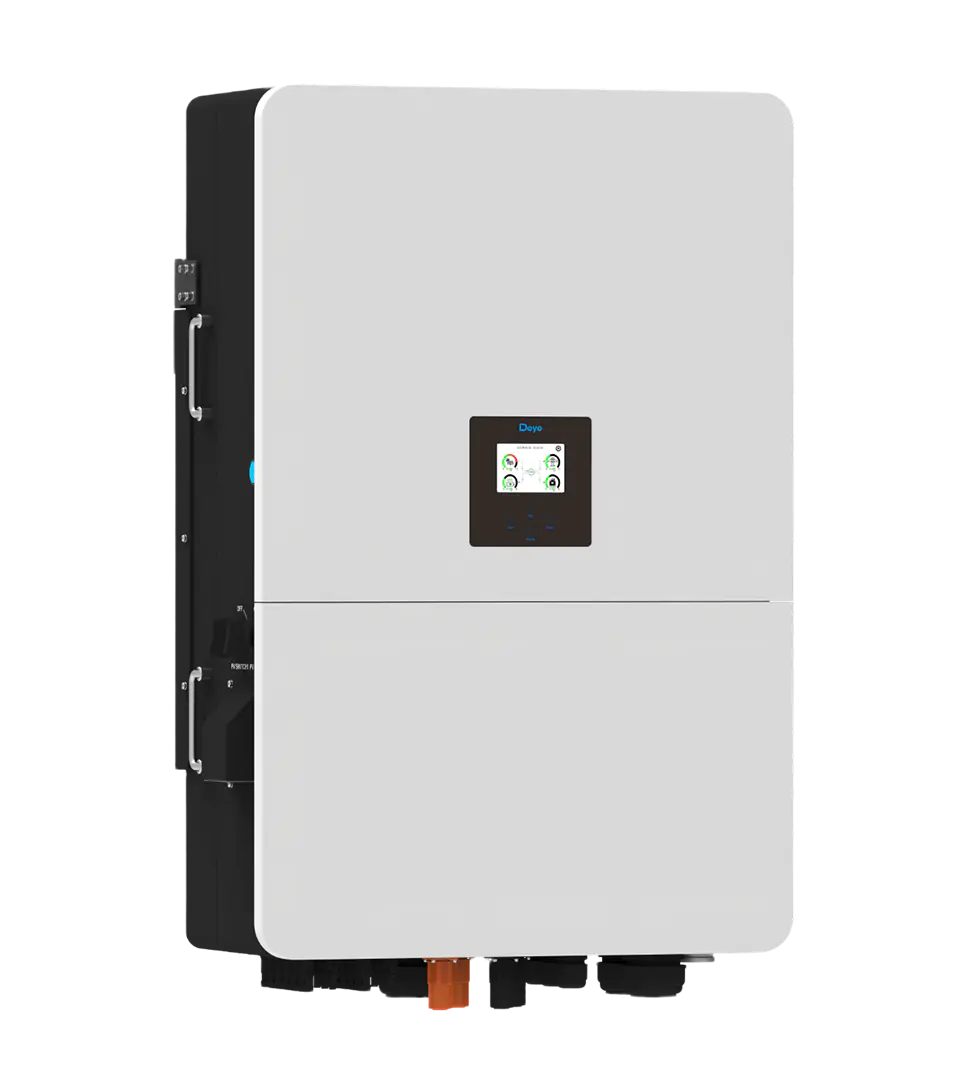
The power of inverter is one of the most critical specifications that determines how effectively your solar system converts and delivers electricity throughout your home or facility. Understanding how power of inverter influences system performance, efficiency, and longevity is essential for anyone investing in solar energy. An undersized inverter creates bottlenecks that limit energy output, while an oversized unit wastes capital and introduces unnecessary complexity. The power of inverter directly controls how much DC power from your panels gets converted to usable AC electricity, making it a foundational design decision.
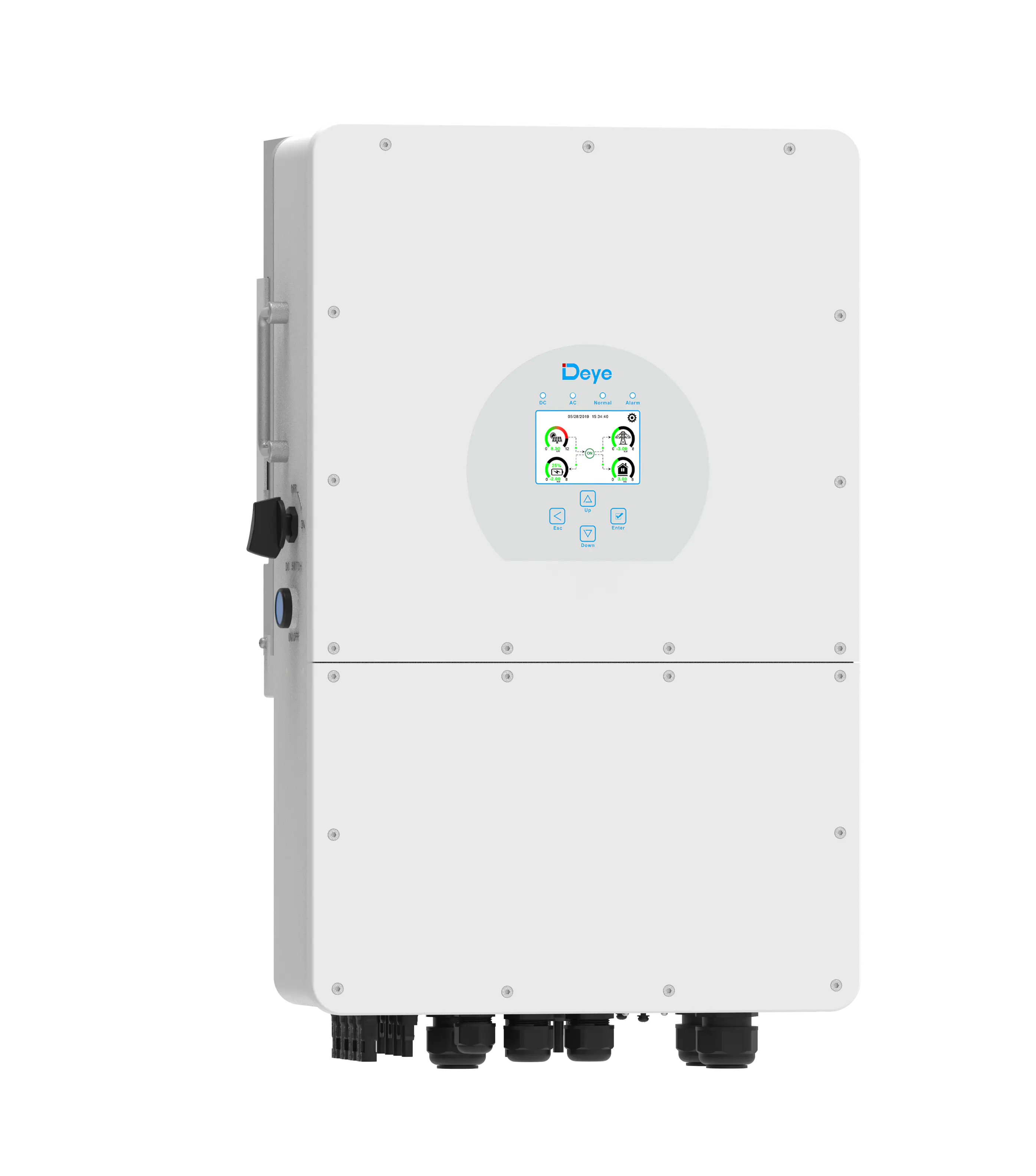
When you evaluate solar system specifications, the power of inverter appears alongside panel wattage and battery capacity as a key technical parameter. However, many system designers and installers treat power of inverter as a secondary consideration, leading to mismatched equipment and suboptimal performance. The reality is that power of inverter rating defines the maximum continuous power output your system can deliver, shapes your peak load capability, influences energy losses, and affects equipment lifespan. Proper alignment between panel capacity, battery systems, and power of inverter specifications is what separates high-performing installations from mediocre ones.
Understanding Power of Inverter Rating and System Matching
How Power of Inverter Defines System Output Capability
The power of inverter rating represents the maximum sustained AC power output that your inverter can deliver under normal operating conditions. This specification, typically measured in kilowatts (kW) or kilovolt-amperes (kVA), creates an absolute ceiling on the electrical power available to your home or business loads. When designing your solar installation, the power of inverter must be sufficient to handle your peak simultaneous power demand without triggering protective shutdowns or limiting energy flow. Many installers use a conservative approach, selecting power of inverter capacity at 80 to 100 percent of the system's DC array size to balance efficiency and cost.
Relationship Between Power of Inverter and Panel Array Size
The connection between power of inverter and your solar panel array is fundamental to system design philosophy. If your DC panel array generates 10 kilowatts but your power of inverter capacity is only 6 kilowatts, four kilowatts of production is effectively wasted during peak sunlight hours. Conversely, if power of inverter capacity significantly exceeds what your panels can deliver, you are investing in unused capability that adds cost without increasing energy harvest. Professional solar designers carefully match power of inverter specifications to expected panel output and anticipated loads to maximize both financial return and system reliability.
Impact of Power of Inverter on System Efficiency and Energy Losses
Efficiency Curves and Partial Load Performance
Modern inverters operate most efficiently when the power of inverter is being utilized at moderate to high load levels, typically 50 to 100 percent of rated capacity. When power of inverter operates at very low loads, idle losses increase proportionally, reducing overall system efficiency. If your power of inverter is dramatically oversized for your typical power demand patterns, the inverter spends most of its operating time in inefficient partial-load ranges. High-quality inverters maintain acceptable efficiency even at lower utilization levels, but selecting appropriate power of inverter capacity ensures your system operates in optimal efficiency zones more frequently.
Thermal Management and Reliability
The thermal stress on inverter components correlates directly with how close the system operates to its rated power of inverter limit. When an inverter consistently operates near maximum capacity, heat accumulation accelerates component degradation, reducing service life and increasing failure risk. A properly sized power of inverter system allows thermal cycling within safe margins, extending equipment longevity by 5 to 10 years in many installations. Environmental factors like ambient temperature, ventilation, and cooling system quality all interact with your power of inverter rating to determine actual operational lifespan and reliability.
Practical Sizing Strategies for Power of Inverter Selection
Demand-Based and Growth-Oriented Sizing Methods
Conservative sizing approaches recommend selecting power of inverter capacity based on your peak simultaneous electrical demand plus a 20 to 30 percent safety margin for future load growth. This strategy ensures your power of inverter has adequate headroom for occasional power surges, device startups, and seasonal demand variations without triggering voltage regulation issues. If you anticipate adding electric vehicle charging, heat pump systems, or other high-demand equipment in the future, your power of inverter sizing should account for those planned expansions. Undersizing power of inverter capacity to reduce upfront installation costs often creates expensive complications later when system demands exceed inverter capabilities.
Load Profile Analysis and Usage Patterns
Analyzing your actual power consumption patterns helps determine optimal power of inverter specifications without unnecessary oversizing. Facilities with stable, predictable loads benefit from power of inverter ratings closely matched to average demand, while those with highly variable demand patterns require more generous power of inverter capacity to handle spikes smoothly. Commercial and industrial applications demand more rigorous power of inverter calculations involving diversity factors, demand forecasting, and growth projections. Residential systems can often operate successfully with power of inverter rated at 120 to 150 percent of average household load, providing comfortable headroom for peak usage events.
FAQ
What happens if my power of inverter is too small for my solar panels?
When power of inverter capacity is undersized relative to your panel array, the inverter cannot accept all the DC power your panels generate during peak sunlight hours. This condition, called clipping, causes the excess energy to be wasted as heat or simply not harvested. Your system loses significant energy production over time, reducing annual output and financial returns. Additionally, undersized power of inverter systems may trigger protective shutdowns during high-irradiance events, interrupting power delivery and creating unreliable service.
Can I use a larger power of inverter than my solar panels require?
While oversizing power of inverter capacity does not damage equipment or create immediate operational problems, it wastes capital and reduces cost-effectiveness. A larger power of inverter than necessary increases upfront installation costs without improving energy harvest or system performance. However, if you plan significant future load growth or panel array expansion, purchasing additional power of inverter capacity upfront is often more economical than retrofitting later. The key is balancing current needs against realistic future expansion plans when selecting power of inverter specifications.
How does power of inverter rating affect battery system integration?
In hybrid or off-grid systems, power of inverter capacity must accommodate discharge rates from your battery storage without exceeding safety limits. The power of inverter rating determines how quickly batteries can deliver stored energy during peak demand or grid outages. Undersized power of inverter capacity relative to battery storage creates bottlenecks where available stored energy cannot be fully utilized. Professional battery-based solar systems match power of inverter specifications to both instantaneous battery discharge capability and realistic household or facility power demand patterns.