 EN

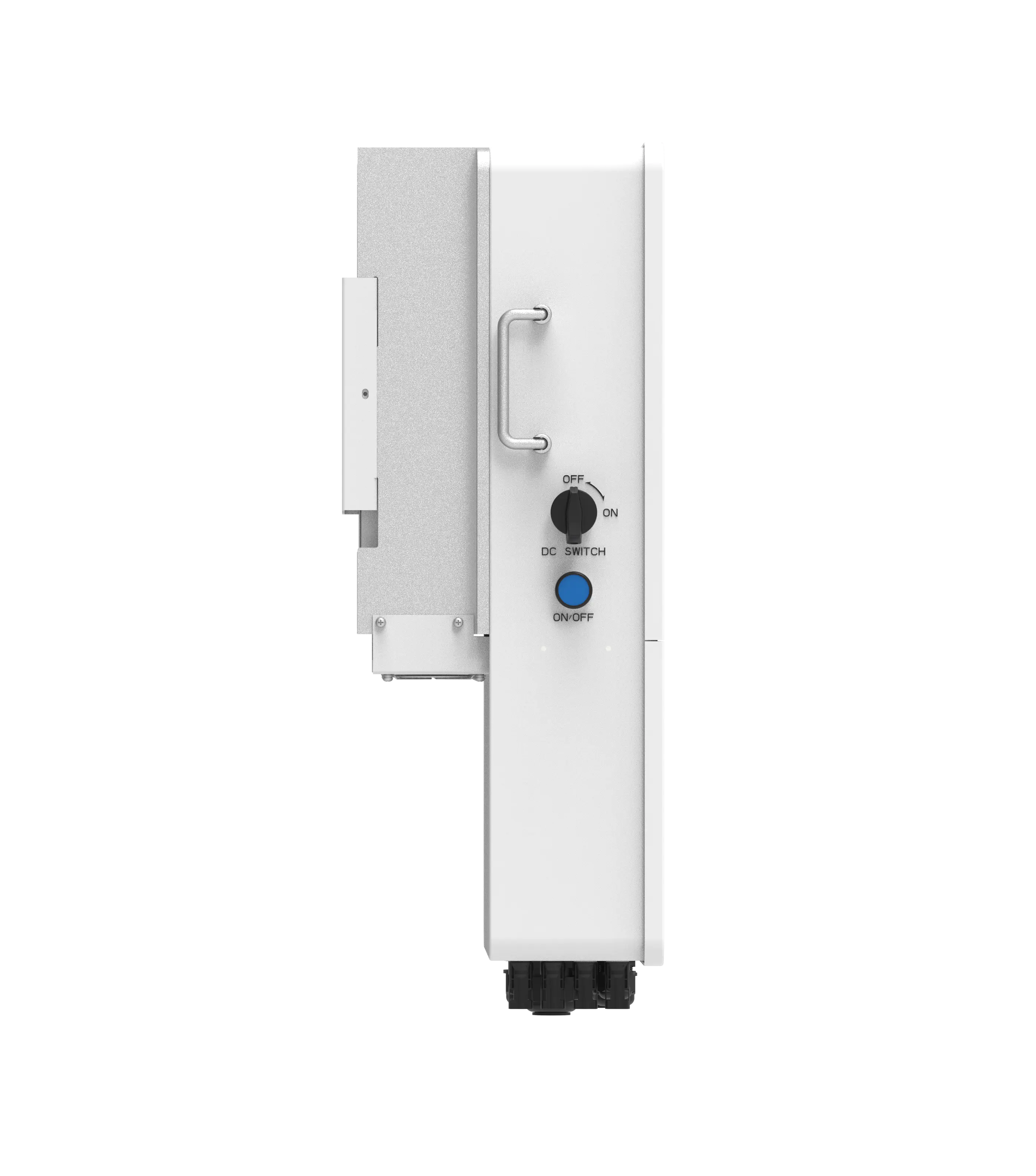
The power of inverter technology represents one of the most critical innovations in modern electrical systems, transforming how we generate, store, and distribute energy across residential, commercial, and industrial applications. Understanding the power of inverter fundamentals is essential for anyone working with solar energy, backup power systems, or renewable energy infrastructure. The power of inverter essentially enables the conversion of direct current (DC) electricity into alternating current (AC) electricity, making it possible to power standard household appliances and industrial equipment.
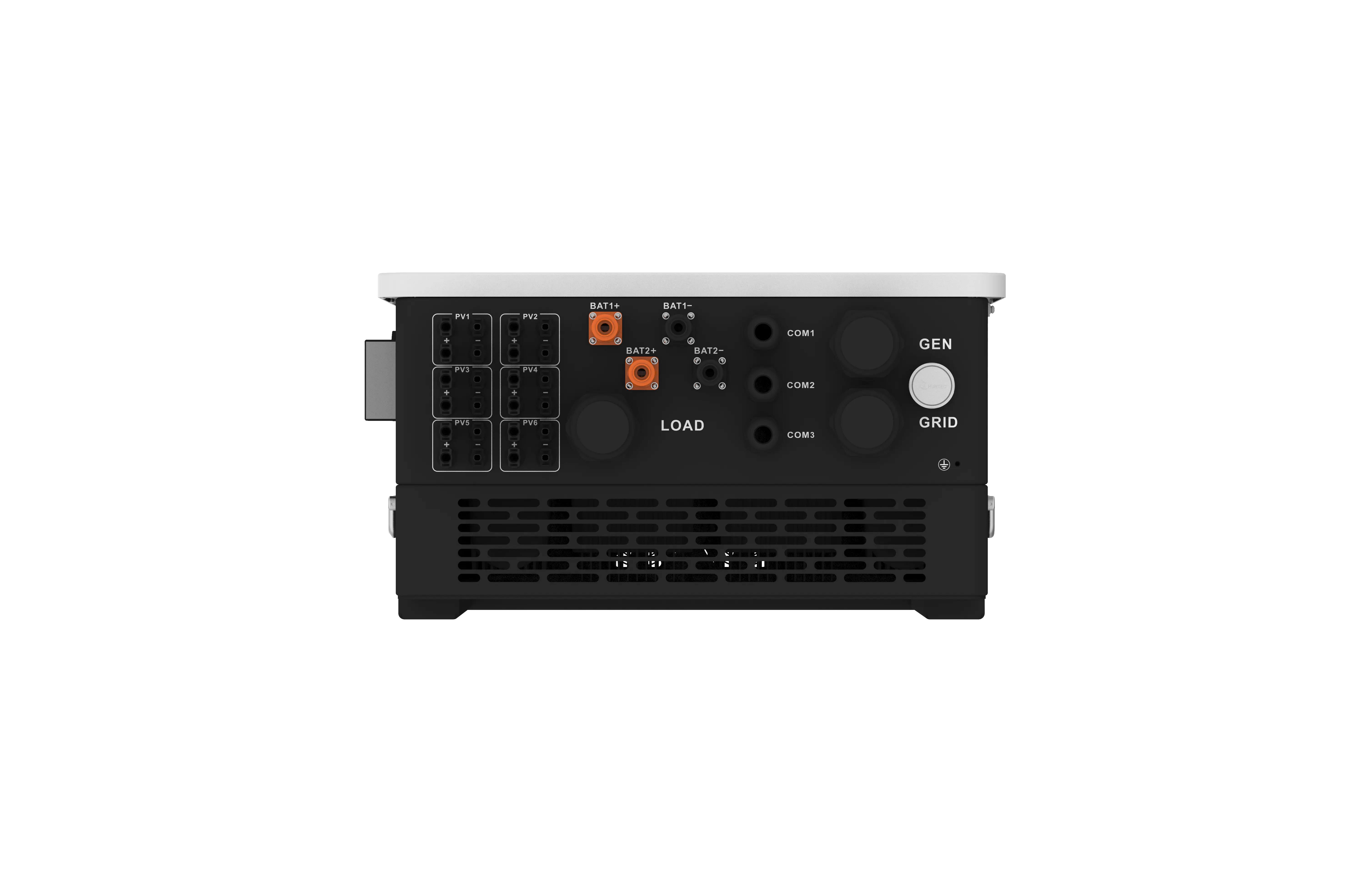
The power of inverter technology has become indispensable in contemporary energy management, particularly as renewable energy sources like solar panels and wind turbines gain widespread adoption. When solar panels generate electricity, they produce DC power, which cannot directly operate most household appliances and industrial machinery that require AC electricity. The power of inverter acts as the crucial bridge between renewable energy sources and end-use applications, enabling seamless energy conversion and distribution while maintaining voltage and frequency standards required by electrical equipment.
Understanding the Power of Inverter Fundamentals
Core Operating Principle of Power of Inverter
The power of inverter operates by switching DC input rapidly between positive and negative polarities, creating a stepped waveform that approximates alternating current. This switching occurs thousands of times per second, with modern power of inverter systems achieving frequencies of 10 kHz or higher. The power of inverter then uses filtering circuits and transformer components to smooth this waveform into the standard 50 Hz or 60 Hz AC electricity used in power grids and residential applications, ensuring compatibility with existing electrical infrastructure and appliances.
Key Components Within Power of Inverter Systems
Every power of inverter contains several essential components working in coordination: input terminals for DC power connection, semiconductor switches (typically IGBTs or MOSFETs) that control the switching process, a control circuit that manages timing and frequency, filtering components that clean the output waveform, and output terminals for AC delivery. The power of inverter also includes protection circuits that prevent damage from overloads, overvoltage conditions, and short circuits. Thermal management systems are integrated into power of inverter designs to dissipate heat generated during the conversion process, ensuring reliable long-term operation and preventing component degradation.
How the Power of Inverter Conversion Process Works
Step-by-Step Conversion Mechanism of Power of Inverter
The power of inverter begins conversion when DC electricity enters from the battery or solar array, flowing into the semiconductor switches controlled by the central processing unit. The power of inverter's control circuitry generates precise timing signals that switch these semiconductors on and off in rapid sequence, creating a square wave pattern. The power of inverter then feeds this switched output through LC filters containing inductors and capacitors that remove high-frequency components and smooth the waveform into a cleaner sinusoidal shape. Finally, the power of inverter outputs this AC electricity at the required voltage and frequency, ready for appliance or grid connection.
Voltage Transformation and Frequency Regulation
The power of inverter must precisely regulate both voltage output and frequency to meet equipment requirements and grid standards. Modern power of inverter systems employ feedback sensing that continuously monitors output voltage and frequency, adjusting semiconductor switching patterns in real-time to maintain specifications. The power of inverter typically outputs 110V or 220V at 50 Hz or 60 Hz depending on regional standards and application requirements. For industrial applications, the power of inverter may include transformer stages that increase voltage to distribution levels, allowing efficient power transmission across larger distances.
Industrial Applications and Practical Benefits of Power of Inverter
Solar Energy Integration Using Power of Inverter
Solar photovoltaic systems depend entirely on power of inverter technology to convert the DC electricity generated by solar panels into grid-compatible AC electricity. A typical residential solar installation uses a power of inverter rated between 3 kW and 10 kW, matching the peak output of the solar array. The power of inverter continuously tracks the optimal operating point of the solar array, adjusting its input resistance to maximize energy harvest. In commercial solar farms, multiple power of inverter units work in parallel, collectively handling megawatt-scale power conversion while maintaining synchronized frequency and voltage output.
Backup Power and Energy Storage Applications
Battery backup systems rely on power of inverter technology to convert stored DC energy from batteries into AC electricity during grid outages or load-peak conditions. The power of inverter responds instantly to power loss, typically within milliseconds, ensuring uninterrupted supply to critical equipment and facilities. Hybrid energy systems combine power of inverter with battery storage, allowing households and businesses to maximize self-consumption of renewable energy and minimize grid dependence. The power of inverter in these systems often includes bidirectional capabilities, allowing energy flow in both directions when connected to smart grids or vehicle-to-grid infrastructure.
FAQ
What efficiency rating should I expect from modern power of inverter systems?
Modern power of inverter technology typically achieves efficiency ratings between 94% and 98%, meaning 94 to 98 percent of input DC power converts to usable AC output. High-quality power of inverter systems from reputable manufacturers often achieve 97% efficiency at rated capacity, though efficiency varies with load levels. The power of inverter operates most efficiently at 70 to 90 percent of its rated capacity, so matching power of inverter size to actual system requirements optimizes performance.
Can power of inverter systems operate with multiple input sources simultaneously?
Yes, hybrid power of inverter systems can integrate multiple input sources including solar arrays, grid electricity, and battery storage. The power of inverter intelligently manages power flow between sources, prioritizing renewable energy while maintaining continuous supply. Advanced power of inverter designs include automatic switching logic that seamlessly transitions between power sources without service interruption, making them ideal for resilient power infrastructure in remote locations or unreliable grid environments.
How does temperature affect power of inverter performance and lifespan?
Temperature significantly impacts power of inverter reliability and longevity, with component degradation accelerating at elevated temperatures. Most power of inverter systems maintain specifications between -10°C and 45°C ambient temperature, though derating occurs above 40°C. The power of inverter includes thermal management through cooling fans or passive heatsinks that dissipate waste heat, extending operational lifespan. Proper installation with adequate ventilation and passive cooling can add five to ten years to power of inverter service life compared to systems operating in poorly ventilated enclosures.