 EN

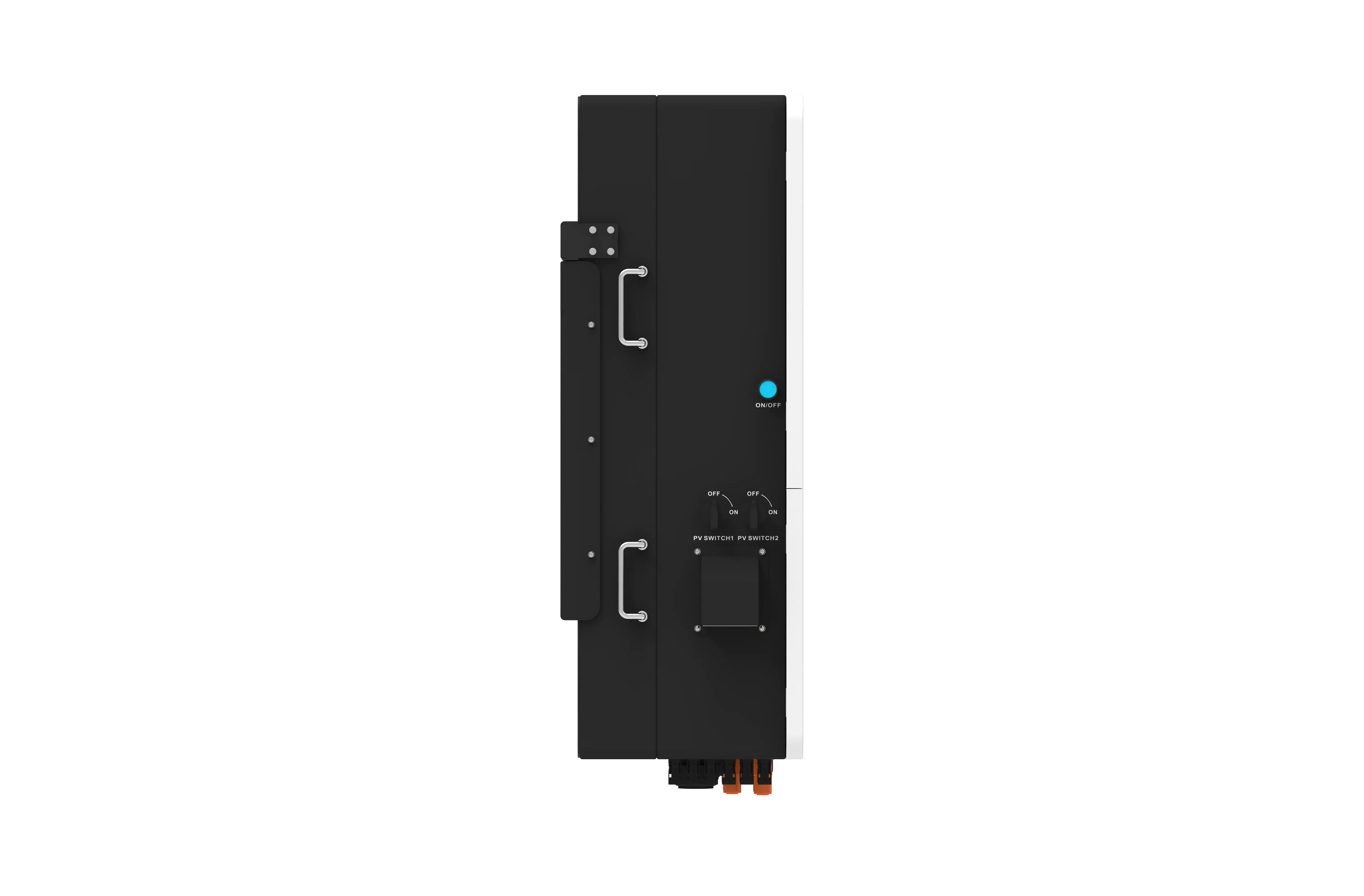
When unexpected power outages strike, the reliability of your home backup system depends entirely on one critical factor: the power of inverter you install. Many homeowners focus only on battery capacity, overlooking that the power of inverter directly determines whether your essential appliances stay running or fail during emergencies. Understanding why power of inverter matters is the foundation of designing a backup system that genuinely protects your household when the grid fails.
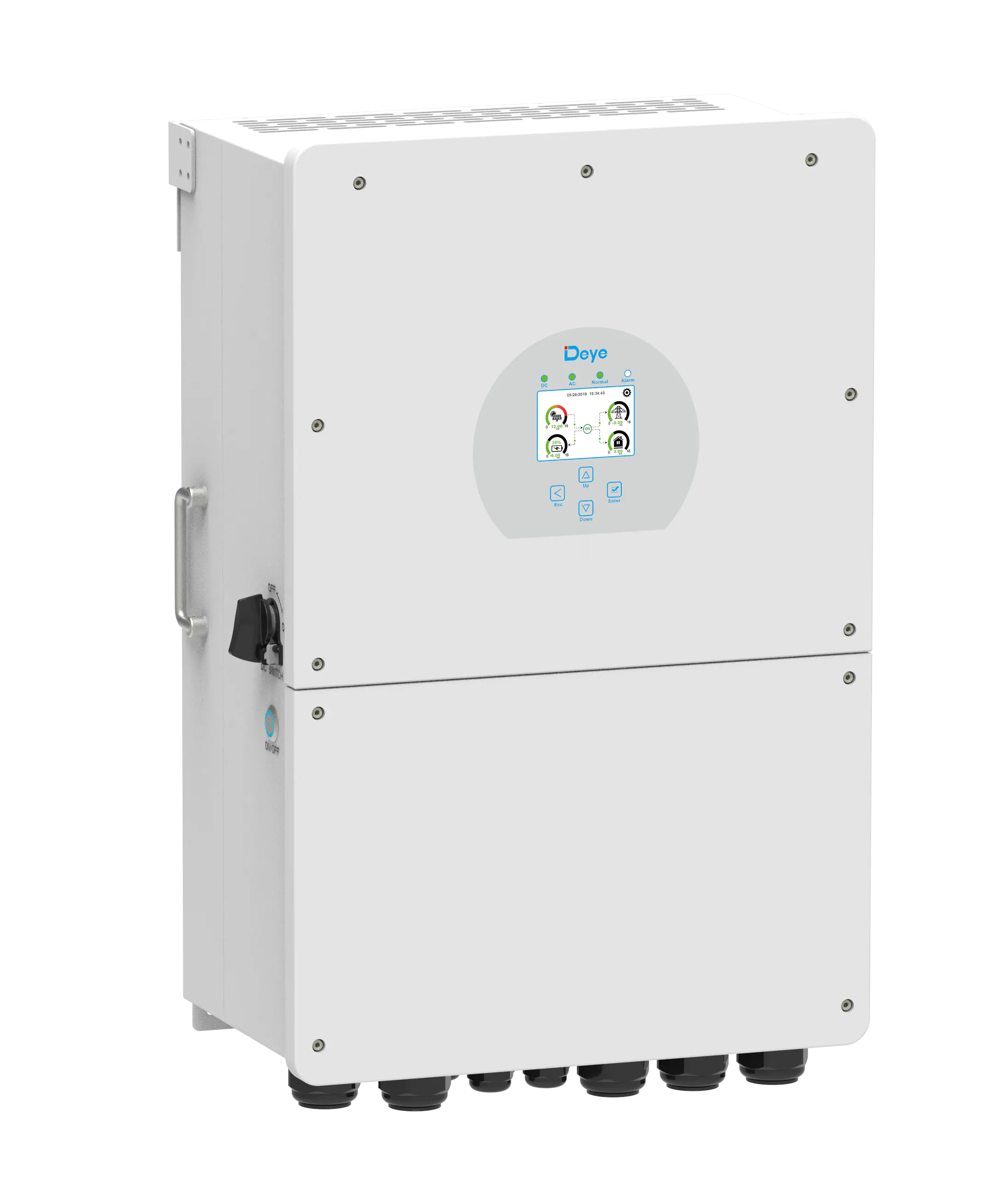
The power of inverter represents the maximum instantaneous electrical load it can convert from direct current stored in batteries into alternating current needed by your home equipment. Without adequate power of inverter capacity, critical devices will either operate at reduced efficiency or simply refuse to start. This hidden requirement explains why some backup systems fail despite having large battery banks—they lack sufficient power of inverter to match demand.
Understanding Inverter Capacity and Continuous Power Requirements
What the Power of Inverter Actually Measures
The power of inverter is measured in kilowatts (kW) or kilovolt-amperes (kVA), representing the continuous power output the device can sustain indefinitely. Every appliance in your home requires a specific amount of power to operate, and the total simultaneous demand determines the minimum power of inverter you need. For example, if you run a 3 kW air conditioning unit, 1.5 kW refrigerator, and 0.5 kW lighting simultaneously, you need at least 5 kW power of inverter capacity to handle this combined load without failure.
Beyond continuous ratings, the power of inverter must handle startup surge requirements that exceed normal operating power. Electric motors, air compressors, and refrigeration systems draw 2–4 times their running power during startup, which is why undersized power of inverter frequently fails when these devices activate. Professional system designers always specify power of inverter capacity with surge tolerance built in, ensuring reliable startup across all essential appliances during backup operation.
Matching Power of Inverter to Home Consumption Patterns
Calculating the required power of inverter starts with auditing your actual home consumption during power outages. Most households need 3–8 kW power of inverter for comfortable backup of essential systems including refrigeration, lighting, water pumping, and limited climate control. Homes with high electrical demands, such as those using electric heating or running large workshop equipment, may require 10–15 kW power of inverter to maintain adequate backup coverage.
The power of inverter capacity you select should never exceed your battery system's ability to deliver sustained current, as this creates a mismatch between supply and demand. A 48V battery bank can typically support 5–8 kW power of inverter without excessive voltage sag, while 96V or 120V systems can handle 10–20 kW power of inverter with stable performance. Right-sizing the power of inverter ensures efficient energy conversion and protects both your batteries and inverter from premature wear.
Performance Impact of Undersized Inverter Power
Voltage Sag and Equipment Damage Risks
When the power of inverter cannot deliver sufficient current to meet simultaneous household demand, battery voltage sags dramatically, sometimes dropping 20–30% below nominal levels. This voltage reduction damages sensitive electronics, shortens motor lifespan, and prevents appliances from functioning normally—all while your batteries drain rapidly due to excessive current draw. Undersized power of inverter essentially creates a bottleneck where the battery works harder to compensate, accelerating battery degradation and reducing overall system longevity.
Equipment protection devices inside modern appliances often disconnect power when voltage dips too low, causing unexpected shutdowns during backup operation. Your refrigerator might unexpectedly stop cooling, water pump may cease operation, and computers could suffer data loss if the power of inverter capacity drops below safe thresholds. These cascading failures demonstrate that the power of inverter is not merely a specification—it is the primary determinant of backup system reliability and equipment safety.
Load Shedding and Operational Limitations
Systems with insufficient power of inverter require deliberate load management, where homeowners manually disconnect certain appliances to prevent overload trips. This defeats the purpose of automatic backup, forcing you to make critical decisions during emergencies about which devices to keep running. The power of inverter capacity shortage transforms your backup system from autonomous protection into a manual management burden that fails precisely when you need it most.
Many backup systems with undersized power of inverter exhibit intermittent failures, where the inverter shuts down unpredictably when loads exceed internal thresholds, leaving you in darkness for critical minutes. These repeated disconnections damage battery health, degrade inverter electronics, and create false confidence in a system that cannot actually protect your home reliably. Adequate power of inverter prevents these operational failures by providing headroom for load variations and startup surges.
Optimizing Power of Inverter for Long-Term Home Protection
Future-Proofing Your Backup System
Selecting power of inverter capacity should anticipate future changes in home electrification and lifestyle, not just current consumption patterns. Electric vehicles, heat pump heating systems, and expanded home office equipment increase electrical demand over time, making today's adequate power of inverter undersized in five years. Installing 20–30% excess power of inverter capacity now prevents costly system upgrades and ensures your investment provides reliable protection as your home evolves.
The marginal cost difference between 6 kW and 8 kW power of inverter is minimal compared to replacement costs, making over-capacity a practical investment strategy. Grid-connected solar systems often include the power of inverter specified for daytime solar generation plus nighttime backup, creating natural capacity that handles future demand growth efficiently.
Integration with Battery and Solar Systems
The power of inverter capacity must harmonize with both battery bank voltage and solar array charging rates to function optimally. A 10 kW power of inverter draws enormous current from a small 48V battery, potentially causing excessive voltage sag, but the same power of inverter on a 120V system maintains stable voltage and reliable performance. Professional system design balances power of inverter specifications with battery chemistry, solar generation capacity, and expected load patterns to maximize overall system efficiency.
Systems designed with properly matched power of inverter capacity experience 15–25% better overall efficiency compared to undersized alternatives, because reduced voltage sag minimizes resistive losses in batteries and wiring. The power of inverter capacity you invest in determines not only reliability but also the total cost of ownership over the system lifetime, making it the single most important specification in your backup installation.
FAQ
What happens if my power of inverter is too small for my home?
If your power of inverter capacity is insufficient, appliances will fail to start, voltage will sag dangerously, inverter protection circuits will shut down during high demand, and your battery system will degrade rapidly. Undersized power of inverter prevents your backup system from functioning during emergencies, essentially rendering your investment useless when you need it most. Always specify power of inverter capacity with at least 30% headroom above your peak simultaneous load requirements.
How do I calculate the right power of inverter size?
List all appliances you want running simultaneously during a power outage, add their power ratings in watts or kilowatts, multiply motor-driven devices by 3–4 to account for startup surge, and add 20–30% capacity margin for safety and future growth. Most residential homes require 5–10 kW power of inverter, but high-demand households may need 15–20 kW. Consulting a solar professional ensures your power of inverter selection matches your battery voltage, solar capacity, and actual usage patterns precisely.
Can I upgrade my power of inverter later?
Yes, you can upgrade your power of inverter later, but doing so requires replacing the existing unit and possibly upgrading your battery bank if it cannot deliver sufficient current to the larger power of inverter. Initial installation with oversized power of inverter is far more cost-effective than replacement upgrades later. Planning ahead with adequate power of inverter capacity eliminates expensive future retrofitting and ensures your backup system remains reliable as your household needs evolve.