 EN

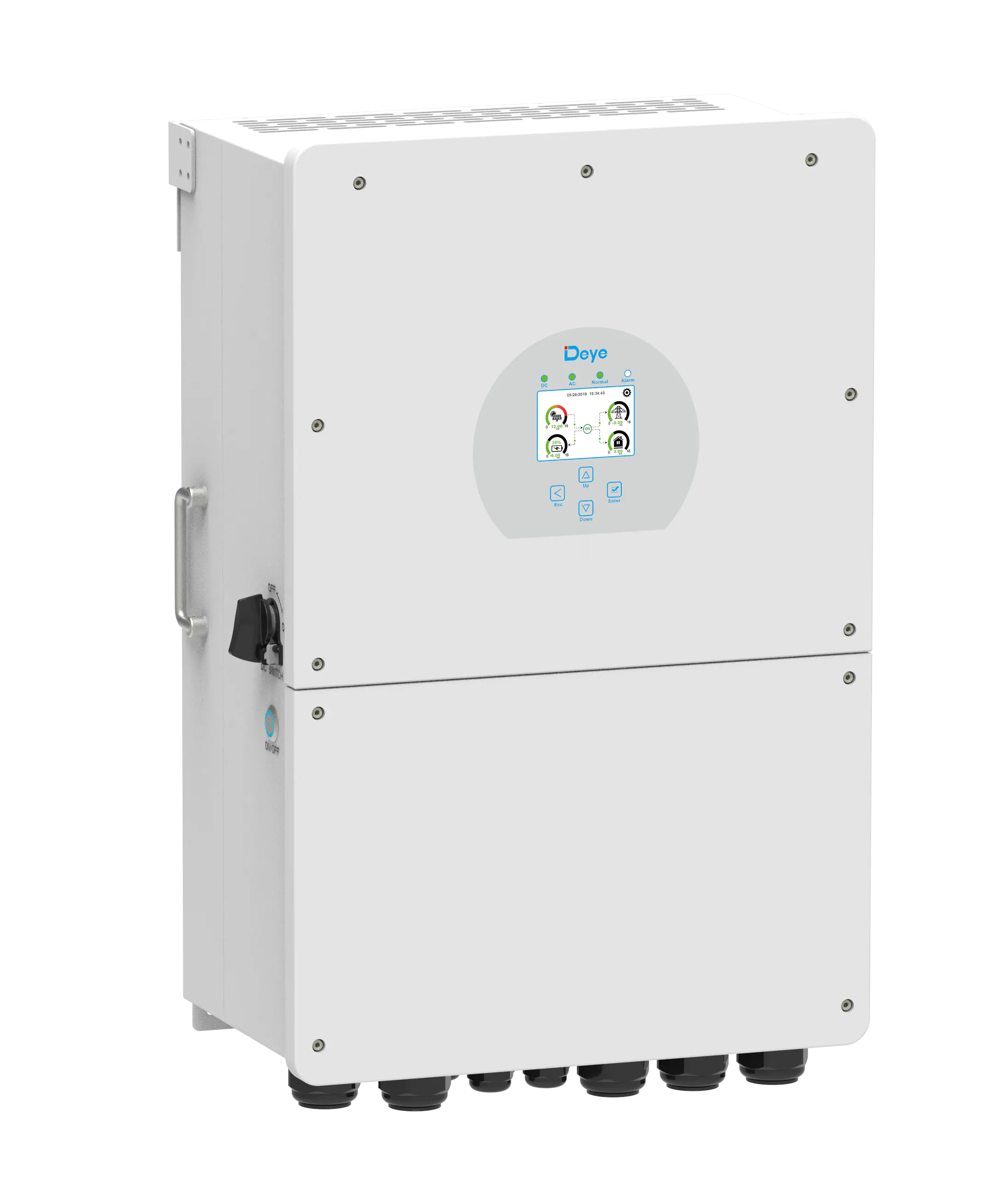
Selecting the correct power of inverter is one of the most critical decisions you'll make when installing a solar energy system or backup power solution. Many property owners underestimate this requirement, leading to frequent overloads, equipment shutdowns, and wasted investment. Understanding how to calculate and match the power of inverter to your actual energy demands ensures reliable operation, extended equipment lifespan, and optimal return on investment.
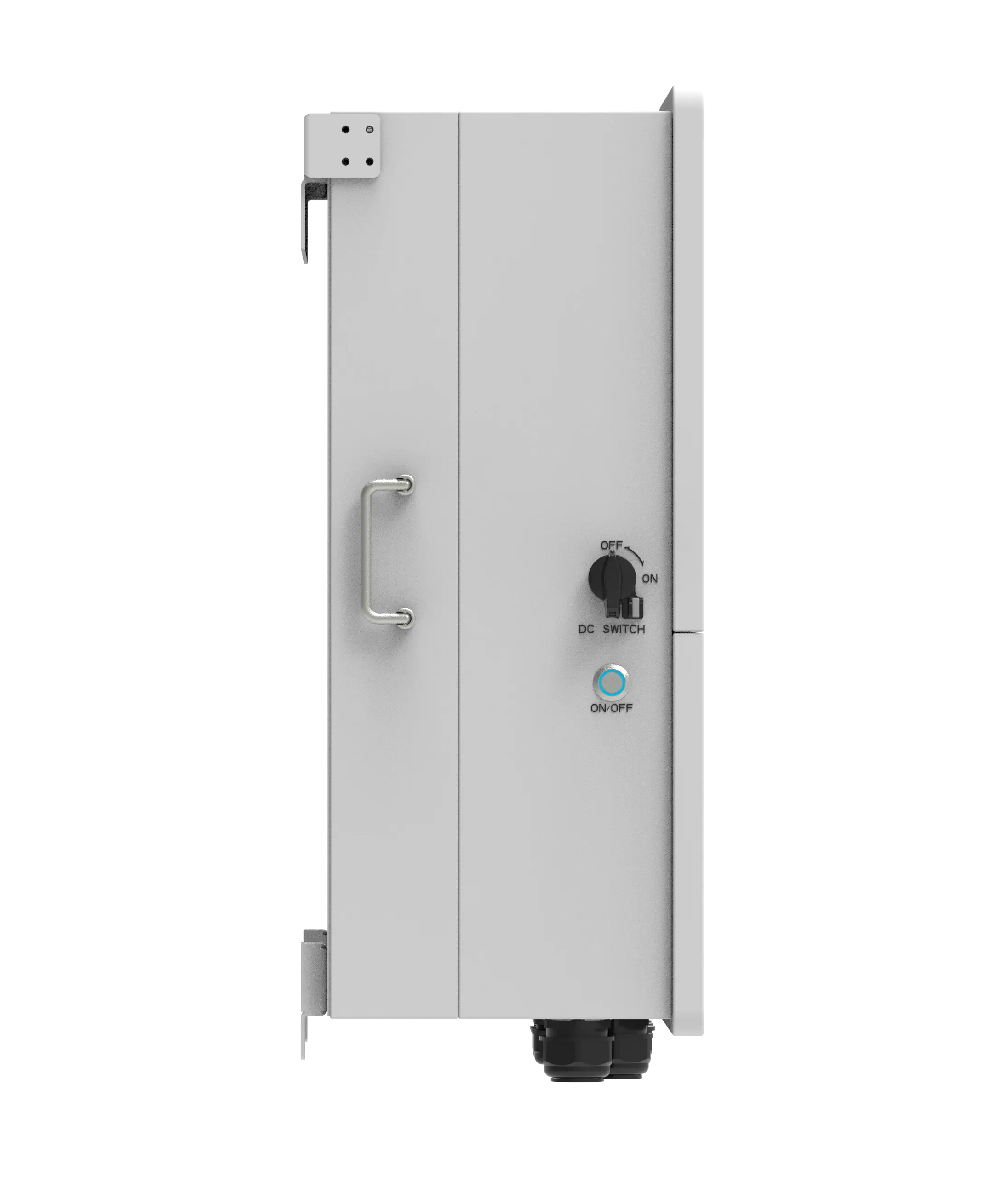
The power of inverter directly determines which appliances you can run simultaneously and how long your system can sustain peak loads without triggering protection circuits. Undersizing your inverter means you won't be able to power critical equipment during emergencies or peak usage times. Oversizing wastes capital and reduces efficiency during partial-load operation. This guide walks you through the essential factors that determine the ideal power of inverter for your specific situation.
Understanding Your Total Load Requirements
Identifying Continuous and Peak Power Demands
The first step in determining the right power of inverter is cataloging every device you intend to run. Appliances fall into two categories: continuous load and surge load. Continuous load refers to the steady wattage your devices draw during normal operation, such as refrigerators, water heaters, and LED lighting. Surge load describes the temporary spike in power needed when motors and compressors start, such as air conditioning units and pumps. The power of inverter must exceed your highest combined continuous load plus account for typical surge spikes, usually 1.5 to 3 times the continuous rating.
To calculate your actual requirement, list every device you'll connect to the inverter along with its rated wattage. Add up the continuous loads first, then identify which devices might start simultaneously during peak usage periods. A typical residential setup might include a refrigerator (600W), water heater (4000W), microwave (1000W), and several smaller loads totaling 1500W. During peak usage, running the water heater and air conditioning simultaneously could require 6000W continuously, but the initial surge when the compressor starts might spike to 8000W or higher. Choosing a power of inverter with sufficient capacity to handle both these scenarios prevents system failures and maintains voltage stability.
Future Load Growth and Scalability
Many property owners make the mistake of sizing the power of inverter based only on current needs. However, most installations exist for 10 to 25 years, during which additional loads are typically added. You might purchase an electric vehicle charger, upgrade to more powerful heating and cooling systems, or expand your household appliances. Building in a safety margin of 20 to 30 percent when selecting your power of inverter capacity allows for future growth without requiring a complete system replacement. This forward-thinking approach protects your initial investment and ensures your system remains relevant as your energy needs evolve.
Calculating the Ideal Power of Inverter Capacity
Step-by-Step Sizing Methodology
Begin by creating a comprehensive load table that documents every device you'll operate through the inverter. Include the rated power in watts, typical daily usage hours, and whether each device operates continuously or intermittently. For motor-driven equipment like pumps and compressors, multiply the nameplate wattage by 1.5 to 3 depending on manufacturer specifications, as these devices draw significantly more current during startup. Once you've documented all loads, identify your peak simultaneous load scenario, which typically occurs during evening or morning hours when multiple appliances run together. The required power of inverter should exceed this peak simultaneous scenario by at least 10 to 20 percent to maintain stable voltage and account for voltage drop in wiring.
For example, if your peak simultaneous load reaches 5000W and you want a 15 percent safety margin, you should select a power of inverter rated for at least 5750W. Many installers recommend choosing the next standard size up, so you might select a 6000W or 8000W inverter depending on available options. This approach ensures the inverter operates in its most efficient range while providing adequate headroom for voltage stability and thermal management. The power of inverter you ultimately choose becomes the ceiling for simultaneous power consumption, so careful calculation at this stage prevents operational restrictions later.
Accounting for Efficiency and Thermal Headroom
No inverter converts DC power to AC power at 100 percent efficiency. Typical modern power of inverter units operate at 92 to 98 percent efficiency, meaning some energy is lost as heat during conversion. When sizing, account for this efficiency loss by adding 5 to 8 percent to your calculated load when selecting the inverter's nominal capacity. Additionally, inverters generate heat during operation, and their efficiency decreases as they approach maximum rated output. Choosing a power of inverter with adequate thermal headroom prevents the unit from throttling power output or shutting down during high-demand periods. Environmental factors like ambient temperature, ventilation, and installation location also affect thermal management, so consider these when finalizing your power of inverter selection.
Practical Considerations and System Integration
Battery Bank Compatibility and Discharge Rates
If your system includes battery storage, the power of inverter must align with your battery bank's discharge capability. Batteries are rated for maximum continuous discharge current, typically expressed in amperes. If your power of inverter demands more current than your battery bank can safely supply, the battery management system will limit power output, preventing you from accessing the full inverter capacity. Calculate your battery's maximum continuous output in watts by multiplying its voltage by its maximum continuous discharge current. Ensure this value meets or exceeds your system's peak power demands. A typical 48V battery bank with a 200-amp continuous discharge rating can supply approximately 9600W, which would support an 8000W power of inverter operating near full capacity.
The relationship between power of inverter capacity and battery bank size also affects system responsiveness. A larger power of inverter paired with a smaller battery bank can create rapid state-of-charge fluctuations, reducing battery lifespan and system reliability. Conversely, a properly matched system where the power of inverter and battery capacity are proportional provides stable voltage, manageable charge-discharge cycles, and predictable performance. Professional system designers calculate this balance based on your specific load profile, available solar generation, and battery chemistry.
Grid Connection and Utility Compliance
For grid-tied systems, the power of inverter rating influences your system's export capacity and utility interconnection agreements. Utilities typically require that your power of inverter capacity not exceed your service entrance capacity, and many have specific requirements about maximum export power. Check with your local utility before finalizing your power of inverter selection to ensure compliance with interconnection standards. Grid-tied inverters often include rapid shutdown switches and anti-islanding protection, which affects how the power of inverter responds during grid outages. Understanding these regulatory requirements prevents costly equipment modifications or system redesigns after installation.
FAQ
What happens if I choose a power of inverter that is too small?
An undersized power of inverter will shut down or reduce power output when your simultaneous load exceeds its rated capacity. This causes frequent interruptions, damages sensitive electronics through voltage sags, and prevents you from running essential equipment during emergencies. Long-term operation at full capacity also accelerates wear and reduces the inverter's operational lifespan significantly.
Can I add another inverter to increase my power of inverter capacity?
Yes, multiple inverters can be stacked or paralleled to increase total power of inverter capacity, though this requires specialized equipment, compatible batteries, and professional installation. Stacking inverters increases system complexity, cost, and maintenance demands. Most new installations choose a single properly-sized power of inverter from the beginning rather than retrofitting additional units later, as this approach is simpler and more cost-effective.
How does ambient temperature affect my power of inverter choice?
Higher ambient temperatures reduce an inverter's efficiency and can trigger thermal derating, meaning the power of inverter reduces its output to prevent overheating. If your system will operate in hot climates or poorly ventilated spaces, select a power of inverter rated 20 to 30 percent higher than your calculated peak load to maintain full capacity during high-temperature conditions.