 EN
EN

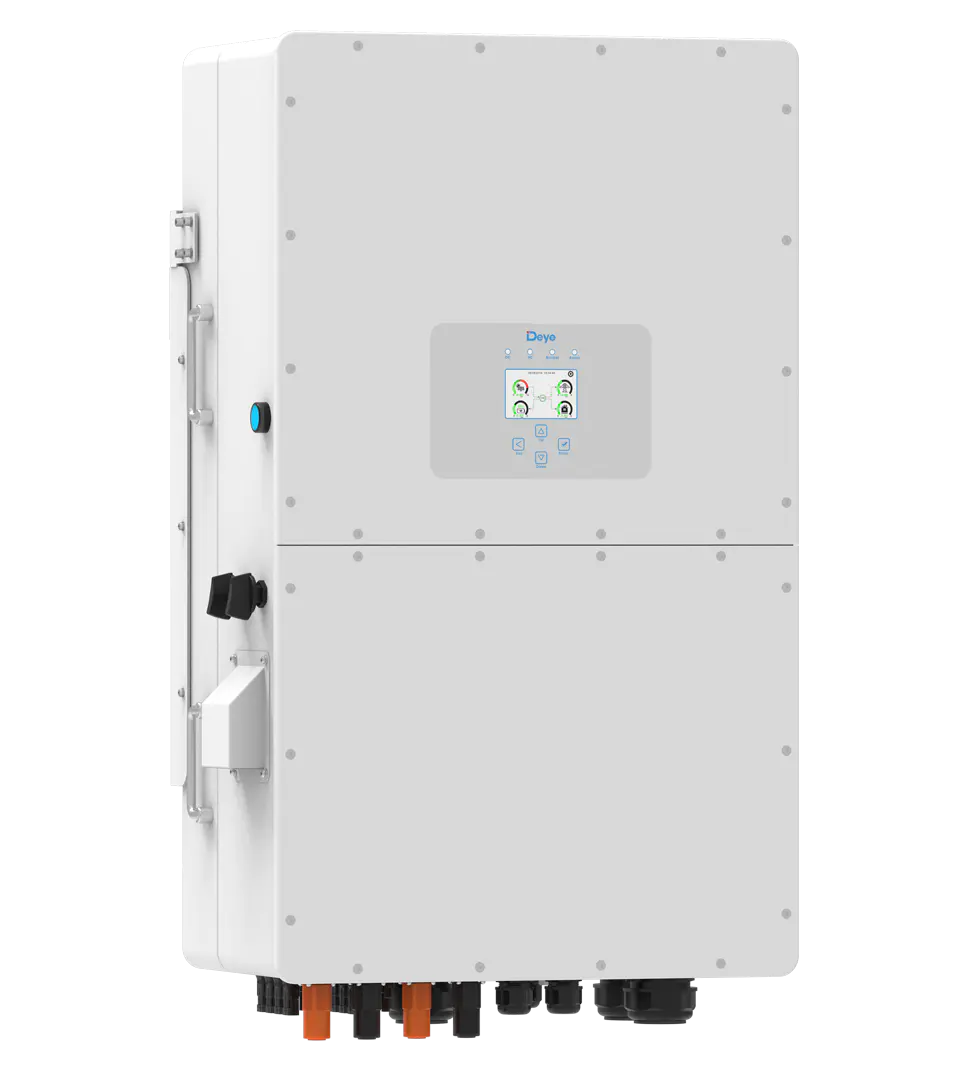
Selecting the right battery inverter for your home requires careful consideration of multiple technical and practical factors that directly impact your energy independence and system performance. A battery inverter serves as the crucial bridge between your stored battery power and your home's electrical system, converting DC power from batteries into AC power that your household appliances can use. The decision process involves evaluating your energy consumption patterns, understanding different inverter technologies, and matching system specifications to your specific residential requirements.
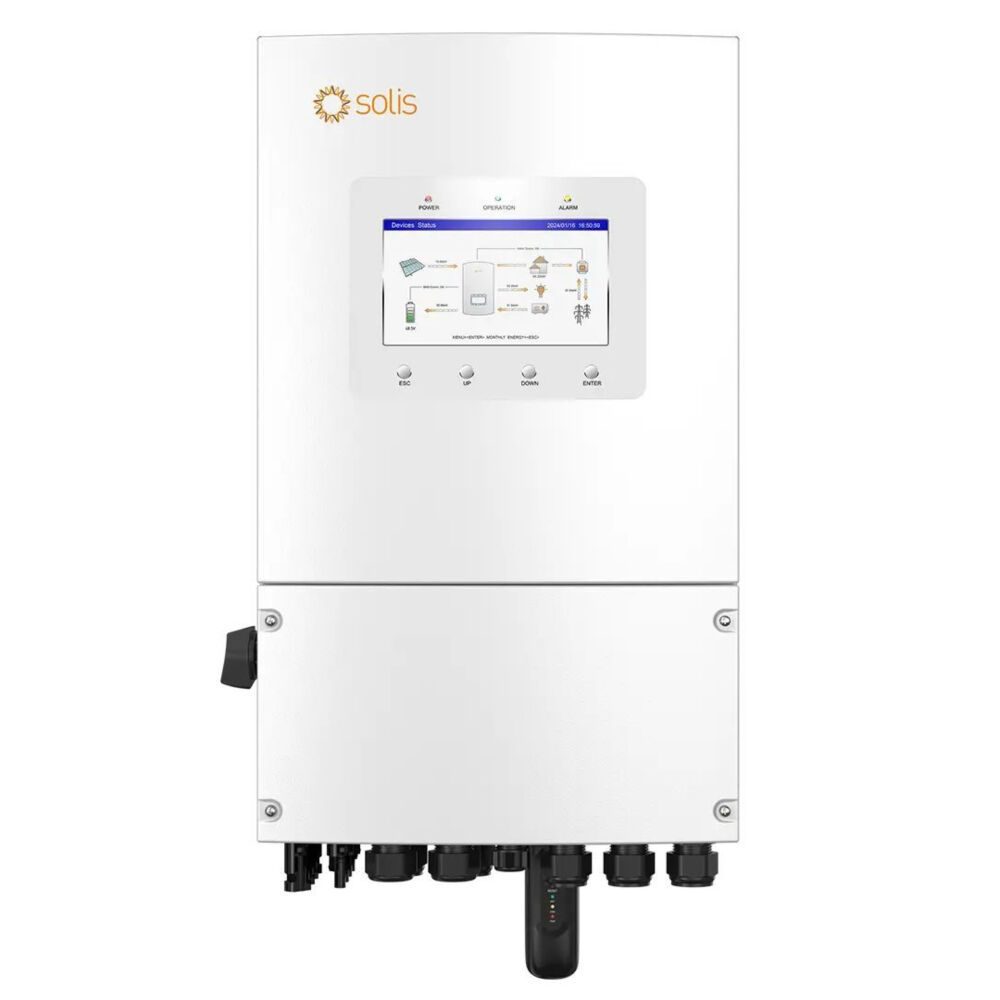
The complexity of choosing a battery inverter lies in balancing technical specifications with real-world application needs, budget constraints, and future expansion possibilities. Modern battery inverter technology offers various configurations, from basic string inverters with battery connections to sophisticated hybrid systems that manage solar panels, batteries, and grid connections simultaneously. Understanding these distinctions and how they align with your home's electrical infrastructure and energy goals forms the foundation for making an informed decision that delivers reliable performance and long-term value.
Understanding Battery Inverter Types and Technologies
String Inverters with Battery Connectivity
String inverters represent the most traditional approach to residential battery inverter installations, where the battery inverter connects to a centralized string inverter system. These systems typically require a separate battery inverter unit that works alongside your existing solar inverter, creating a dual-inverter configuration. The battery inverter in this setup specifically handles the charging and discharging of your battery bank while the string inverter manages solar panel output. This configuration offers flexibility in system design and allows homeowners to add battery storage to existing solar installations without completely replacing their current inverter infrastructure.
The primary advantage of string-based battery inverter systems lies in their cost-effectiveness and proven reliability for larger residential installations. When selecting a string-compatible battery inverter, consider the communication protocols between devices, ensuring seamless integration with your existing solar infrastructure. The sizing requirements for a string battery inverter typically depend on your maximum discharge rate requirements and the total battery capacity you plan to install. Professional installation becomes crucial with string battery inverter systems, as proper electrical connections and safety protocols must be maintained across multiple high-voltage DC components.
Hybrid Inverter Systems
Hybrid inverters combine solar panel management and battery inverter functionality within a single integrated unit, offering streamlined installation and optimized energy management. These all-in-one battery inverter solutions handle solar charging, battery storage, grid connection, and backup power switching through sophisticated internal control systems. The integrated design of hybrid battery inverter systems typically results in higher efficiency rates compared to separate inverter configurations, as energy conversions are minimized through direct DC coupling between solar panels and batteries.
When evaluating hybrid battery inverter options, pay attention to the solar input capacity, battery compatibility range, and grid-tie capabilities that match your specific installation requirements. Modern hybrid battery inverter units often include advanced features such as time-of-use optimization, peak shaving capabilities, and remote monitoring through smartphone applications. The selection process for a hybrid battery inverter should consider future expansion possibilities, as these systems typically have fixed solar and battery capacity limits that cannot be easily exceeded without additional equipment.
Micro-Inverter Compatible Systems
Micro-inverter systems require specialized battery inverter solutions that can integrate with distributed panel-level power conversion systems. These battery inverter configurations typically employ AC-coupled storage systems, where the battery inverter connects to the home's AC electrical panel rather than directly to solar panels. The AC-coupled battery inverter approach offers maximum flexibility for retrofitting existing micro-inverter solar installations with energy storage capabilities, as no modifications to the existing solar infrastructure are required.
The technical considerations for AC-coupled battery inverter systems include round-trip efficiency losses due to multiple power conversions and the need for proper system sizing to handle peak charging and discharging loads. However, AC-coupled battery inverter installations offer superior modularity, allowing homeowners to add battery capacity incrementally and replace components independently. When selecting an AC-coupled battery inverter, ensure compatibility with your existing micro-inverter system's monitoring and safety protocols, particularly focusing on rapid shutdown requirements and grid-tie safety features.
Sizing Your Battery Inverter for Optimal Performance
Calculating Power Requirements
Proper battery inverter sizing begins with a comprehensive analysis of your home's electrical load profile, including both continuous power needs and surge requirements for motor-driven appliances. The continuous power rating of your battery inverter must exceed your typical household consumption during peak usage periods, while the surge capacity should accommodate starting loads from refrigerators, air conditioning units, and other high-inrush current devices. A detailed energy audit helps identify which circuits and appliances you want to power during grid outages, allowing you to size your battery inverter based on essential loads rather than whole-house consumption.
The relationship between battery capacity and battery inverter size requires careful balance to ensure optimal system performance and longevity. Your battery inverter should be sized to handle the maximum discharge rate of your battery bank without exceeding manufacturer specifications for either component. Most residential battery inverter applications benefit from sizing the inverter between 0.8 and 1.2 times the battery bank's maximum continuous discharge rate, providing adequate headroom for efficiency losses while preventing oversized equipment costs.
Future Expansion Considerations
Planning for future system expansion significantly impacts your initial battery inverter selection, as upgrading inverter capacity often requires complete system replacement rather than simple additions. Consider your long-term energy goals, potential electric vehicle charging needs, and possible home additions when selecting your initial battery inverter capacity. Many homeowners benefit from choosing a battery inverter with 20-30% excess capacity beyond current requirements, providing flexibility for increased energy storage or additional electrical loads without system redesign.
The modular design capabilities of your chosen battery inverter system determine how easily you can expand battery capacity or add parallel inverter units in the future. Some battery inverter manufacturers offer stackable systems that allow multiple units to work together, effectively increasing total system capacity through parallel operation. When evaluating expandable battery inverter options, verify compatibility requirements, communication protocols, and maximum system sizes to ensure your future expansion plans align with manufacturer specifications and local electrical codes.
Efficiency and Performance Metrics
Battery inverter efficiency directly impacts your system's overall performance and determines how much stored energy reaches your home's electrical loads. Modern battery inverter units typically achieve 90-97% efficiency ratings, with higher-end models incorporating advanced power conversion technologies that minimize energy losses during charging and discharging cycles. The efficiency specifications for a battery inverter should be evaluated at multiple load levels, as many units perform differently under varying power output conditions.
Temperature performance characteristics of your battery inverter significantly affect system reliability and efficiency in different climate conditions. Quality battery inverter units include thermal management systems that maintain optimal operating temperatures and protect internal components from heat-related degradation. When comparing battery inverter options, review the operating temperature ranges, derating curves, and cooling requirements to ensure your selected unit will perform reliably in your local climate conditions throughout its expected service life.
Installation and Integration Requirements
Electrical Infrastructure Assessment
Your home's existing electrical infrastructure plays a crucial role in determining the most suitable battery inverter configuration and installation approach. The electrical panel capacity, available breaker slots, and grounding system must accommodate the additional equipment and safety requirements associated with battery inverter installations. Most residential battery inverter systems require dedicated breakers and may necessitate electrical panel upgrades to meet current safety codes and handle the additional electrical connections.
Proper grounding and bonding procedures are essential for safe battery inverter operation, particularly in systems that combine DC battery connections with AC grid connections. The installation location for your battery inverter must provide adequate ventilation, protection from moisture, and compliance with local setback requirements from windows, doors, and property lines. Professional electrical assessment becomes crucial when integrating a battery inverter with existing home automation systems, smart meters, or complex electrical configurations that may affect system performance or safety.
Battery Compatibility and Communication
Battery inverter selection must account for compatibility with your chosen battery technology, whether lithium-ion, lead-acid, or emerging battery chemistries that may become available in the future. Different battery types require specific charging profiles, voltage ranges, and communication protocols that your battery inverter must support for optimal performance and safety. The battery management system integration capabilities of your battery inverter determine how effectively the system can monitor individual cell conditions, balance charging across battery modules, and protect against overcharge or deep discharge conditions.
Communication protocols between your battery inverter and battery management system enable advanced features such as state-of-charge monitoring, predictive maintenance alerts, and automated system optimization. Modern battery inverter installations benefit from CAN bus communication, Modbus protocols, or proprietary communication systems that allow real-time data exchange between system components. When selecting a battery inverter, verify communication compatibility with your preferred battery manufacturer and ensure that monitoring and control features align with your system management preferences.
Permitting and Code Compliance
Local electrical codes and permitting requirements significantly influence battery inverter selection and installation procedures, with many jurisdictions requiring specific safety features, installation methods, and inspection protocols. The National Electrical Code provides baseline requirements for battery inverter installations, but local authorities may impose additional restrictions on equipment types, installation locations, or system configurations. Professional consultation with local electrical inspectors and experienced battery inverter installers helps ensure code compliance and streamlines the permitting process.
Utility interconnection requirements may affect your battery inverter selection, particularly regarding anti-islanding protection, voltage regulation, and frequency response capabilities. Many utilities require specific certifications and testing standards for battery inverter equipment that connects to their distribution systems. The utility interconnection process for battery inverter systems often involves additional paperwork, meter upgrades, and system testing procedures that must be completed before your system can operate legally and safely.
Advanced Features and Smart Functionality
Energy Management and Optimization
Advanced battery inverter systems incorporate sophisticated energy management algorithms that optimize charging and discharging cycles based on utility rates, solar production forecasts, and historical consumption patterns. These smart battery inverter features can significantly reduce electricity costs through time-of-use arbitrage, where the system charges batteries during low-rate periods and discharges during peak-rate hours. The programming flexibility of your battery inverter determines how precisely you can customize these optimization strategies to match your utility rate structure and energy usage preferences.
Load prioritization capabilities in modern battery inverter systems allow homeowners to designate critical circuits that receive power during outages while non-essential loads are automatically disconnected to extend backup power duration. This selective load management requires careful planning during installation to ensure your most important electrical systems remain operational during grid interruptions. The battery inverter's ability to seamlessly transition between grid-connected and islanded operation affects both comfort and safety during power outages, making smooth transfer capabilities a crucial selection criterion.
Remote Monitoring and Control
Contemporary battery inverter systems offer comprehensive remote monitoring capabilities through smartphone applications, web portals, and third-party energy management platforms. These monitoring systems provide real-time data on system performance, energy flows, battery health, and historical energy usage patterns that help optimize system operation and identify potential maintenance needs. The data granularity and reporting capabilities of your battery inverter's monitoring system determine how effectively you can track system performance and validate energy savings over time.
Remote control functionality allows homeowners to adjust battery inverter operating modes, charging schedules, and backup power settings from anywhere with internet connectivity. This capability proves particularly valuable for managing seasonal energy patterns, responding to utility demand response programs, or preparing for anticipated weather events that might affect grid reliability. When evaluating battery inverter monitoring options, consider data security features, cloud storage policies, and compatibility with home automation systems that may integrate with your energy management strategy.
Grid Services and Utility Programs
Advanced battery inverter systems can participate in utility grid services programs that provide additional revenue streams or incentive payments for system owners. These programs typically involve allowing your battery inverter to respond to utility signals for peak shaving, frequency regulation, or voltage support services that help stabilize the electrical grid. The grid services capabilities of your battery inverter determine eligibility for these programs, which can significantly improve the financial return on your energy storage investment.
Virtual power plant participation requires battery inverter systems with specific communication protocols and response capabilities that allow aggregation with other distributed energy resources. These programs represent an emerging opportunity for residential battery inverter owners to contribute to grid stability while receiving compensation for their participation. The technical requirements for virtual power plant programs vary by region and utility, making it important to verify compatibility between your battery inverter selection and available programs in your service territory.
Cost Analysis and Financial Considerations
Initial Investment and System Pricing
Battery inverter costs vary significantly based on power capacity, features, and integration complexity, with residential systems typically ranging from several thousand to tens of thousands of dollars for complete installations. The total system cost includes not only the battery inverter hardware but also batteries, installation labor, electrical upgrades, permits, and ongoing maintenance considerations. Comparing battery inverter options requires evaluating the total cost of ownership rather than simply focusing on initial equipment prices, as efficiency differences and reliability factors affect long-term operating costs.
Financing options for battery inverter installations include cash purchases, solar loans, leasing programs, and power purchase agreements that can make systems accessible to homeowners with varying financial situations. The tax implications of battery inverter investments include federal investment tax credits, state incentives, and potential property tax considerations that affect the net cost of system ownership. Professional financial analysis helps determine the most advantageous payment structure and ensures maximum benefit from available incentive programs.
Return on Investment Calculations
Calculating the return on investment for a battery inverter system requires analyzing multiple value streams, including electricity bill reduction, demand charge avoidance, backup power value, and potential grid services revenue. The payback period for battery inverter investments depends heavily on local utility rates, net metering policies, and the frequency of power outages that justify the backup power investment. Time-of-use rate structures typically provide the strongest financial case for battery inverter systems, as the arbitrage opportunities can generate substantial monthly savings.
Long-term value considerations for battery inverter systems include equipment warranty coverage, expected service life, and technology evolution that may affect system obsolescence. Quality battery inverter manufacturers typically provide 10-25 year warranties that protect against equipment failures and performance degradation over time. The modular upgrade potential of your selected battery inverter system affects its ability to incorporate future technology improvements without complete system replacement, extending the useful life and financial return of your initial investment.
Maintenance and Operating Costs
Ongoing maintenance requirements for battery inverter systems typically involve periodic inspections, firmware updates, and eventual component replacement as equipment ages. The maintenance complexity and associated costs vary significantly between different battery inverter technologies, with some systems requiring annual professional servicing while others operate with minimal intervention for many years. Understanding the maintenance requirements and associated costs helps establish realistic expectations for long-term system ownership and budgeting.
Performance monitoring capabilities in modern battery inverter systems help identify maintenance needs before they result in system failures or significant performance degradation. Predictive maintenance features can extend equipment life and optimize system performance by alerting owners to conditions that require attention. The availability of local service technicians and replacement parts for your chosen battery inverter brand affects both maintenance costs and system downtime in the event of equipment issues, making manufacturer support network an important selection criterion.
FAQ
What size battery inverter do I need for my home?
The size of battery inverter you need depends on your home's peak power consumption and which appliances you want to run during outages. Calculate your essential load requirements by adding up the wattage of critical devices like refrigerators, lights, and heating systems. Most residential applications require battery inverters between 3kW and 10kW capacity, but larger homes or those with electric heating may need higher capacity systems. Consider both continuous power needs and surge requirements for motor-driven appliances when sizing your battery inverter.
Can I install a battery inverter with my existing solar panels?
Yes, you can typically add a battery inverter to existing solar panel installations through either AC-coupled or DC-coupled configurations. AC-coupled battery inverter systems work with any existing solar setup and connect directly to your home's electrical panel. DC-coupled systems may require replacing your current solar inverter with a hybrid unit that handles both solar and battery functions. The best approach depends on your current equipment, available space, and budget considerations.
How long will my battery inverter system provide backup power?
Backup power duration depends on your battery capacity, the efficiency of your battery inverter, and how much power you consume during the outage. A typical residential battery inverter system with 10-15 kWh of storage can power essential loads for 8-12 hours during an outage. Larger battery banks or reduced power consumption can extend this duration significantly. Your battery inverter's efficiency rating affects how much stored energy actually reaches your appliances, with higher efficiency units providing longer backup times from the same battery capacity.
What maintenance does a battery inverter require?
Battery inverter maintenance typically involves annual visual inspections, cleaning air vents, checking electrical connections, and updating firmware as needed. Most modern battery inverter systems are designed for minimal maintenance, with many manufacturers recommending professional servicing every 2-3 years. The integrated monitoring systems in quality battery inverter units alert you to performance issues or maintenance needs before they become serious problems. Keep the installation area clean and well-ventilated, and ensure adequate clearance around the battery inverter for proper cooling and service access.