חיבור לוחות סולריים בטור או במקביל
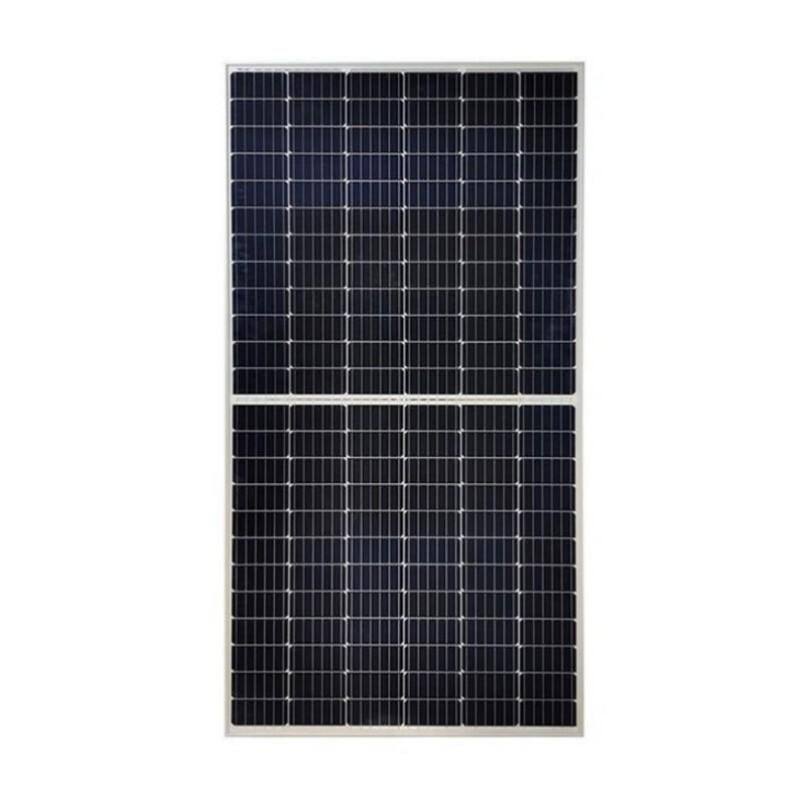
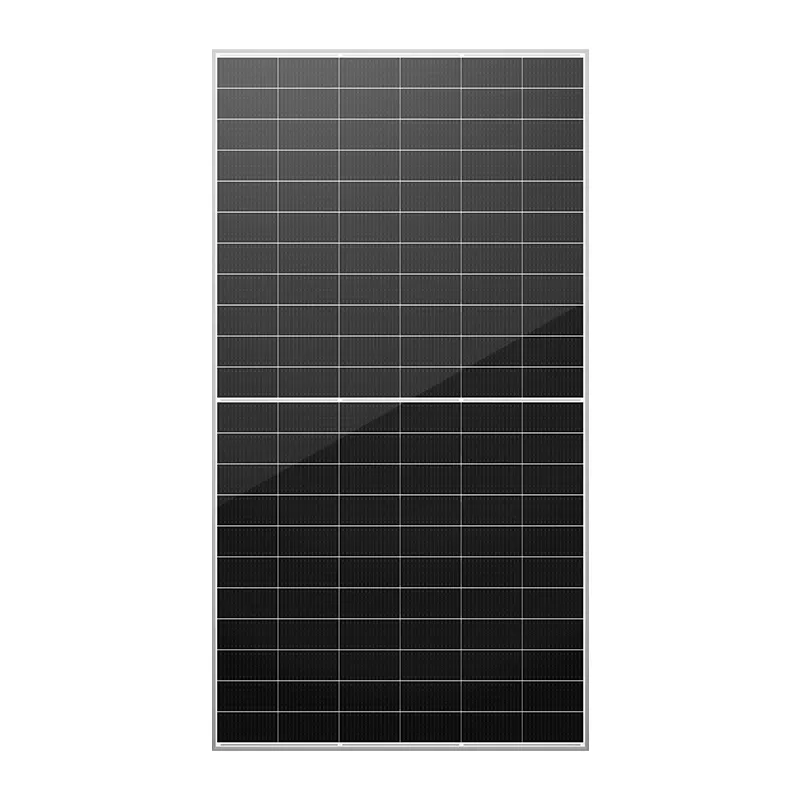
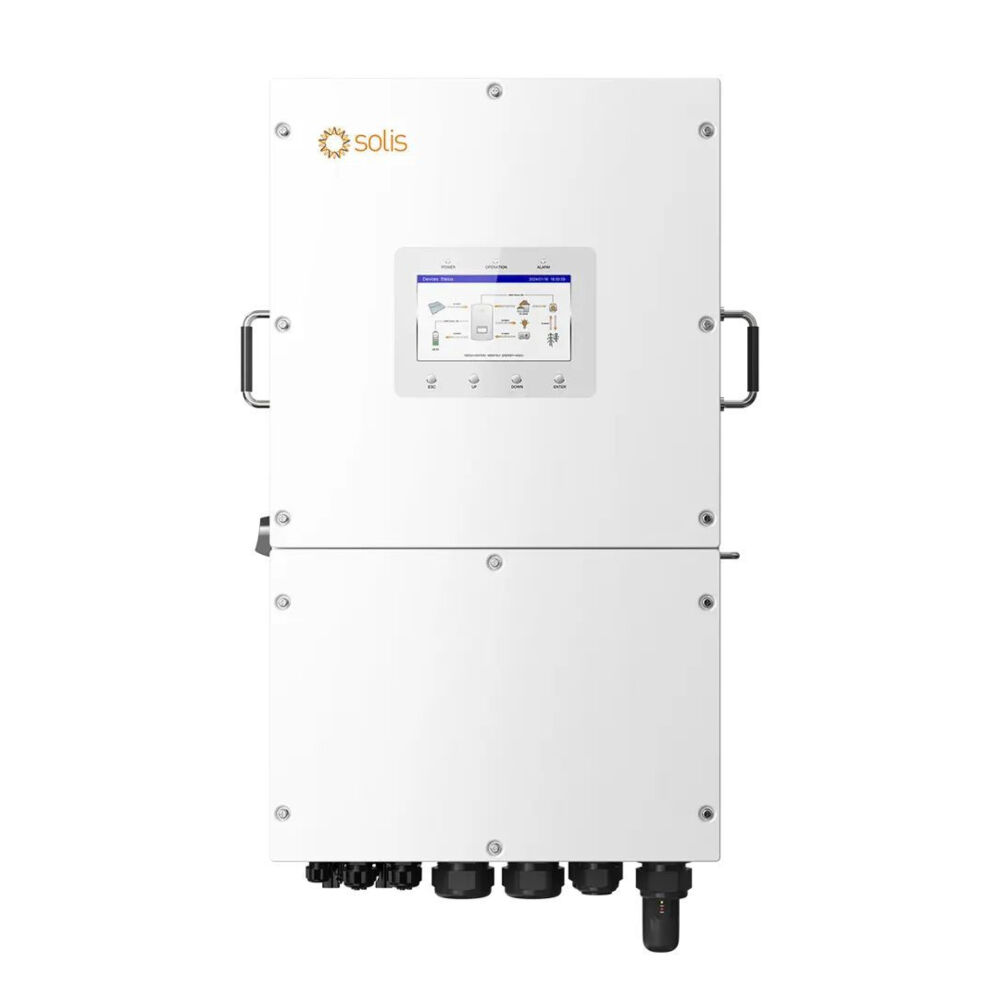
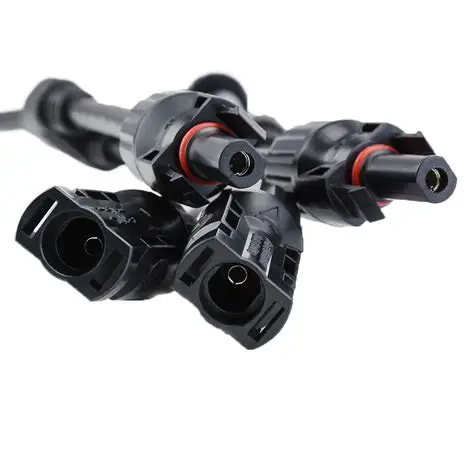
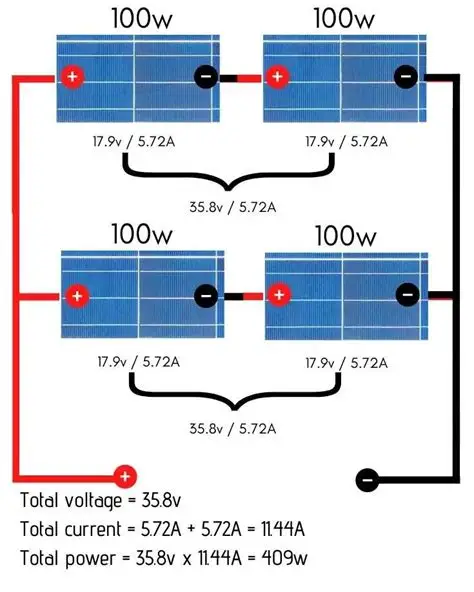
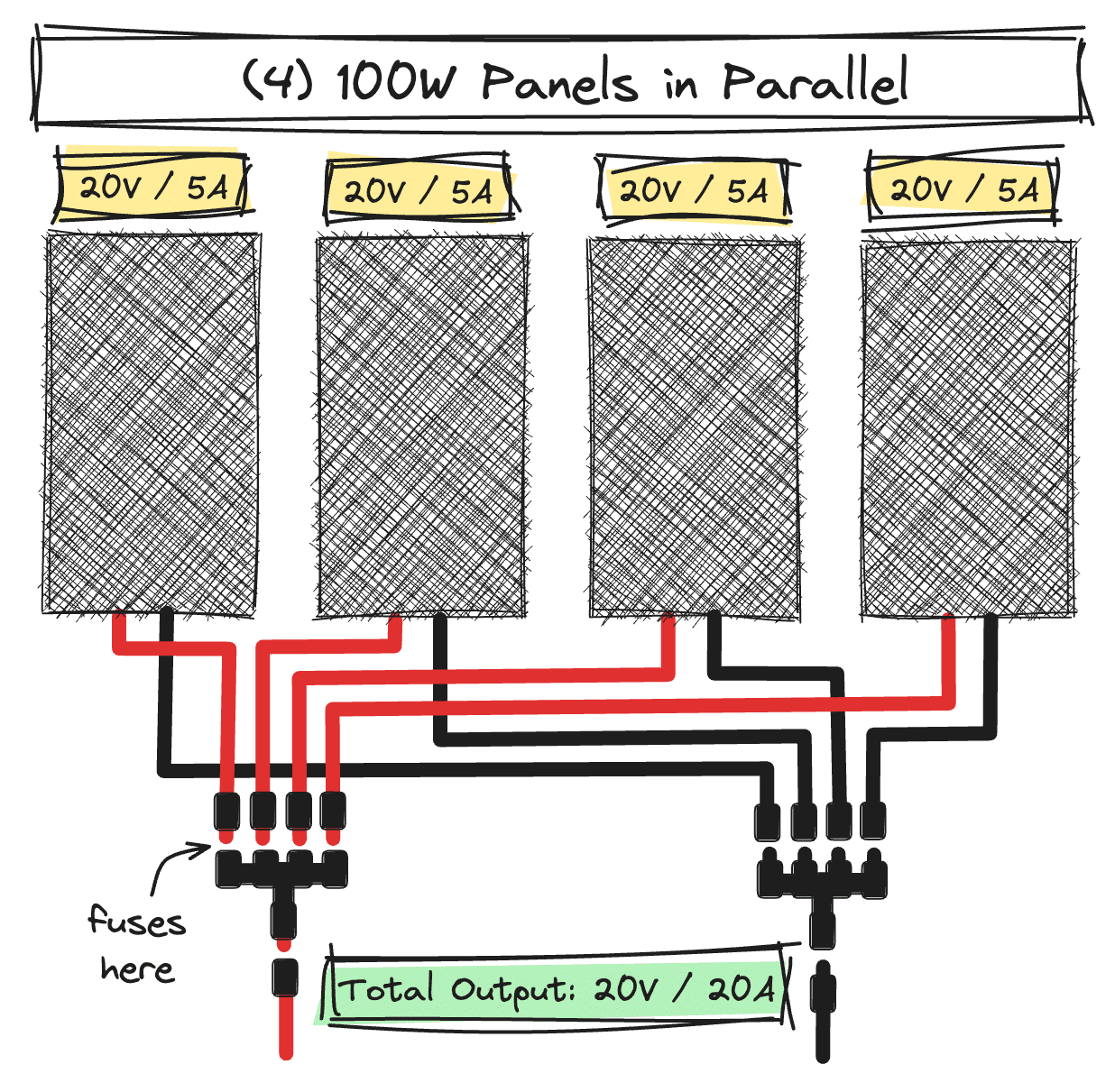
הבנת הדרך להתחברות של פאנלים סולריים בטור או במקביל מהווה היבט יסודי בתכנון מערכות אנרגיה סולרית, אשר משפיע ישירות על הביצועים, היעילות והקיבולת הכוללת ליצירת חשמל. כאשר מחברים פאנלים סולריים בטור או במקביל, נוצרות תצורות חשמליות שונות שמיועדות למטרות מובחנות ומייצרות תוצאות משתנות בהתאם לצרכים האנרגטיים הספציפיים שלכם ולתנאי ההתקנה. הבחירה בין שיטות החיבור הללו משנה באופן מהותי את אופן זרימת החשמל דרך המערך הסולרי שלכם, וקובעת את מאפייני המתח והזרם של כל המערכת. בחיבור בטור מחברים את הפאנלים זה אחר זה — קצה אחד של פאנל מחובר לקצה השני של הפאנל הבא, כלומר הקוטב החיובי של פאנל אחד מחובר לקוטב השלילי של הפאנל הבא. תצורה זו מגבירה את מתח הפליטה הכולל, תוך שמירה על רמת הזרם זהה לאורך כל המעגל. לעומת זאת, בחיבור במקביל מחברים את כל הקטבים החיוביים יחד ואת כל הקטבים השליליים יחד, מה שמשמר את מתח הפליטה כשל פאנל בודד, אך מגביר את סך זרם הפליטה. לכל אחת משיטות החיבור יש מאפיינים טכנולוגיים ייחודיים שעושים אותה מתאימה ליישומים ותנאי התקנה שונים. חיבורים בטור מצליחים במיוחד במצבים בהם נדרשים מתחים גבוהים יותר, כגון מערכות מחוברות לרשת החשמל (grid-tie), אשר חייבות להתאים את מתח הקלט לדרישות הממיר (inverter), או בהקables ארוכים שבהם ירידת מתח הופכת לנושא חשוב. חיבורים במקביל הם בעלי יתרון כאשר יש צורך במתח קבוע למרות תנאים משתנים של צללה, או כאשר ניטור פרטני של כל פאנל הוא קריטי. במערכות סולריות מודרניות נהוג לעתים קרובות להשתמש בשתי שיטות החיבור באותה מערכת: יוצרים "שורשים" (strings) של פאנלים מחוברים בטור, ולאחר מכן מחברים את השורשים השונים זה לזה במקביל, כדי לאפשר אופטימיזציה של מאפייני המתח והזרם גם יחד. הרמה הטכנולוגית המתקדמת של שיטות החיבור הללו עוברת את גבולות התיאוריה החשמלית הפשוטה, וכוללת היבטים מורכבים יותר כגון מערכות מעקב אחר נקודת ההספק המקסימלית (MPPT), דיודות עקיפה (bypass diodes) ופרוטוקולי בטיחות של המערכת. מתקינים מקצועיים חייבים לבחון בזהירות גורמים כגון כיוון הגג, דפוסי הצללה, תקנות חשמל מקומיות ומאפייני הממיר בעת קביעת הדרך האופטימלית לחיבור פאנלים סולריים בטור או במקביל עבור כל התקנה ייחודית.
 EN
EN