Complete Guide to Connect Solar Panels in Series or Parallel - Maximize Solar System Performance

Get a Free Quote

Our representative will contact you soon.
Email
Mobile/WhatsApp
Name
Company Name
Message
0/1000

connect solar panels in series or parallel

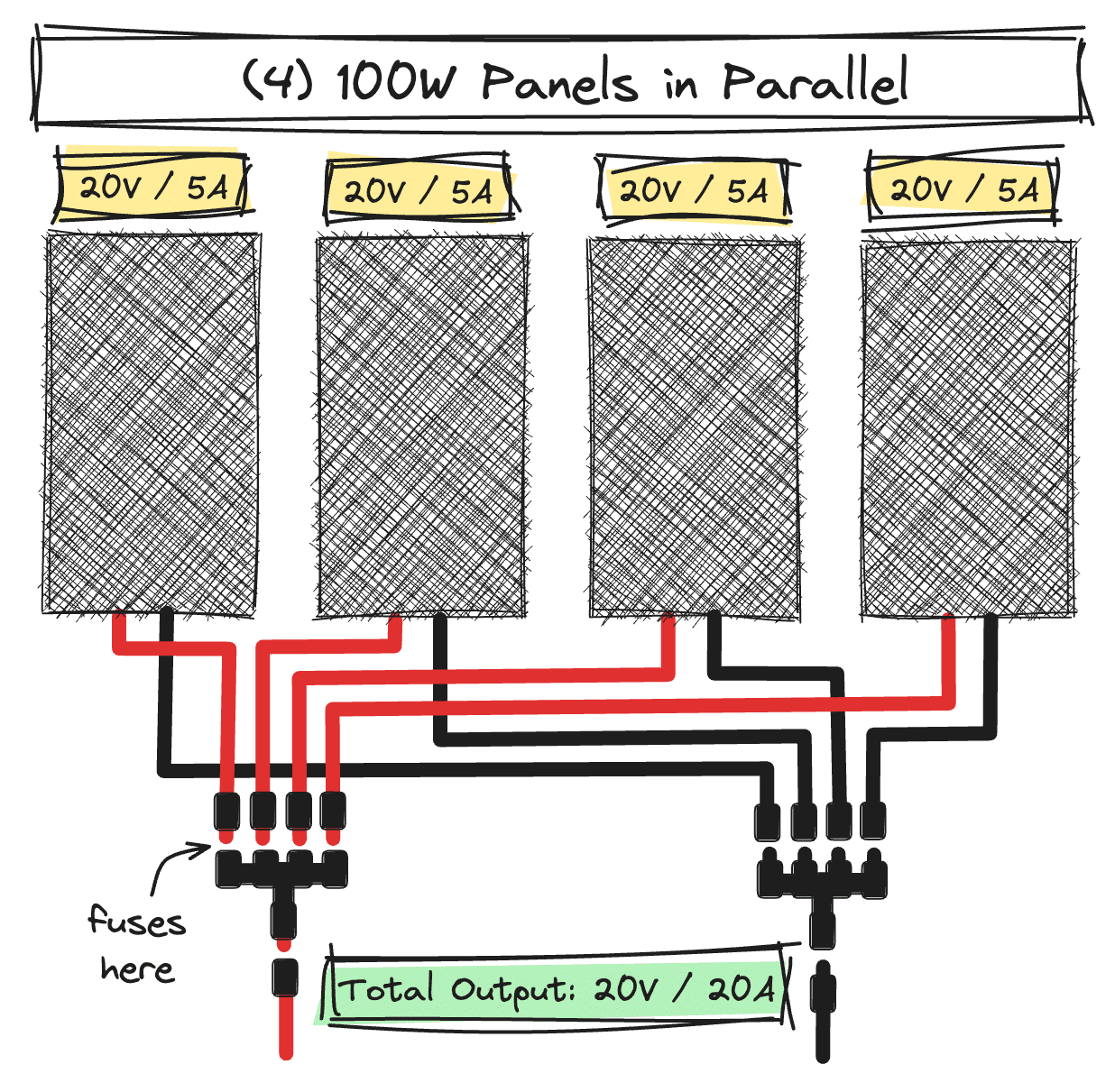
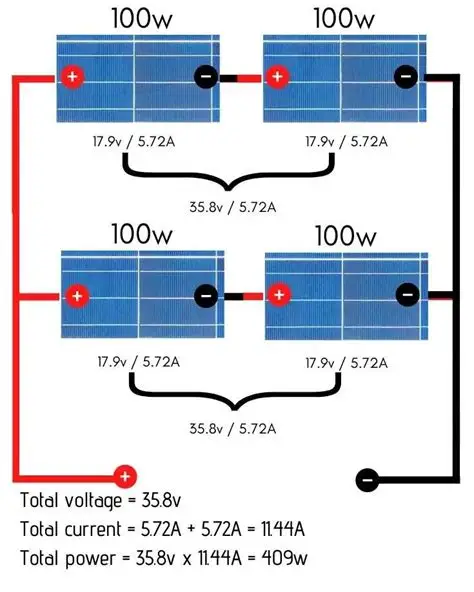
Understanding how to connect solar panels in series or parallel represents a fundamental aspect of solar energy system design that directly impacts performance, efficiency, and overall power generation capacity. When you connect solar panels in series or parallel, you create different electrical configurations that serve distinct purposes and deliver varying results based on your specific energy requirements and installation conditions. The choice between these connection methods fundamentally alters how electricity flows through your solar array and determines the voltage and current characteristics of your entire system. Series connections involve linking solar panels end-to-end, creating a chain where the positive terminal of one panel connects to the negative terminal of the next panel. This configuration increases the total voltage output while maintaining the same current level throughout the circuit. Conversely, when you connect solar panels in parallel, you join all positive terminals together and all negative terminals together, which maintains the same voltage as individual panels while increasing the total current output. Each connection method offers unique technological features that make them suitable for different applications and installation scenarios. Series connections excel in situations where higher voltage requirements exist, such as grid-tie systems that need to match specific inverter input requirements or long cable runs where voltage drop becomes a concern. Parallel connections prove advantageous when consistent voltage levels are required despite varying shading conditions or when individual panel monitoring becomes essential. Modern solar installations often employ both connection methods within the same system, creating series strings that are then connected in parallel to optimize both voltage and current characteristics. The technological sophistication behind these connection methods extends beyond simple electrical theory, incorporating advanced considerations such as maximum power point tracking, bypass diodes, and system safety protocols. Professional installers must carefully evaluate factors including roof orientation, shading patterns, local electrical codes, and inverter specifications when determining the optimal way to connect solar panels in series or parallel for each unique installation.
Popular Products

The decision to connect solar panels in series or parallel offers distinct advantages that directly benefit homeowners and businesses seeking optimal solar energy performance. When you connect solar panels in series, you achieve higher voltage output that reduces current flow through your system wiring, resulting in lower electrical losses and improved efficiency over long cable distances. This configuration simplifies wiring complexity and reduces installation costs since fewer parallel connections are required, making it an economical choice for straightforward installations. Series connections also enable the use of smaller gauge wiring due to reduced current requirements, which translates to material cost savings and easier installation procedures for solar technicians. However, the parallel connection method provides superior performance reliability when dealing with partial shading conditions that commonly affect residential and commercial installations. When you connect solar panels in parallel, individual panel performance issues do not compromise the entire array output, ensuring consistent energy production even when some panels experience reduced efficiency due to debris, shadows, or equipment malfunctions. This redundancy factor makes parallel connections particularly valuable for installations where shading cannot be completely avoided or where maximum energy harvest reliability is paramount. Parallel configurations also facilitate easier system expansion and maintenance since individual panels can be isolated without affecting the remaining array performance. The flexibility to connect solar panels in series or parallel, or combine both methods, allows system designers to customize installations for specific site conditions and performance requirements. Modern solar installations increasingly utilize hybrid approaches where panels are first connected in series to form strings, then multiple strings are connected in parallel to achieve optimal voltage and current characteristics. This strategy maximizes the advantages of both connection methods while minimizing their respective limitations. The ability to choose how to connect solar panels in series or parallel empowers property owners to optimize their investment returns through improved system efficiency, reduced installation costs, and enhanced long-term reliability. Professional system design ensures that the chosen connection method aligns with local electrical codes, inverter specifications, and site-specific conditions to deliver maximum performance benefits throughout the system lifetime.

Latest News

Solar Product Tech Advances In 2025

20

Jan

Solar Product Tech Advances In 2025

View More
2025 Global Solar Market Demand (Emerging Markets)

20

Jan

2025 Global Solar Market Demand (Emerging Markets)

View More
Solar Products & Rural Electrification 2025

20

Jan

Solar Products & Rural Electrification 2025

View More

Get a Free Quote

Our representative will contact you soon.
Email
Mobile/WhatsApp
Name
Company Name
Message
0/1000

connect solar panels in series or parallel

Enhanced System Flexibility and Scalability Through Strategic Panel Connections

Enhanced System Flexibility and Scalability Through Strategic Panel Connections

The ability to connect solar panels in series or parallel provides unparalleled system flexibility that adapts to diverse installation requirements and future expansion needs. This strategic approach to solar array configuration enables property owners to optimize their energy systems for specific site conditions while maintaining the option to modify or expand their installations as energy demands evolve. When you connect solar panels in series, you create modular strings that can be easily replicated and scaled across larger roof areas or ground-mounted installations. This modularity proves invaluable for commercial properties or residential installations where phased expansion makes financial sense or where roof space becomes available over time. The flexibility extends to system maintenance and upgrades, as series-connected strings can be individually isolated for service without disrupting the entire array operation. Conversely, parallel connections offer different scalability advantages by allowing individual panel additions without requiring complete string reconfiguration. This flexibility becomes particularly important for installations where future shading conditions might change due to tree growth or neighboring construction projects. The strategic choice to connect solar panels in series or parallel also accommodates different inverter technologies and electrical infrastructure limitations. String inverters work optimally with series-connected panels, while power optimizers and microinverters can effectively utilize parallel configurations or hybrid approaches. This technological flexibility ensures that system owners can select the most appropriate inverter solution for their specific performance requirements and budget constraints. Advanced monitoring capabilities become more sophisticated when installers thoughtfully connect solar panels in series or parallel, enabling granular performance tracking and rapid identification of maintenance needs. The scalability advantages extend to financial planning, as modular system designs allow property owners to invest in solar energy incrementally while maintaining system coherence and optimal performance characteristics. Professional system designers leverage this flexibility to create custom solutions that maximize return on investment while preserving options for future modifications or expansions based on changing energy needs or available technology improvements.
Optimized Performance Under Variable Environmental Conditions

Optimized Performance Under Variable Environmental Conditions

The strategic decision to connect solar panels in series or parallel directly influences how your solar energy system responds to changing environmental conditions throughout the day and across seasons. Understanding these performance characteristics empowers property owners to maximize energy production despite challenges such as partial shading, varying weather patterns, and different sun angles that naturally occur in real-world installations. When you connect solar panels in series, the entire string operates at the performance level of the lowest-performing panel, which means that even small shadows or debris on one panel can significantly impact total string output. However, this characteristic can be advantageous in uniform conditions where all panels receive similar irradiance levels, as series connections maximize voltage output and system efficiency. Modern series installations incorporate bypass diodes and maximum power point tracking technology to mitigate performance losses from individual panel shading or malfunction. Alternatively, when you connect solar panels in parallel, each panel operates independently at its optimal power point, ensuring that shading or performance issues affecting one panel do not compromise the output of other panels in the array. This independence proves particularly valuable for installations on complex roof geometries, near trees, or in urban environments where building shadows create variable shading patterns throughout the day. The parallel connection method enables each panel to contribute its maximum available power regardless of the performance level of adjacent panels, resulting in higher overall energy harvest under non-uniform conditions. Professional installers often combine both approaches by creating series strings of panels with similar exposure conditions, then connecting these strings in parallel to balance voltage requirements with performance optimization. This hybrid approach to connect solar panels in series or parallel maximizes the benefits of both connection methods while minimizing their respective limitations. Advanced system monitoring becomes more effective with thoughtful connection strategies, providing detailed performance data that helps identify maintenance needs and optimize system operation. The environmental adaptability achieved through proper connection choices ensures consistent energy production and long-term system reliability regardless of changing site conditions or seasonal variations in solar irradiance patterns.
Cost-Effective Installation and Long-Term Economic Benefits

Cost-Effective Installation and Long-Term Economic Benefits

The economic advantages of choosing how to connect solar panels in series or parallel extend far beyond initial installation costs, encompassing long-term operational efficiency, maintenance expenses, and system reliability that directly impact return on investment over the system lifetime. When you connect solar panels in series, the reduced current flow through system wiring enables the use of smaller gauge cables and fewer electrical connections, resulting in significant material cost savings during installation. This configuration also simplifies the electrical design and reduces installation labor time, as fewer parallel connections and combiner boxes are required compared to purely parallel systems. The higher voltage output achieved through series connections reduces electrical losses over long cable runs, improving overall system efficiency and maximizing energy production value. These efficiency gains translate to higher energy yields and faster payback periods for system owners, making series connections particularly attractive for larger installations where cable runs become substantial. However, parallel connection strategies offer different economic advantages through improved system reliability and reduced maintenance costs over time. When you connect solar panels in parallel, individual panel failures or performance degradation do not compromise the entire array output, reducing the urgency and cost associated with immediate repairs. This redundancy factor extends system operational life and maintains consistent energy production revenue streams even when individual components require attention. The ability to isolate individual panels for maintenance without shutting down the entire system minimizes production losses and associated revenue impacts. Modern installations that strategically combine series and parallel connection methods optimize both installation costs and long-term economic performance by balancing voltage requirements with operational reliability. Professional system design ensures that the chosen method to connect solar panels in series or parallel aligns with local labor costs, material availability, and electrical infrastructure requirements to maximize economic benefits. The long-term financial advantages include reduced electrical infrastructure requirements, improved system monitoring capabilities, and enhanced flexibility for future system modifications or expansions. These economic considerations make the strategic choice of how to connect solar panels in series or parallel a critical factor in maximizing the financial returns and ensuring the long-term viability of solar energy investments across residential, commercial, and utility-scale applications.

Get a Free Quote

Our representative will contact you soon.
Email
Mobile/WhatsApp
Name
Company Name
Message
0/1000