Series Parallel Solar Systems: Advanced Power Optimization & Reliable Energy Solutions

Get a Free Quote

Our representative will contact you soon.
Email
Mobile/WhatsApp
Name
Company Name
Message
0/1000

series parallel solar

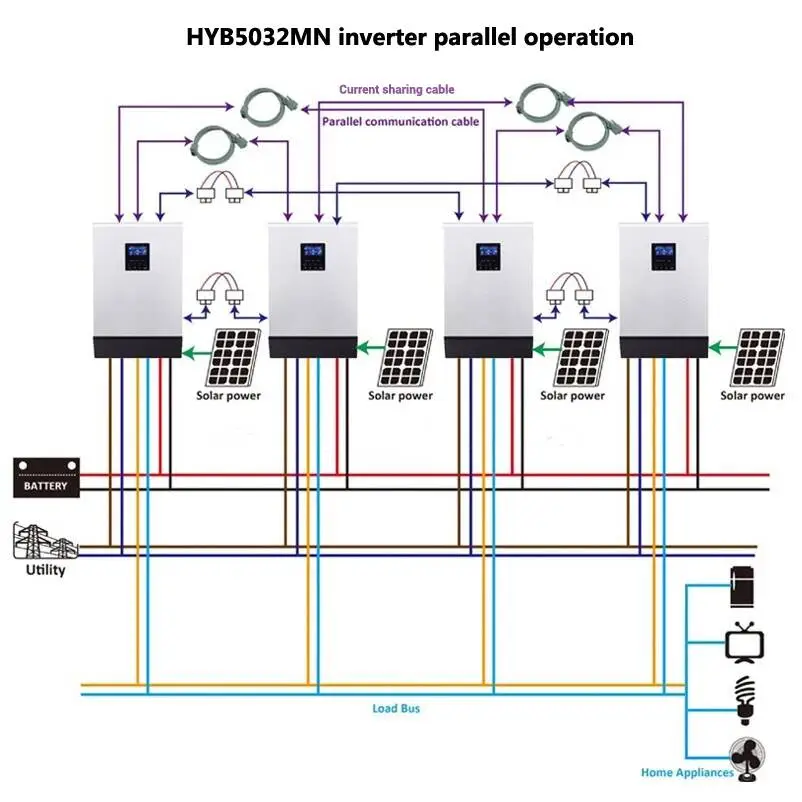
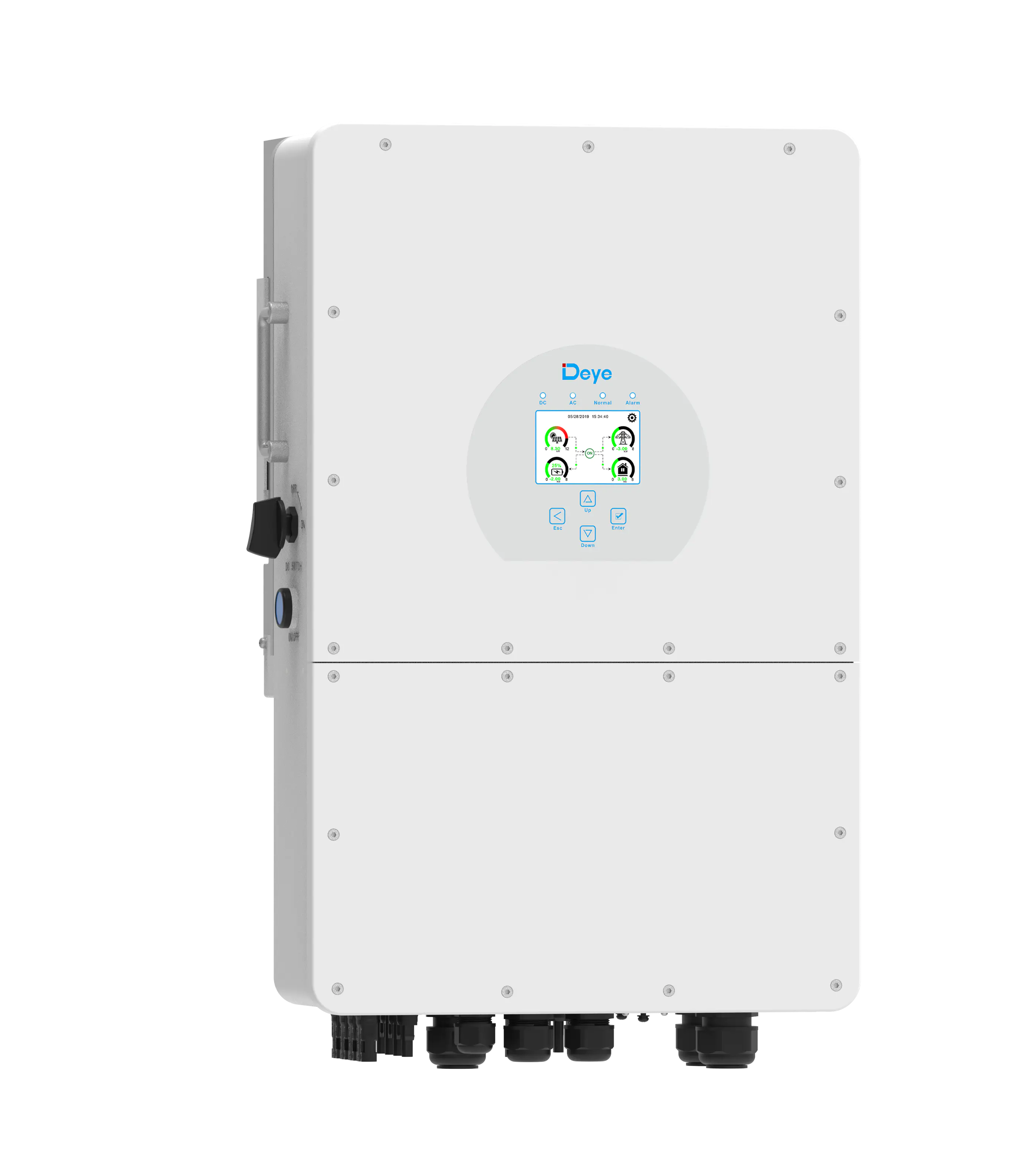
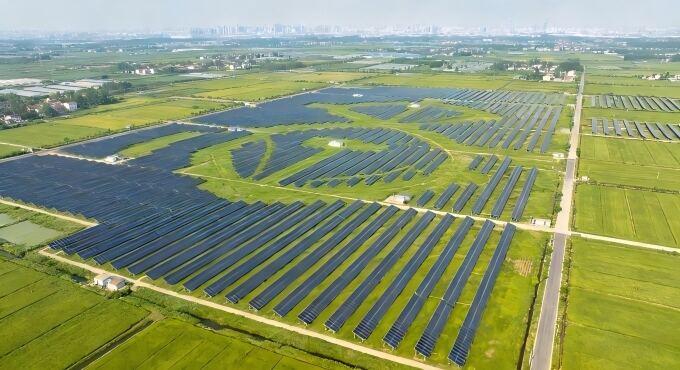
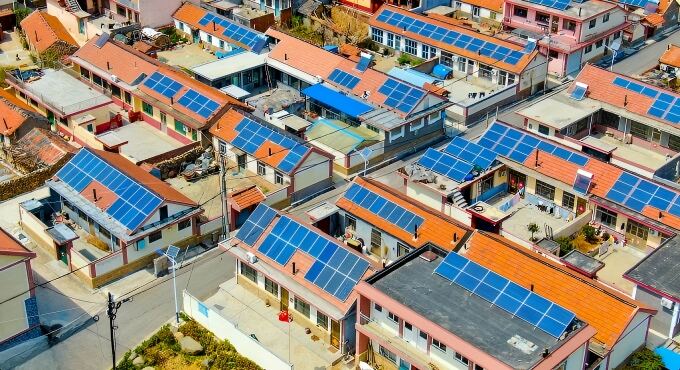
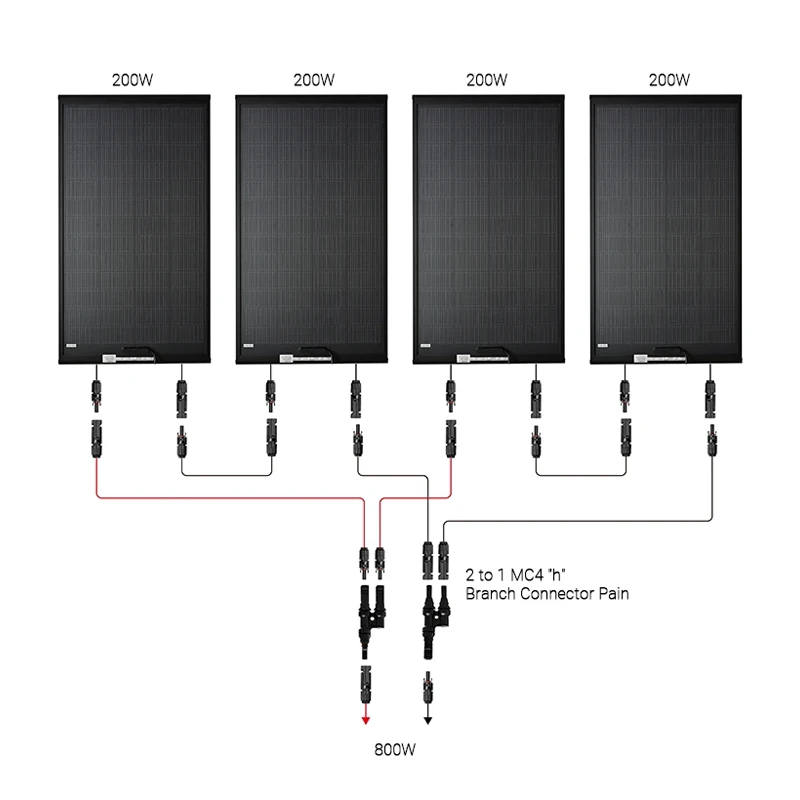
Series parallel solar systems represent a sophisticated approach to photovoltaic energy generation that combines the benefits of both series and parallel electrical configurations. This innovative technology optimizes power output while maintaining system reliability through strategic panel arrangement and advanced electrical design. The series parallel solar configuration connects multiple solar panels in groups, where panels within each group are wired in series, and these series groups are then connected in parallel to create a robust and efficient energy generation system. This hybrid approach addresses the limitations inherent in purely series or purely parallel configurations, delivering superior performance across varying environmental conditions. The main function of series parallel solar systems is to maximize energy harvest while minimizing the impact of shading, soiling, or individual panel malfunctions. By grouping panels in series, the system achieves higher voltage levels, which reduces current flow and minimizes power losses during transmission. Simultaneously, the parallel connection of these series groups ensures that if one group experiences reduced performance, the remaining groups continue operating at optimal levels. Technological features of series parallel solar installations include advanced monitoring capabilities, intelligent bypass mechanisms, and optimized inverter compatibility. Modern systems incorporate smart monitoring technology that tracks the performance of individual panel groups, enabling quick identification of issues and facilitating preventive maintenance. The bypass diode technology integrated into these systems automatically redirects current flow around underperforming sections, maintaining overall system efficiency. Applications for series parallel solar technology span residential, commercial, and industrial sectors. Residential installations benefit from improved performance in partially shaded environments, while commercial applications leverage the scalability and reliability of this configuration. Industrial facilities utilize series parallel solar systems for large-scale energy generation where consistent power output is critical for operational continuity and cost management.
New Products

Series parallel solar systems offer numerous practical benefits that make them an attractive investment for property owners and businesses seeking reliable renewable energy solutions. The primary advantage lies in enhanced energy production consistency, as this configuration minimizes the impact of partial shading or individual panel failures on overall system performance. When one panel in a traditional series configuration becomes shaded or damaged, it can significantly reduce the output of the entire string. However, series parallel solar systems isolate such issues to specific groups, allowing the remainder of the installation to continue generating power at full capacity. This resilience translates directly into higher energy yields and improved return on investment over the system's operational lifetime. Cost effectiveness represents another significant advantage of series parallel solar installations. While the initial setup may require slightly more complex wiring and additional components, the long-term financial benefits far outweigh these upfront costs. Property owners experience reduced electricity bills more consistently throughout the year, as the system maintains higher performance levels even during challenging weather conditions or seasonal variations in sunlight exposure. The improved efficiency also means that smaller installations can meet energy requirements that might otherwise require larger, more expensive purely series or parallel systems. Maintenance simplicity is a crucial practical benefit that appeals to both residential and commercial users. Series parallel solar systems enable technicians to isolate and service individual panel groups without shutting down the entire installation. This capability reduces maintenance downtime and associated costs while ensuring continuous energy production during service intervals. The modular nature of these systems also facilitates easy expansion, allowing property owners to add additional panel groups as their energy needs grow or as budget permits. System longevity and reliability are enhanced through the series parallel solar design, as the reduced stress on individual components extends overall operational life. The distributed load across multiple parallel groups prevents excessive current concentration that can accelerate component degradation in traditional configurations. Additionally, the improved voltage regulation inherent in series parallel solar systems reduces strain on inverters and other electrical components, contributing to lower replacement costs and extended equipment warranties. These advantages combine to create a solar solution that delivers superior performance, reliability, and economic value for discerning customers.

Latest News

Solar Product Tech Advances In 2025

20

Jan

Solar Product Tech Advances In 2025

View More
2025 Global Solar Market Demand (Emerging Markets)

20

Jan

2025 Global Solar Market Demand (Emerging Markets)

View More
Solar Products & Rural Electrification 2025

20

Jan

Solar Products & Rural Electrification 2025

View More

Get a Free Quote

Our representative will contact you soon.
Email
Mobile/WhatsApp
Name
Company Name
Message
0/1000

series parallel solar

Advanced Power Optimization Technology

Advanced Power Optimization Technology

The advanced power optimization technology embedded in series parallel solar systems represents a revolutionary approach to maximizing energy generation efficiency. This sophisticated technology continuously monitors and adjusts the electrical characteristics of each panel group to ensure optimal power extraction under all operating conditions. The system employs intelligent algorithms that analyze real-time performance data from individual series strings and automatically balance loads across parallel connections to maintain peak efficiency. This dynamic optimization capability sets series parallel solar installations apart from conventional systems that operate at fixed parameters regardless of changing environmental conditions. The power optimization technology includes advanced maximum power point tracking functionality that operates at the group level rather than the system level. This granular approach enables each series string to operate at its optimal power point independently, maximizing energy harvest even when different groups experience varying levels of sunlight exposure. For instance, when morning shadows affect eastern-facing panels while western-facing groups receive full sunlight, the optimization system ensures that each section contributes its maximum possible output without being limited by the performance of other groups. The technology also incorporates predictive analytics that learn from historical performance patterns to anticipate and compensate for regular variations such as seasonal shading changes or routine maintenance schedules. Temperature compensation features within the optimization system automatically adjust operating parameters to account for thermal effects that can significantly impact panel efficiency. As temperatures rise, solar panel voltage typically decreases, but the intelligent optimization technology compensates by adjusting current flow characteristics to maintain optimal power output. This thermal management capability is particularly valuable in hot climates where traditional systems often experience significant performance degradation during peak temperature periods. The system's ability to maintain consistent power generation despite thermal challenges translates into higher annual energy production and improved financial returns for system owners. Real-time monitoring and diagnostic capabilities provide unprecedented visibility into system performance, enabling proactive maintenance and rapid troubleshooting. The optimization technology generates detailed performance reports that help identify trends, predict maintenance needs, and optimize system configuration for maximum long-term efficiency. This comprehensive approach to power optimization ensures that series parallel solar investments deliver maximum value throughout their operational lifetime.
Enhanced System Reliability and Fault Tolerance

Enhanced System Reliability and Fault Tolerance

Enhanced system reliability and fault tolerance represent cornerstone features of series parallel solar technology that distinguish it from conventional photovoltaic installations. The inherent redundancy built into series parallel solar configurations creates multiple independent power generation pathways that maintain energy production even when individual components experience failures or performance degradation. This robust design philosophy ensures continuous operation under adverse conditions, providing peace of mind for property owners who depend on consistent renewable energy generation. The fault tolerance capabilities of series parallel solar systems stem from their distributed architecture, where power generation responsibility is shared across multiple parallel-connected series strings rather than concentrated in a single pathway. When individual panels within a series string experience reduced performance due to soiling, shading, or technical issues, bypass mechanisms automatically redirect current flow to maintain group functionality. Simultaneously, the parallel configuration ensures that other unaffected groups continue operating at full capacity, preventing cascading failures that could compromise entire system output. This multi-layered protection strategy significantly reduces the risk of complete system shutdown, making series parallel solar installations particularly suitable for critical applications where energy security is paramount. Durability enhancements integrated into series parallel solar designs contribute to exceptional long-term reliability that exceeds industry standards. The balanced electrical loads distributed across parallel pathways reduce stress concentrations that typically accelerate component wear in traditional configurations. This load distribution extends the operational lifetime of critical components including inverters, monitoring systems, and electrical connections, resulting in lower maintenance costs and reduced replacement frequencies. The improved thermal management achieved through distributed current flow also contributes to enhanced component longevity by preventing hotspots that can cause premature failure in high-stress applications. Advanced diagnostic capabilities embedded within series parallel solar systems enable predictive maintenance strategies that identify potential issues before they impact system performance. Real-time monitoring of electrical parameters across individual series strings allows maintenance teams to detect gradual performance degradation patterns that might indicate developing problems. This proactive approach enables scheduled maintenance during convenient periods rather than emergency repairs during system failures, minimizing downtime and associated costs. The diagnostic system also maintains comprehensive performance logs that facilitate warranty claims and support troubleshooting efforts, ensuring rapid resolution of any technical issues that may arise during the system's operational lifetime.
Scalable Installation Flexibility and Future Expansion

Scalable Installation Flexibility and Future Expansion

Scalable installation flexibility and future expansion capabilities represent defining characteristics of series parallel solar technology that provide exceptional value for property owners with evolving energy needs. The modular architecture inherent in series parallel solar systems enables seamless integration of additional capacity without requiring complete system redesign or replacement of existing components. This expandability feature makes series parallel solar installations particularly attractive for growing businesses, expanding families, or properties where energy consumption patterns may change over time. The flexibility begins with initial system design, where series parallel solar configurations can be customized to match specific site conditions, energy requirements, and budget constraints while maintaining the option for future enhancement. Property owners can start with smaller installations that meet immediate energy needs and systematically add additional panel groups as financial resources become available or energy consumption increases. This phased approach to solar adoption reduces initial capital requirements while providing a clear pathway for long-term energy independence. The modular expansion process is significantly simplified compared to traditional solar configurations because new panel groups can be integrated into existing parallel circuits without disrupting ongoing power generation from established sections. Installation versatility is enhanced through the adaptability of series parallel solar systems to diverse mounting configurations and site constraints. Whether installing on complex roof geometries, ground-mount arrays, or integrated building applications, the flexible grouping options accommodate irregular spaces and shading patterns that might challenge conventional installations. Different series groups can be oriented to optimize sun exposure for their specific locations, while the parallel connection ensures that each group contributes optimally to overall system performance. This adaptability makes series parallel solar technology suitable for challenging installation environments where traditional rigid configurations might prove impractical or inefficient. The expansion process is further streamlined through compatible component ecosystems that ensure seamless integration between original and additional system elements. Standardized electrical interfaces, monitoring protocols, and mounting hardware simplify the addition of new capacity while maintaining system reliability and performance optimization features. Professional installers can efficiently integrate expansion modules without extensive rewiring or system reconfiguration, minimizing installation time and associated costs. This compatibility also extends to monitoring and control systems, ensuring that expanded installations maintain comprehensive performance visibility and optimization capabilities across all system components. Future-proofing features built into series parallel solar designs accommodate evolving technology standards and regulatory requirements, protecting long-term investment value while enabling integration of advanced capabilities as they become available.

Get a Free Quote

Our representative will contact you soon.
Email
Mobile/WhatsApp
Name
Company Name
Message
0/1000