Solar Panels Connected in Series and Parallel: Complete Guide to Configuration, Benefits, and Applications

Get a Free Quote

Our representative will contact you soon.
Email
Mobile/WhatsApp
Name
Company Name
Message
0/1000

solar panels connected in series and parallel

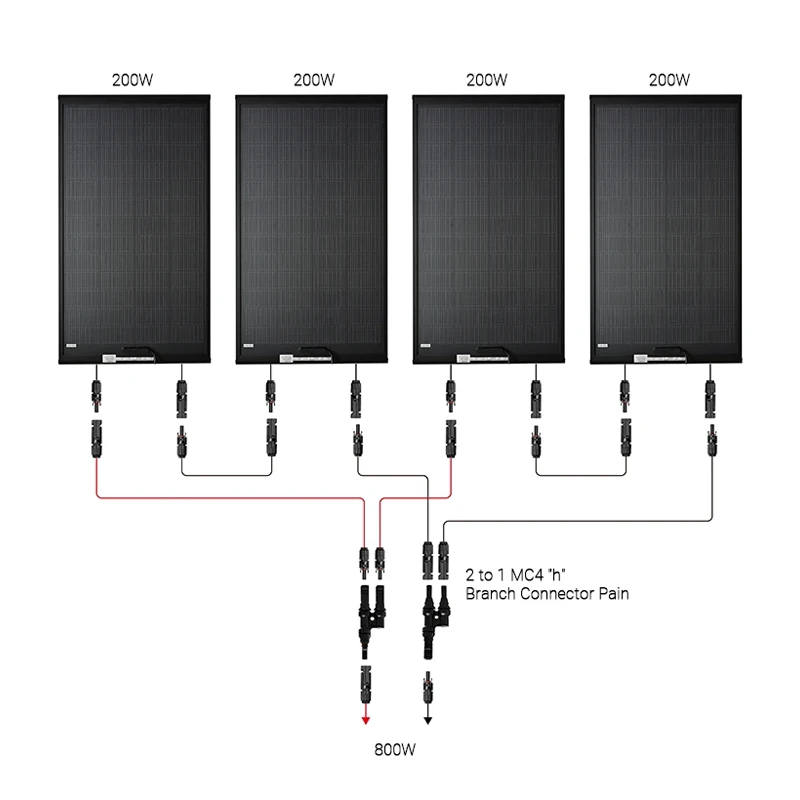
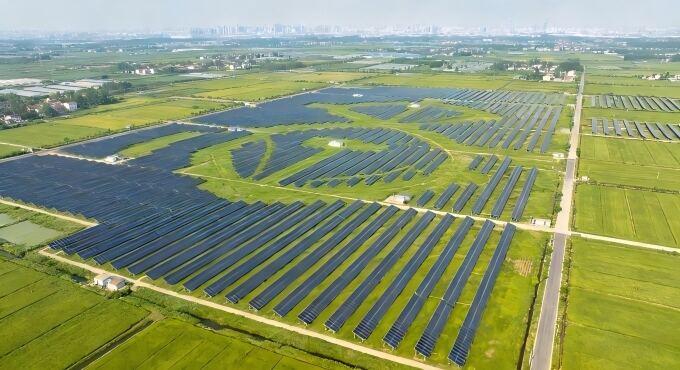
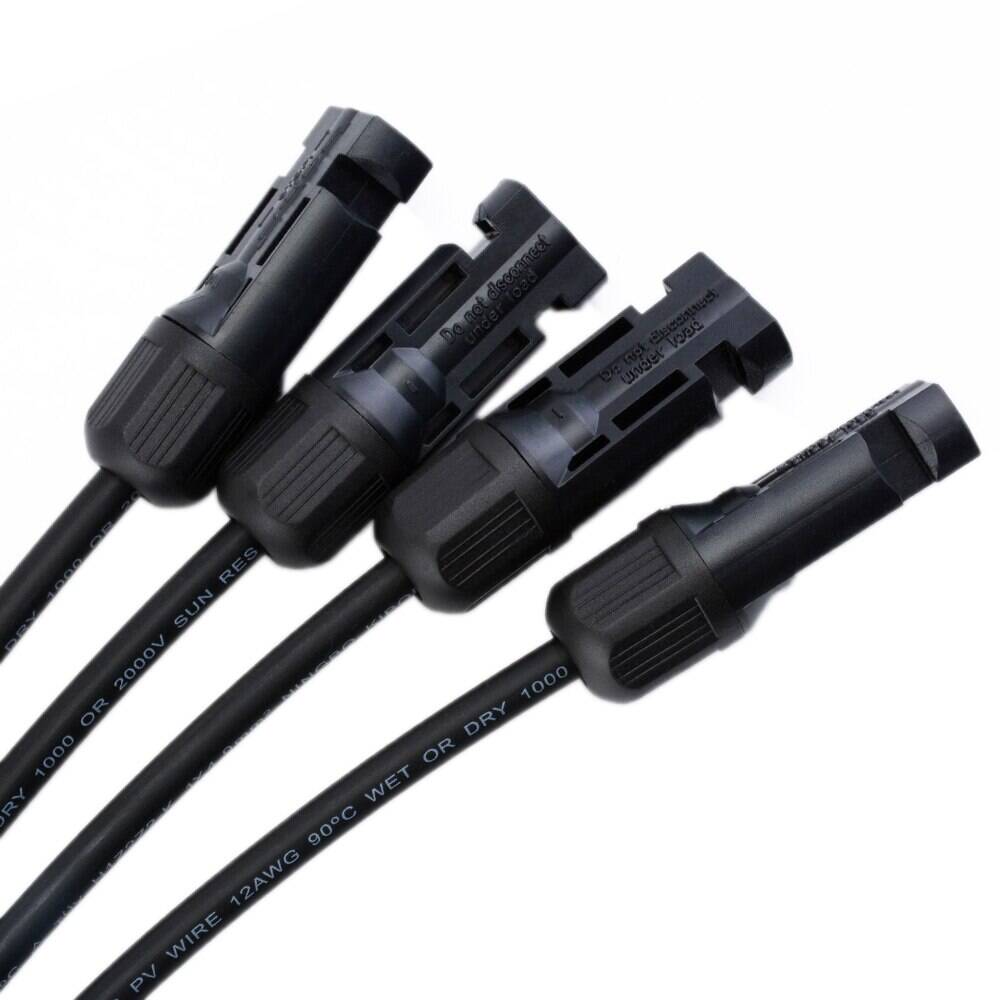
Solar panels connected in series and parallel represent fundamental electrical configurations that determine how photovoltaic systems generate and deliver power. These connection methods are essential for optimizing energy production, voltage requirements, and system reliability in residential, commercial, and industrial installations. Understanding these configurations helps users design efficient solar energy systems that meet specific power demands while maximizing performance. When solar panels connected in series and parallel are properly configured, they create robust energy solutions that adapt to various environmental conditions and electrical requirements. The series connection involves linking solar panels end-to-end, where the positive terminal of one panel connects to the negative terminal of the next panel. This configuration increases the total voltage output while maintaining the same current flow throughout the circuit. The main function of series connections is to achieve higher voltage levels required by inverters and electrical systems. Parallel connections, conversely, involve connecting all positive terminals together and all negative terminals together, which maintains the same voltage while increasing the total current output. Solar panels connected in series and parallel often combine both methods to create series-parallel configurations that balance voltage and current requirements. The technological features of these configurations include enhanced system flexibility, improved fault tolerance, and optimized power matching capabilities. Advanced monitoring systems can track individual panel performance within these configurations, enabling precise maintenance and troubleshooting. Modern solar installations frequently employ string inverters or power optimizers that work specifically with solar panels connected in series and parallel to maximize energy harvest. Applications range from small residential rooftop systems to large-scale solar farms, where these configurations enable scalable power generation that meets diverse energy demands while maintaining system stability and efficiency.
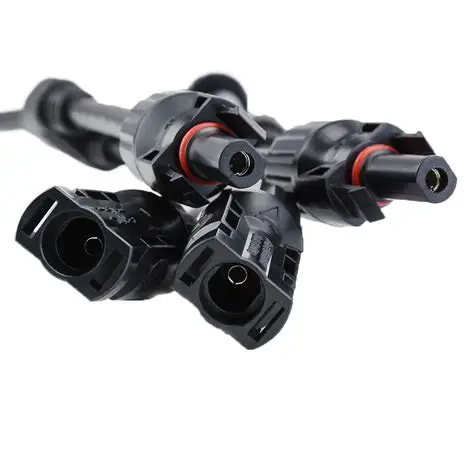
New Product Recommendations

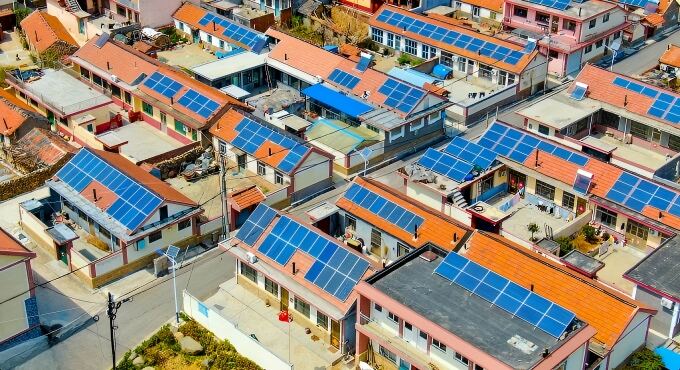
Solar panels connected in series and parallel offer numerous practical benefits that make them attractive investments for property owners and businesses seeking reliable renewable energy solutions. The primary advantage lies in their flexibility to match specific voltage and current requirements for different applications. When you install solar panels connected in series and parallel, you gain the ability to customize your system's electrical characteristics to work seamlessly with existing infrastructure and inverter specifications. This adaptability translates into higher energy conversion efficiency and reduced system costs. Another significant benefit involves improved system reliability through redundancy. Solar panels connected in series and parallel configurations provide multiple pathways for electricity flow, ensuring that partial shading or individual panel failures do not completely shut down power production. This fault tolerance means your energy system continues operating even when some panels experience reduced performance, maintaining consistent power generation throughout varying weather conditions. The scalability advantage allows easy system expansion without major infrastructure changes. You can add more solar panels connected in series and parallel to increase power output as energy needs grow, making these systems excellent long-term investments. This expandability proves particularly valuable for businesses experiencing growth or homeowners planning future electric vehicle charging stations or home additions. Enhanced monitoring capabilities represent another key advantage, as modern systems allow real-time tracking of individual panel performance within series and parallel configurations. This detailed visibility helps identify maintenance needs early, optimizing system performance and extending equipment lifespan. The improved power matching between panels and inverters results in higher overall system efficiency, translating directly into increased electricity production and greater savings on energy bills. Additionally, solar panels connected in series and parallel offer better adaptation to different roof orientations and shading patterns, maximizing energy harvest from available space while providing professional installation flexibility that accommodates various architectural constraints.

Practical Tips

Solar Product Tech Advances In 2025

20

Jan

Solar Product Tech Advances In 2025

View More
2025 Global Solar Market Demand (Emerging Markets)

20

Jan

2025 Global Solar Market Demand (Emerging Markets)

View More
Solar Products & Rural Electrification 2025

20

Jan

Solar Products & Rural Electrification 2025

View More

Get a Free Quote

Our representative will contact you soon.
Email
Mobile/WhatsApp
Name
Company Name
Message
0/1000

solar panels connected in series and parallel

Maximum Power Point Tracking Optimization Through Advanced Configuration Design

Maximum Power Point Tracking Optimization Through Advanced Configuration Design

Solar panels connected in series and parallel benefit tremendously from sophisticated Maximum Power Point Tracking (MPPT) technology that continuously monitors and adjusts electrical output to maintain peak efficiency regardless of environmental conditions. This advanced feature represents a crucial technological breakthrough that transforms how photovoltaic systems respond to changing sunlight intensity, temperature variations, and partial shading scenarios. The MPPT optimization works by constantly analyzing the voltage-current relationship within series and parallel configurations, automatically adjusting system parameters to extract maximum available power from each connected panel. This intelligent tracking system proves especially valuable when solar panels connected in series and parallel experience non-uniform conditions, such as when some panels receive direct sunlight while others face temporary shading from clouds, trees, or nearby structures. The technology employs sophisticated algorithms that sample electrical characteristics multiple times per second, ensuring rapid response to changing conditions that might otherwise reduce overall system performance. Modern MPPT controllers integrated with solar panels connected in series and parallel can increase energy harvest by fifteen to twenty-five percent compared to systems without this optimization, representing substantial long-term savings for system owners. The tracking precision becomes particularly important in commercial installations where maximizing return on investment requires extracting every available kilowatt-hour from the solar array. Advanced MPPT systems also provide detailed performance data that helps system owners understand energy production patterns, identify potential maintenance needs, and optimize energy usage schedules to align with peak production periods. This comprehensive monitoring capability extends beyond simple power tracking to include temperature monitoring, fault detection, and predictive maintenance alerts that help prevent minor issues from developing into costly repairs. The integration of MPPT technology with solar panels connected in series and parallel creates intelligent energy systems that adapt automatically to environmental changes while providing users with actionable insights for maximizing their renewable energy investment.
Enhanced System Resilience and Fault Tolerance for Uninterrupted Energy Production

Enhanced System Resilience and Fault Tolerance for Uninterrupted Energy Production

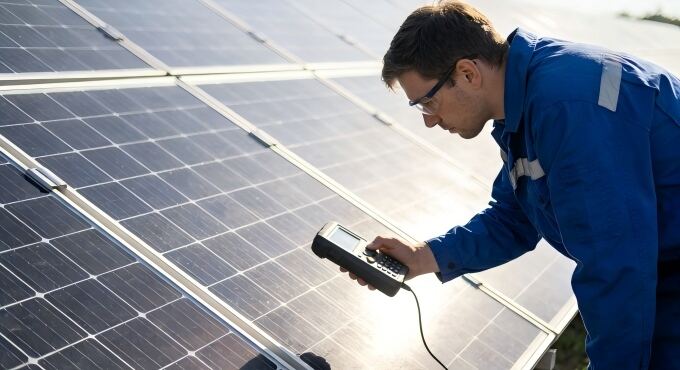
Solar panels connected in series and parallel configurations provide exceptional system resilience through innovative fault tolerance mechanisms that ensure continuous energy production even when individual components experience performance degradation or temporary failures. This enhanced resilience stems from the inherent redundancy built into properly designed series-parallel configurations, where multiple current paths and voltage sources work together to maintain system stability under adverse conditions. The fault tolerance capabilities prove particularly valuable during partial shading events, equipment malfunctions, or maintenance periods when individual panels may be temporarily offline. Unlike simple series-only configurations where a single panel failure can shut down an entire string, solar panels connected in series and parallel maintain alternative power generation pathways that preserve overall system functionality. Advanced bypass diode technology integrated within these configurations automatically routes electrical current around underperforming or damaged panels, preventing hot spot formation while maintaining power flow through healthy system components. This intelligent fault management extends system lifespan by protecting individual panels from electrical stress that might otherwise cause permanent damage. The resilience benefits become even more pronounced in harsh weather conditions, where temperature extremes, high winds, or hail might temporarily affect some panels while leaving others fully operational. Modern monitoring systems integrated with solar panels connected in series and parallel provide real-time alerts about system performance anomalies, enabling proactive maintenance that addresses potential issues before they impact energy production. This predictive capability helps system owners schedule maintenance during optimal times, minimizing disruption to energy generation while ensuring long-term reliability. The enhanced resilience also translates into improved financial performance, as consistent energy production throughout varying environmental conditions maximizes return on investment while reducing unexpected maintenance costs. Professional installation of solar panels connected in series and parallel includes comprehensive system testing and optimization procedures that verify fault tolerance mechanisms are functioning correctly, providing system owners with confidence in their renewable energy investment's long-term reliability and performance consistency.
Scalable Power Generation Architecture for Future Energy Expansion

Scalable Power Generation Architecture for Future Energy Expansion

Solar panels connected in series and parallel offer unmatched scalability that enables seamless system expansion to accommodate growing energy demands without requiring complete infrastructure overhaul or significant additional investment in supporting equipment. This scalable architecture represents a fundamental advantage for property owners who anticipate future increases in electricity consumption due to business growth, family expansion, electric vehicle adoption, or additional electrical appliances. The modular nature of series-parallel configurations allows systematic addition of panel strings or parallel branches that integrate smoothly with existing system components while maintaining optimal performance characteristics. Professional system designers can plan initial installations of solar panels connected in series and parallel with future expansion capabilities built into the electrical infrastructure, including appropriately sized inverters, electrical panels, and monitoring systems that accommodate additional capacity without major modifications. This forward-thinking approach prevents the need for costly system redesigns when expansion becomes necessary, making renewable energy investments more economically attractive over their operational lifetime. The scalability extends beyond simple panel additions to include advanced energy storage integration, smart grid connectivity, and electric vehicle charging infrastructure that can be seamlessly incorporated into existing solar panels connected in series and parallel configurations. Modern expansion techniques allow homeowners and businesses to start with smaller systems that meet immediate energy needs while retaining the flexibility to grow their renewable energy capacity as budgets allow or requirements increase. The technical compatibility maintained throughout expansion processes ensures that new panels integrate perfectly with existing components, preserving system efficiency and warranty coverage while maximizing long-term energy production. Advanced monitoring systems track performance across all expansion phases, providing detailed analytics that help optimize energy usage patterns and identify opportunities for further efficiency improvements. This comprehensive scalability makes solar panels connected in series and parallel ideal for dynamic energy environments where flexibility and adaptability are essential for maximizing renewable energy benefits over decades of system operation, ensuring that initial investments continue providing value as energy needs evolve and technology advances.

Get a Free Quote

Our representative will contact you soon.
Email
Mobile/WhatsApp
Name
Company Name
Message
0/1000