connecting pv panels in series and parallel
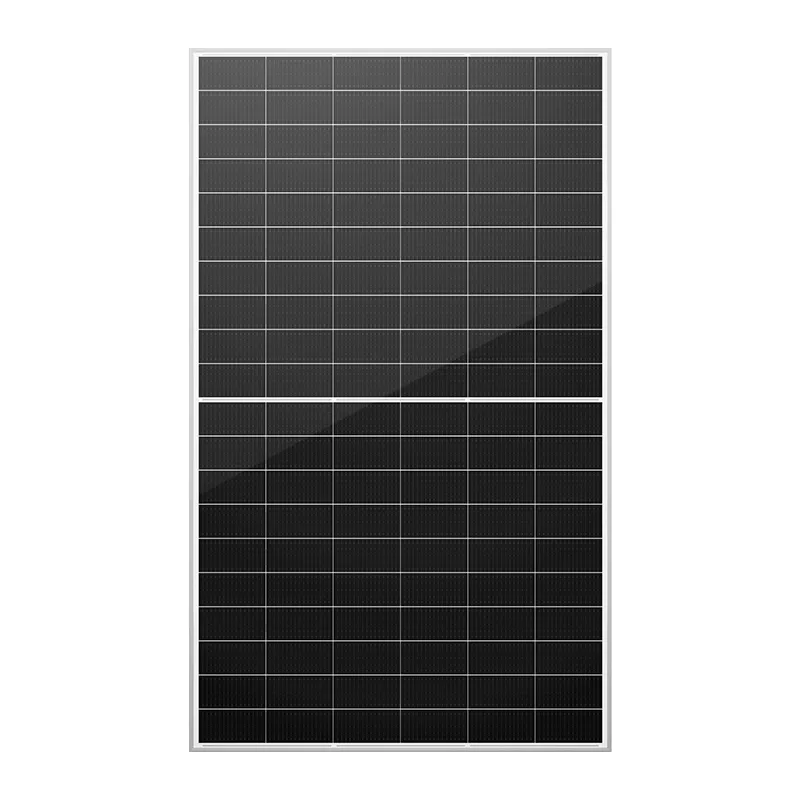
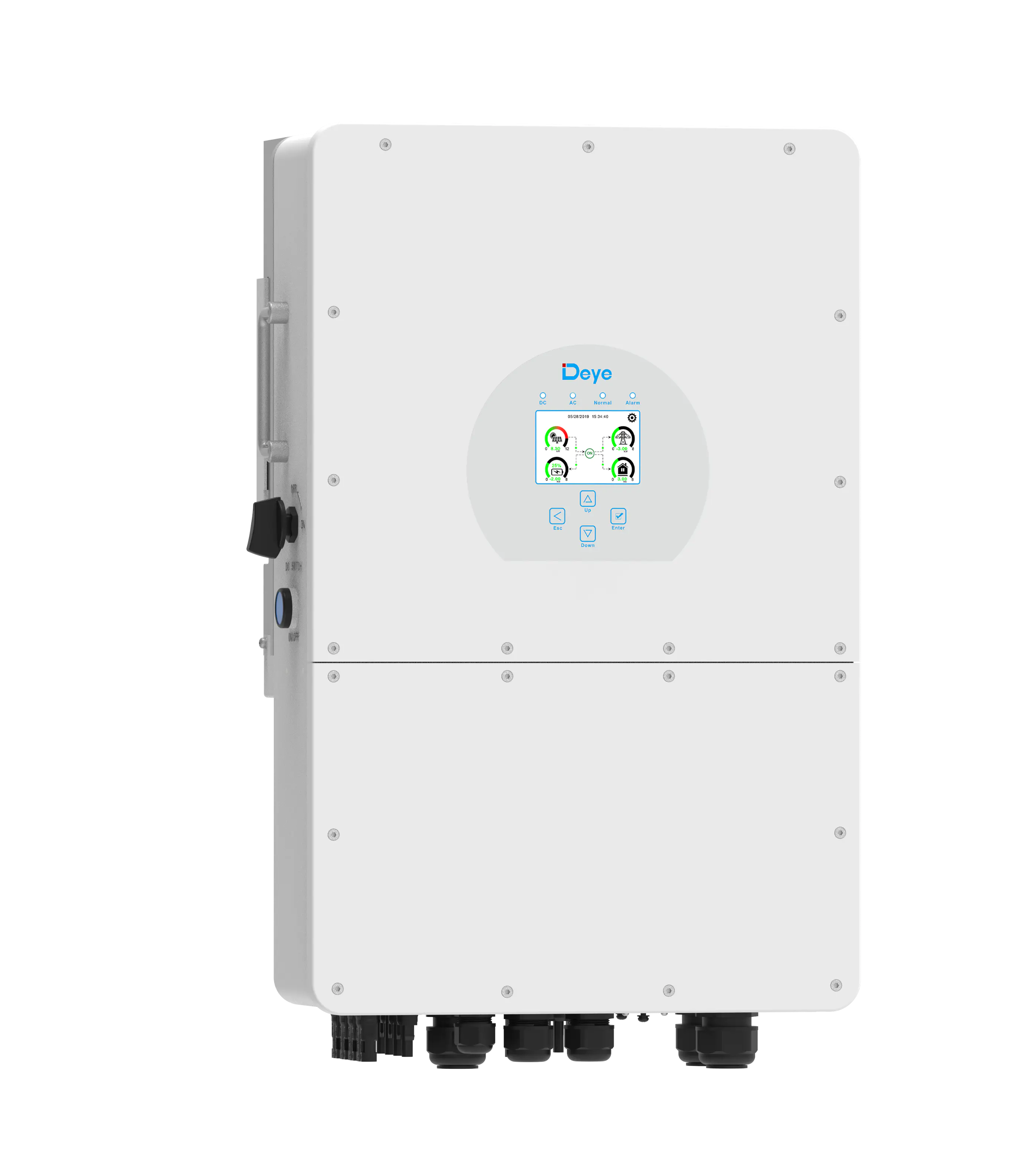
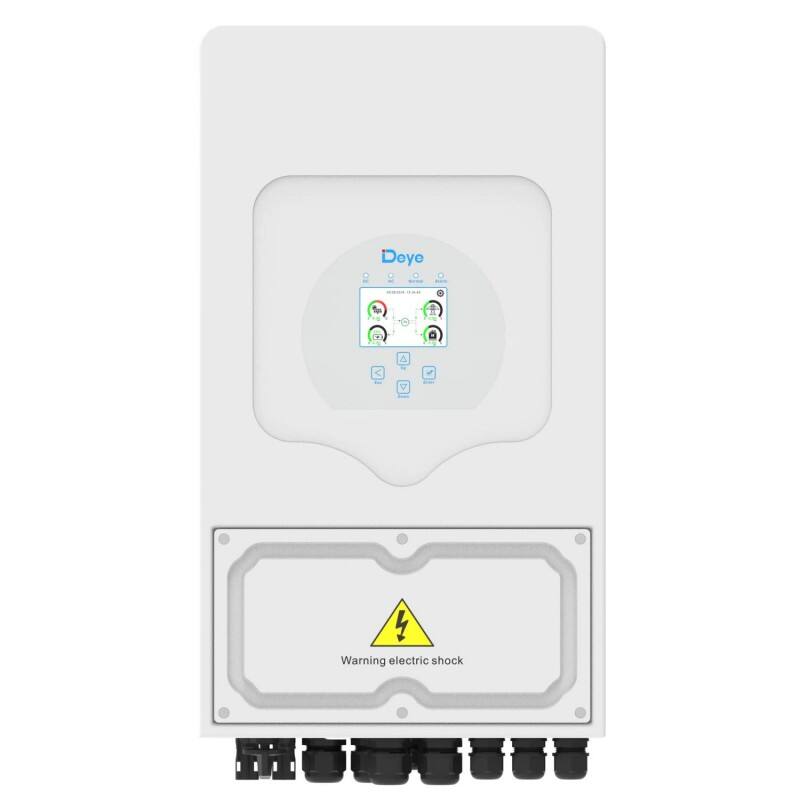
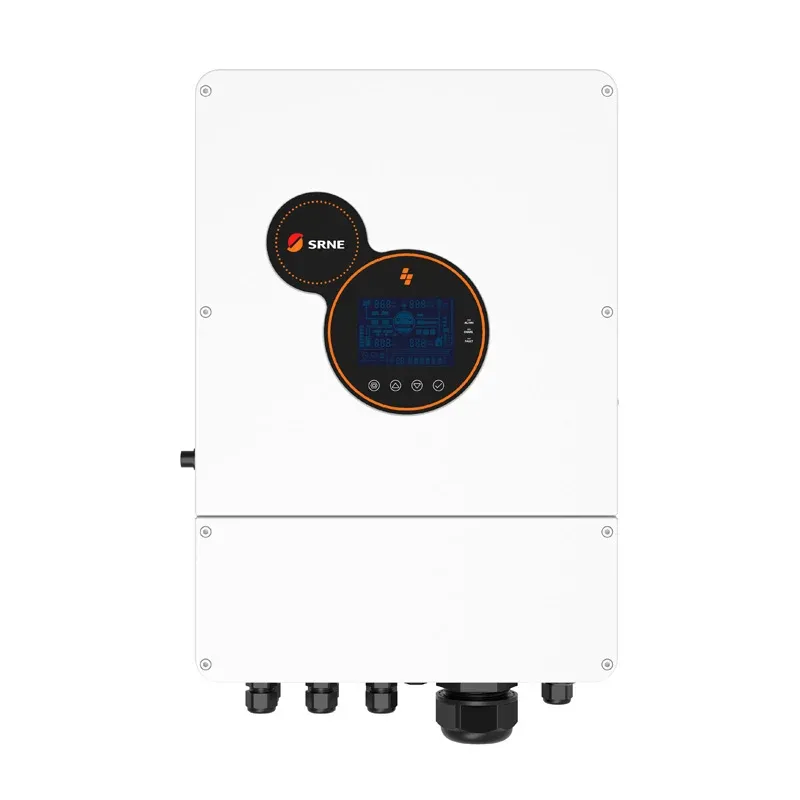
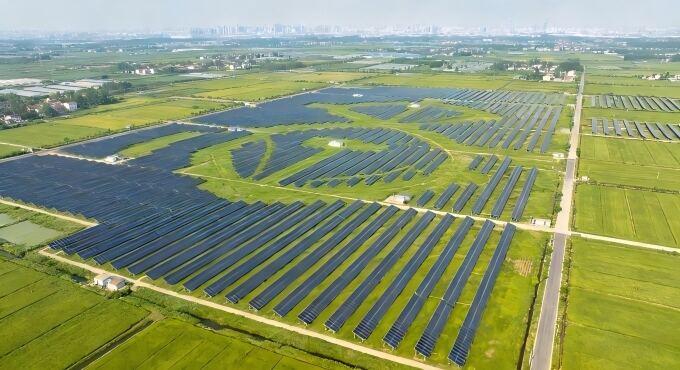
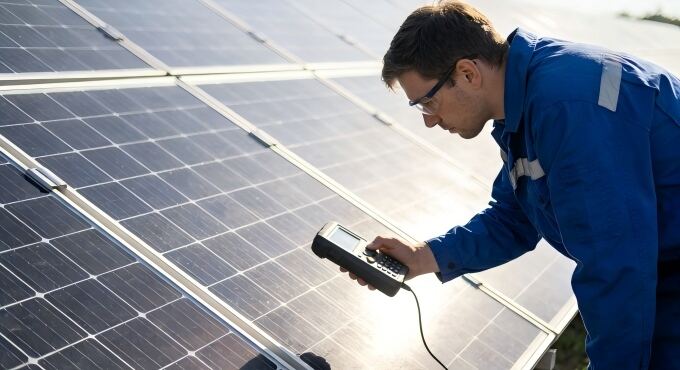
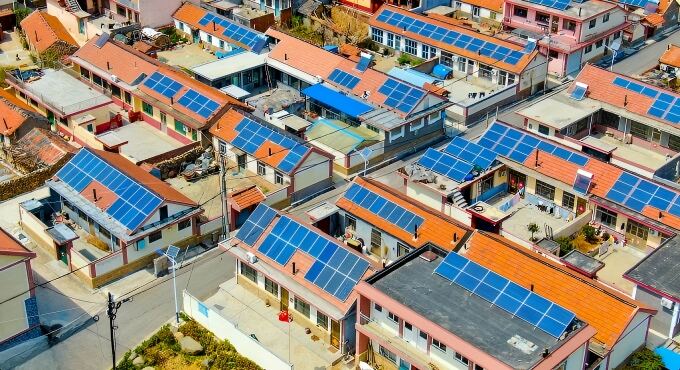
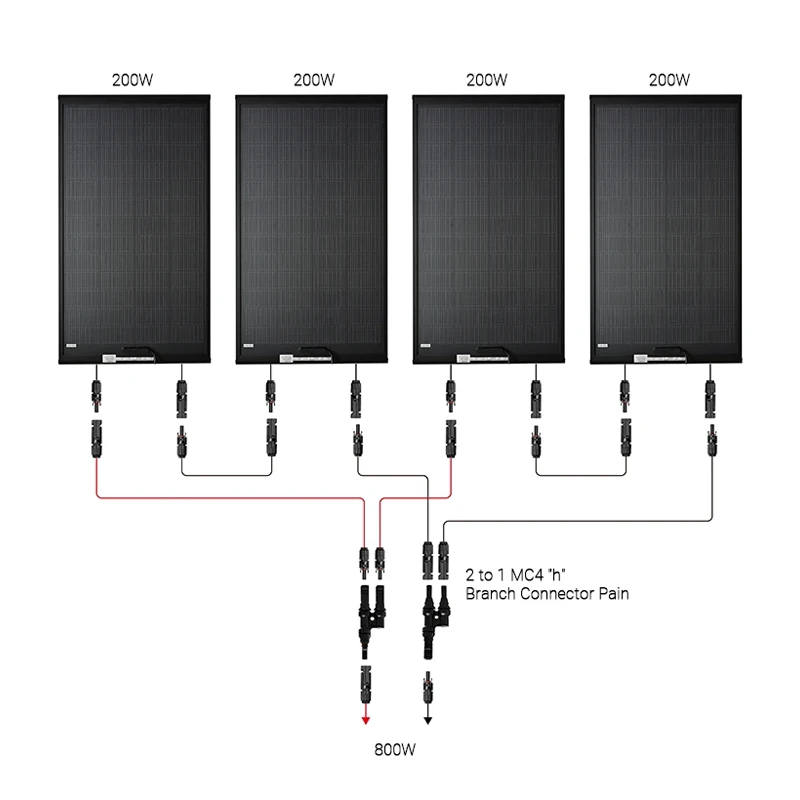
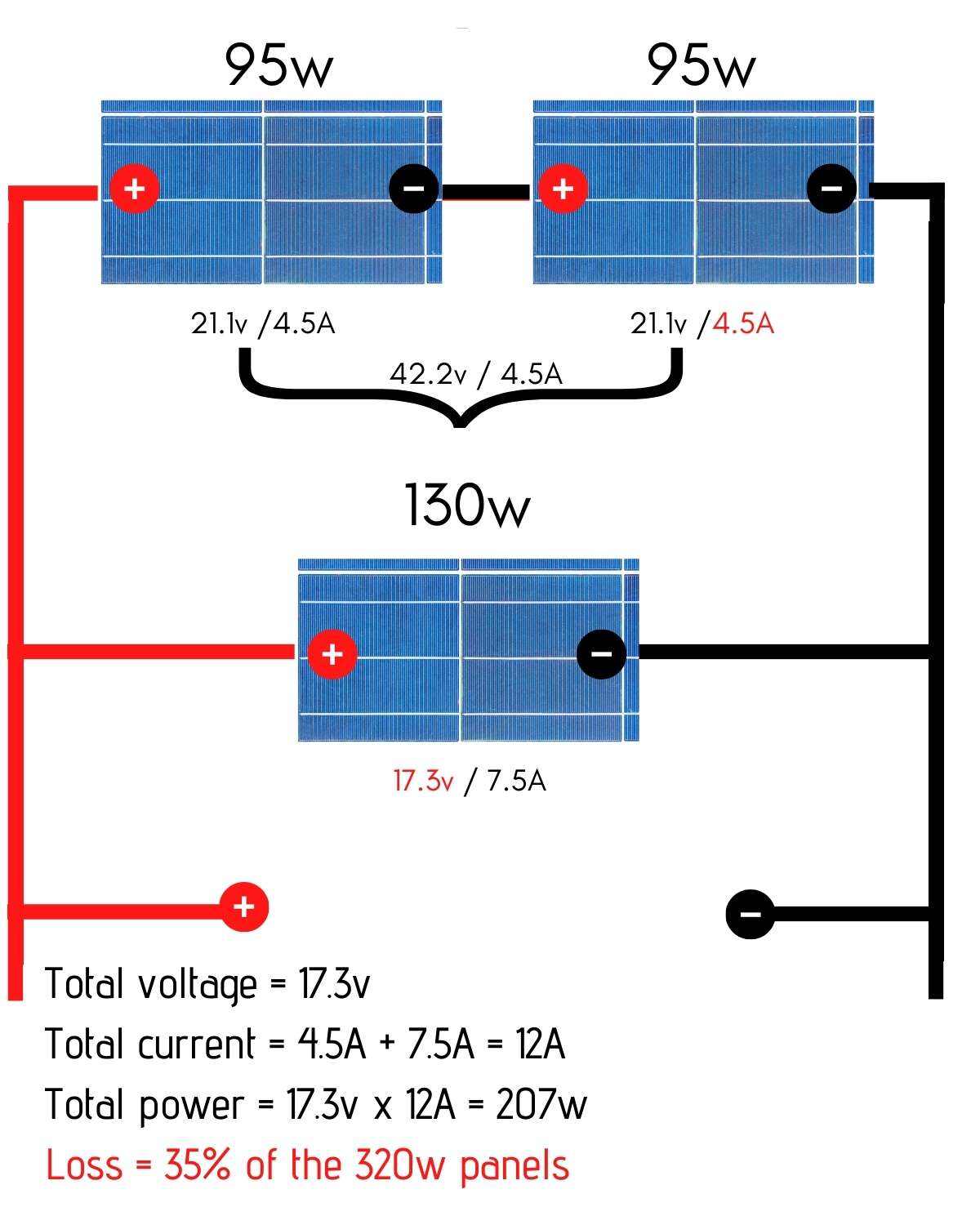
Connecting PV panels in series and parallel represents a fundamental aspect of solar energy system design that determines power output, voltage levels, and overall system performance. This configuration methodology involves strategically linking photovoltaic modules to achieve desired electrical characteristics while optimizing energy production efficiency. Series connections join panels end-to-end, creating a pathway where current flows through each panel sequentially, resulting in cumulative voltage increases while maintaining consistent current levels. Parallel connections, conversely, link panels side-by-side, combining current outputs while preserving individual panel voltage ratings. The technological framework of connecting PV panels in series and parallel encompasses sophisticated electrical engineering principles that maximize solar array effectiveness. Series configurations multiply voltage outputs by the number of connected panels, making them ideal for systems requiring higher voltage levels to match inverter specifications or reduce transmission losses. Parallel arrangements aggregate current production from multiple panels, enhancing total power generation capacity without voltage escalation. Modern solar installations frequently employ hybrid approaches, combining both series and parallel connections to create optimal electrical configurations. String inverters typically require specific voltage ranges, making series connections essential for achieving proper operating parameters. Microinverters and power optimizers have expanded parallel connection possibilities by enabling individual panel optimization. The applications of connecting PV panels in series and parallel span residential rooftops, commercial installations, utility-scale solar farms, and off-grid systems. Residential systems commonly utilize series strings to match inverter voltage requirements while maintaining installation simplicity. Commercial projects often implement complex series-parallel matrices to accommodate varying roof orientations and shading conditions. Utility installations leverage massive series-parallel networks to generate megawatts of clean electricity. Off-grid applications benefit from flexible connection strategies that match battery bank specifications and load requirements, ensuring reliable power delivery in remote locations.
 EN
EN