connecting solar panels in series and parallel
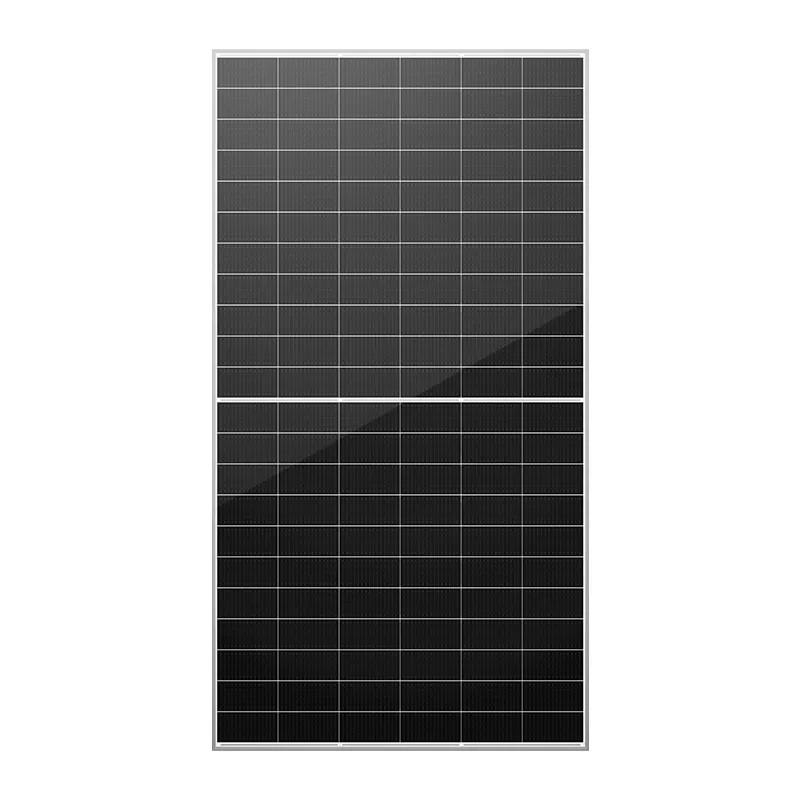
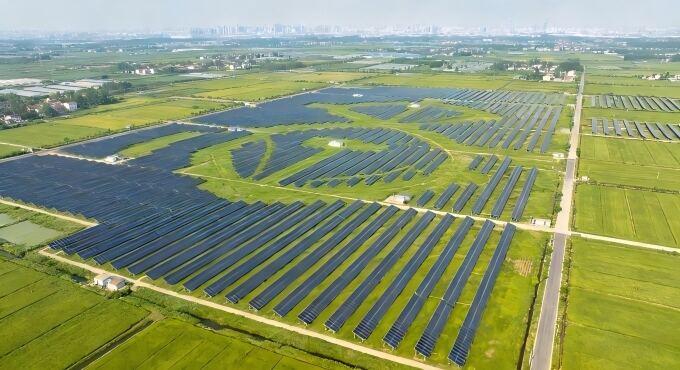
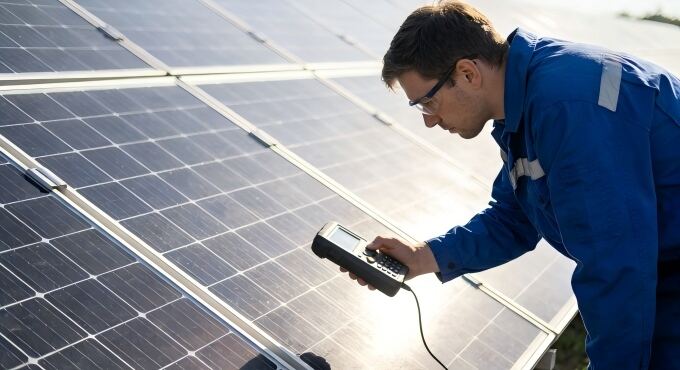
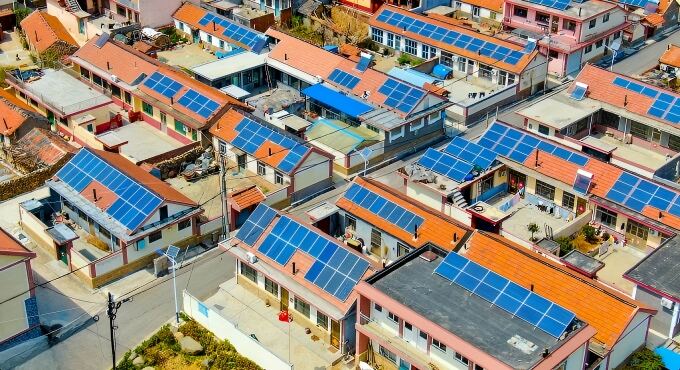
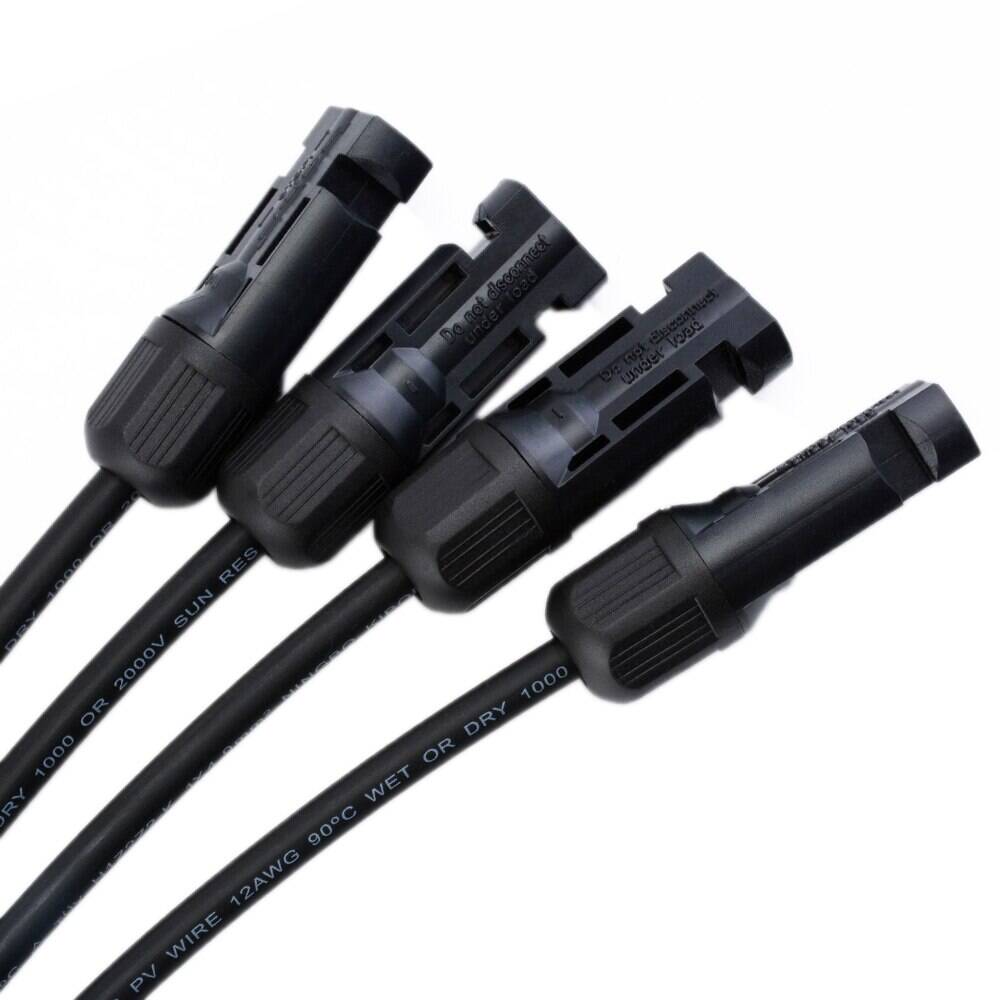
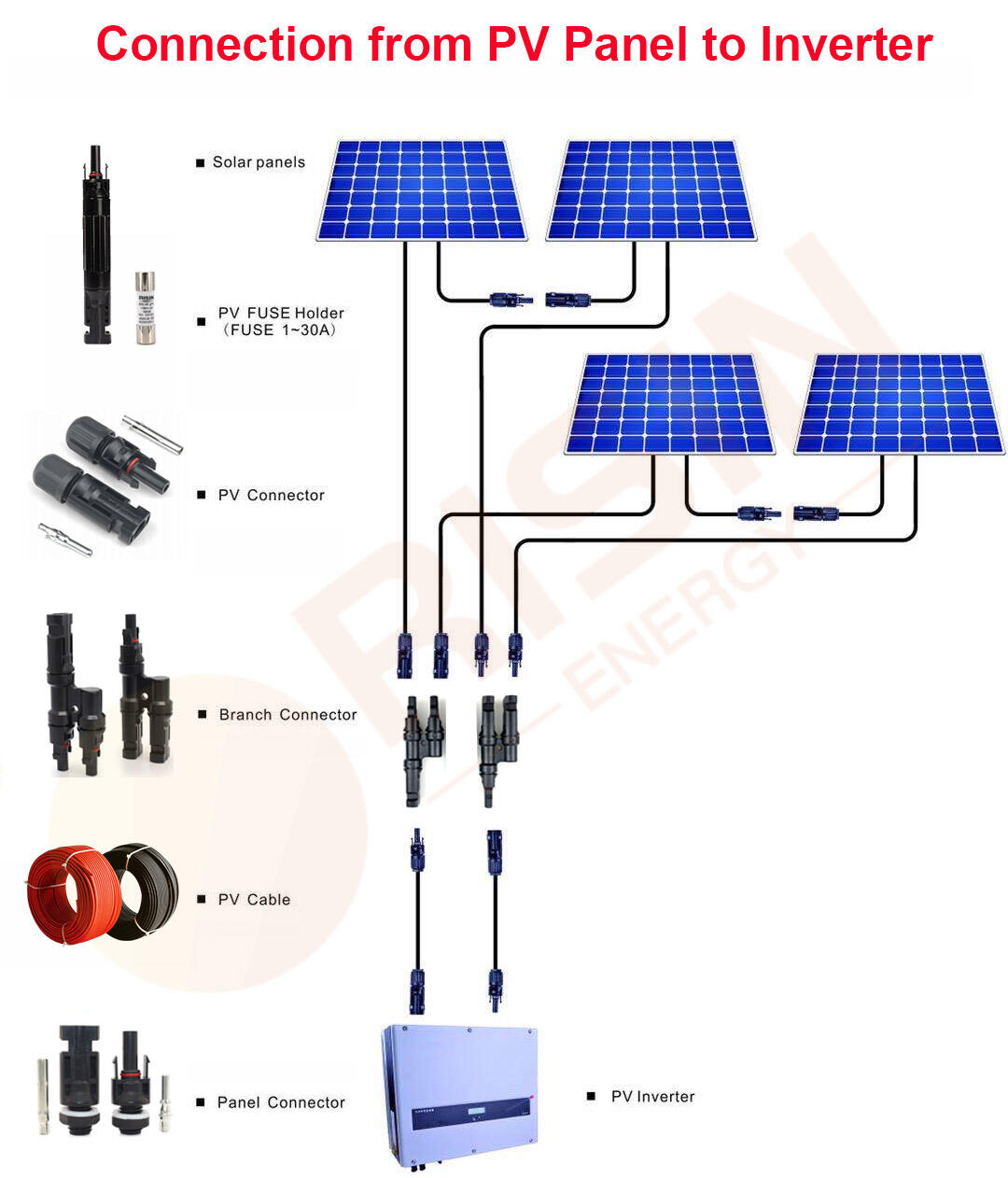
Connecting solar panels in series and parallel represents a fundamental aspect of photovoltaic system design that directly impacts energy production, system reliability, and overall performance. Understanding these two primary connection methods enables homeowners, businesses, and solar installers to optimize their renewable energy investments while maximizing power output under various environmental conditions. When connecting solar panels in series and parallel, electrical engineers and system designers must consider factors such as voltage requirements, current limitations, shading effects, and maintenance accessibility. Series connections involve linking solar panels end-to-end, creating a continuous electrical pathway where current remains constant while voltage increases cumulatively across each panel. This configuration proves particularly effective for systems requiring higher voltage output to meet specific inverter requirements or grid-tie specifications. Conversely, parallel connections join solar panels side-by-side, maintaining consistent voltage levels while combining current output from multiple panels, resulting in enhanced system resilience against partial shading conditions. Modern solar installations frequently employ hybrid approaches, combining both series and parallel configurations to achieve optimal performance characteristics tailored to specific site conditions and energy requirements. The technological features of connecting solar panels in series and parallel include advanced bypass diodes, optimized wiring harnesses, and intelligent monitoring systems that track individual panel performance. These installations commonly utilize specialized connectors, junction boxes, and combiner equipment designed to handle varying electrical loads while maintaining system safety and efficiency. Applications for connecting solar panels in series and parallel span residential rooftop systems, commercial building installations, utility-scale solar farms, and off-grid power solutions for remote locations, agricultural operations, and emergency backup systems.
 EN
EN