עיצוב מודולרי ות-scalable לעתיד
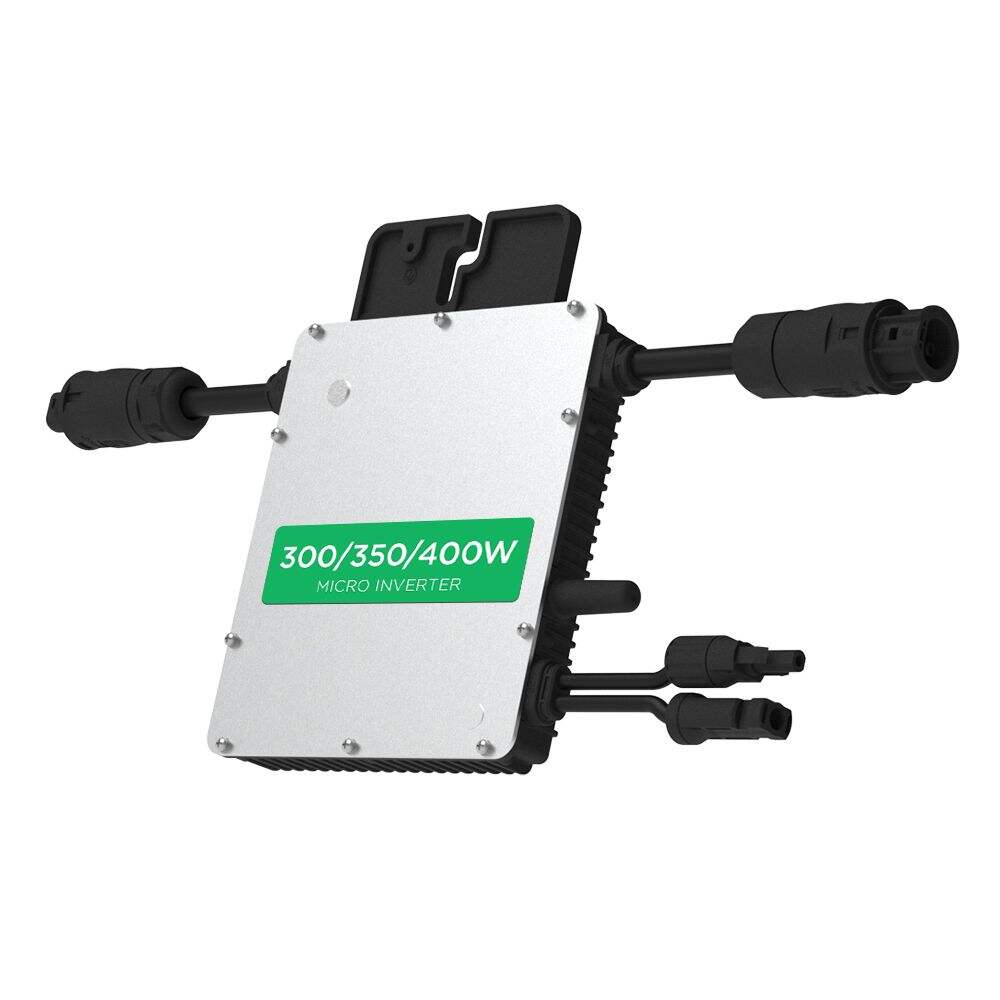
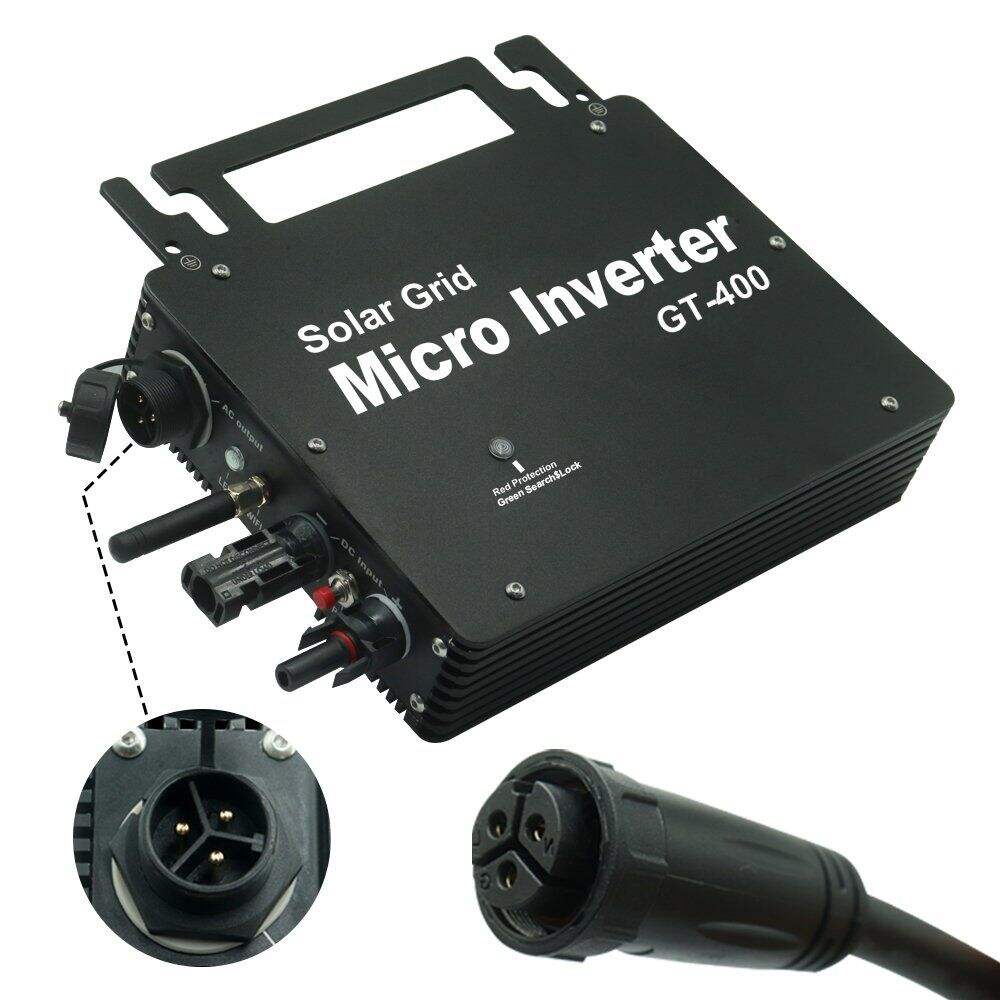
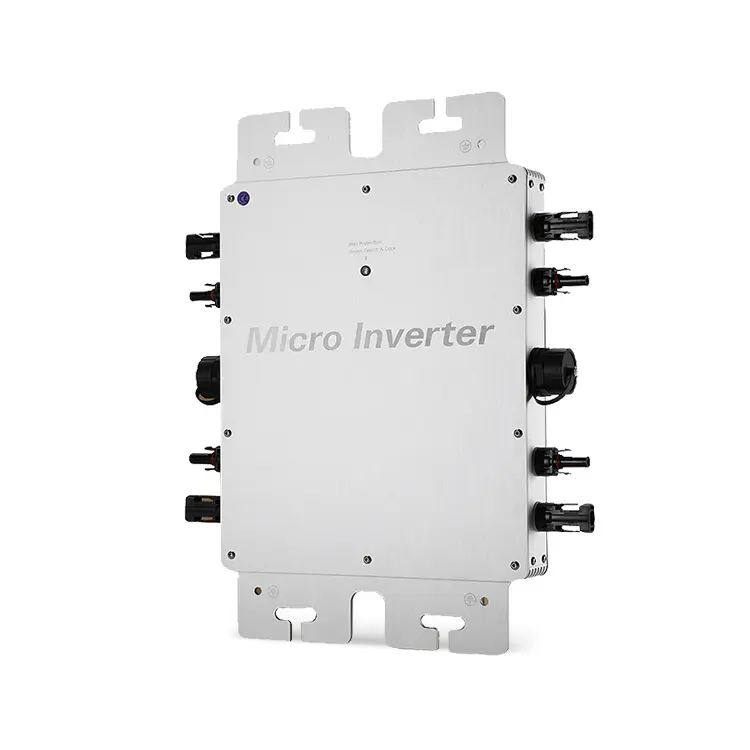
היכולת להרחיב באופן מודולרי, המאפיינת מערכות מִמְוֶרֶן מיקרו מחוץ לרשת, מספקת למשתמשים גמישות ללא תקדים בעיצוב, ביישום ובהרחבת התקנות האנרגיה הסולארית שלהם בהתאם לצרכים משתנים של אנרגיה ולמגבלות תקציב. פילוסופיית העיצוב הזו, שמתוכננת מראש לעתיד, מבטלת את המגבלות הנפוצות הקשורות למערכות ממורנים מסורתיות, אשר דורשות עיצוב מחדש מלא כאשר יש צורך להרחיב את הקיבולת. כל ממורן מיקרו מחוץ לרשת פועל כיחידה עצמאית להמרת ספק-כוח, ומאפשרת למשתמשים להתחיל בהתקנות מינימליות, גם של לוח סולארי בודד בלבד, ולהרחיב בהדרגה את הקיבולת על ידי הוספת צירופי לוח-ממורן נוספים, ללא השפעה על רכיבי המערכת הקיימים או על ביצועיה. יכולת ההתפתחות ההדרגתית הזו נמצאת במערכת ערך מיוחדת עבור משתמשים פרטיים, התקנות מרוחקות והתקנות מסחריות, שבהן דרישות האנרגיה מתנודדות או גדלות עם הזמן. הגישה המודולרית מבטלת את הצורך בגודל יתר (oversizing) והעלויות הראשוניות המשויכות לו, כפי שמאפיין מערכות קונבנציונליות, ומאפשרת למשתמשים להשקיע בדיוק בכמות האנרגיה הסולארית המתאימה לצרכים הנוכחיים שלהם, תוך שמירה על מסלולים חלקים לשדרוג בעתיד. הליכי ההתקנה נשארים אחידים ללא קשר לגודל המערכת, מה שמבטיח שהרחבות ידרושו מומחיות נוספת מינימלית או ציוד מיוחד מעבר לכלי העבודה הסטנדרטיים המשמשים בהתקנה הראשונית. הארכיטקטורה המפוזרת של מערכות ממורנים מיקרו משמעה שהלוחות החדשים מתמזגים באופן חלק עם ההתקנות הקיימות, ללא צורך בשינויים בהרכבת הממורנים, בחיווט ה-DC או בתשתיות הבקרה של המערכת. אפשרות הרחבה מסוג 'הכנס-והפעל' (plug-and-play) הזו תורמת לחיסכון משמעותי בעלויות ולהפחתת מורכבות ההתקנה בפרויקטים של הרחבה, לעומת מערכות מסורתיות שדורשות לעיתים קרובות החלפת ממורנים מלאה או שינויים נרחבים בתשתיות המערכת. בקרת האיכות נותרת אחידה בכל רכיבי המערכת, ללא קשר לזמן ההתקנה, מאחר שכל ממורן מיקרו שומר על مواדיים זהים ואפיונים ביצועיים זהים, בין אם הותקן בשלב הראשוני או נוסף שנים מאוחר יותר. העיצוב המודולרי מגביר גם את אמינות המערכת באמצעות גיבוי מובנה, ומבטיח שתקלות ברכיב בודד לעולם לא יפגעו בתפעול המערכת הכוללת, בעוד שניתן להחליף או לתקן יחידות בודדות ללא הפסקת פעילות המערכת. פרוטוקולי תקשורת מתקדמים, המשולבים במערכות ממורנים מיקרו מחוץ לרשת המודרניות, מבטיחים מיזוג חלק של רכיבים חדשים עם תשתיות הניטור והבקרה הקיימות, ושמירת ניטור מערכת מקיף ללא תלות בזמן או בהיקף ההרחבה.
 EN
EN