Off Grid Micro Inverter Systems: Advanced Solar Power Solutions for Independent Energy Generation

Get a Free Quote

Our representative will contact you soon.
Email
Mobile/WhatsApp
Name
Company Name
Message
0/1000

off grid micro inverter

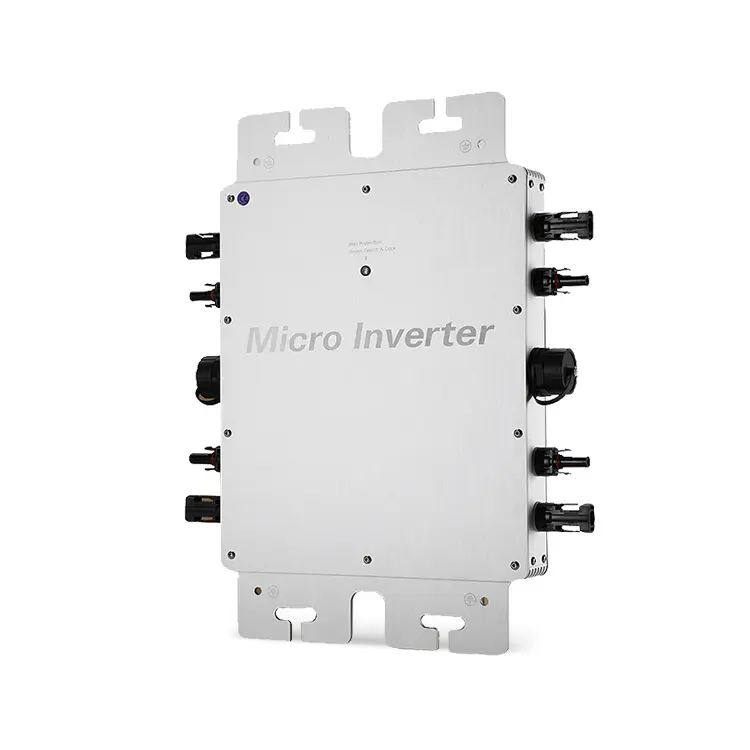
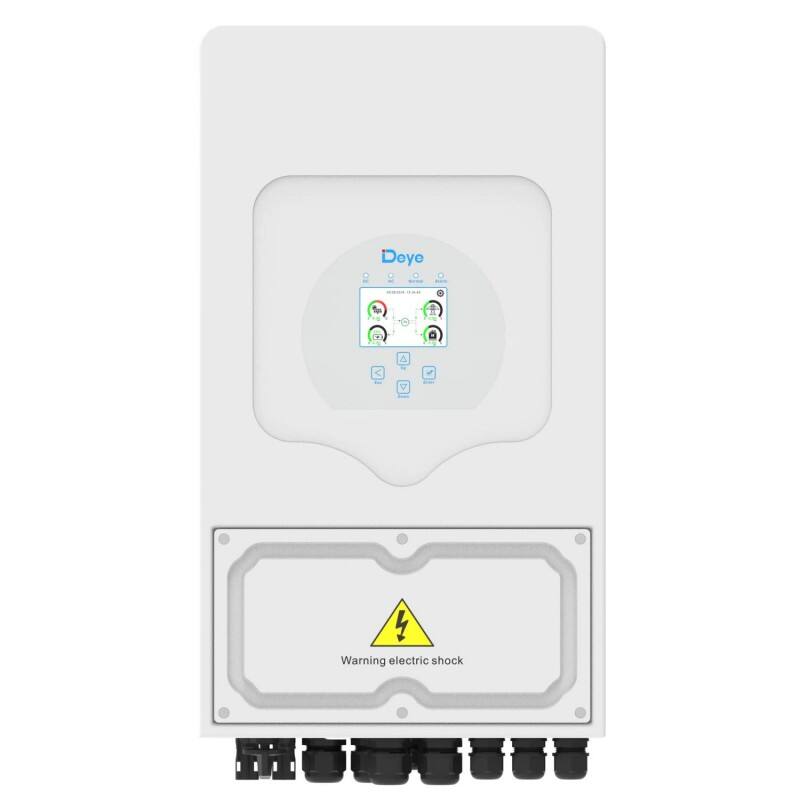
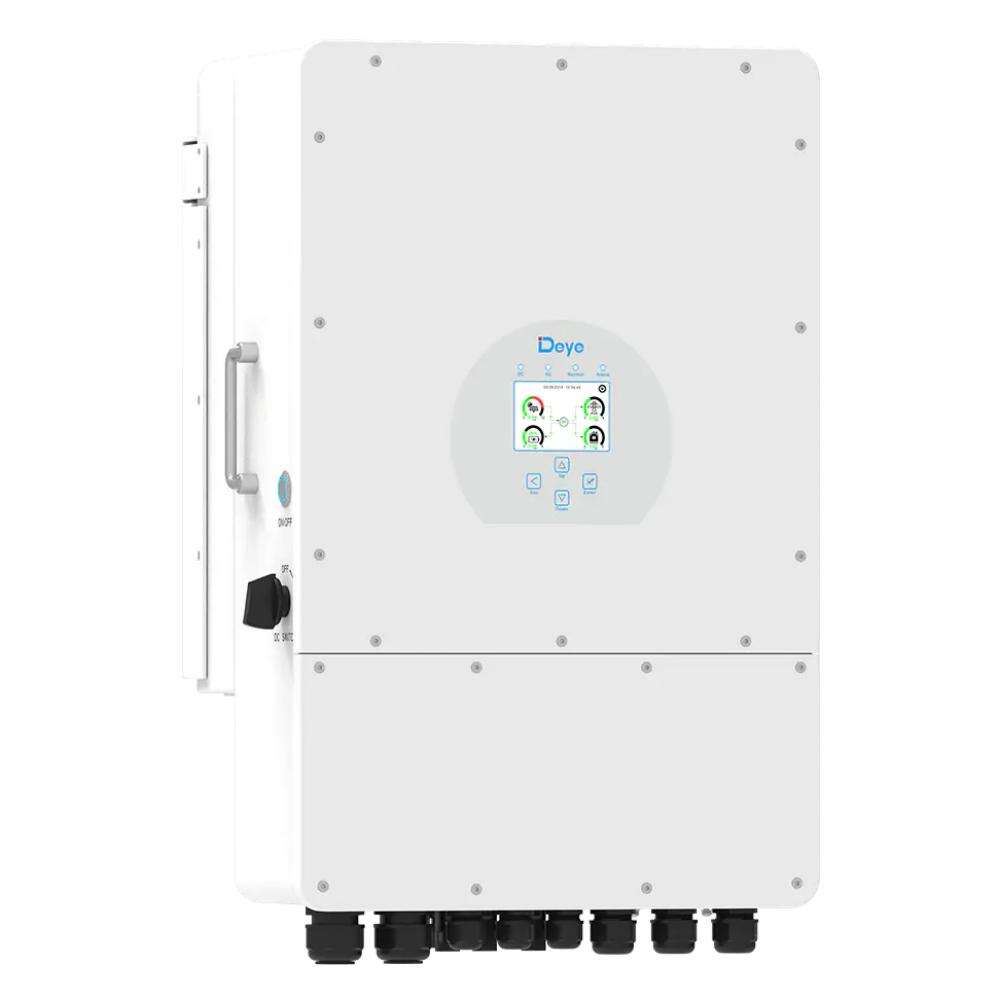
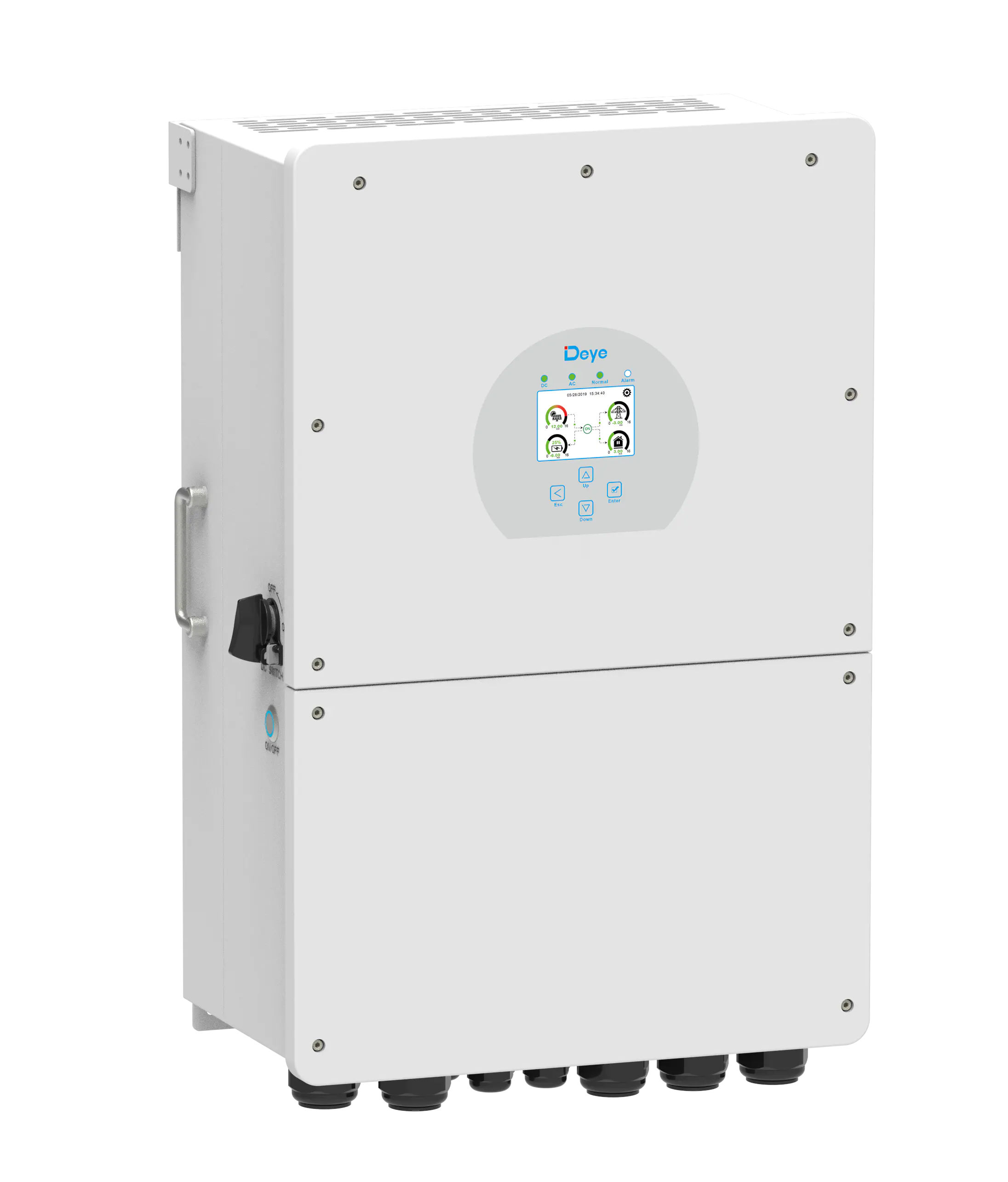
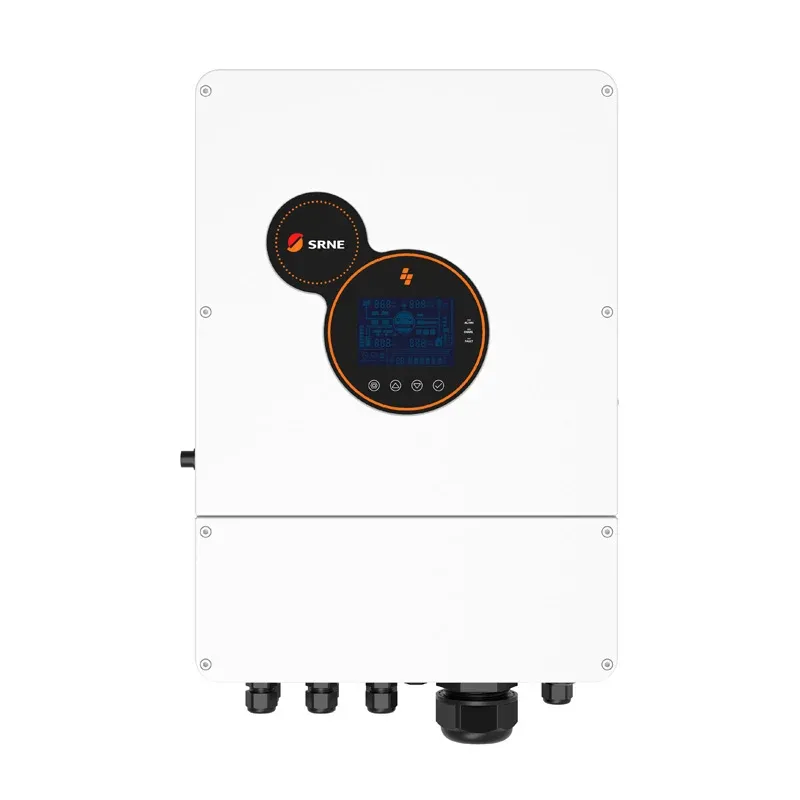
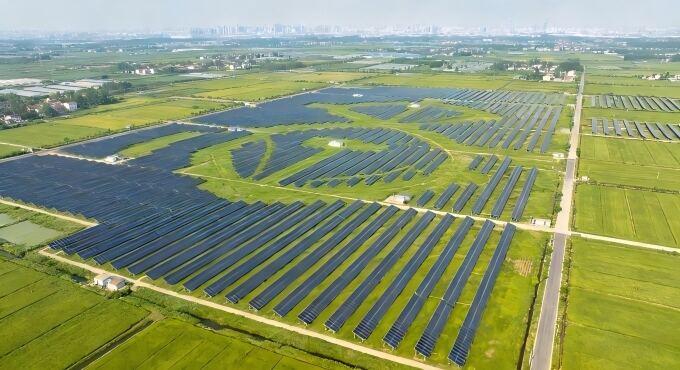
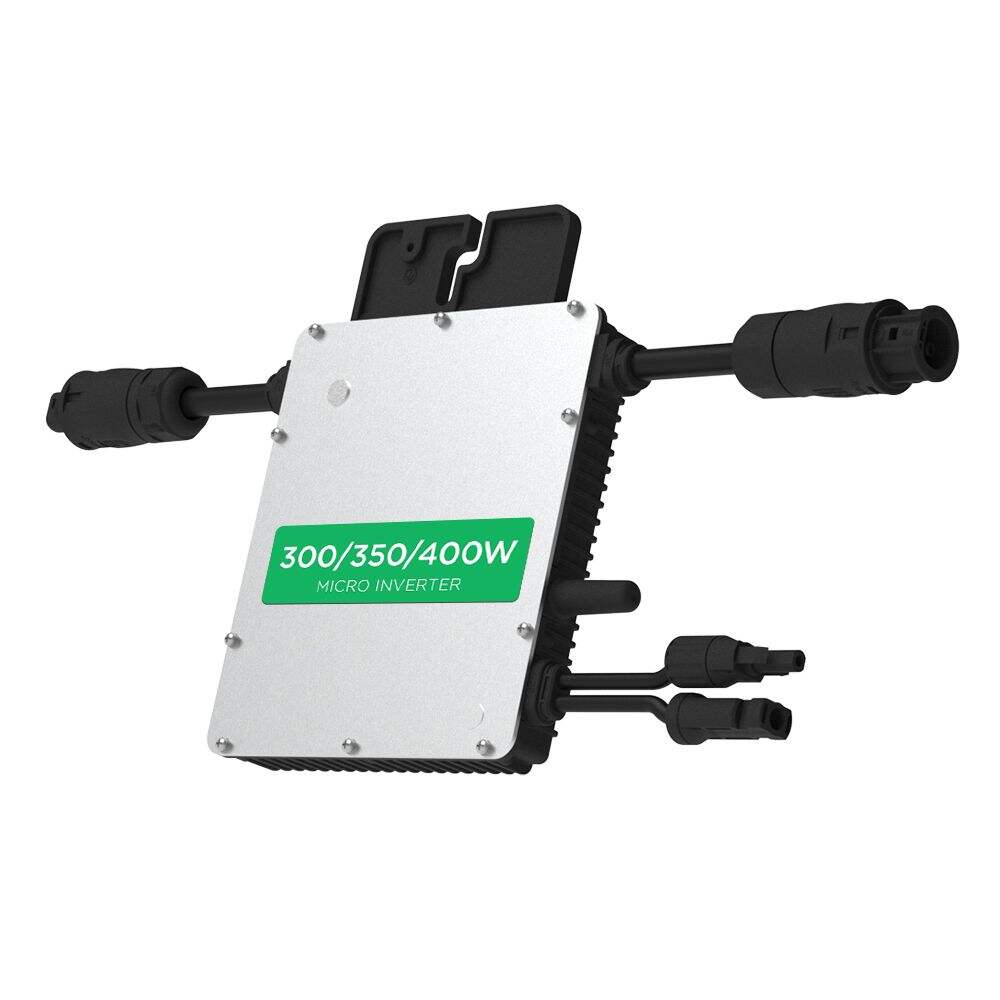
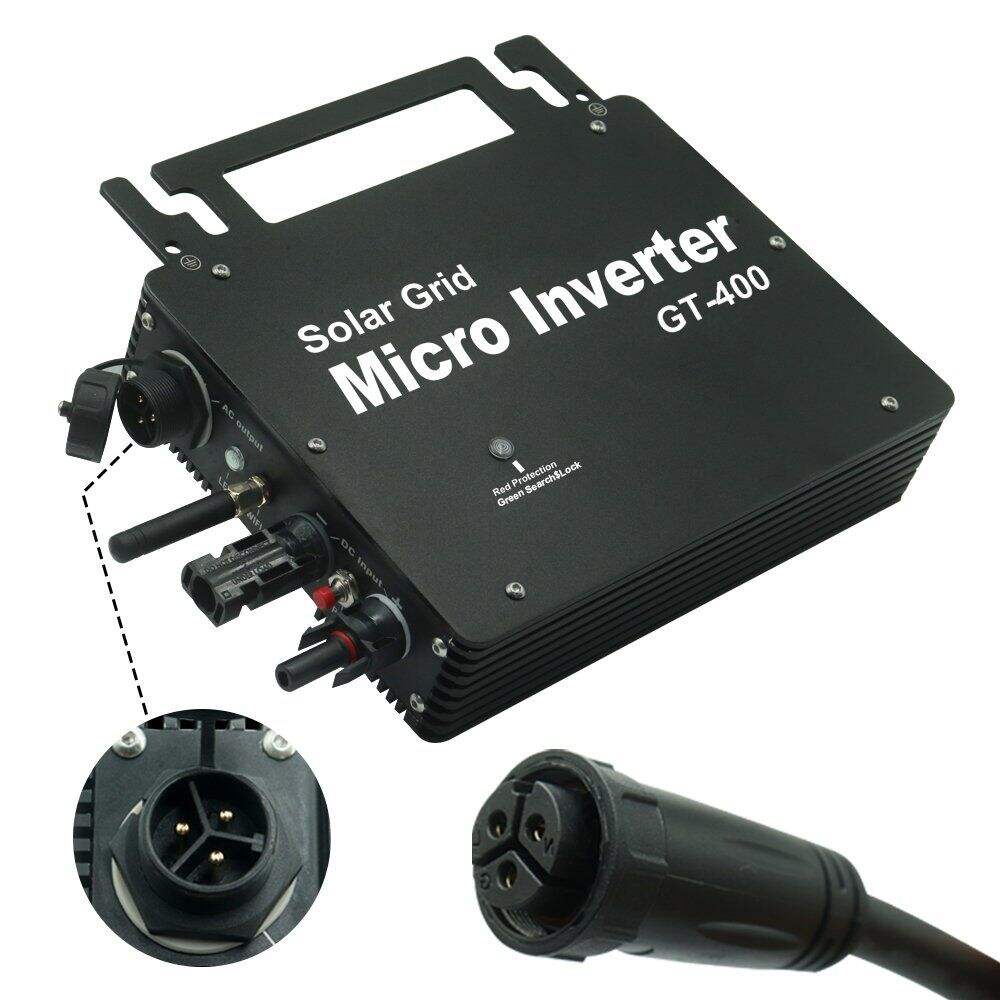
An off grid micro inverter represents a revolutionary approach to solar energy conversion, designed specifically for standalone power systems that operate independently from traditional electrical grids. These compact yet powerful devices convert direct current (DC) electricity generated by solar panels into alternating current (AC) electricity that can power household appliances and electronic devices. Unlike conventional string inverters that handle multiple solar panels through a single unit, each off grid micro inverter connects directly to individual solar panels, creating a distributed power conversion system that maximizes energy harvesting efficiency. The technological foundation of off grid micro inverter systems relies on advanced Maximum Power Point Tracking (MPPT) algorithms that continuously optimize energy extraction from each solar panel regardless of varying environmental conditions such as partial shading, dust accumulation, or temperature fluctuations. This intelligent technology ensures that underperforming panels do not impact the overall system output, a common limitation in traditional string inverter configurations. Modern off grid micro inverter units incorporate sophisticated power electronics featuring high-frequency switching circuits, robust electromagnetic interference filtering, and comprehensive protection mechanisms including overvoltage protection, short circuit protection, and thermal management systems. These devices typically operate within efficiency ranges of 95-98 percent, significantly reducing energy losses during the conversion process. The modular design philosophy inherent in off grid micro inverter systems enables seamless system expansion, allowing users to add additional solar panels and inverters as energy requirements grow without requiring complete system redesigns. Applications for off grid micro inverter technology span diverse sectors including remote residential properties, recreational vehicles, marine installations, telecommunications equipment, emergency backup systems, and rural electrification projects where grid connectivity remains unavailable or unreliable. The plug-and-play installation characteristics of these systems significantly reduce installation complexity and associated costs while providing enhanced monitoring capabilities through integrated communication protocols that enable real-time performance tracking and remote diagnostics.

New Products

Off grid micro inverter systems deliver substantial practical benefits that directly address the real-world challenges faced by users seeking reliable, independent power solutions. These systems eliminate single points of failure that plague traditional centralized inverter configurations, ensuring that individual panel issues never compromise entire system performance. When one solar panel experiences shading, damage, or reduced efficiency, the remaining panels continue operating at optimal levels through their dedicated micro inverters, maintaining consistent power generation throughout the day. This distributed architecture translates into measurably higher energy yields, typically increasing overall system output by 15-25 percent compared to string inverter alternatives. Installation processes become dramatically simplified with off grid micro inverter systems, requiring no specialized electrical expertise for basic setup procedures. Each unit connects directly to its corresponding solar panel using standard DC connectors, while AC output cables link together using conventional household wiring techniques. This straightforward approach reduces installation time by approximately 50 percent and eliminates the need for expensive DC combiner boxes, string wiring, and centralized inverter mounting structures. Safety improvements represent another compelling advantage, as off grid micro inverter systems operate at significantly lower DC voltages at the panel level, reducing electrical hazards during installation, maintenance, and emergency situations. The modular expansion capability allows users to start with smaller systems and gradually increase capacity as budget and energy needs evolve, providing financial flexibility unavailable with traditional inverter configurations. Enhanced monitoring capabilities built into modern off grid micro inverter systems provide unprecedented visibility into individual panel performance, enabling users to identify and address issues before they impact overall system efficiency. These intelligent monitoring features often include smartphone applications and web-based dashboards that display real-time power generation, historical performance data, and maintenance alerts. The compact form factor of micro inverters enables installation in space-constrained environments where traditional inverters would be impractical, while their distributed nature eliminates the need for dedicated inverter mounting locations and associated cooling requirements. Maintenance requirements decrease substantially as micro inverters eliminate complex DC wiring systems and centralized failure points, reducing long-term operational costs and extending overall system reliability. The inherent redundancy of off grid micro inverter systems ensures continued power generation even when individual components require service, maintaining critical power availability for essential applications.

Tips And Tricks

Solar Product Tech Advances In 2025

20

Jan

Solar Product Tech Advances In 2025

View More
2025 Global Solar Market Demand (Emerging Markets)

20

Jan

2025 Global Solar Market Demand (Emerging Markets)

View More
Solar Products & Rural Electrification 2025

20

Jan

Solar Products & Rural Electrification 2025

View More

Get a Free Quote

Our representative will contact you soon.
Email
Mobile/WhatsApp
Name
Company Name
Message
0/1000

off grid micro inverter

Advanced Panel-Level Power Optimization Technology

Advanced Panel-Level Power Optimization Technology

The sophisticated panel-level optimization technology integrated into off grid micro inverter systems represents a fundamental advancement in solar energy harvesting efficiency that directly translates into enhanced power generation and improved return on investment for users. Each micro inverter employs advanced Maximum Power Point Tracking algorithms specifically calibrated for individual solar panel characteristics, continuously adjusting operating parameters to extract maximum available power regardless of environmental conditions or system-wide variations. This intelligent optimization process operates independently for each panel, eliminating the performance limitations imposed by traditional string configurations where the lowest-performing panel determines overall system output. The technology proves particularly valuable in installations where panels experience different orientations, tilt angles, or shading patterns throughout the day, conditions that would severely compromise conventional inverter systems. Real-world performance data consistently demonstrates 15-25 percent higher energy yields in micro inverter installations compared to string inverter alternatives, with even greater improvements observed in challenging environmental conditions. The optimization algorithms continuously monitor panel voltage, current, and power characteristics at microsecond intervals, making instantaneous adjustments to maintain optimal operating points as conditions change. This dynamic response capability ensures maximum energy capture during variable weather conditions, partial shading events, and seasonal solar angle variations that would otherwise result in significant power losses. Advanced temperature compensation features built into the optimization algorithms account for thermal effects on panel performance, automatically adjusting operating parameters to maintain efficiency across wide temperature ranges. The panel-level optimization extends beyond simple power point tracking to include sophisticated load matching capabilities that ensure optimal power transfer from individual panels to connected loads or battery storage systems. Users benefit from this technology through measurably higher energy production, reduced payback periods, and enhanced system reliability that translates into decades of optimized performance. The optimization technology also enables superior system diagnostics, providing detailed performance analytics for each panel that facilitate proactive maintenance and rapid issue identification, ensuring sustained peak performance throughout the system lifecycle.
Modular Scalability and Future-Proof Design

Modular Scalability and Future-Proof Design

The modular scalability inherent in off grid micro inverter systems provides users with unprecedented flexibility to design, implement, and expand their solar power installations according to evolving energy requirements and budget constraints. This future-proof design philosophy eliminates the common limitations associated with traditional inverter systems that require complete redesigns when capacity expansion becomes necessary. Each off grid micro inverter operates as an independent power conversion unit, enabling users to start with minimal installations of even a single solar panel and gradually expand capacity by simply adding additional panel-inverter combinations without affecting existing system components or performance. This incremental growth capability proves particularly valuable for residential users, remote installations, and commercial applications where energy demands fluctuate or increase over time. The modular approach eliminates oversizing requirements and associated upfront costs that characterize conventional systems, allowing users to invest in solar capacity precisely matched to current needs while maintaining seamless upgrade paths for future expansion. Installation procedures remain consistent regardless of system size, ensuring that expansion projects require minimal additional expertise or specialized equipment beyond the standard tools used for initial installations. The distributed architecture of micro inverter systems means that new panels integrate seamlessly with existing installations without requiring modifications to inverter mounting, DC wiring, or system control infrastructure. This plug-and-play expandability translates into significant cost savings and reduced installation complexity for expansion projects compared to traditional systems that often require complete inverter replacements or extensive system modifications. Quality assurance remains consistent across all system components regardless of installation timing, as each micro inverter maintains identical specifications and performance characteristics whether installed initially or added years later. The modular design also enhances system reliability through built-in redundancy, ensuring that individual component failures never compromise overall system operation while replacement or repair of individual units can occur without system downtime. Advanced communication protocols integrated into modern off grid micro inverter systems ensure seamless integration of new components with existing monitoring and control infrastructure, maintaining comprehensive system oversight regardless of expansion timing or scope.
Enhanced Safety and Simplified Installation Process

Enhanced Safety and Simplified Installation Process

The revolutionary safety improvements and installation simplification achieved through off grid micro inverter technology fundamentally transform the solar installation experience while substantially reducing electrical hazards and technical complexity associated with traditional solar power systems. Unlike conventional string inverters that operate with dangerous high-voltage DC circuits potentially exceeding 600 volts, off grid micro inverter systems maintain low-voltage DC connections at the panel level, typically operating below 60 volts DC, which significantly reduces electrocution risks during installation, maintenance, and emergency situations. This inherent safety advantage proves particularly crucial for residential installations where homeowners may need to access roof areas or perform basic system maintenance without professional electrical expertise. The elimination of high-voltage DC wiring throughout the installation removes one of the primary safety concerns that have historically limited widespread solar adoption among safety-conscious consumers. Installation procedures become dramatically simplified through the plug-and-play design characteristics of micro inverter systems, requiring only basic electrical knowledge and standard household tools for successful implementation. Each off grid micro inverter connects directly to its corresponding solar panel using weatherproof DC connectors, while AC outputs link together using conventional residential wiring techniques familiar to most electricians and experienced homeowners. This straightforward approach eliminates the complex DC string wiring, combiner boxes, and centralized inverter mounting requirements that characterize traditional installations, reducing installation time by approximately 50 percent while minimizing opportunities for wiring errors or safety violations. The distributed nature of micro inverter systems removes the need for dedicated inverter mounting locations, ventilation requirements, and associated electrical infrastructure, enabling installations in space-constrained environments where traditional inverters would be impractical. Comprehensive built-in protection features including ground fault detection, arc fault protection, rapid shutdown capabilities, and automatic islanding protection ensure compliance with current electrical safety codes while providing enhanced protection against electrical fires and equipment damage. The modular installation process allows for systematic testing and commissioning of individual components during installation, enabling immediate identification and resolution of any issues before system completion, resulting in higher installation success rates and improved long-term reliability compared to traditional systems where problems may remain undetected until final commissioning phases.
Get a Free Quote

Our representative will contact you soon.
Email
Mobile/WhatsApp
Name
Company Name
Message
0/1000