Advanced Monitoring and Diagnostic Capabilities for Optimal System Performance
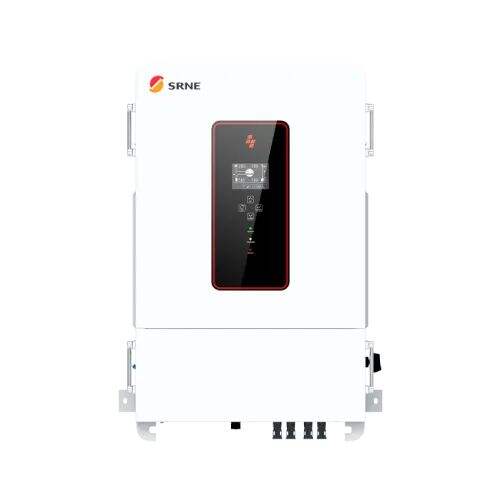
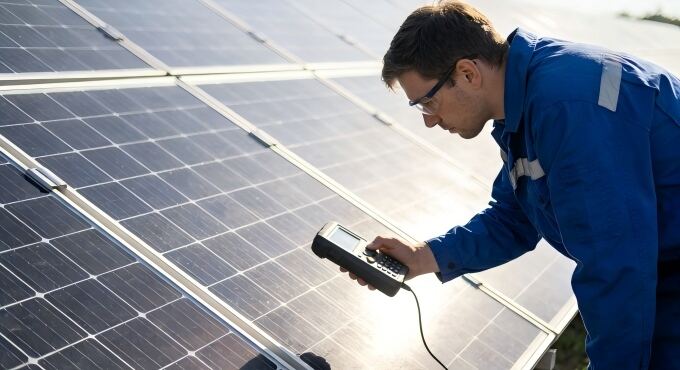
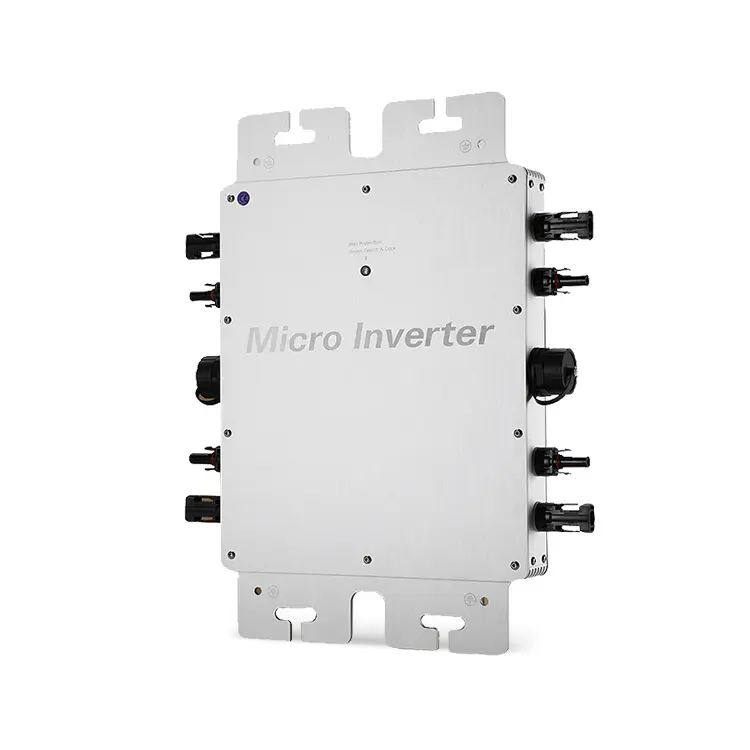
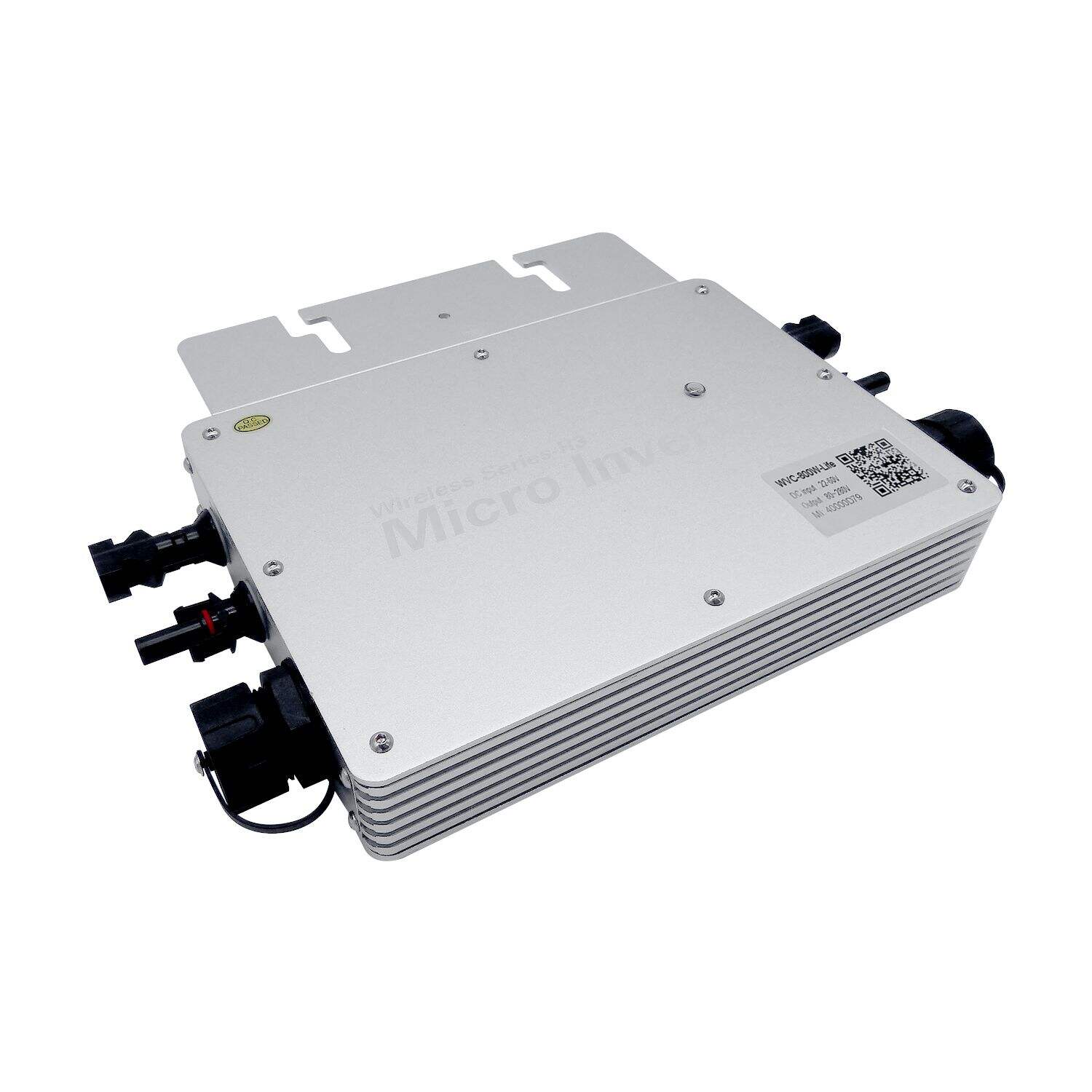
The micro inverter system incorporates sophisticated monitoring and diagnostic features that provide unprecedented insight into solar system performance, enabling proactive maintenance and optimization strategies that maximize long-term productivity and value. Each micro inverter system unit functions as an intelligent data collection point, continuously gathering performance metrics including power output, voltage, current, temperature, and operational status from its connected solar panel. This comprehensive data streams wirelessly to central monitoring platforms accessible through intuitive web portals and mobile applications, giving system owners real-time visibility into their energy production. The granular monitoring capabilities of micro inverter systems enable immediate identification of performance anomalies, whether caused by equipment issues, environmental factors, or maintenance needs. Users can track individual panel performance trends over time, identifying gradual degradation patterns that might indicate cleaning needs, physical damage, or component wear. Alert systems notify owners and installers when panels fall below expected performance thresholds, facilitating prompt intervention before minor issues escalate into significant problems. Historical performance data collected by micro inverter systems supports informed decisions about system maintenance, cleaning schedules, and potential upgrades or expansions. Comparative analysis tools help identify consistently underperforming panels that may require attention, replacement, or repositioning. The monitoring platform typically includes weather data integration, allowing correlation between environmental conditions and system performance to establish baseline expectations and identify abnormal behavior patterns. Energy production forecasting becomes more accurate with the detailed data provided by micro inverter systems, helping users plan energy consumption and evaluate system ROI more precisely. Installer diagnostic capabilities are enhanced significantly, as technicians can remotely assess system health, identify specific problematic units, and arrive on-site with appropriate replacement components and targeted repair strategies. This remote diagnostic capability reduces service call frequency and duration, minimizing system downtime and maintenance costs. Integration with home energy management systems enables sophisticated load balancing and energy optimization strategies based on real-time production data from the micro inverter system.
 EN
EN